Latest business news
Cabinet clears Ordinance to hike cess to 25 pc on mid-size, luxury vehicles and SUVs

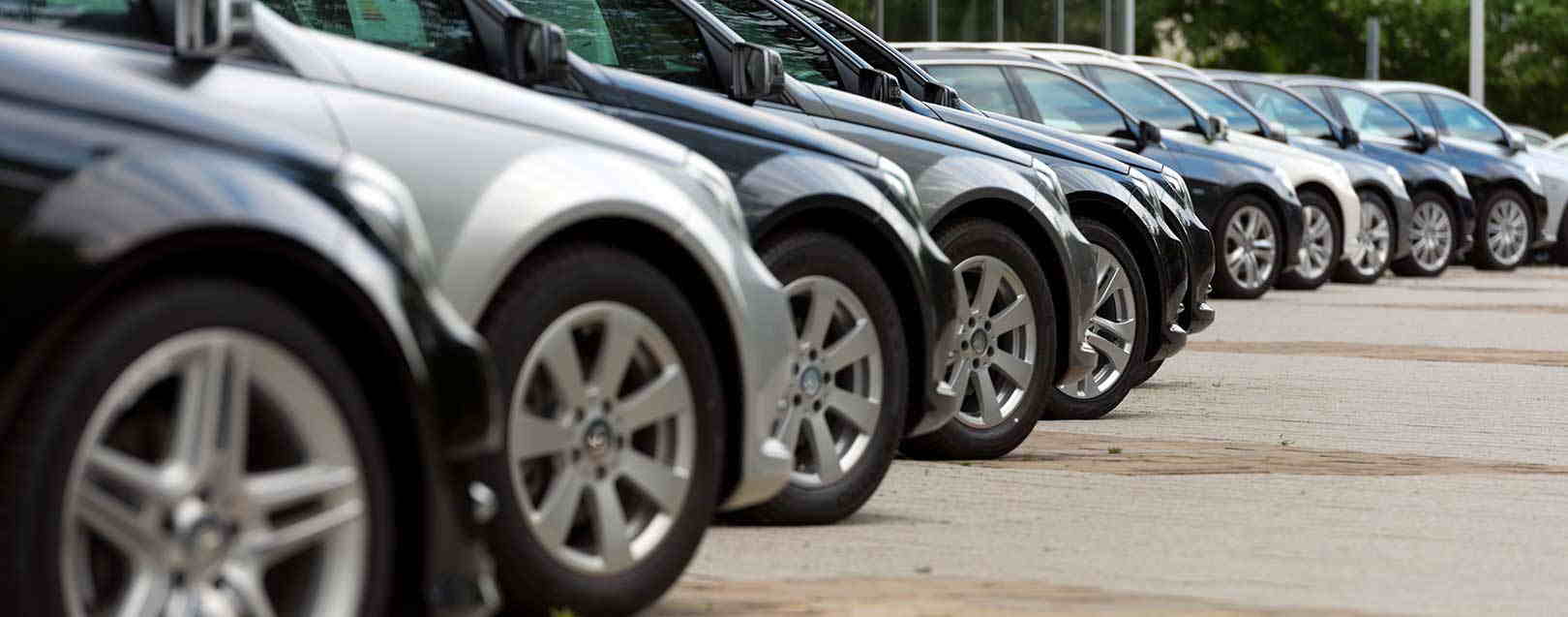
[vc_row][vc_column][vc_column_text]The new levy will be in charged in addition to taxes on sale of the vehicle. GST Council, the apex tax rate setting body, had on 5 August approved raising cess on SUVs, mid-sized, large and luxury cars that had become cheaper after the rollout of the Goods and Services Tax regime on July 1
In a move that is certain to hit the automobile sector hard and dampen the spirit among driving enthusiasts planning to buy not just luxury cars or sports utility vehicles but even mid-sized cars, the Union Cabinet, on Wednesday, approved an Ordinance that sets to increase the cess on such vehicles from the current ceiling of 15 per cent to a whopping 25 per cent.
The new levy will be charged in addition to the 28 per cent ceiling of taxes charged on the sale of mid-size cars, luxury and sports utility vehicles (SUVs) under the new Goods and Services Tax (GST) regime that was rolled out on July 1 this year.
“The proposal of imposition of higher cess has been cleared,” a source privy to the Cabinet’s decision said. The GST Council – the apex tax rate setting body – may, in its next meeting scheduled for September 9, decide on the date when the increased cess will be applicable.
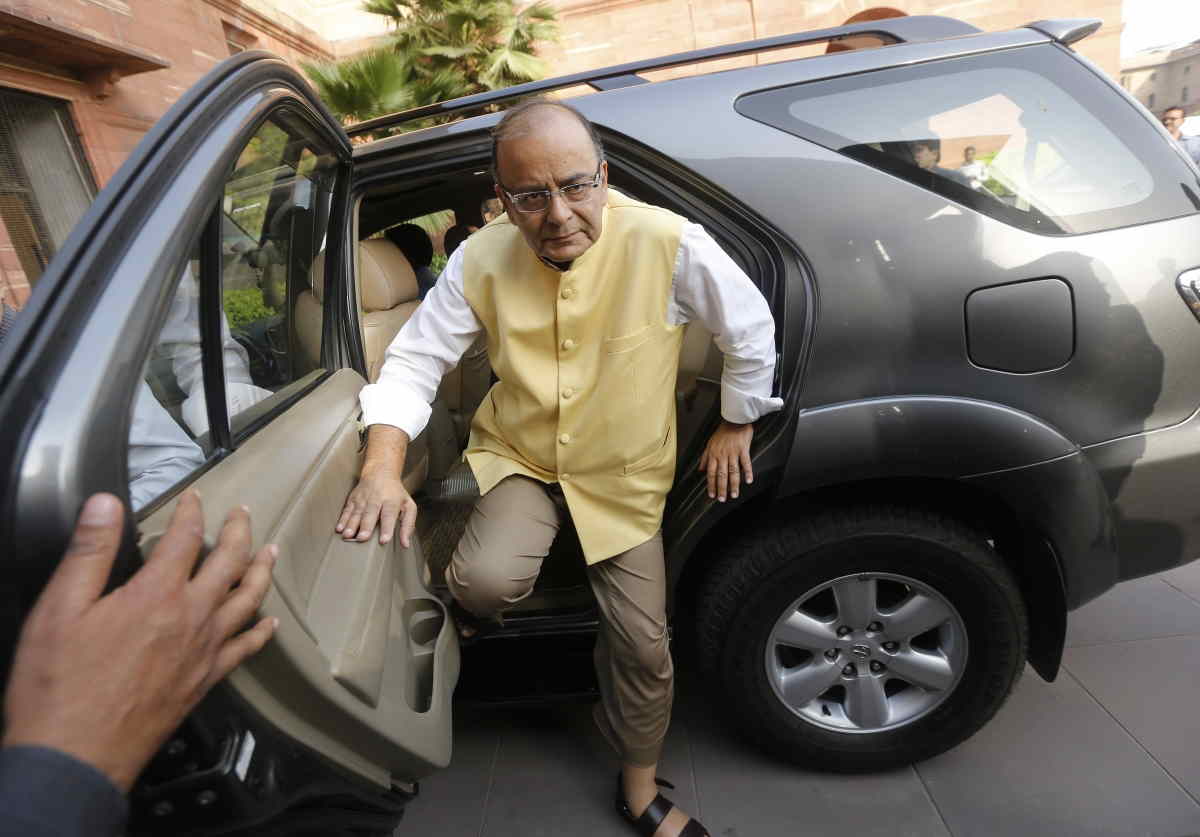 The Union finance ministry had, on August 7, said that the GST council chaired by finance minister Arun Jaitley had recommended to the Centre to move legislative amendments needed for raising the maximum ceiling of cess that can be levied on motor vehicles to 25 per cent from the present cap of 15 per cent.
Under the new GST regime, cars attract the top tax rate of 28 per cent but are also charged with a cess of 1to 15 per cent for the creation of the state compensation corpus. After the introduction of GST, the total tax incidence on motor vehicles (GST plus compensation cess) had come down when compared with the total tax incidence in the pre-GST regime.
However, raising the cess requires an amendment to the Schedule of Section 8 of the GST (Compensation to a State) Act, 2017, hence the need for the Ordinance that was cleared by the Union Cabinet on Wednesday.
The highest pre-GST tax incidence on motor vehicles worked out to about 52 to 54.72 per cent, to which 2.5 per cent was added on account of Central Sales Tax, octroi, etc. Against this, the total tax incidence on these vehicles post GST rollout fell to 43 per cent.
The GST Council was of the view that to take the tax incidence to pre-GST levels, the highest compensation cess rate required is 25 per cent.
Prices of most SUVs were cut between Rs 1.1 to Rs 3 lakh after the GST rollout, which subsumed over a dozen central and state levies including excise duty, service tax, and VAT from July 1.
Under GST, a cess was levied on cars, tobacco, and coal to create a corpus for compensating states for any loss of revenue from their taxes like VAT being unified with central levies like excise duty and service tax in the GST.[/vc_column_text][/vc_column][/vc_row]





Latest business news
Xbox announces 3,200 layoffs as Asha Sharma outlines major restructuring plan
Xbox has announced plans to lay off 3,200 employees over the next year while introducing a major restructuring programme that includes management changes, studio restructuring and cost-cutting measures.


India News
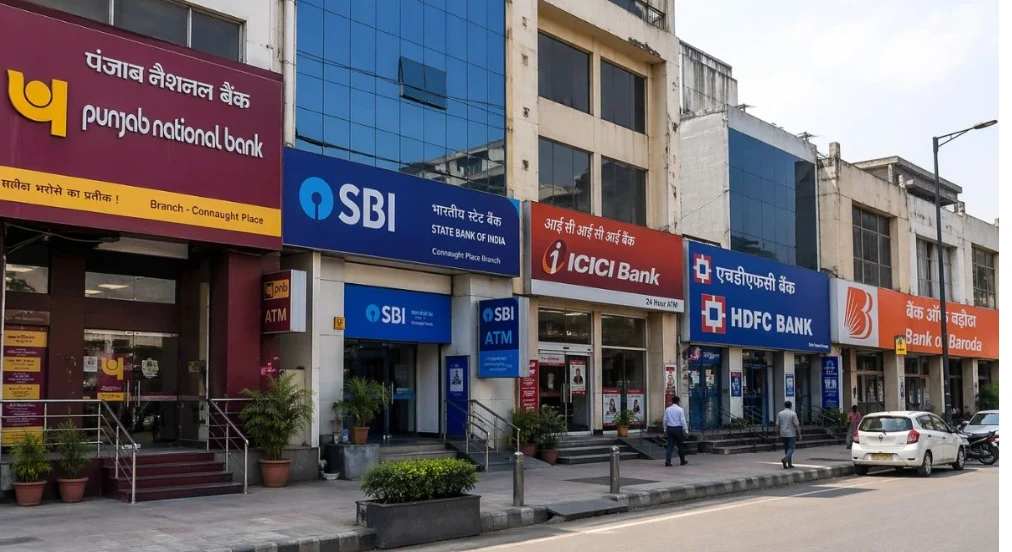
Bank holiday today: Are banks open or closed on June 29? Here’s what RBI calendar says
Banks in Himachal Pradesh and Mizoram will remain closed on June 29, 2026, due to regional holidays, while banking operations will continue normally in most other states.
India News
Union Budget 2026 highlights: Nirmala Sitharaman Raises Capex to Rs 12.2 Lakh Cr, West Bengal Gets Major Allocation
Finance Minister Nirmala Sitharaman is presenting the Union Budget 2026 in Parliament today. Follow this space for live updates, key announcements, and policy insights.


Anirudh Ravichander to marry Kavya Maran in November, reception on November 21

Journalist files police complaint against Rahul Gandhi over push allegation

Delhi court orders release of CJP founder Abhijeet Dipke
Journalist files police complaint against Rahul Gandhi over push allegation
Delhi court orders release of CJP founder Abhijeet Dipke
Anirudh Ravichander to marry Kavya Maran in November, reception on November 21

ED summons Pinarayi Vijayan in money laundering case

LK Advani, 98, hospitalised in Delhi with chest infection

Afghan Men Try To Hang With The Jet Engine Of The Aircraft in Kabul- Afghanistan News – Kabul News
Trending Top 10 News: 10000 Crore Fine on Flipkart, Apple to Launch Unique Feature, Hdfc Bank Job Ad

Trending Top 10 News: Nokia 6310, Apple sales, Bachpan ka Pyar Video Kid, Dainik Bhaskar IT Raid

Trending Top 10 News: Canada bans Indian flights, Rain in Delhi NCR, AIMIM Twitter hacked, Raj Kundra case