
India News
Murder recorded on CCTV, claims Gauri Lankesh’s brother, Karnataka govt orders SIT probe

[vc_row][vc_column][vc_column_text]Filmmaker Indrajit, brother of slain journalist, says her mobile phone has crucial leads in the case, chief minister Siddaramaih announces SIT probe headed by Inspector General rank officer
Could the probe in the pre-planned, cold blooded murder of 55-year-old senior journalist Gauri Lankesh reach its logical conclusion through evidence recorded in CCTV cameras installed near her house and from leads traced through her mobile phone?
The slain journalist’s brother, Indrajit Lankesh, a filmmaker, has suggested that the entire incident of Tuesday night – when yet unidentified bike-borne assailants arrived at Gauri’s Rajarajeshwari Nagar residence in Bengaluru and pumped 3 bullets into her as she was entering the gate – was recorded on CCTV cameras.
“The CCTV cameras (in the premises) have captured the whole incident… I am very confident that the culprits will be caught soon,” Indrajit told reporters in Bengaluru. The Bengaluru police has already taken the hard drive of the CCTV in its possession.
Indrajit said that he has requesting the investigating authorities in the case to “open it (the CCTV footage) in front of me or my mother”, and added that “the two CCTV cameras (near the gate and door), even without lights, have captured the whole incident and from the footage we can make out what has actually happened there… planning and execution (of the murder)… everything is recorded there.”
Indrajit insisted that his sister’s mobile phone records too could provide significant leads in cracking the case. “Her mobile phone also contains a lot of evidence and clues… Investigation is underway,” Indrajit said.
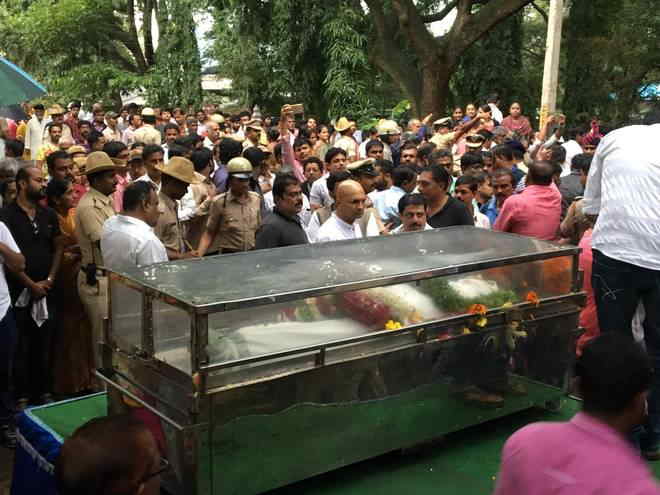
Gauri was laid to rest at the TR Mill Grounds in Chamarajpet in Bengaluru at around 5 pm on Wednesday amid chants of “Amar rahe Amar Rahe, Gauri Lankesh Amar Rahe”. Her body had been placed at the Samsa amphitheatre in Ravindra Kalakshetra before the cremation so that her friends, family members and the hundreds of media persons, activists and common citizens who had been protesting against her murder could pay their last respects to her.
Earlier in the day, one of the two doctors who conducted the slain journalist’s post-mortem said that there were three bullet entry and exit points on Gauri’s body. Speaking on condition of anonymity the doctor told The Hindu newspaper that Gauri died of excessive bleeding due to shock and hemorrhage. Her vital organs – heart and lungs – had been damaged. Contrary to preliminary reports that she had a bullet injury on the temple, the doctor said Gauri had three bullet injuries – two on the chest and one in the abdomen.
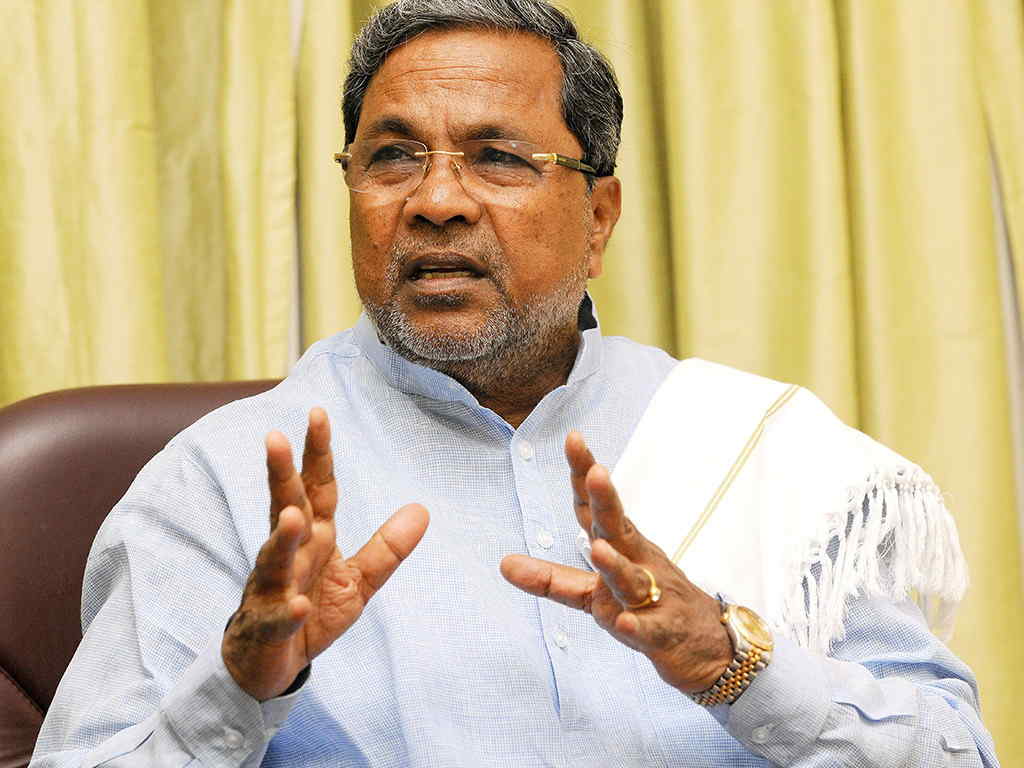
Meanwhile, amid calls by BJP leaders like Ananth Kumar to hand over the murder investigation to the Central Bureau of Investigation (CBI) and protests by social activists and the media who have been demanding swift justice for the slain journalist, Karnataka chief minister Siddaramaiah has decided to form a Special Investigation Team (SIT) to probe the murder of Gauri, editor of the tabloid Gauri Lankesh Patrike, who was known for her fearless reporting and fierce criticism of the BJP, RSS and right-wing fundamentalist groups in India.
Siddaramaiah said the SIT probe will be headed by an Inspector General level officer while adding that his government had an “open mind” on calls for a CBI probe in the case.
In his interaction with the media shortly after he had chaired a meeting of senior police officials and the state’s home minister Ramalinga Reddy, Siddaramaiah said that he had asked the police to take the case “very seriously”.
“I have given directions to the police that this case should be taken very seriously and it should be investigated exclusively by a special team, so a SIT headed by an IG level officer will be constituted immediately,” Siddaramaiah said.
Members of Press Club of Bengaluru have submitted a memorandum to the Karnataka chief minister, asking him to constitute a judicial committee to probe the murder.[/vc_column_text][/vc_column][/vc_row]





India News
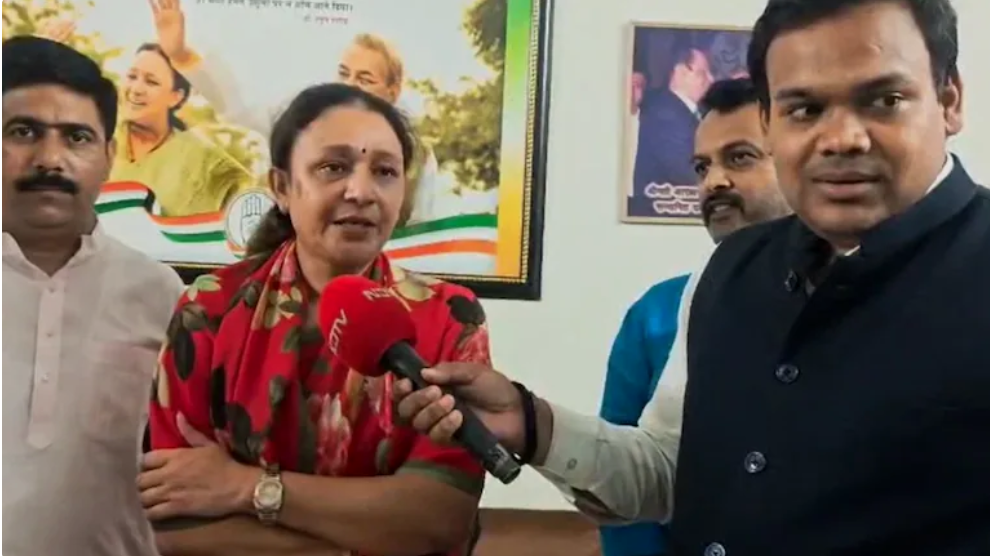
New UP Congress chief Aradhana Mishra backs stronger alliance with SP
Newly appointed UP Congress chief Aradhana Mishra said the party would strengthen its alliance with the Samajwadi Party ahead of the 2027 Assembly election.

India News
CJP announces October 10 Delhi protest against Gyanesh Kumar
CJP leader Abhijeet Dipke has announced a protest at Jantar Mantar on October 10, demanding the resignation of Chief Election Commissioner Gyanesh Kumar.
India News
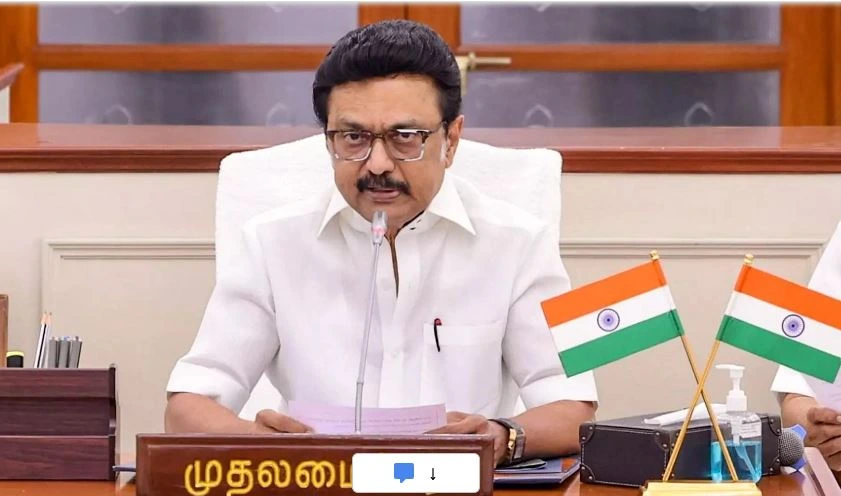
MK Stalin attacks Vijay government over hindi signboard in Tamil Nadu
MK Stalin criticised the Tamil Nadu government over Hindi lettering on a State Highway signboard and warned the Vijay-led administration against interfering with the state’s two-language policy.

Couldn’t let passengers die: Smit Machchhar speaks to PM Modi after Flydubai attack

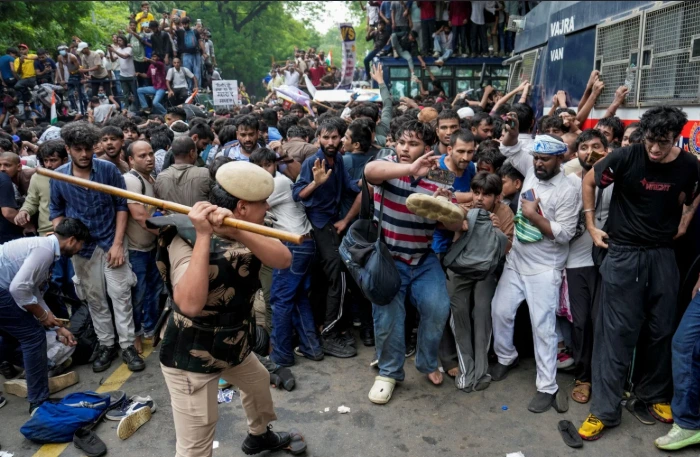
700 detained as Delhi, Mumbai see protests against Gyanesh Kumar

MK Stalin attacks Vijay government over hindi signboard in Tamil Nadu

CJP announces October 10 Delhi protest against Gyanesh Kumar

New UP Congress chief Aradhana Mishra backs stronger alliance with SP
New UP Congress chief Aradhana Mishra backs stronger alliance with SP
CJP announces October 10 Delhi protest against Gyanesh Kumar
MK Stalin attacks Vijay government over hindi signboard in Tamil Nadu
700 detained as Delhi, Mumbai see protests against Gyanesh Kumar
Couldn’t let passengers die: Smit Machchhar speaks to PM Modi after Flydubai attack

Afghan Men Try To Hang With The Jet Engine Of The Aircraft in Kabul- Afghanistan News – Kabul News
Trending Top 10 News: 10000 Crore Fine on Flipkart, Apple to Launch Unique Feature, Hdfc Bank Job Ad

Trending Top 10 News: Nokia 6310, Apple sales, Bachpan ka Pyar Video Kid, Dainik Bhaskar IT Raid

Trending Top 10 News: Canada bans Indian flights, Rain in Delhi NCR, AIMIM Twitter hacked, Raj Kundra case

Trending Top 10 News: Shein India, Apple New Service, Pocket Oxygen, Oppo Launched New Phone
-
 India News21 hours ago
Couldn’t let passengers die: Smit Machchhar speaks to PM Modi after Flydubai attack
-
 India News14 hours ago
700 detained as Delhi, Mumbai see protests against Gyanesh Kumar
-
 India News13 hours ago
MK Stalin attacks Vijay government over hindi signboard in Tamil Nadu
-
 India News51 mins ago
CJP announces October 10 Delhi protest against Gyanesh Kumar
-
 India News32 mins ago
New UP Congress chief Aradhana Mishra backs stronger alliance with SP
