English हिन्दी
Connect with us

India News

Covid-19 state-wise restrictions: Know night curfew timings, what’s allowed and what’s not

With reporting over 2 lakh cases in a single day, several states and union territories have imposed restrictions in order to prevent the spread of Covid-19 infection. Know the timings of night curfew of all the states here.

Published

on

Covid-19 cases in India

India is grappling under yet another Covid-19 variant, creating panic among the citizens. The advent of the Omicron strain has resulted in a surge in daily Covid-19 cases which had been declining for a few months.

With reporting over 2 lakh cases in a single day, several states and union territories have imposed restrictions in order to prevent the spread of Covid-19 infection.

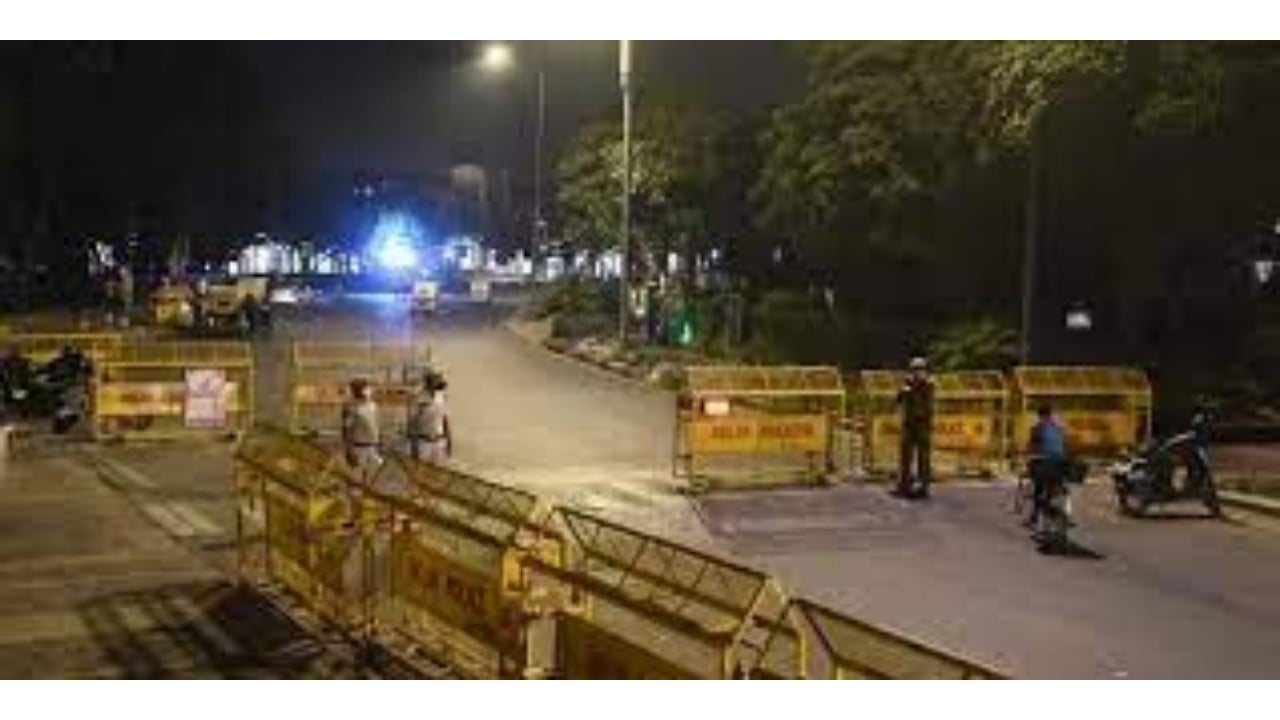
Night Curfew in the country state-wise

Here are state-wise restrictions imposed so far

Maharashtra

Night curfew in the state is imposed from 11 pm to 5 am.
Schools and colleges will be closed till February 15.
Not more than 50 persons are allowed to attend a marriage, social, religious, cultural or political gathering. At funerals, not more than 20 persons can remain present.
Restaurants, shopping malls have been asked to function at half capacity.
Haircutting salons, gyms and beauty salons are allowed to operate at 50 percent capacity and only fully vaccinated people shall be allowed to use these services.
Entertainment parks, zoos, museums and all other tourists places will remain closed.

Delhi

Night curfew in the city is imposed from 10 pm to 5 am.
Weekend curfew in the city from Friday 10 pm to Monday 5 am.
Shops to open with the odd-even rule.
Private offices to operate from work from home.
No-dine facilities are allowed in the restaurants and bars, only takeaways are allowed.
Cinema halls, spas, gyms, multiplexes, banquet halls, auditoriums & sports complexes will remain closed.
Schools and colleges will remain closed in the city.

Haryana

Night curfew from 11 pm to 5 am is already in force in the state.
The government and private offices, except for emergency / essential services, have been advised to function with 50 percent staff attendance.
Markets and malls have been allowed to remain open till 5 pm. Bars and restaurants have been permitted to function with 50 percent of their seating capacity.
All sports complexes, swimming pools and stadia shall remain closed except when being used for training of sportspersons for participation in national and international events.
All entertainment parks and B2B exhibitions are prohibited.
Only fully vaccinated persons are allowed to enter places such as vegetable and grain markets, public transport, parks, religious places, bars, restaurants, hotels, departmental stores, ration shops, liquor and wine shops, malls, shopping complexes, local markets, petrol and CNG stations, milk booths, gyms and banks.

Karnataka

The night curfew is imposed from 10 pm to 5 am.
Pubs, restaurants, clubs, hotels, bars, etc are allowed to run with 50 percent seating capacity. Only fully vaccinated people will be allowed on the premises.
Schools and colleges will remain shut.
Only 200 people are allowed to participate in marriage functions held in open spaces, whereas only 100 people are allowed to attend the function in closed spaces.
Cinema halls, multiplexes, auditoriums, etc will function with 50 percent seating capacity and must allow only fully-vaccinated people.
Religious places will be open only for Darshan. No seva and prasad offerings are allowed. 50 fully-vaccinated people are allowed at a given time.
Gyms and swimming pools can operate at 50 percent capacity. Entry will be restricted to only fully-vaccinated people.
Sports complexes and stadiums can function with 50 percent capacity.

West Bengal

The night curfew in the state is imposed between 10 pm to 5 am.
All government and private offices are allowed to operate at just 50% capacity. Administrative meetings are to be held virtually.
All schools, colleges, universities, spas, salons, beauty parlors, swimming pools, zoos, and entertainment parks will remain closed.
Religious, cultural, and social gatherings will be allowed with up to 50 people.
Meetings/conferences will be limited to a maximum of 200 people or 50% of the venue’s seating capacity.
The number of attendees for marriage-related gatherings and funerals/last rites is capped at 50 and 20 persons, respectively.
Shopping malls/market complexes, restaurants/bars, and theaters may operate with 50% capacity up to 10 pm.

Uttar Pradesh

The night curfew is imposed from 10 pm to 6 am.
Public places like restaurants, cinema halls, and spas will function at 50 percent of their total seating capacity.
Gyms, pools, and water parks will remain closed in these districts.
For weddings and other functions taking place in closed spaces, not more than 100 people can assemble. For functions taking place in open spaces, only 50 percent of a ground’s total capacity can be filled.
School for classes up to the 10th grade will remain shut from 6 January to 14 January.

India News

Centre sends 3 letters to Punjab government after anti-drug activist’s killing

The Centre has sought reports from the Punjab government on three incidents linked to allegations surrounding drug-related activities, including the killing of anti-drug activist Parvinder Singh Jhota.

Published

on

Amit Shah

The Union government has sought detailed explanations from the Punjab government regarding three incidents linked to concerns over drug-related activities in the state. The move follows the killing of anti-drug activist Parvinder Singh Jhota in Mansa and comes amid renewed scrutiny of the state’s drug problem and law-and-order situation.

The Ministry of Home Affairs (MHA) sent three letters to the Punjab chief secretary on October 16, with copies to the state’s director general of police. The communications sought information about Jhota’s killing, the fatal attack on Bikramjit Singh in Gurdaspur district, and the reported suicide of Gulzar Singh in September.

What the Centre’s three letters cover

The first letter concerned the October 13 killing of Parvinder Singh, popularly known as Jhota, who was known for raising concerns about drug abuse and alleged illegal sales of intoxicating substances in Punjab.

The ministry sought a comprehensive factual report on the incident and details of the steps taken by the state government following his death. It also asked about action taken on the Union government’s Vision Document on Narcotics Control for 2026–2029.

The document outlines measures to strengthen anti-narcotics enforcement, including dedicated anti-narcotics task forces, financial investigations, prosecution under the Narcotic Drugs and Psychotropic Substances Act, and action against transnational drug networks.

The second letter concerned the attack in Mari Panwan village in Gurdaspur district, in which Bikramjit Singh died and Nishan Singh and Gurmukh Singh were critically injured.

According to accounts cited in the report, the three men had objected to alleged drug peddling in their village before being attacked with sharp-edged weapons. However, police have denied that the incident was motivated by drug-related disputes and said an investigation was underway. Bikramjit’s relatives have also disputed the police account that the murder followed a dispute over a mobile phone.

The third letter sought details about Gulzar Singh’s death on September 8. The ministry referred to reports that he had raised concerns about the availability of synthetic drugs and had faced pressure and harassment from the local village panchayat. These allegations form part of the circumstances the Centre has asked the state government to examine and report on.

Amit Shah raises questions over Punjab’s law and order

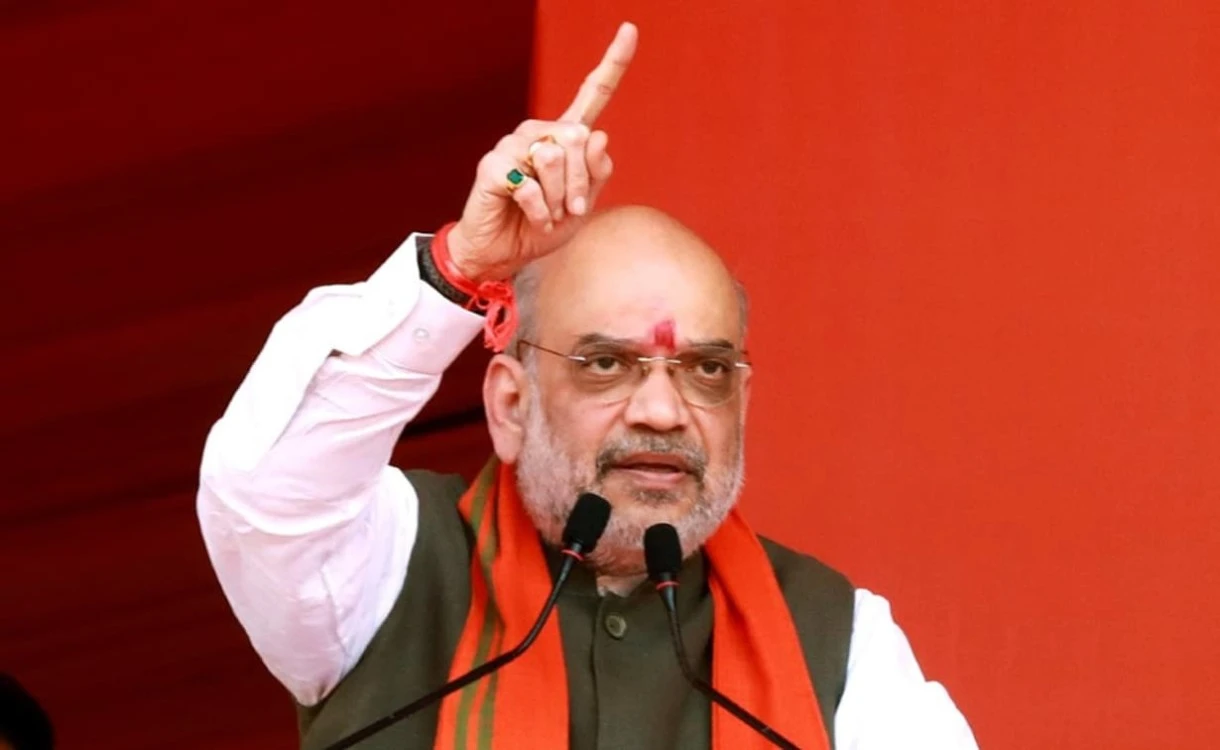
Union Home Minister Amit Shah also raised concerns about the situation in Punjab, referring to the challenges posed by drugs, gangsterism and organised crime.

Questioning the Bhagwant Mann-led government over public safety, Shah called for action against the drug trade, protection for young people and strict measures against criminals.

The Centre’s requests place the three incidents under scrutiny, although the alleged links between the attacks or deaths and opposition to drug-related activities remain subject to the specific circumstances and investigations in each case.

Continue Reading

India News

Mallikarjun Kharge seeks all-party meeting with PM Modi on delimitation

Congress president Mallikarjun Kharge has written to Prime Minister Narendra Modi for the fourth time, seeking an all-party meeting on delimitation. He also flagged the 64-day delay in proroguing Parliament’s Monsoon Session.
Published

on

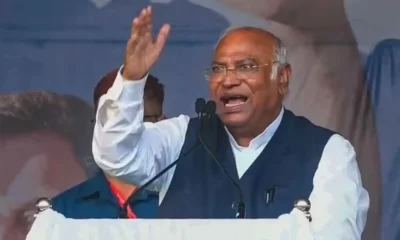
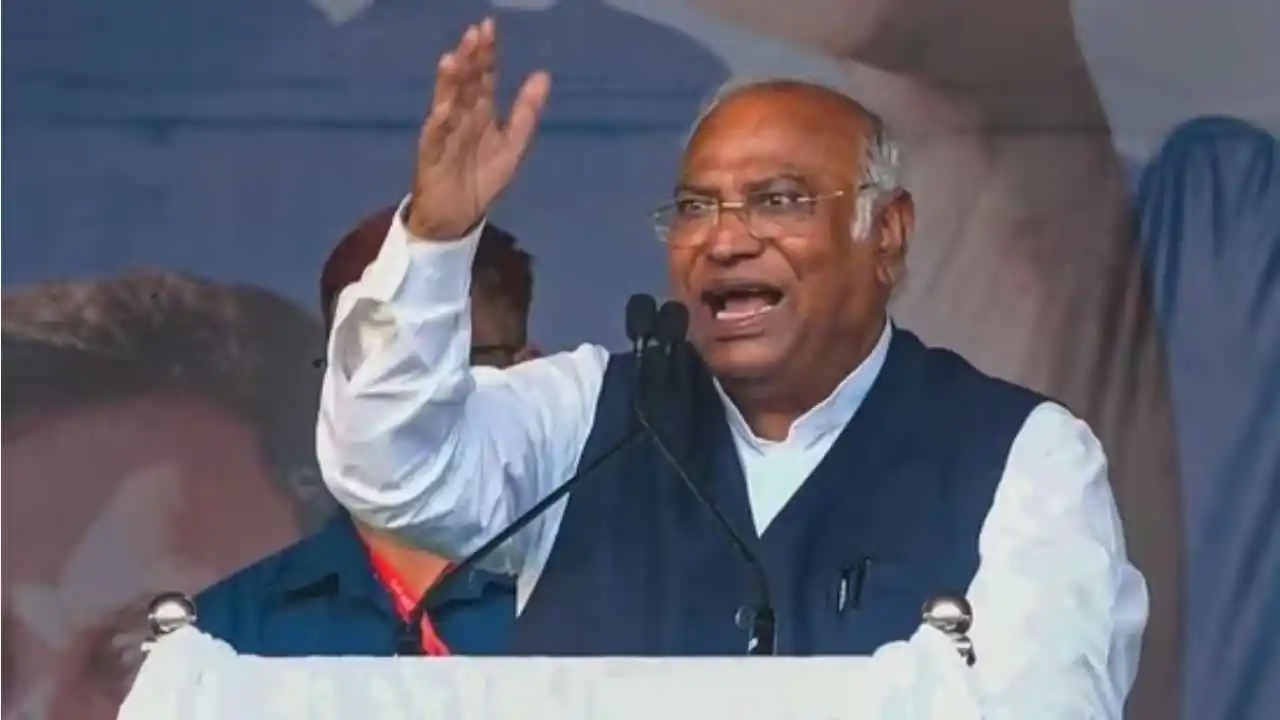
Congress president Mallikarjun Kharge has renewed his demand for an all-party meeting with Prime Minister Narendra Modi to discuss the government’s proposed delimitation exercise, arguing that political parties must have adequate time to examine the proposals before they are finalised for consideration in Parliament.

In a letter to the prime minister on Friday, October 16, Kharge also raised concerns over what he described as an unprecedented delay in formally proroguing Parliament’s Monsoon Session. He said 64 days had passed since the session was adjourned sine die on August 13, while both Houses were yet to be prorogued.

Kharge seeks wider consultations on delimitation

Kharge said he had first written to Modi on April 11, requesting an all-party meeting before the government introduced a constitutional amendment bill concerning delimitation.

According to the Congress president, the government did not convene the requested meeting before making the bills public late on April 14 and calling a special session of Parliament on April 16.

The constitutional amendment bill on delimitation subsequently failed to secure the required two-thirds majority in the Lok Sabha on April 17.

Kharge said he had again written to the prime minister on July 16 and August 27, reiterating his demand for consultations. In his latest letter, he made the request for the fourth time, asking the government to discuss its revised proposals with political parties before finalising them for parliamentary consideration.

The Congress chief stressed that political parties should receive sufficient time to discuss the proposals among themselves and with other stakeholders.

He also cautioned the government against attempting to push through another far-reaching constitutional amendment without adequate deliberation.

Congress raises concern over Parliament session

Apart from delimitation, Kharge highlighted the delay in proroguing the Monsoon Session, which was adjourned sine die on August 13.

He described the 64-day gap as unprecedented and linked the issue to concerns about possible government plans to bring fresh delimitation proposals before Parliament.

Prorogation formally ends a parliamentary session. Kharge’s letter raised the issue while urging the government to ensure wider political consultation before proceeding with any new legislative proposals.

Jairam Ramesh shares Kharge’s letter

Congress general secretary for communications Jairam Ramesh also drew attention to the letter by sharing it on X.

Ramesh said Kharge had written to Modi about the delay in proroguing the Monsoon Session and the possibility of further government moves on delimitation.

The Congress’s latest demand centres on securing time for political parties to examine the government’s proposals before they are finalised for consideration in Parliament.

Continue Reading

India News

Abhijeet Dipke detained ahead of CJP’s national flag march in Delhi

Cockroach Janta Party founder Abhijeet Dipke was detained by Delhi Police on October 16, 2026, shortly before a planned national flag march. The proposed rally followed the judicial custody of two CJP members who had waved the Tricolour at Jantar Mantar.
Published

on

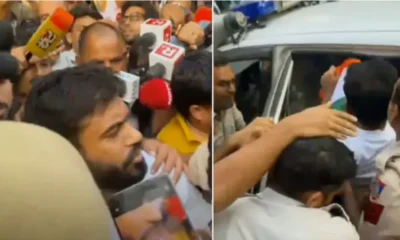
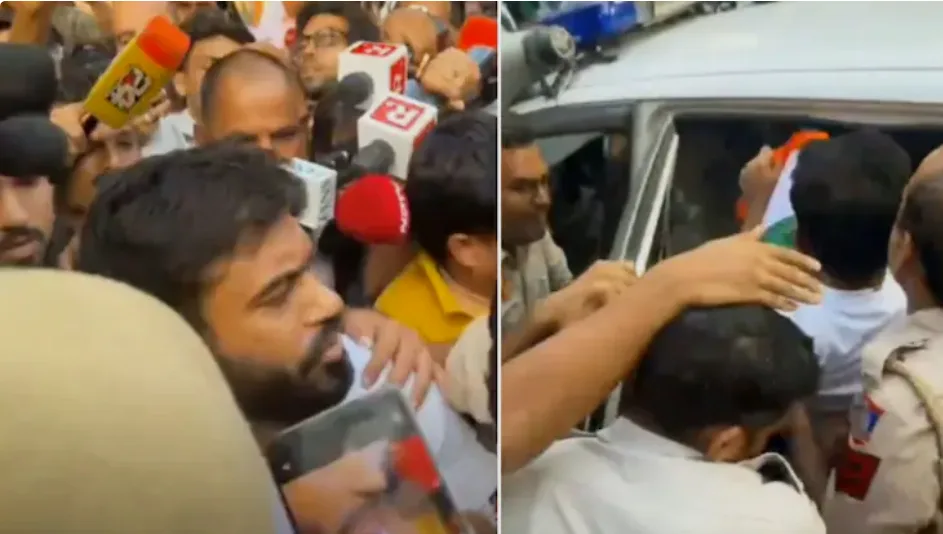
Cockroach Janta Party (CJP) founder Abhijeet Dipke was detained by Delhi Police on Friday, October 16, shortly before he was due to participate in a planned national flag march in the capital.

According to the report, police personnel reached Dipke’s residence and detained him just minutes before the proposed ‘Lehra Do Tiranga’ rally. The march was planned in Delhi amid tensions over restrictions on demonstrations and the detention of CJP members.

The latest detention marks the second time Dipke has been detained within a week. He was previously detained after arriving at Delhi’s airport from Mumbai for a protest against Chief Election Commissioner Gyanesh Kumar over allegations of manipulation during the Special Intensive Revision (SIR) of electoral rolls.

Why was the national flag march planned?

One of the main triggers for the planned march was the judicial custody of two CJP members, Saurav Das and Ashutosh Ranka.

The two were sent to five-day judicial custody after entering Jantar Mantar while waving the national flag on October 13. The incident occurred a day after the historic protest site was denotified as a protest location, according to the report.

The proposed march was called ‘Lehra Do Tiranga’. CJP planned the rally amid its continuing opposition to Chief Election Commissioner Gyanesh Kumar over alleged electoral irregularities.

The allegations concerning voter-list manipulation remain allegations and should not be presented as established findings.

Police had issued a notice before the detention

Before detaining Dipke, Delhi Police personnel visited his residence and served him a notice advising him against holding the proposed march.

The notice was issued under Section 163 of the Bharatiya Nagarik Suraksha Sanhita (BNSS), according to the report. It stated that prohibitory orders were in force in the Connaught Place area.

The notice also cited the absence of permission from the New Delhi Municipal Council (NDMC) for the proposed Tiranga Yatra. It warned that proceeding with the march despite the restrictions would be considered a violation of the law.

The detention came amid heightened attention to the proposed gathering in central Delhi and the dispute over whether the planned march could proceed under the prevailing restrictions.

A second detention in a week

Dipke’s latest detention followed his earlier detention at Delhi airport after he arrived from Mumbai for a planned protest over the SIR exercise and allegations concerning voter-list manipulation.

The latest episode adds to the ongoing confrontation between CJP and the authorities over its proposed demonstrations. The immediate context for the October 16 march was the judicial custody of two party members following their appearance at Jantar Mantar with the national flag.

The report does not establish that the allegations of electoral manipulation are proven, nor does it provide a final judicial determination of the dispute surrounding the planned march.

Continue Reading

Trending

© Copyright 2022 APNLIVE.com