
India News
Amit Shah finally comes to Maya Kodnani’s defence in Naroda Gram riots case

[vc_row][vc_column][vc_column_text]Kodnani, already convicted in the Naroda Patiya riots case, had repeatedly sought Shah’s testimony in her defence to prove that she was with him when the riots broke out
Former minister in the Gujarat government and BJP leader Maya Kodnani finally managed to convince BJP national president Amit Shah to testify in her defence in the Naroda Gram riots case before the Ahmedabad sessions court, on Monday. Shah, who Kodnani claimed to be with when riots broke out in Ahmedabad’s Naroda Gram area on February 28, 2002, had so far evaded appearing in the court as a defence witness.
On September 8, the special court of judge PB Desai had given Kodnani time till September 12 to serve summons to the BJP national president to come before it and depose on her behalf. Shah was later granted time till today (September 18) to record his deposition at the Ahmedabad sessions court.
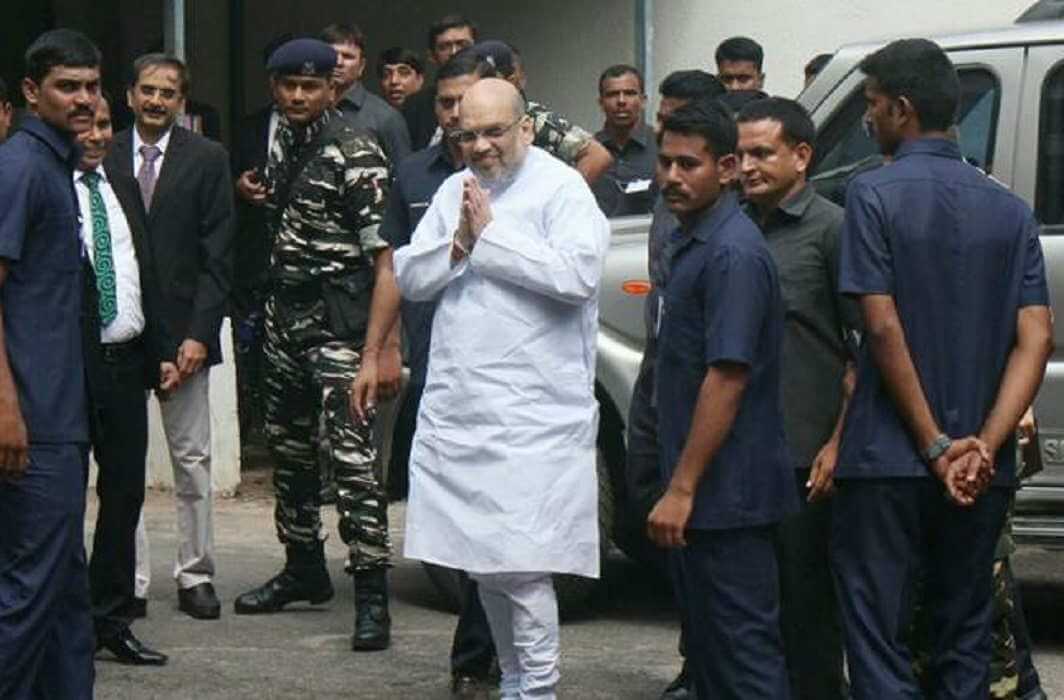
Shah arrived at the court premises around 11 am to record his statement and in what would have come as major relief for Kodnani – who is already convicted of inciting mobs and leading the riots in Naroda Patiya locality during the 2002 post-Godhra pogrom – corroborated her claims.
In his deposition that lasted for about 45 minutes, Shah endorsed Kodnani’s claim that she was with him in the Gujarat assembly when the riots in Naroda Gram broke out and that later the two went to the Sola Civil Hospital (located in Sarkhej assembly constituency which Shah was MLA of in 2002).
Kodnani’s counsel, Amit Patel asked Shah of his whereabouts on February 28, 2002 (the day of the Naroda Gram riots) to which he replied: “I went to the assembly at 8:30 am on that day. The Vidhan Sabha proceedings got over in about half an hour after condolences were given to Godhra victims… After the assembly got over, I received many calls from Sola Civil hospital as it was in my constituency, so I went there (at around 9.30-9.45 am).” Asked if Kodnani was with him at the Gujarat Assembly and then again at the hospital, Shah replied in the affirmative.
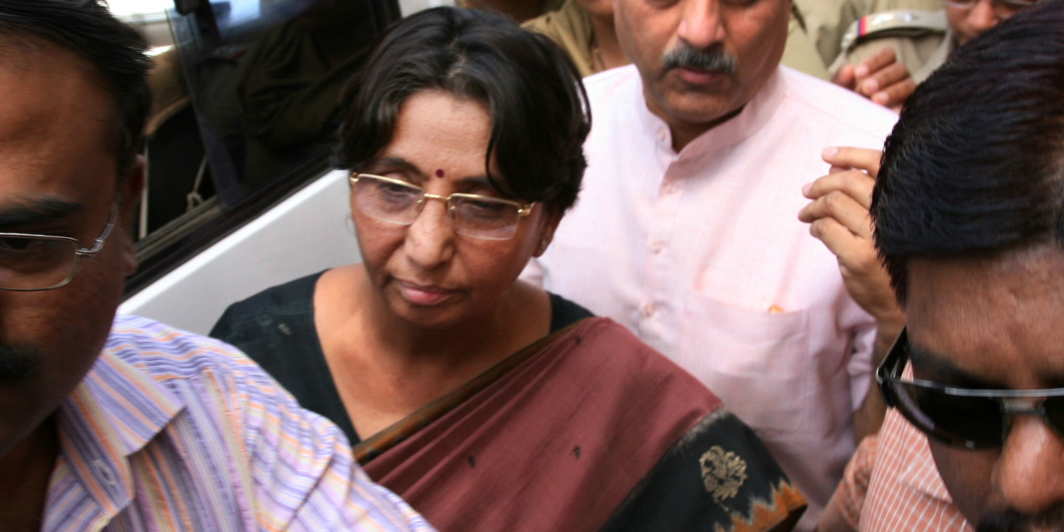
Shah recounted the scenes at the Sola hospital, where bodies of ‘karsevaks’ killed in the Sabarmati train burning incident on February 27, 2002 – which is seen as the trigger for the killing of Muslims that took place over the next three days across Gujarat – were brought from Godhra.He said there was a “lot of commotion and confusion (at the hospital). Relatives of those who died were there and the post-mortem was on.”
“I was not allowed entry into the post-mortem room. I met with family members of the Godhra victims whose post mortem and identification was completed. There were several karyakartas with me, people were angry and were raising slogans when I was coming out of the hospital,” Shah recalled. He told the court further that he “tried to pacify the crowd but they surrounded me… police had to take me and Mayaben (Maya Kodnani) away from the spot in one of their jeeps. This was around 11 – 11:15 am.”
The BJP national president told the court: “Maya Kodnani did not go to Naroda Gam between being at the assembly session and Sola hospital” and that when the cases against them for their alleged roles in the riots began the two “did speak about (Shah) appearing as a witness (for Kodnani) in the Naroda Patiya case but the SIT has not bothered to ask me whether I was with her on February 28, 2002, or not.”
Kodnani has already been convicted (in 2012) and sentenced to 28 years in prison for her active role in instigating the Naroda Patiya riots. She was held as the “kingpin” of the riots. Kodnani and 31 other convicts in the Naroda Patiya riots case have challenged the verdict in the Gujarat High Court which concluded its hearing on August 30 and has reserved the verdict.
While Shah’s deposition in Kodnani’s favour shouldn’t surprise anyone (both were BJP legislators during the riots, were later inducted by then Gujarat chief minister Narendra Modi into his cabinet and were considered very close to Modi then – Shah is still Modi’s closest aide), his acceptance of the court’s summons after having consistently evaded them for years is something that can be seen as politically relevant.

Gujarat goes for Assembly polls in less than three months from now. With Shah finally choosing to defend Kodnani – the most high-profile BJP leader to have been convicted in a riots-related case – it seems that the BJP has signaled that Hindutva would still be an intrinsic part of its election campaign in the state where the saffron party has been in power for over two decades. The ghost of the post-Godhra riots which claimed as per official records the lives of over 800 Muslims (though activists and NGOs peg the figure to over 2000) has haunted Modi ever since but it has failed to keep his political fortunes from being on a constantly upward swing.
Shah’s defence of Kodnani possibly shows that though the state may want to move beyond the horrific memory of the country’s bloodiest riots in recent decades, the political brass – both Congress and BJP – are willing to keep it alive as a poll plank.
The riots have been a polarising factor in Gujarat politics – through the Congress’ bid to encash on it to unite minority votes against the BJP has failed to earn it any dividends. Now, at a time when the incumbent BJP – without Modi as chief minister – is facing a tough challenge in quelling dissent among the Patidars (due to the Patel agitation), Dalits (due to the Una flogging incident) and traders (unhappy over the GST regime), could the memory of post-Godhra riots once again help the BJP romp to power in the state riding on a fear psychosis among both – the Hindu and the Muslim communities?[/vc_column_text][/vc_column][/vc_row]










India News
Journalist files police complaint against Rahul Gandhi over push allegation
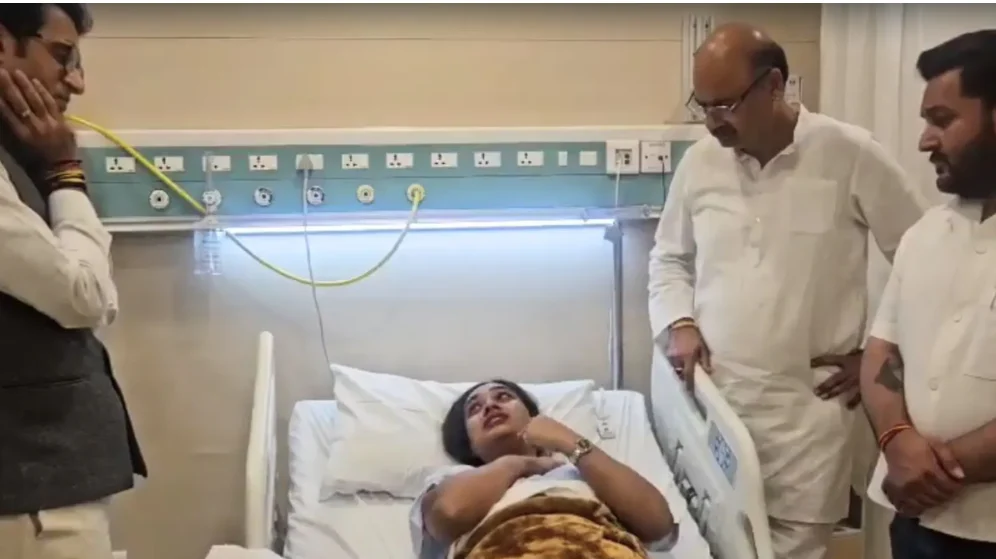
Journalist Richa Parashar has filed a criminal complaint against Rahul Gandhi and others, alleging that she was pushed while covering the Opposition’s march to the Supreme Court. The Congress has denied the allegation.

India News
Delhi court orders release of CJP founder Abhijeet Dipke
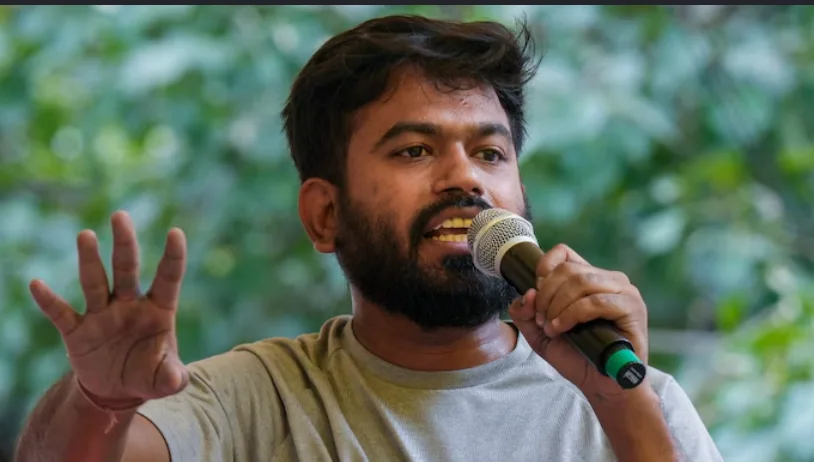
A Delhi court on Saturday ordered the conditional release of Cockroach Janta Party founder Abhijeet Dipke, who was detained and subsequently arrested ahead of a planned protest march at Connaught Place.
India News
Anirudh Ravichander to marry Kavya Maran in November, reception on November 21
Anirudh Ravichander and Kavya Maran are set to marry in November, with their Chennai wedding reception scheduled for November 21.


LK Advani, 98, hospitalised in Delhi with chest infection
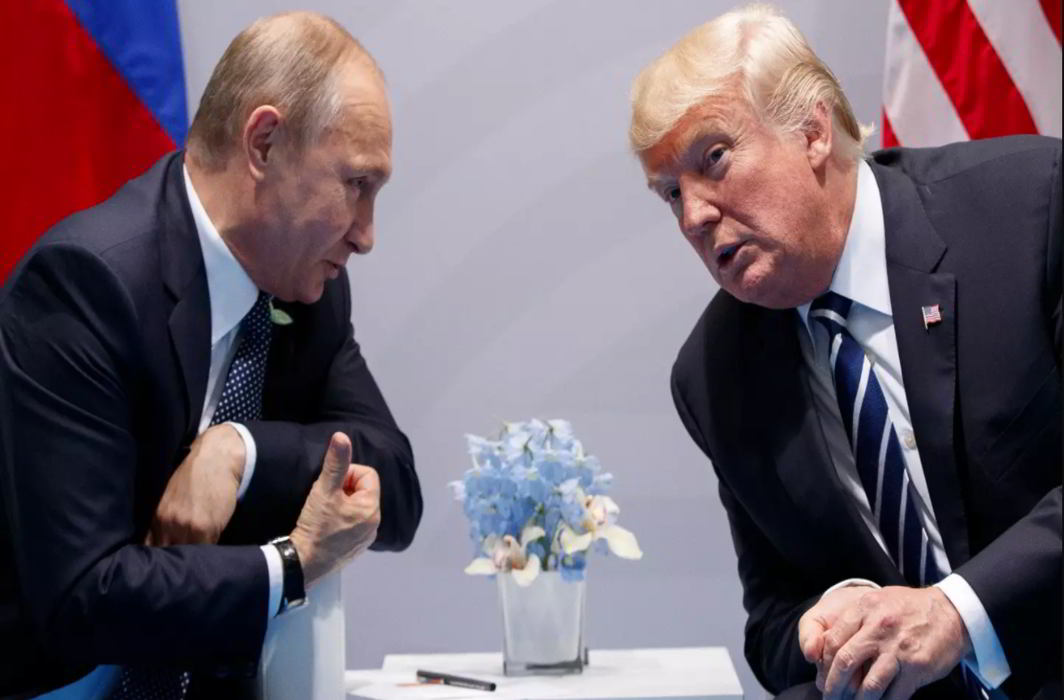
Trump waives Russia-related sanctions, tariffs in relief for India

ED summons Pinarayi Vijayan in money laundering case

Anirudh Ravichander to marry Kavya Maran in November, reception on November 21

Delhi court orders release of CJP founder Abhijeet Dipke

Journalist files police complaint against Rahul Gandhi over push allegation
Delhi court orders release of CJP founder Abhijeet Dipke
Anirudh Ravichander to marry Kavya Maran in November, reception on November 21
ED summons Pinarayi Vijayan in money laundering case
LK Advani, 98, hospitalised in Delhi with chest infection

Afghan Men Try To Hang With The Jet Engine Of The Aircraft in Kabul- Afghanistan News – Kabul News
Trending Top 10 News: 10000 Crore Fine on Flipkart, Apple to Launch Unique Feature, Hdfc Bank Job Ad

Trending Top 10 News: Nokia 6310, Apple sales, Bachpan ka Pyar Video Kid, Dainik Bhaskar IT Raid

Trending Top 10 News: Canada bans Indian flights, Rain in Delhi NCR, AIMIM Twitter hacked, Raj Kundra case

Trending Top 10 News: Shein India, Apple New Service, Pocket Oxygen, Oppo Launched New Phone
-
 India News22 hours ago
LK Advani, 98, hospitalised in Delhi with chest infection
-
Latest world news23 hours ago
Trump waives Russia-related sanctions, tariffs in relief for India
-
 India News21 hours ago
ED summons Pinarayi Vijayan in money laundering case
-
 India News11 hours ago
Anirudh Ravichander to marry Kavya Maran in November, reception on November 21
-
 India News11 hours ago
Delhi court orders release of CJP founder Abhijeet Dipke
-
 India News10 hours ago
Journalist files police complaint against Rahul Gandhi over push allegation
