
Latest world news
Gilgit-Baltistan region Pak-occupied Kashmir erupts in protest against Pakistan government


Above: Massive strike against taxes in Gilgit Baltistan
Simmering discontent over denial of basic rights and lack of development has erupted in massive protests in Gilgit Baltistan against the Pakistan government over new taxes levied on the people of the region.
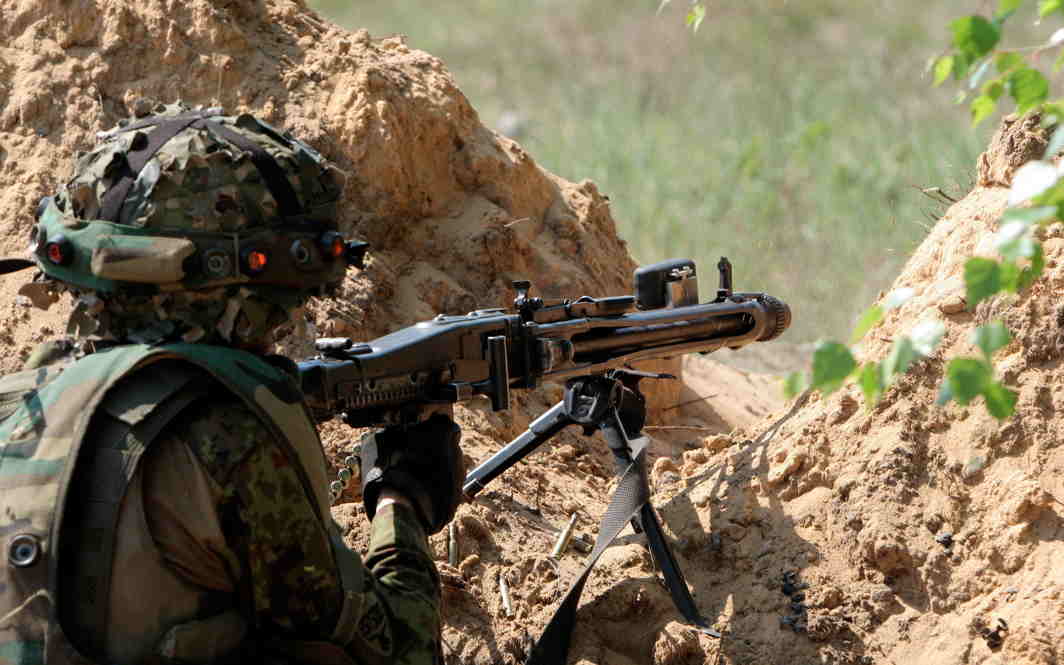
Economic activity has come a standstill, reported the news agency ANI, and traders downed shutters to come out on streets at Skardu in Gilgit-Baltistan region of PoK to stage protests.
The protesters have termed the taxes levied on their businesses as unjust and unfair. They have gone on indefinite strike against the taxation regime. Scores of people are on streets venting out their anger against new tax regime imposed by Islamabad. Traders have refused to pay the taxes.
Islamabad appeared to have been rattled by the scale of protests. There seemed to be a clampdown on media as well, with Pakistani media blacking out the massive protests. Neither Dawn nor Express Tribune had a report about the region.
“I urge people of Gilgit Baltistan living in Karachi, Quetta, Lahore and other parts of Pakistan, be prepared, we are going to take on Islamabad head on,” said a protester addressing a rally, said the ANI report.
“Will you pay taxes to Pakistan on chickens kept in your household? Will you pay taxes on cow kept at your house for milk,” asked an angry protester addressing the rally.
He further said, “Taxes are being imposed on additional family members. More tax has to be paid if you have more than five members in your family.”
“We will not pay taxes,” the protesting traders declared. “We will carry on with the protests with same force and zeal until Pakistan withdraws notification of taxes,” a businessman in Gilgit Baltistan was quoted as saying by ANI.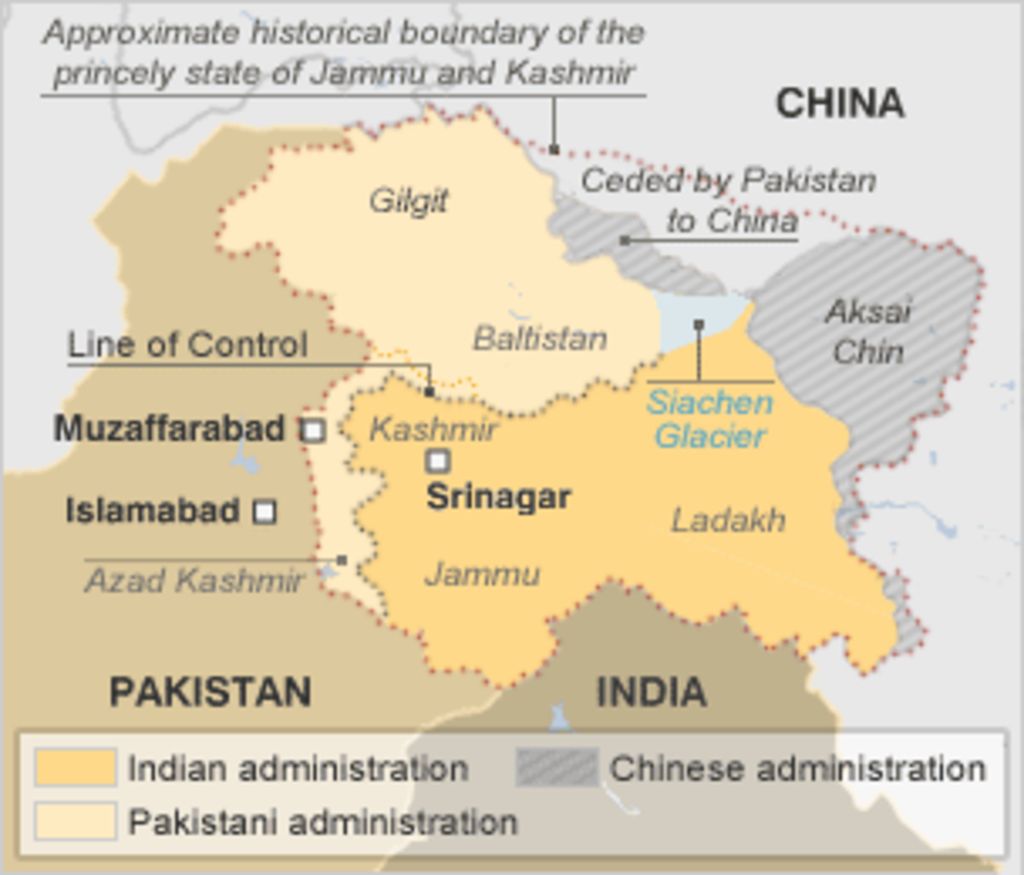
Business community in Gilgit-Baltistan says that as Pakistan’s Supreme Court has declared the region as disputed territory, Islamabad has no right to impose taxes, reported ANI.
“Pakistan government is imposing new taxes illegally through ordinance,” said another local businessman. Taxes collected by the authorities are never spent on the development and welfare of Gilgit Baltistan, the protesters alleged.
Heavy taxes are imposed on traders in Gilgit-Baltistan without providing basic fundamental rights, subsidy or constitutional status to the region.
“There is a principle in Islam, no rights no taxes, we have no representation so why pay taxes,” said a protestor.
Gilgit Baltistan people had earlier held a similar protest last month on October 22 across Pakistan occupied Kashmir (PoK) and the region to mark ‘Black Day’. Massive protests were also reported from Muzaffarabad, Rawalakot, Kotli, Gilgit, and Hajirah, a Zee News report said. The protesters raised anti-Pakistan slogans and also demanded withdrawal of the Pakistan Army from the ‘disputed’ territory.




Latest world news
S Jaishankar says India is a natural option for Russia amid Europe tensions
External Affairs Minister S Jaishankar said India remained a natural option for Russia as Moscow increasingly turned towards Asia amid strained relations with Europe. He highlighted the continuity of India-Russia ties and their significance for the balance of power in Asia.


Latest world news
Putin praises PM Modi, says he has very good ideas on Ukraine war
Russian President Vladimir Putin has praised Prime Minister Narendra Modi for repeatedly raising the need to end the Ukraine war, describing his ideas for a settlement as “very good”.

Latest world news
S Jaishankar calls Pakistan a “serial practitioner of terrorism” at UN
S Jaishankar criticised Pakistan at the UN General Assembly, referring to a “serial practitioner of terrorism” and warning against attempts to normalise terrorism.


Dhruv Rathee gets fresh summons in 2018 BJP IT cell video case

Nobody can browbeat judiciary, Chief Justice warns over Rahul Gandhi’s march

India-US trade deal first phase finalised, drafting underway

Election Commission orders voter roll revision in 17 states, UTs

Actor Imran Khan asked to leave India after CJP protest

Delhi Police offers 11-person limit for CJP’s Connaught Place protest
Actor Imran Khan asked to leave India after CJP protest
Election Commission orders voter roll revision in 17 states, UTs
India-US trade deal first phase finalised, drafting underway
Nobody can browbeat judiciary, Chief Justice warns over Rahul Gandhi’s march

Afghan Men Try To Hang With The Jet Engine Of The Aircraft in Kabul- Afghanistan News – Kabul News
Trending Top 10 News: 10000 Crore Fine on Flipkart, Apple to Launch Unique Feature, Hdfc Bank Job Ad

Trending Top 10 News: Nokia 6310, Apple sales, Bachpan ka Pyar Video Kid, Dainik Bhaskar IT Raid

Trending Top 10 News: Canada bans Indian flights, Rain in Delhi NCR, AIMIM Twitter hacked, Raj Kundra case

Trending Top 10 News: Shein India, Apple New Service, Pocket Oxygen, Oppo Launched New Phone
-
 India News18 hours ago
Dhruv Rathee gets fresh summons in 2018 BJP IT cell video case
-
 India News15 hours ago
Nobody can browbeat judiciary, Chief Justice warns over Rahul Gandhi’s march
-
 India News10 hours ago
India-US trade deal first phase finalised, drafting underway
-
 India News8 hours ago
Election Commission orders voter roll revision in 17 states, UTs
-
 India News7 hours ago
Actor Imran Khan asked to leave India after CJP protest
-
 India News6 hours ago
Delhi Police offers 11-person limit for CJP’s Connaught Place protest
