
Latest world news
Quetta: Eight killed in a suicide attack at Church

[vc_row][vc_column][vc_column_text]Pak observed Peshawar school attack on Saturday
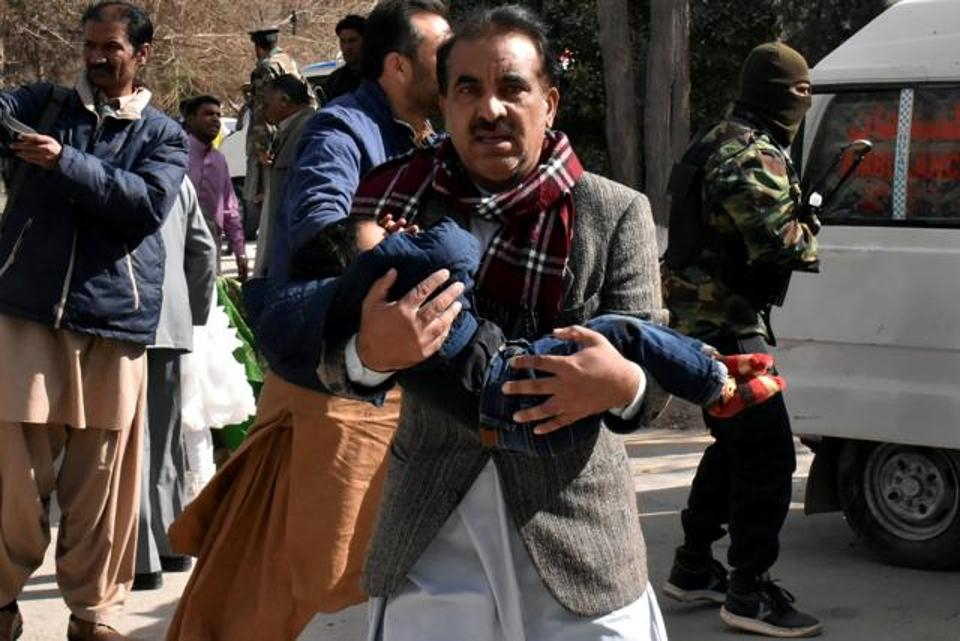
Sunday marked a suicide attack on Christians in Pakistan’s restive city of Quetta. At least eight Church goers were killed and 20 others, including women and children, were injured in a suicide bombing in Baluchistan’s capital.
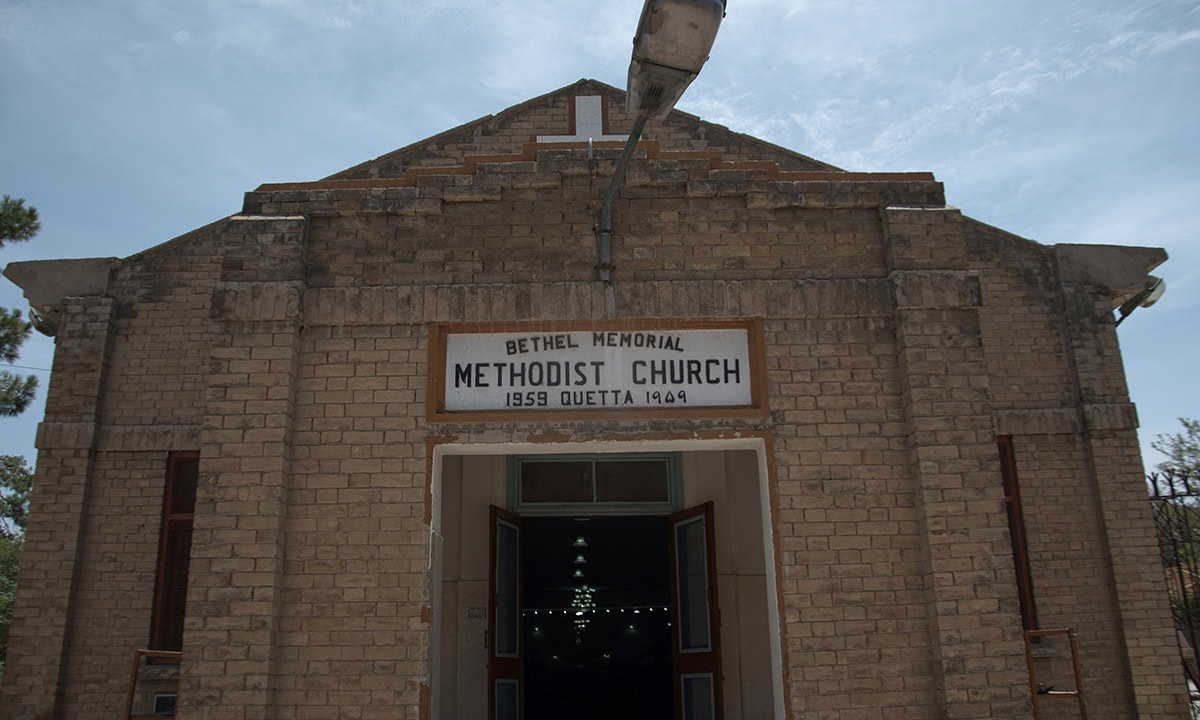
According to Dawn, at least two suicide attackers had struck the Bethel Memorial Church while weekly service was in progress. There were 400 worshipers in the premises at the time of attack. This was stated by Balochistan’s Inspector General of Police (IG) Moazzam Ansari and confirmed by the provincial Home Minister Sarfaraz Bugti.
PTI quoted DIG police Abdul Razzaq Cheema saying that two more attackers were involved but ran away after one of the attackers was gunned down by the police. However, he said that the fleeing militants were chased by police and killed.
All casualties were shifted to a hospital where sources initially said they received four dead bodies and around 20 injured. Four others died while receiving the treatment.
On Saturday, Pakistan observed third anniversary of Peshawar school attack of 2014 which killed at least 150 people, mostly students.
 The police officials have claimed that their alert men reacted in a timely manner and successfully averted a much larger tragedy.
An eyewitness has stated that the attackers had scuffled with security guard when their attempt to enter the main hall undetected failed. Police officials opened fire on the attackers when they shot the guard dead.
One of the attackers detonated his suicide vest at the church’s main gate after receiving bullet injuries while the second was shot dead by the security forces.
The officials believe that death toll could have been much higher if the attackers could manage to breach the church’s doors.
The Bethel Memorial Church, situated in city’s high security zone has been the target of a terrorist attack in the past as well.
No group has taken responsibility for the attack so far but the Taliban militants have targeted minorities including Christians and Shias in the past.[/vc_column_text][/vc_column][/vc_row]









Latest world news
Magnitude 7 earthquake strikes Tibet after floods
A magnitude 7 earthquake struck northern Tibet on Thursday, October 22. The tremor came weeks after deadly flash floods and landslides hit the mountainous region near the Nepal-China border. Initial reports did not confirm casualties or damage from the earthquake.


Latest world news
Macron rejects Trump’s immigration claims over France riots
French President Emmanuel Macron criticised Donald Trump and other foreign leaders over their comments on France’s recent unrest. Macron rejected claims that the country was being overrun by migrants and Islamists, calling such assertions false.

Latest world news
Marco Rubio says India and US share extraordinary alignment on key issues
US Secretary of State Marco Rubio said India and the United States share an extraordinary alignment on core issues, even though disagreements between the two countries may arise.


Punjab strike hits public services as 3 lakh employees and roadways workers protest

Two election commissioners complained against senior poll officer, RTI reveals

Om Prakash Mathur sworn in as Keralam Governor

PM Modi to inaugurate Rs 169-crore RBI data centre in Odisha on October 25

Delhi High Court rejects Neha Bora’s plea against peace bond notice

MEA responds after ITBP chief flags ongoing face-offs with China in Arunachal
Delhi High Court rejects Neha Bora’s plea against peace bond notice
PM Modi to inaugurate Rs 169-crore RBI data centre in Odisha on October 25
Om Prakash Mathur sworn in as Keralam Governor
Two election commissioners complained against senior poll officer, RTI reveals

Afghan Men Try To Hang With The Jet Engine Of The Aircraft in Kabul- Afghanistan News – Kabul News
Trending Top 10 News: 10000 Crore Fine on Flipkart, Apple to Launch Unique Feature, Hdfc Bank Job Ad

Trending Top 10 News: Nokia 6310, Apple sales, Bachpan ka Pyar Video Kid, Dainik Bhaskar IT Raid

Trending Top 10 News: Canada bans Indian flights, Rain in Delhi NCR, AIMIM Twitter hacked, Raj Kundra case

Trending Top 10 News: Shein India, Apple New Service, Pocket Oxygen, Oppo Launched New Phone
-
 India News14 hours ago
Punjab strike hits public services as 3 lakh employees and roadways workers protest
-
 India News14 hours ago
Two election commissioners complained against senior poll officer, RTI reveals
-
 India News3 hours ago
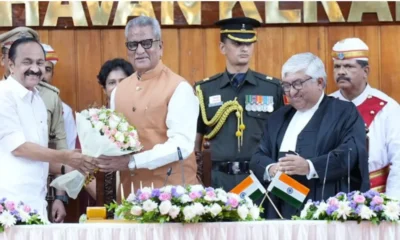
Om Prakash Mathur sworn in as Keralam Governor
-
 India News3 hours ago
PM Modi to inaugurate Rs 169-crore RBI data centre in Odisha on October 25
-
 India News2 hours ago
Delhi High Court rejects Neha Bora’s plea against peace bond notice
-
 India News1 hour ago
MEA responds after ITBP chief flags ongoing face-offs with China in Arunachal
