
Latest Politics News
Why is Bhilpradesh trending? Everything you need to know about Bhils and their demand for separate state
With a total population of 1.7 crore, Bhil was the largest tribal community in India in 2013.


Bhil of Bheel, a tribal community in western parts of India, is now once again raising their demand for a separate state called Bhil Pradesh. The demand for a separate state for Bhils is not new as they have been demanded several times.
With more than 25000 tweets, the hashtag Separate_State_Bhilpradesh has been trending on Twitter since morning.
Over the last few years, the Bhils have been demanding for a separate state for them by carving out some districts from Gujarat, Rajasthan, Maharashtra and Madhya Pradesh.

Who are Bhils?
The word Bhil is derived from Veel which means bow in the Dravidian language. Due to their Dhanush learning skill, they have been tagged as Dhanush Purush of India.
Bhils majorly survives on agriculture and animal husbandry along with poultry and labour work. They are mainly spread in Rajasthan, Gujarat, Madhya Pradesh, Chhattisgarh, Maharashtra, and Tripura.
Read Also: Delhi woman commits suicide after being forced to abortion 14 times
With a total population of 1.7 crore, Bhil was the largest tribal community in India in 2013.
Why Bhils are demanding a separate state?
The demand for creating a separate Bhil state in India is mainly arising from the tribal belt of Rajasthan, Madhya Pradesh and Gujarat as they have been demanding to bring back their people to their original place with full dignity. They are also demanding their first right on natural resources.
Bhils are demanding the creation of Bhil Pradesh as the community claimed that they have not benefited from the centre and state governments schemes because the people of their community have scattered to several other regions. Thus, they want to unite their community to their original place and also claim their first right over natural resources.
In 1913, Govind Guru, a Bhil social reformer and spiritual leader first raised the demand for a separate state after the massacre of Mangarh, in which, the British forces had brutally killed hundreds of Bhils. It took place in the hills of Mangarh (border of Rajasthan and Gujarat) and is also called Adivasi Jallianwala.
Formed in 2017, the Bharatiya Tribal Party (BTP), is a political party that envisions Bhil Pradesh as a separate state carved out of 39 districts out of 4 states. The districts include Gujarat (16), Rajasthan (10), Madhya Pradesh (7), and Maharashtra (6).
Ivana Trump, first wife of former president Donald Trump, dies at 73

India News
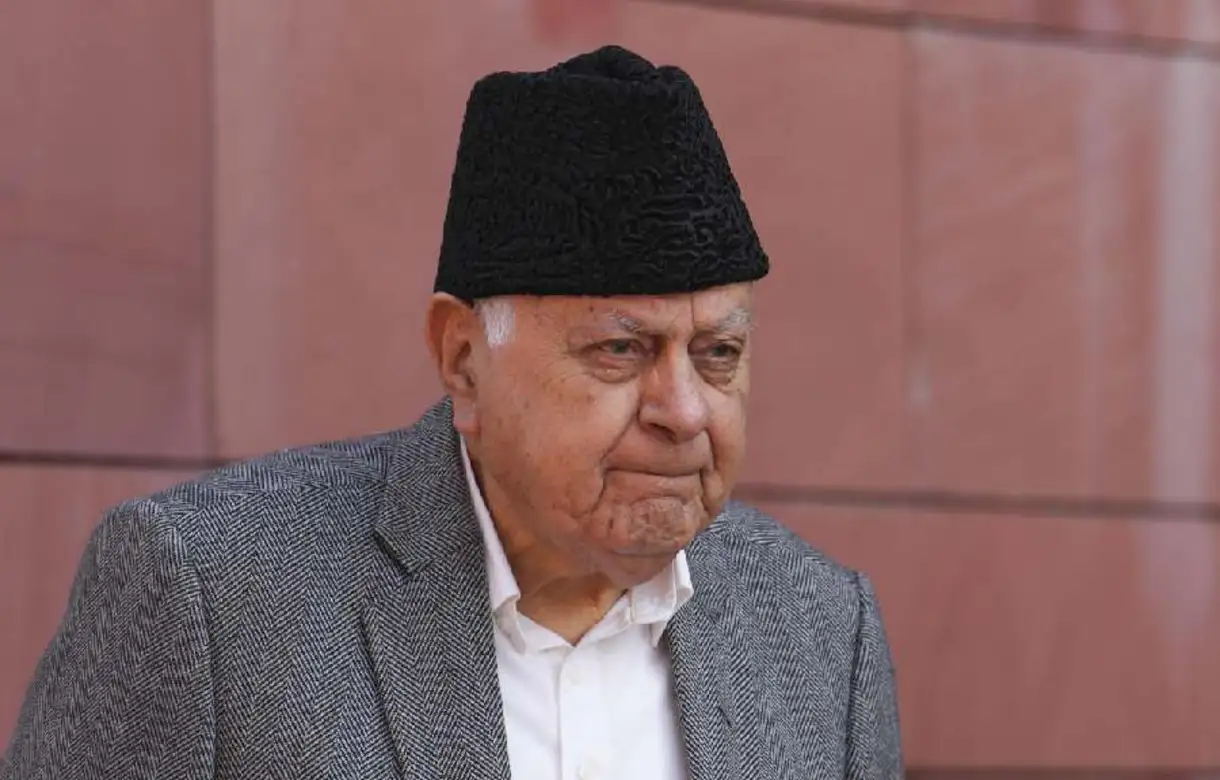
Farooq Abdullah’s Pakistan remarks spark row, BJP demands action
Farooq Abdullah’s remarks about Pakistan’s role in raising the Kashmir issue internationally triggered a political controversy, with BJP leaders accusing him of echoing Pakistan’s narrative and demanding action.

India News
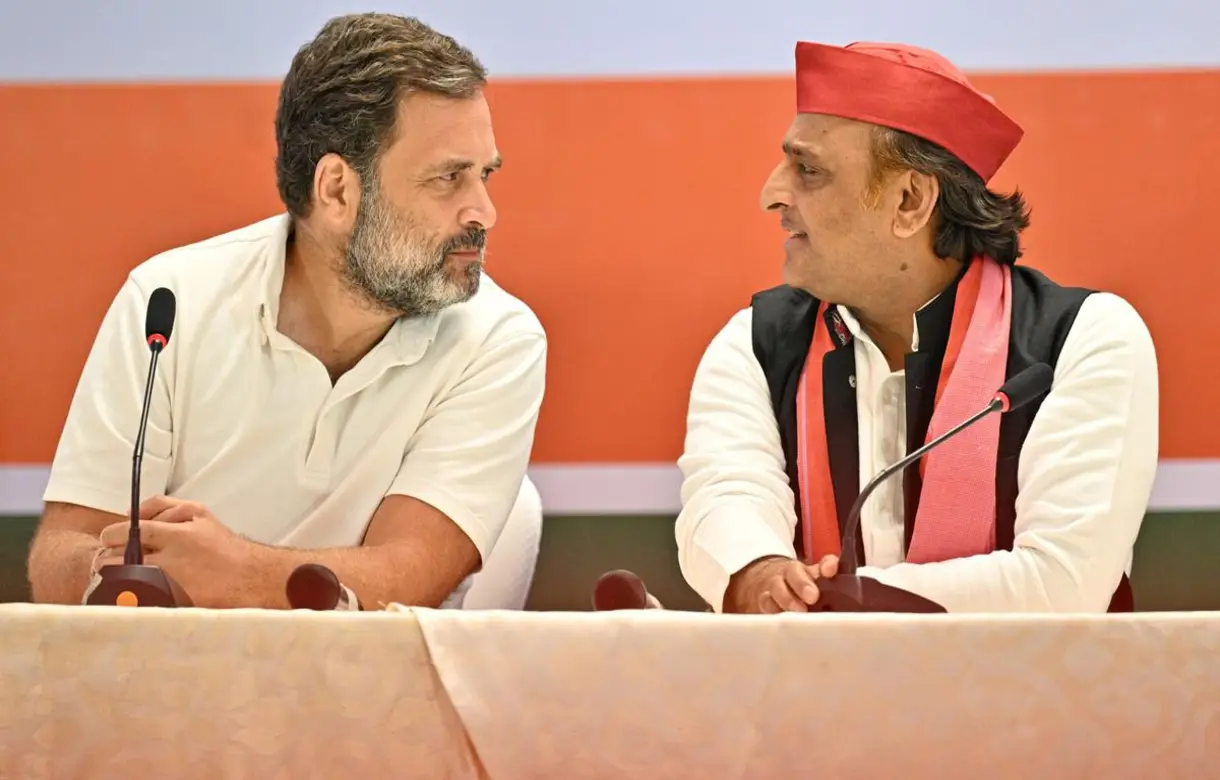
Congress seeks 175-200 seats in UP, Samajwadi Party stresses on winnability
Congress has initiated seat-sharing talks with the Samajwadi Party for the 2027 UP Assembly elections, seeking to contest 175–200 seats. The SP has emphasised winnability as the key criterion for allocating constituencies.
India News
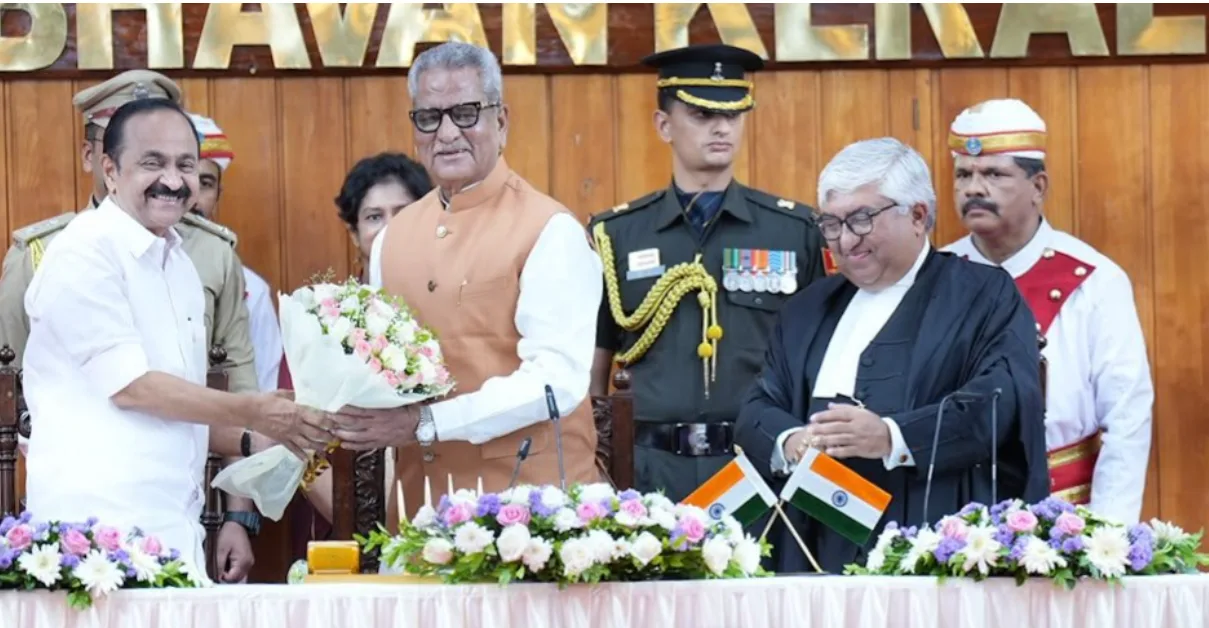
Om Prakash Mathur sworn in as Keralam Governor
Om Prakash Mathur was sworn in as Keralam Governor on Friday. Kerala High Court Chief Justice Soumen Sen administered the oath at Lok Bhavan in Thiruvananthapuram.

Congress seeks 175-200 seats in UP, Samajwadi Party stresses on winnability

Thousands bang utensils, beat drums in Manipur protest over continued killings

Jamia Millia Islamia shifts classes online after student-guard clash

Farooq Abdullah’s Pakistan remarks spark row, BJP demands action

Delhi’s winter pollution persists despite emergency curbs under GRAP
Delhi’s winter pollution persists despite emergency curbs under GRAP
Farooq Abdullah’s Pakistan remarks spark row, BJP demands action
Jamia Millia Islamia shifts classes online after student-guard clash
Congress seeks 175-200 seats in UP, Samajwadi Party stresses on winnability
Thousands bang utensils, beat drums in Manipur protest over continued killings

Afghan Men Try To Hang With The Jet Engine Of The Aircraft in Kabul- Afghanistan News – Kabul News
Trending Top 10 News: 10000 Crore Fine on Flipkart, Apple to Launch Unique Feature, Hdfc Bank Job Ad

Trending Top 10 News: Nokia 6310, Apple sales, Bachpan ka Pyar Video Kid, Dainik Bhaskar IT Raid

Trending Top 10 News: Canada bans Indian flights, Rain in Delhi NCR, AIMIM Twitter hacked, Raj Kundra case

Trending Top 10 News: Shein India, Apple New Service, Pocket Oxygen, Oppo Launched New Phone
-
 India News13 hours ago
Congress seeks 175-200 seats in UP, Samajwadi Party stresses on winnability
-
 India News14 hours ago
Thousands bang utensils, beat drums in Manipur protest over continued killings
-
 India News5 hours ago
Jamia Millia Islamia shifts classes online after student-guard clash
-
 India News4 hours ago
Farooq Abdullah’s Pakistan remarks spark row, BJP demands action
-
 India News4 hours ago
Delhi’s winter pollution persists despite emergency curbs under GRAP
