
Latest world news
Pakistan: India wasted opportunity of normalising ties


India desires peaceful, friendly and cooperative ties with Pak, says MEA
Sandwiched between the ongoing pressure from US and India, Pakistan has alleged New Delhi that it has not only wasted the opportunity for normalisation of ties with Islamabad but was also “restricting space for peace lobby through its aggressive and anti-Pakistan rhetoric”.
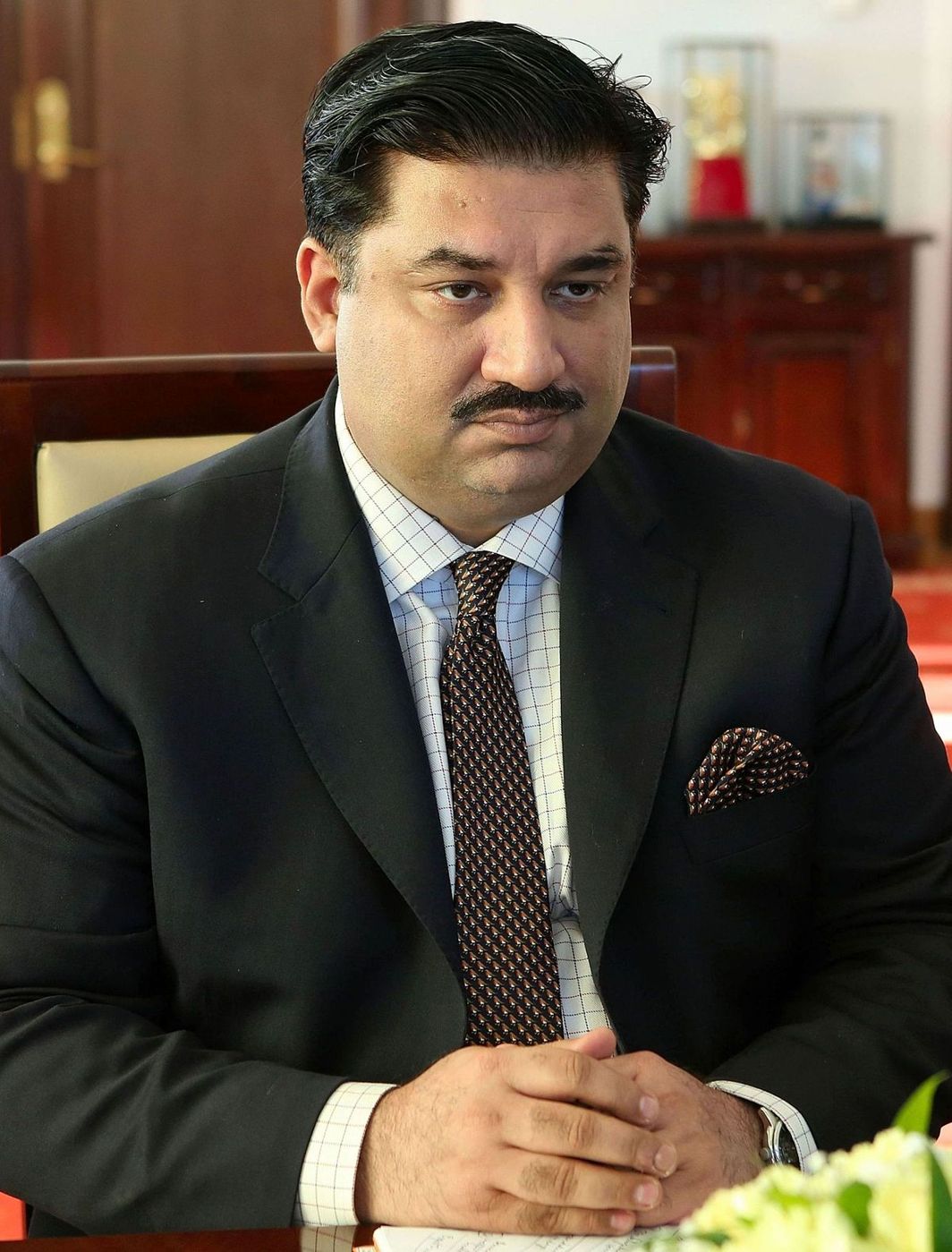 According to report published by Dawn on Thursday, Pakistan’s Defence Minister Khurram Dastgir Khan, while making a policy statement in the Senate on Wednesday said, “The unremittingly hostile, anti-Pakistan stance by the current Indian government has drastically reduced the space for any advocacy of peace.”
Dastgir’s statement came after a couple of days of Defence Minister Nirmala Sitharaman’s warning that Pakistan will have to pay for the militant attack on a military camp in Sunjuwan in Jammu. She alleged that the attack was carried out by Hafiz Saeed linked Jaish-e-Mohammad and perpetrators were assisted by Pakistan.
In his quick response on Tuesday, Pakistan’s Defence Minister said “Pakistan will pay [back] India in its own coin in case of any misadventure”. He further said, “Instead of the knee-jerk reaction of blaming Pakistan without substantiation, India must answer for state-sponsored espionage against Pakistan. Living evidence in person of Kulbhushan Jadhav in front of the world”, he added.
During his Wednesday address to the Senate, Khurram Dastgeer Khan said that although strains in Pakistan-India ties and New Delhi’s hostile posture towards Islamabad aren’t new, anti-Pakistan bashing “touched new levels under the present Modi government and became increasingly vitriolic” over the years. He alleged that the Indian government used the rhetoric to appease its hard-line constituents at home and internationally keep the pressure on the neighbour.
“The escalation in Indian bombings on the Line of Control has been matched with escalation in anti-Pakistan rhetoric, which often descends into baiting and bashing,” Dastgeer recalled.
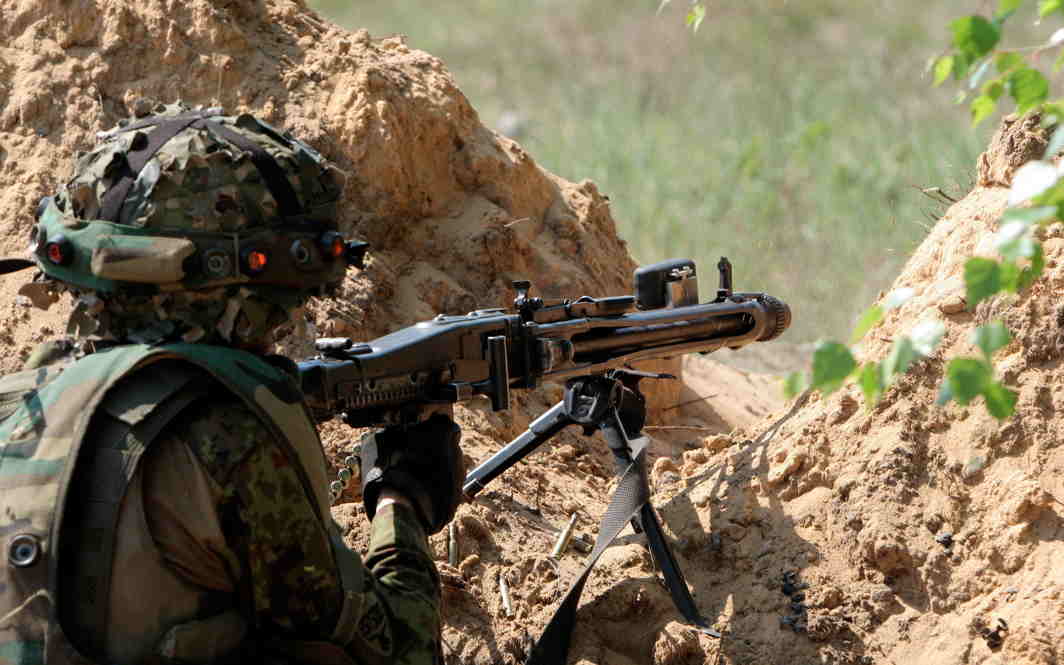
He alleged that Pakistan bashing in Indian leaders statements was, meanwhile, accompanied by escalation in ceasefire violations along the Line of Control (LoC) and the Working Boundary.
He alleged about the growing ceasefire violations from Indian side. He said that last year marked the highest number of violations: 1881, resulting in the killing of 87 civilians and soldiers. Continuing the pattern this year there have been more than 200 violations in the first six weeks of 2018, killing around 14 people, he added.
Speaking his mind towards India, Khurram Dastgir Khan said “Pakistan’s perception of threat from India is not reflex; it is based upon a thorough assessment of Indian capacity to threaten Pakistan’s military from an unprecedented forward position,” he maintained and reminded that “the threat is calculated on capacity, not intent”.
The official policy statement on relations with Pakistan documented on India’s Ministry of External affairs website begins with, “India desires peaceful, friendly and cooperative relations with Pakistan, which require an environment free from violence and terrorism”.






Latest world news
Magnitude 7 earthquake strikes Russia’s Kamchatka Peninsula
A magnitude 7 earthquake struck Russia’s Kamchatka Peninsula region on Friday. The initial report placed the earthquake at a depth of 140 kilometres.


Latest world news
S Jaishankar says India is a natural option for Russia amid Europe tensions
External Affairs Minister S Jaishankar said India remained a natural option for Russia as Moscow increasingly turned towards Asia amid strained relations with Europe. He highlighted the continuity of India-Russia ties and their significance for the balance of power in Asia.

Latest world news
Putin praises PM Modi, says he has very good ideas on Ukraine war
Russian President Vladimir Putin has praised Prime Minister Narendra Modi for repeatedly raising the need to end the Ukraine war, describing his ideas for a settlement as “very good”.


Election Commission orders voter roll revision in 17 states, UTs

Actor Imran Khan asked to leave India after CJP protest

Delhi Police offers 11-person limit for CJP’s Connaught Place protest

Mallikarjun Kharge’s ‘Your Friends’ jab at Rahul Gandhi over congress exits

Delhi deploys 25,000 personnel, installs CCTV cameras ahead of CJP march

Magnitude 7 earthquake strikes Russia’s Kamchatka Peninsula
Delhi deploys 25,000 personnel, installs CCTV cameras ahead of CJP march
Mallikarjun Kharge’s ‘Your Friends’ jab at Rahul Gandhi over congress exits
Delhi Police offers 11-person limit for CJP’s Connaught Place protest
Actor Imran Khan asked to leave India after CJP protest

Afghan Men Try To Hang With The Jet Engine Of The Aircraft in Kabul- Afghanistan News – Kabul News
Trending Top 10 News: 10000 Crore Fine on Flipkart, Apple to Launch Unique Feature, Hdfc Bank Job Ad

Trending Top 10 News: Nokia 6310, Apple sales, Bachpan ka Pyar Video Kid, Dainik Bhaskar IT Raid

Trending Top 10 News: Canada bans Indian flights, Rain in Delhi NCR, AIMIM Twitter hacked, Raj Kundra case

Trending Top 10 News: Shein India, Apple New Service, Pocket Oxygen, Oppo Launched New Phone
-
 India News22 hours ago
Election Commission orders voter roll revision in 17 states, UTs
-
 India News22 hours ago
Actor Imran Khan asked to leave India after CJP protest
-
 India News21 hours ago
Delhi Police offers 11-person limit for CJP’s Connaught Place protest
-
 India News9 hours ago
Mallikarjun Kharge’s ‘Your Friends’ jab at Rahul Gandhi over congress exits
-
 India News9 hours ago
Delhi deploys 25,000 personnel, installs CCTV cameras ahead of CJP march
-
 Latest world news9 hours ago
Magnitude 7 earthquake strikes Russia’s Kamchatka Peninsula
