
India News
Sushma Swaraj confirm killing of 39 Indian labourers in Iraq


Minister of External Affairs Sushma Swaraj has confirmed the killing of 39 Indian labourers, mostly from Punjab, at the hands of Daesh (IS) who were stranded in Mosul (Iraq) since 2014.
Giving a statement in Rajya Sabha on Tuesday, Swaraj said that the bodies of the deceased were exhumed and DNA samples sent for forensic test. The relatives of the 39 Indians were made to undergo DNA test last year. The Iraqi authorities have confirmed the identity of the dead bodies. They were kidnapped by ISIS in Mosul in 2014.
Among the dead, 31 belong to Punjab, 4 to Himachal Pradesh while the remaining four belong to Bihar and West Bengal. Government will send a special aircraft for bringing the dead bodies with proper documentation along with their identities.
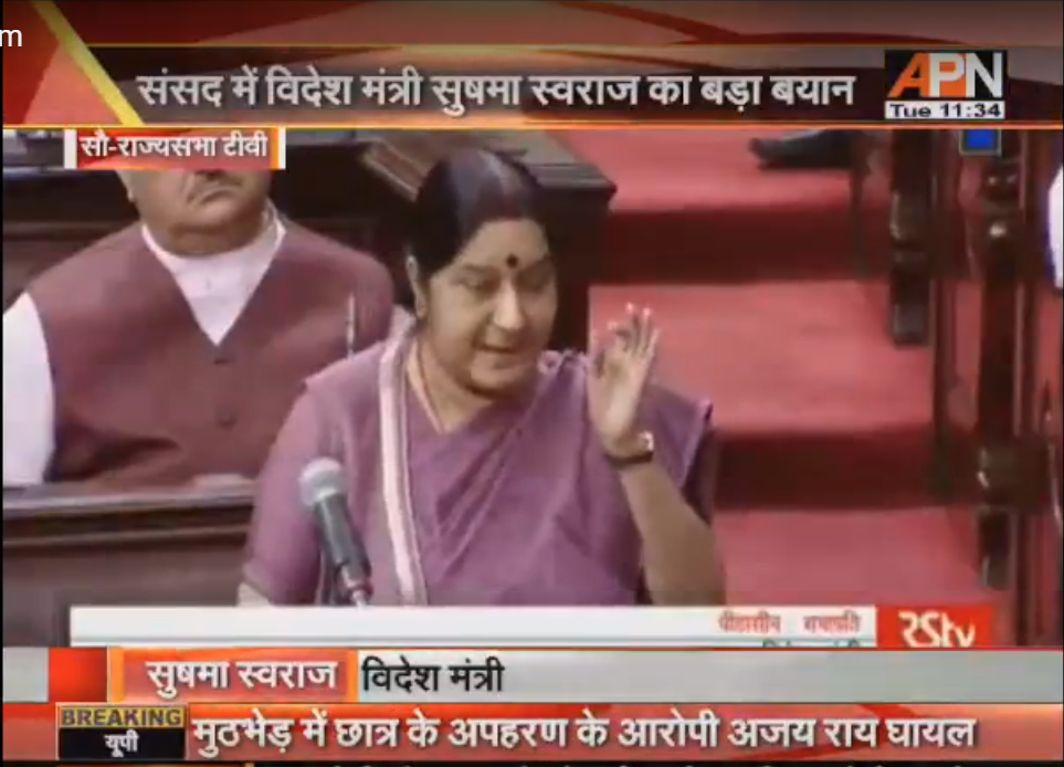 Until October last year, both India and Iraq could not confirm the deaths of the 39 abducted Indian labourers. Sushma Swaraj had been reiterating that she cannot declare the abducted people dead until confirmation from the concerned authorities in Iraq. She said, “It is a sin to declare a person dead without concrete evidence. I will not do this sin.”
Read More: Won’t commit sin by declaring missing Indians in Iraq dead without evidence: Sushma Swaraj
Iraq’s foreign minister Ibrahim al-Jafri, while visiting India in July last year said, The Iraq government does not have any confirmed information regarding the 39 Indians lost in Iraq. Even, we do not have any information regarding the mortgaged Indian workers. There is no information that whether they are dead or alive.”
Read More: Iraqi Government Has No Clue of 39 Missing Indians
Earlier Congress leader Kapil Sibal said that foreign minister Sushma Swaraj has given wrong information. Former foreign minister Shashi Tharoor had also questioned, “Why is the government trying to misguide the nation? Why did Sushma Swaraj give false information regarding the lost Indians? Since last 2 years, the government is saying that they are kept in the jail of Iraq. This is all false information.”
Read More: India intensifies search for 39 missing Indians in Iraq through DNA samples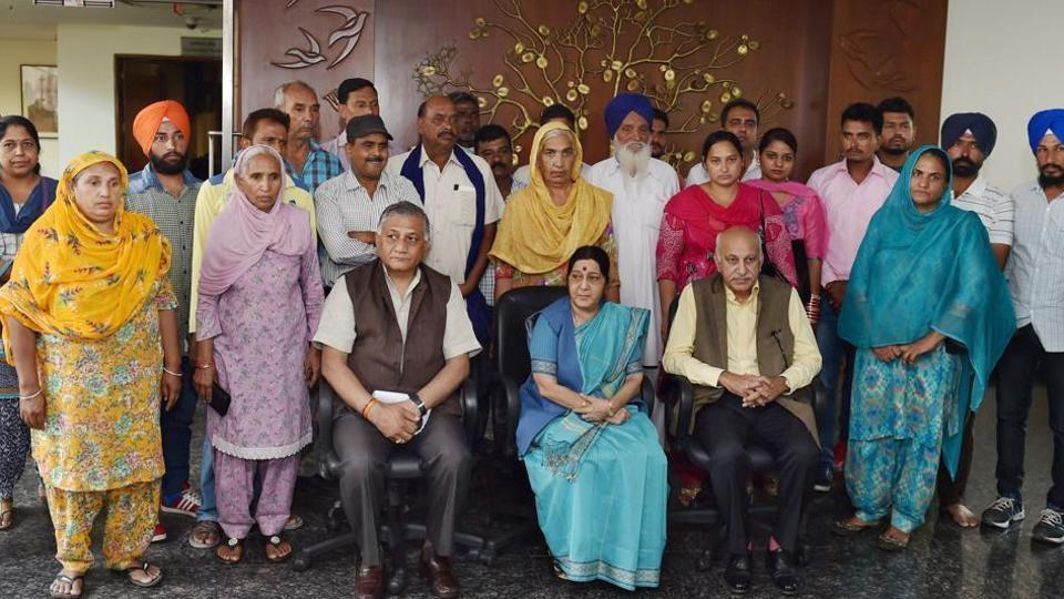
Mosul was captured by Daesh (IS) terrorists in June 2014 defeating Iraqi Army. Around the same time there were unconfirmed reports of killing of 39 Indian construction labourers. But due to lack of accessibility to the captured areas, Iraqi government could not confirm or deny the reports. The city was recaptured by Iraqi forces after a year-long operation in July 2017.
Iraq, Syria, Iran and Russia have been alleging that Daesh terrorists were financed and supported by Israel, US and their regional allies. Huge devastations and mass killings were caused by the terror group in Iraq And Syria since 2011. Iranian military advisors, Hezbollah fighters, Mobilization forces and Iraqi army have jointly defeated Daesh (IS) terrorists and most of the territories were re-captured.
In December last year, Iraqi PM Haider al-Abadi had announced that the fight against Daesh (IS) was ended after three years of combat operations droving the extremists from all the territory they once held.










India News
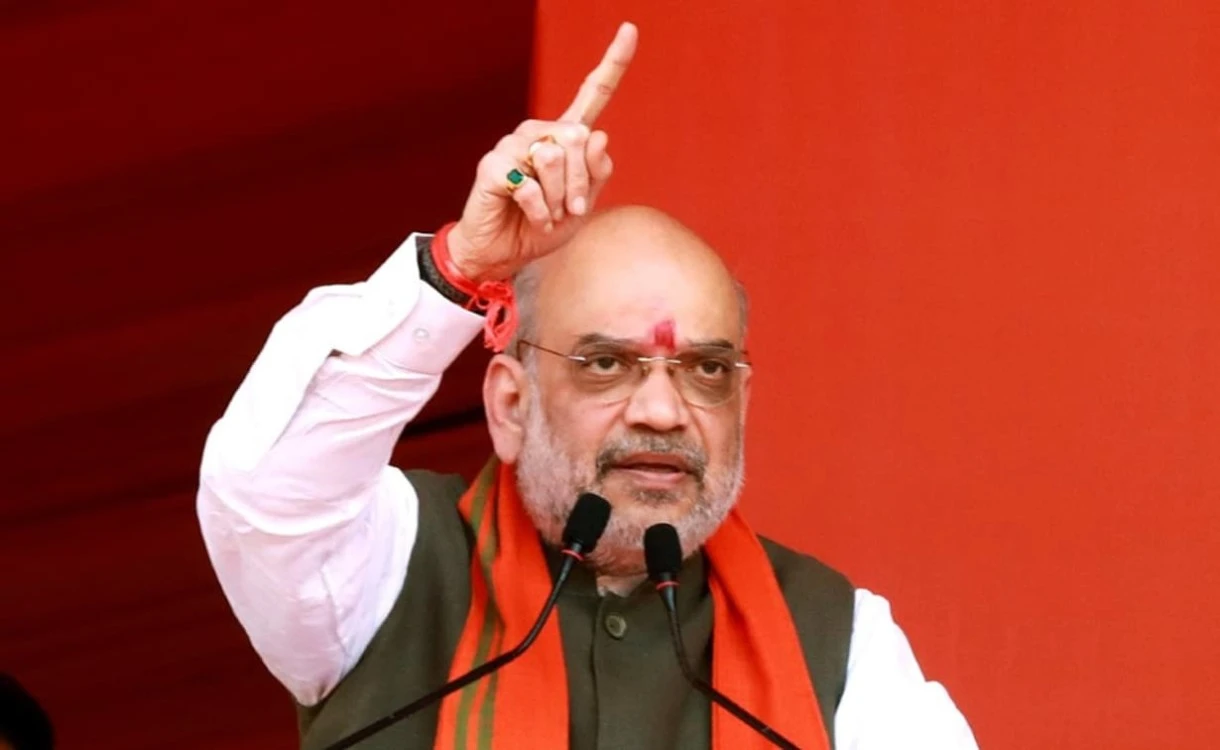
Centre sends 3 letters to Punjab government after anti-drug activist’s killing
The Centre has sought reports from the Punjab government on three incidents linked to allegations surrounding drug-related activities, including the killing of anti-drug activist Parvinder Singh Jhota.

India News
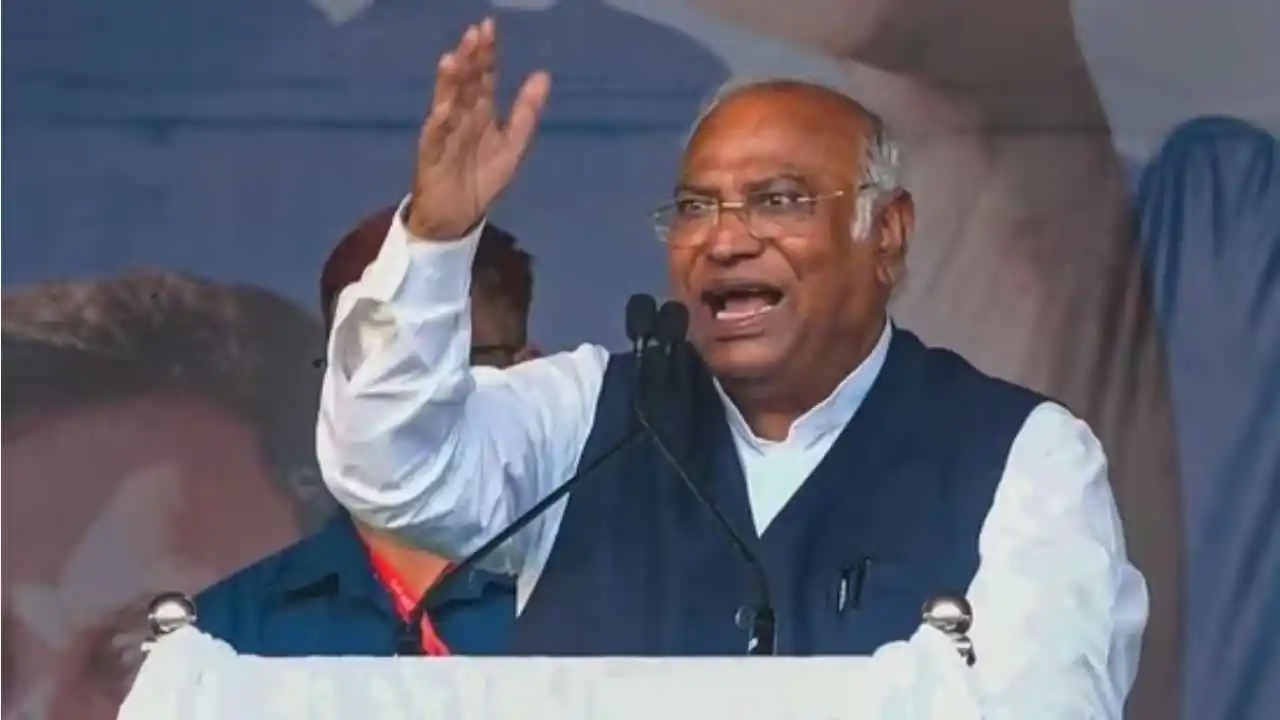
Mallikarjun Kharge seeks all-party meeting with PM Modi on delimitation
Congress president Mallikarjun Kharge has written to Prime Minister Narendra Modi for the fourth time, seeking an all-party meeting on delimitation. He also flagged the 64-day delay in proroguing Parliament’s Monsoon Session.
India News
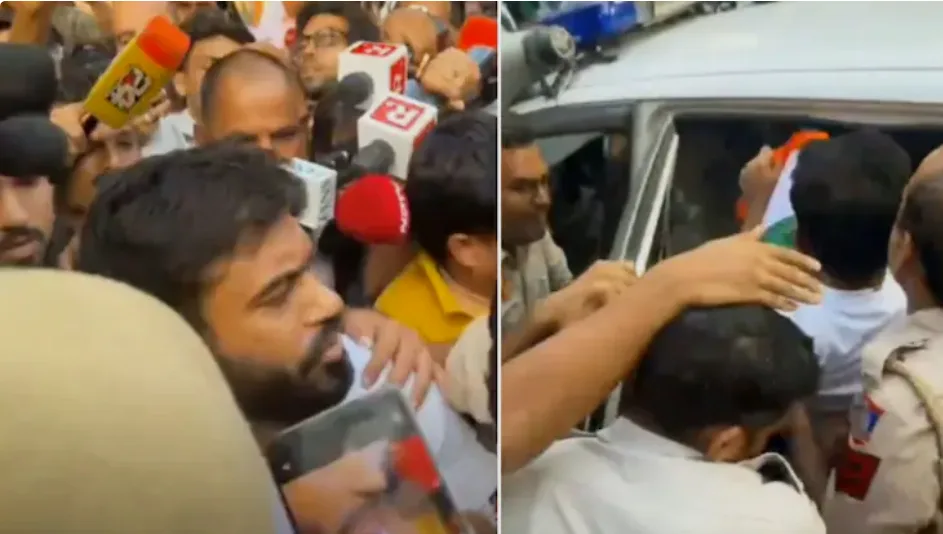
Abhijeet Dipke detained ahead of CJP’s national flag march in Delhi
Cockroach Janta Party founder Abhijeet Dipke was detained by Delhi Police on October 16, 2026, shortly before a planned national flag march. The proposed rally followed the judicial custody of two CJP members who had waved the Tricolour at Jantar Mantar.

Mallikarjun Kharge’s ‘Your Friends’ jab at Rahul Gandhi over congress exits

Magnitude 7 earthquake strikes Russia’s Kamchatka Peninsula

Delhi deploys 25,000 personnel, installs CCTV cameras ahead of CJP march

Abhijeet Dipke detained ahead of CJP’s national flag march in Delhi

Mallikarjun Kharge seeks all-party meeting with PM Modi on delimitation

Centre sends 3 letters to Punjab government after anti-drug activist’s killing
Mallikarjun Kharge seeks all-party meeting with PM Modi on delimitation
Abhijeet Dipke detained ahead of CJP’s national flag march in Delhi
Magnitude 7 earthquake strikes Russia’s Kamchatka Peninsula
Delhi deploys 25,000 personnel, installs CCTV cameras ahead of CJP march

Afghan Men Try To Hang With The Jet Engine Of The Aircraft in Kabul- Afghanistan News – Kabul News
Trending Top 10 News: 10000 Crore Fine on Flipkart, Apple to Launch Unique Feature, Hdfc Bank Job Ad

Trending Top 10 News: Nokia 6310, Apple sales, Bachpan ka Pyar Video Kid, Dainik Bhaskar IT Raid

Trending Top 10 News: Canada bans Indian flights, Rain in Delhi NCR, AIMIM Twitter hacked, Raj Kundra case

Trending Top 10 News: Shein India, Apple New Service, Pocket Oxygen, Oppo Launched New Phone
-
 India News14 hours ago
Mallikarjun Kharge’s ‘Your Friends’ jab at Rahul Gandhi over congress exits
-
 Latest world news14 hours ago
Magnitude 7 earthquake strikes Russia’s Kamchatka Peninsula
-
 India News14 hours ago
Delhi deploys 25,000 personnel, installs CCTV cameras ahead of CJP march
-
 India News5 hours ago
Abhijeet Dipke detained ahead of CJP’s national flag march in Delhi
-
 India News3 hours ago
Mallikarjun Kharge seeks all-party meeting with PM Modi on delimitation
-
 India News2 hours ago
Centre sends 3 letters to Punjab government after anti-drug activist’s killing
