Festivals
Chhath Puja: Four days of devotion and festivity for Biharis across the world
The uniqueness of this festival is that it unites the whole family who travel back from across the globe just to celebrate Chhath Puja with their dear ones.


Diwali is done and dusted. While the rest of India bids adieu to the festive season, it’s the beginning of the most-anticipated festival for Bihar, Chhath Puja. This year, the festival will be observed from October 28 to 31.
The preparations for Chhath Puja begin three months before the festival. From the hustle-bustle of arranging train tickets to Bihar from the varied metros and their satellite towns to selecting outfits for each of the four Chhath days, the festival of homecoming is an emotion and more for people who are proud to be Biharis. Of them the lucky ones are those who manage to get tickets while others get by in unreserved compartments and even in reserved compartments, bearing the pejoratives and insults thrown at them, for home is where Chhath will be celebrated in Bihar. Some even break their journeys across random many mofussil locations in Uttar Pradesh for that one train ride home.
And not to forget the vibe and togetherness one witnesses on trains and flights while travelling back to Bihar. The view on the railway platforms and airports itself can give one the goosebumps.
Though the festival is associated with Biharis, it is celebrated vividly and with the same exuberance in Uttar Pradesh, Jharkhand, Odisha, West Bengal, and some parts of Nepal.
Chhath Puja is a carnival of devotion which attracts all Biharis across the world towards it more potently than a magnet. The aroma of thekuas and gud wali kheer, Shardha Sinha’s Chhath geet, vibrantly decorated streets and ghats, the festival lasts four days. It starts with Nahay Khay and concludes with Usha Arghya. Chhath is dedicated to the Sun God and devotees worship Chhathi Maiya, Shashthi Devi, the mother goddess and the Sun’s sister.
According to Hindu mythology, Chhathi Maiya protects one’s offspring and provides longevity to them. The festival is for expressing gratitude to the Sun for bestowing the fortune of life. No Sun, no rain, no Sun, no grain, no Sun, no moon, no Sun, nothing!
Chhath Puja rituals
Nahay Khay

The first day of Chhath Puja begins with Nahay Khay and will be celebrated on October 28 this year. On this day, devotees, also called Vratis, clean their bodies and their houses and then eat a heavenly meal prepared without onion and garlic. The meal has bhaat, channe ki daal, daal kaddu ki sabzi, aloo gobhi ki sabzi, and dhaniya chutney that strikes the right chords in the heart and is gentle on the tummy and is like a warm hug for Biharis who migrated to other states for a better standard of life.
Kharna

The second day of Chhath Puja falls on October 29 this year. Kharna involves a strict fast wherein Vratis avoid water. This day is a hectic one as it goes by preparing prasad that consists gud wali kheer (kheer of jaggery), doodh wali kheer, rotis, and rice balls. All the prasad is prepared on earthen chulhas which add their magic of aroma and taste.
Sandhya Arghya

Chhath Puja is synonymous with thekuas and Sandhya Arghya is the day when Vratis begin preparing the delicacy, not only for themselves but also for their children to distribute it to their friends and colleagues after they return to their respective work states. The day will be celebrated on October 30. In the evening, the Vratis worship the setting Sun or the dusk. The family members of the Vrati offer milk and water to the dawn. Chhath is the only festival where devotees worship the setting Sun, said Prime Minister Narendra Modi in an old video.
Watch the video here:
Usha Arghya
This is the last day of the Mahaparv and will be observed on October 31. Usha Arghya begins at 3 am with Vratis reaching river banks or ghats to worship the rising Sun or the dawn. The rituals of Sandhya Argya and Usha Arghya are the same and this is the day when Vratis break their fast after 3-long days. It is also known as Prana, which refers to the end of fasting.
Prana is also like a feast with meals cooked without onion and garlic.

Chhath Puja ends after 4-long days of fasting and family gatherings. The uniqueness of this festival is that it unites the whole family who travel back from across the globe just to celebrate Chhath Puja with their dear ones.
What also remains the soul of Chhath Puja is the folk songs sung by the women of the house. This adds positivity and fun to the occasion. With the bundle full of thekuas and memories, Biharis travel back only yearning to return for Chhath Puja next year and worrying about the train tickets!









Festivals
Chhath Puja 2026: Check 4-day schedule from Nahay Khay to Usha Arghya
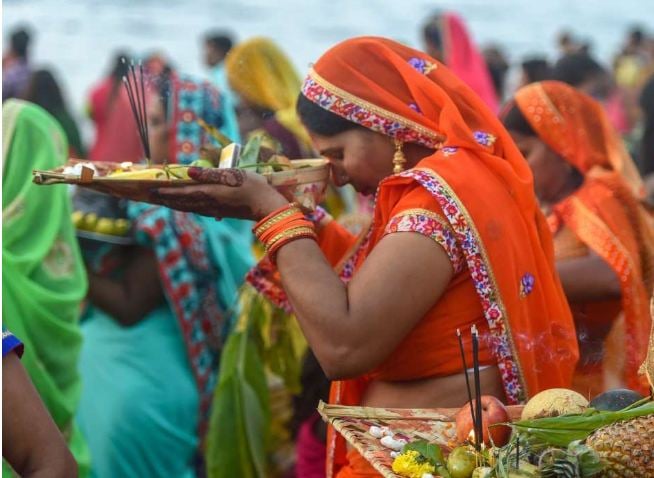
Chhath Puja 2026 will begin on November 13 with Nahay Khay and conclude on November 16 with Usha Arghya. Check the complete four-day schedule and key timings.

Festivals
Good Friday 2026: History, significance and why it is observed by Christians
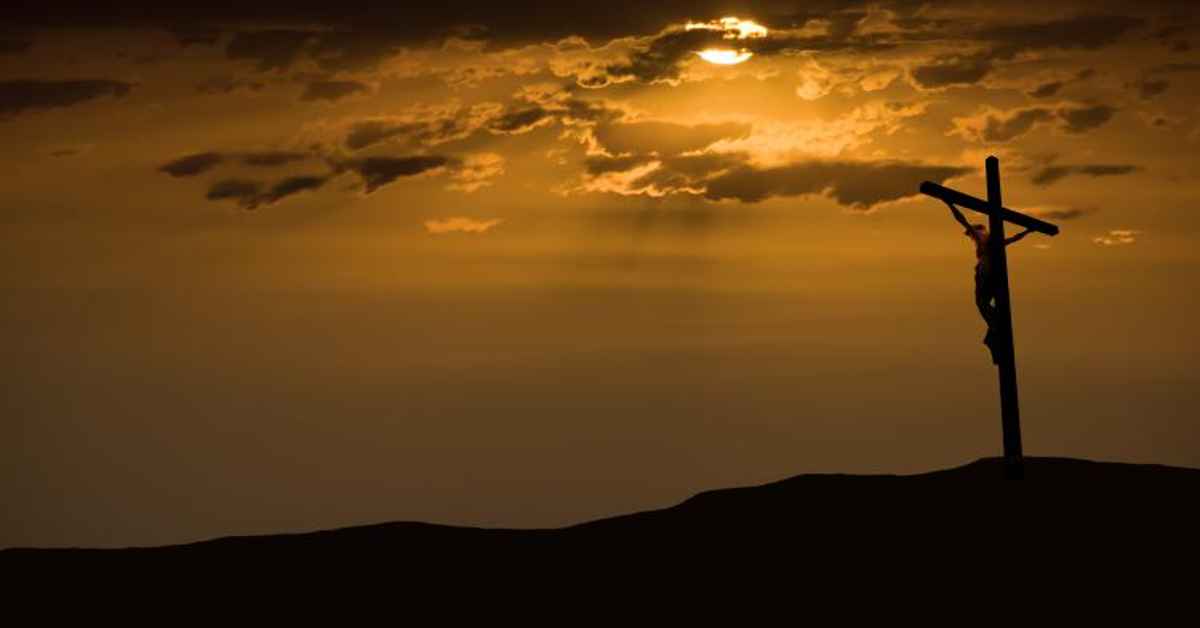
Good Friday marks the crucifixion of Jesus Christ and is observed with prayer, fasting, and reflection by Christians worldwide.

Festivals
Eid Mubarak 2026 wishes and greetings highlight joy and togetherness
Eid ul-Fitr 2026 is marked by prayers, celebrations and the exchange of heartfelt wishes that reflect joy, gratitude and togetherness.


Rahul Gandhi shares Shiva-Parvati image after BJP mocks Papa’s lap remark

Massive fire breaks out at Kanpur chemical factory, explosions reported

Rajnath Singh arrives in Tokyo for India-Japan 2+2 dialogue
Rajnath Singh arrives in Tokyo for India-Japan 2+2 dialogue
Massive fire breaks out at Kanpur chemical factory, explosions reported
Rahul Gandhi shares Shiva-Parvati image after BJP mocks Papa’s lap remark

Trump calls PM Modi tough man again at Quad summit

MS Dhoni retires from IPL, takes up CSK mentor role ahead of 2027 season

Afghan Men Try To Hang With The Jet Engine Of The Aircraft in Kabul- Afghanistan News – Kabul News
Trending Top 10 News: 10000 Crore Fine on Flipkart, Apple to Launch Unique Feature, Hdfc Bank Job Ad

Trending Top 10 News: Nokia 6310, Apple sales, Bachpan ka Pyar Video Kid, Dainik Bhaskar IT Raid

Trending Top 10 News: Canada bans Indian flights, Rain in Delhi NCR, AIMIM Twitter hacked, Raj Kundra case