
India News
Man goes to meet girl in Rajasthan village; thrashed and forced to drink urine by her relatives, six held


A man who had gone to visit a girl- allegedly a minor- in a village of Jalore district in Rajasthan, was reportedly mobbed by her kinsmen, tied to a tree and force-fed urine while he was savagely beaten by the villagers. Six people have been arrested in this connection, police said on Tuesday.
A video of the assault, which went viral on social media shows the man being thrashed by the villagers while tied to a tree. The assailants then proceed to forcibly pour urine into his mouth.
Police said six people have been arrested in this regard, however, the man on the receiving end of the assault, has also been booked under the Protection of Children from Sexual Offences (POCSO) Act.
A senior official said that on Sunday night, the victim had reportedly come to meet a girl in a nearby village when he was caught by the girl’s family and other villagers who brutally thrashed him after tying him to a tree and also poured urine down his throat.
Read Also: Two groups clash in Uttar Pradesh after argument, whips each other with belt, video viral | Watch

The man’s family received information about the incident and reached the spot where they begged the mob to spare him. However, the villagers poured urine into his mouth before letting him off with a warning, he said.
The official added that police took cognizance of the incident after the video went viral on Monday, and although nobody filed a formal complaint, the police managed to identify the victim and took an FIR from him.
He said that six people have been detained in this connection.
The official said that the girl the victim had gone to meet has also filed a complaint against him under the POCSO Act, adding that further investigation will be initiated after her statement is recorded.
Jamia Nagar violence case: Delhi Police move HC challenging discharging of Sharjeel Imam, 10 others


India News
Delhi Police offers 11-person limit for CJP’s Connaught Place protest
Delhi Police has offered to facilitate a group of 11 people at Central Park in Connaught Place for the Cockroach Janata Party’s October 16 protest, while warning that violations of prohibitory orders could invite legal action.


India News
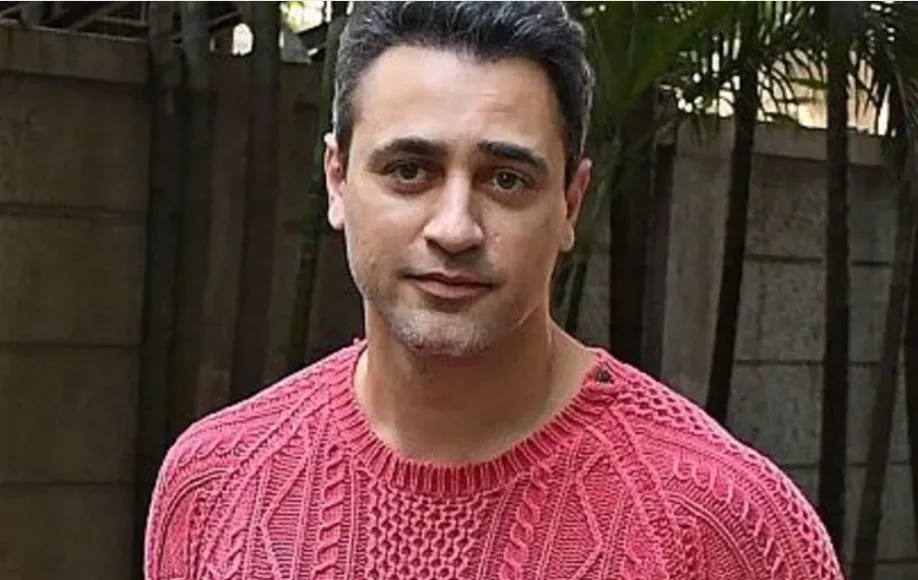
Actor Imran Khan asked to leave India after CJP protest
Actor Imran Khan has been asked to leave India by October 28, days after participating in a protest called by the Cockroach Janta Party (CJP) in Mumbai.
India News
Election Commission orders voter roll revision in 17 states, UTs
The Election Commission has ordered a Special Summary Revision of electoral rolls in 17 states and Union Territories. Draft rolls are scheduled for November 12, with final rolls due on January 4, 2027.


Dhruv Rathee gets fresh summons in 2018 BJP IT cell video case

Nobody can browbeat judiciary, Chief Justice warns over Rahul Gandhi’s march

India-US trade deal first phase finalised, drafting underway

Election Commission orders voter roll revision in 17 states, UTs

Actor Imran Khan asked to leave India after CJP protest

Delhi Police offers 11-person limit for CJP’s Connaught Place protest
Actor Imran Khan asked to leave India after CJP protest
Election Commission orders voter roll revision in 17 states, UTs
India-US trade deal first phase finalised, drafting underway
Nobody can browbeat judiciary, Chief Justice warns over Rahul Gandhi’s march

Afghan Men Try To Hang With The Jet Engine Of The Aircraft in Kabul- Afghanistan News – Kabul News
Trending Top 10 News: 10000 Crore Fine on Flipkart, Apple to Launch Unique Feature, Hdfc Bank Job Ad

Trending Top 10 News: Nokia 6310, Apple sales, Bachpan ka Pyar Video Kid, Dainik Bhaskar IT Raid

Trending Top 10 News: Canada bans Indian flights, Rain in Delhi NCR, AIMIM Twitter hacked, Raj Kundra case

Trending Top 10 News: Shein India, Apple New Service, Pocket Oxygen, Oppo Launched New Phone
-
 India News16 hours ago
Dhruv Rathee gets fresh summons in 2018 BJP IT cell video case
-
 India News12 hours ago
Nobody can browbeat judiciary, Chief Justice warns over Rahul Gandhi’s march
-
 India News8 hours ago
India-US trade deal first phase finalised, drafting underway
-
 India News6 hours ago
Election Commission orders voter roll revision in 17 states, UTs
-
 India News5 hours ago
Actor Imran Khan asked to leave India after CJP protest
-
 India News4 hours ago
Delhi Police offers 11-person limit for CJP’s Connaught Place protest
