
India News
SC asks Navlakha to respond to plea against cancellation of his transit remand and release from house arrest


The Supreme Court today (Monday, October 29) asked journalist-activist Gautam Navlakha to respond in two weeks to a plea filed by the Maharashtra police challenging a Delhi High Court order which set aside his transit remand in Bhima Koregaon violence case and released him from house arrest earlier this month.
Navlakha was among the five activists arrested in August in connection with a case linked to the Bhima Koregaon violence. The Delhi High Court had released Navlakha from house arrest on October 1 and quashed a Magistrate court order granting transit remand to the Maharashtra police to transfer him to Pune.
While the plea challenging it was heard in Supreme Court, in a related development, the Delhi High Court today initiated suo motu contempt proceedings against S Gurumurthy of RSS-linked Swadeshi Jagran Manch and now a director in Reserve bank of India, for his tweets against sitting High Court judge Justice S Muralidhar who had passed the order in Navlakha case.
In Supreme Court today, a bench headed by Chief Justice Ranjan Gogoi, while hearing submissions by senior advocate Mukul Rohatgi, appearing for the State of Maharashtra, also stayed a Bombay High Court order that had declined to extend the time granted to the Maharashtra police to complete its investigation against Navlakha and the other activists – Varavara Rao, Sudha Bhardwaj, Arun Ferreira and Vernon Gonsalves.
The order by the top court comes days after it rejected a petition filed by eminent historian Romila Thapar that had sought review of an earlier verdict by the court which refused to direct constitution of a special investigation team (SIT) to probe the controversial cases slapped by the Maharashtra police against Navlakha and the other activists.
A day after the bench headed by Chief Justice Gogoi rejected Thapar’s review petition, the Maharashtra police had sought custody of all five activists and succeeded in getting transit remand for Ferreira, Gonsalves and Bharadwaj from respective jurisdictional courts.
Meanwhile, the Delhi High Court initiated suo motu contempt proceedings against Chartered Accountant S Gurumurthy for his tweets against sitting High Court judge Justice S Muralidhar.
Gurumurthy had shared a tweet alleging bias on the part of Justice Muralidhar after the judge had passed an order setting aside the transit remand order against activist Gautam Navlakha earlier this month.
He had retweeted a link to a blog called ‘Drishtikone’, titled ‘Why has Delhi High Court Justice Muralidhar’s relationship with Gautam Navlakha not been disclosed?’

A bench of Justices Hima Kohli and Yogesh Khanna issued notice to Gurumurthy, Drishtikone and filmmaker Vivek Agnihotri. The Court also ordered that the tweets in question, and a YouTube video making allegations against Justice Muralidhar, be taken down. Notice has also been issued to the NCT government.
This is not the first time Gurumurthy has targeted Justice Muralidhar and been pulled up for it. After the court granted interim relief to Karti Chidambaram, Gurumurthy, who is the editor of the magazine ‘Thuglak’, through his tweets, had asked whether Justice Muralidhar had been a junior to Karti Chidambaram’s father and Senior Advocate P Chidambaram.
Taking cognisance of the tweet, the Court observed, “Being the editor of a magazine that has a wide readership in Tamil Nadu, had Mr. S. Gurumurthy cared to check, he could easily have ascertained that the presiding Judge of this Bench was as a junior of Mr. G. Ramswamy, who then was the Additional Solicitor General of India and who later was the Attorney General for India.
“At no time did the presiding Judge work as a junior to Mr. P. Chidambaram, Senior Advocate, the father of the Petitioner. It is unfortunate that despite some of the tweets in response clarifying the correct factual position, Mr. Gurumurthy chose not to withdraw his mischievous and false tweet.”
The Court, in that matter, did not initiate contempt proceedings against Gurumurthy.







India News
Delhi Police offers 11-person limit for CJP’s Connaught Place protest
Delhi Police has offered to facilitate a group of 11 people at Central Park in Connaught Place for the Cockroach Janata Party’s October 16 protest, while warning that violations of prohibitory orders could invite legal action.


India News
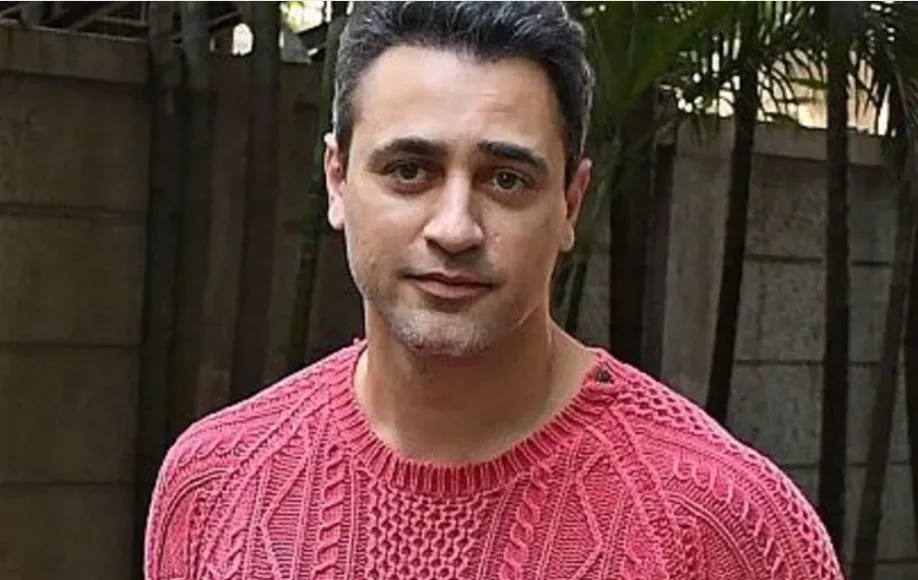
Actor Imran Khan asked to leave India after CJP protest
Actor Imran Khan has been asked to leave India by October 28, days after participating in a protest called by the Cockroach Janta Party (CJP) in Mumbai.
India News
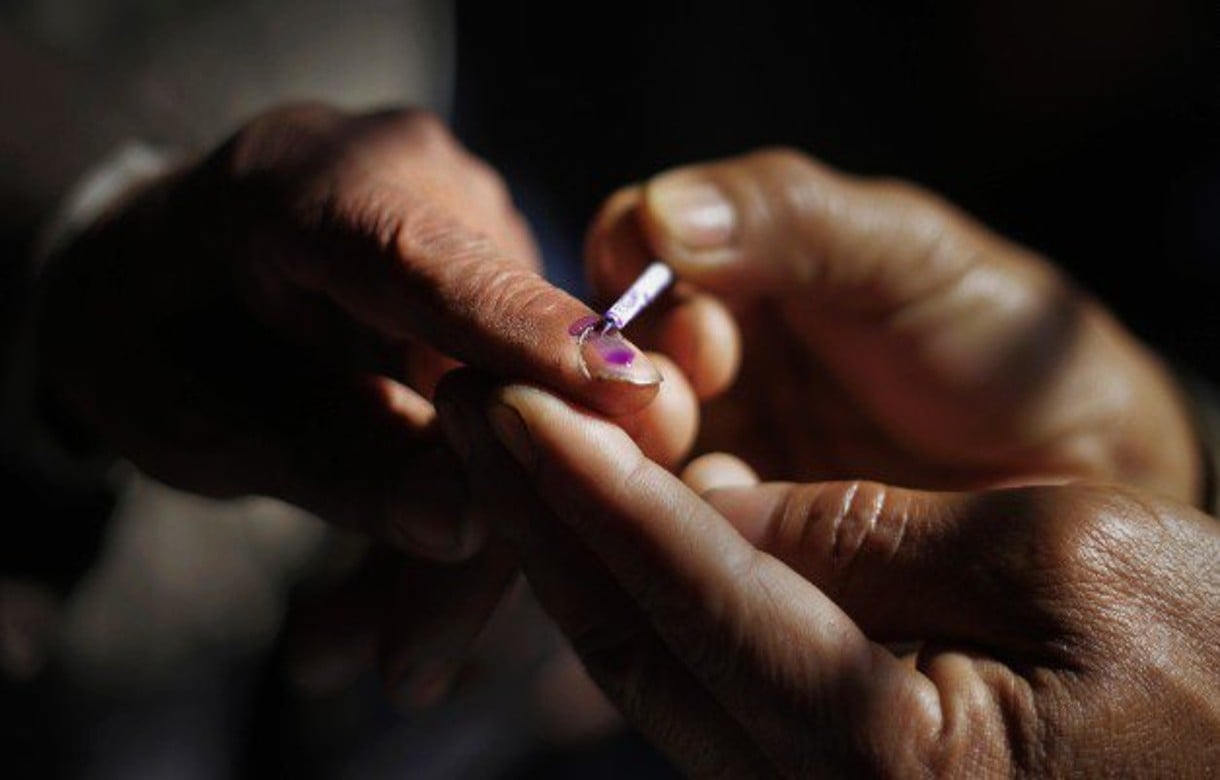
Election Commission orders voter roll revision in 17 states, UTs
The Election Commission has ordered a Special Summary Revision of electoral rolls in 17 states and Union Territories. Draft rolls are scheduled for November 12, with final rolls due on January 4, 2027.

Dhruv Rathee gets fresh summons in 2018 BJP IT cell video case

Nobody can browbeat judiciary, Chief Justice warns over Rahul Gandhi’s march

India-US trade deal first phase finalised, drafting underway

Election Commission orders voter roll revision in 17 states, UTs

Actor Imran Khan asked to leave India after CJP protest

Delhi Police offers 11-person limit for CJP’s Connaught Place protest
Actor Imran Khan asked to leave India after CJP protest
Election Commission orders voter roll revision in 17 states, UTs
India-US trade deal first phase finalised, drafting underway
Nobody can browbeat judiciary, Chief Justice warns over Rahul Gandhi’s march

Afghan Men Try To Hang With The Jet Engine Of The Aircraft in Kabul- Afghanistan News – Kabul News
Trending Top 10 News: 10000 Crore Fine on Flipkart, Apple to Launch Unique Feature, Hdfc Bank Job Ad

Trending Top 10 News: Nokia 6310, Apple sales, Bachpan ka Pyar Video Kid, Dainik Bhaskar IT Raid

Trending Top 10 News: Canada bans Indian flights, Rain in Delhi NCR, AIMIM Twitter hacked, Raj Kundra case

Trending Top 10 News: Shein India, Apple New Service, Pocket Oxygen, Oppo Launched New Phone
-
 India News12 hours ago
Dhruv Rathee gets fresh summons in 2018 BJP IT cell video case
-
 India News9 hours ago
Nobody can browbeat judiciary, Chief Justice warns over Rahul Gandhi’s march
-
 India News4 hours ago
India-US trade deal first phase finalised, drafting underway
-
 India News2 hours ago
Election Commission orders voter roll revision in 17 states, UTs
-
 India News1 hour ago
Actor Imran Khan asked to leave India after CJP protest
-
 India News23 mins ago
Delhi Police offers 11-person limit for CJP’s Connaught Place protest
