
India News
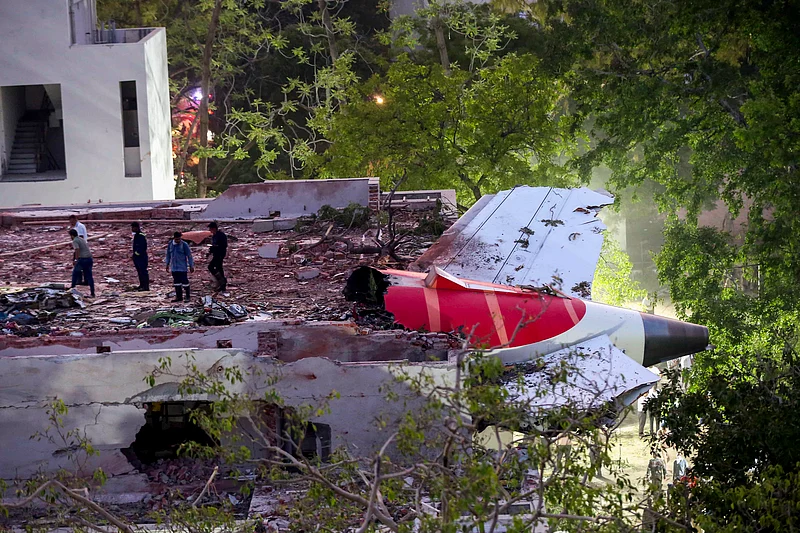
Air India crash: Supreme Court says can’t blame pilot, seeks answers on probable causes
The Supreme Court observed that the late Air India pilot could not be blamed for the Ahmedabad crash that killed 260 people, as technical theories point to a possible electrical fault.






India News
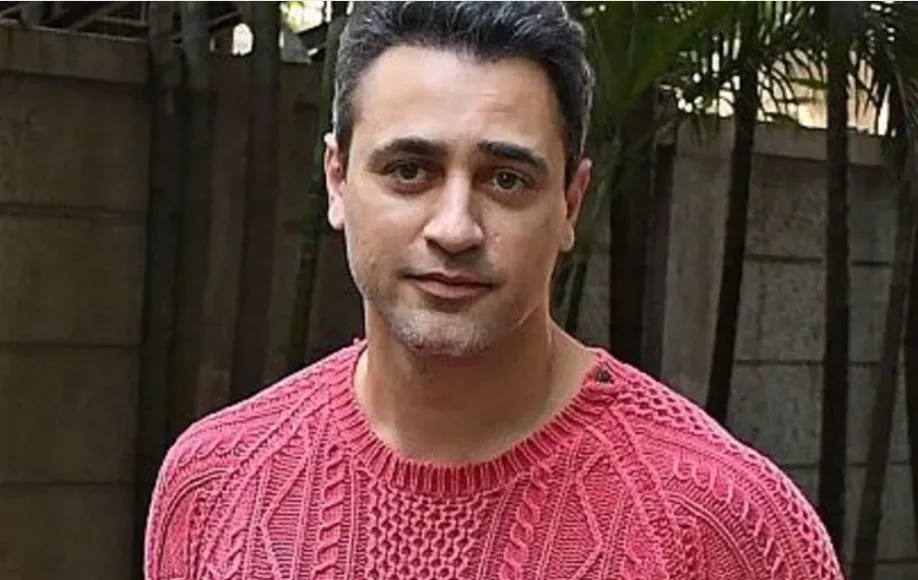
Actor Imran Khan asked to leave India after CJP protest
Actor Imran Khan has been asked to leave India by October 28, days after participating in a protest called by the Cockroach Janta Party (CJP) in Mumbai.

India News
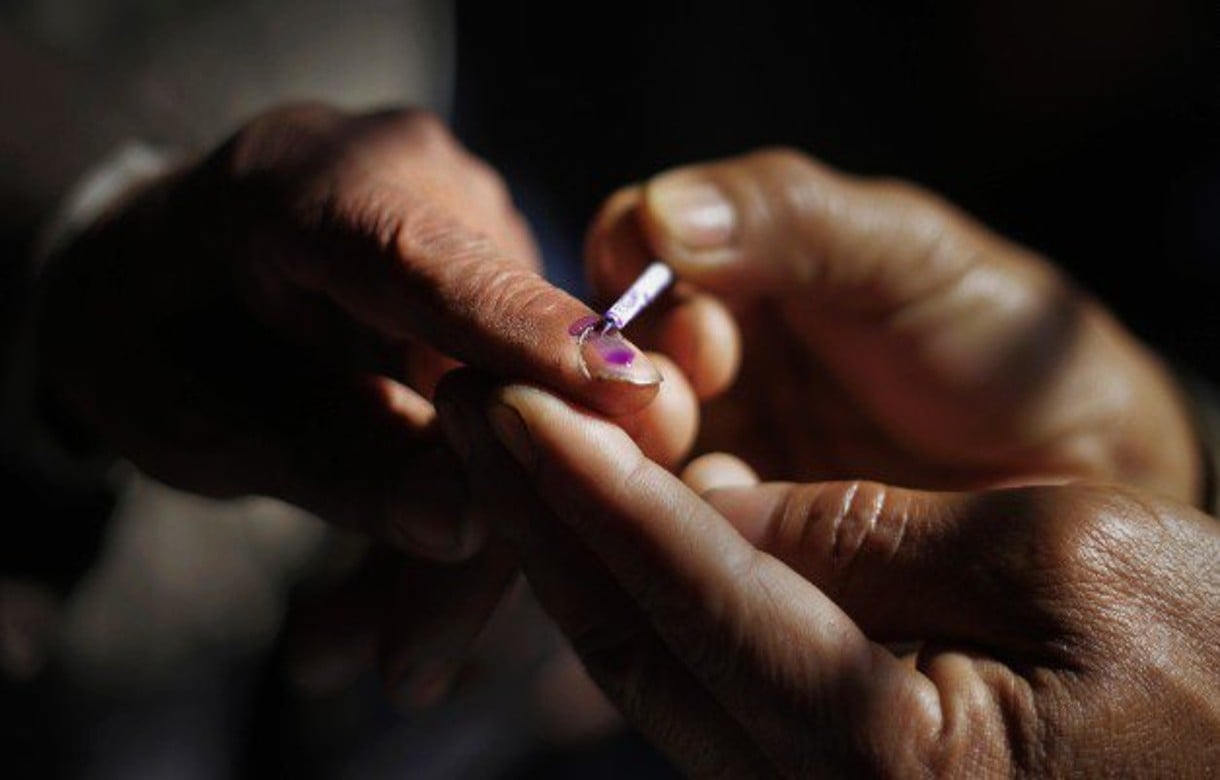
Election Commission orders voter roll revision in 17 states, UTs
The Election Commission has ordered a Special Summary Revision of electoral rolls in 17 states and Union Territories. Draft rolls are scheduled for November 12, with final rolls due on January 4, 2027.
India News
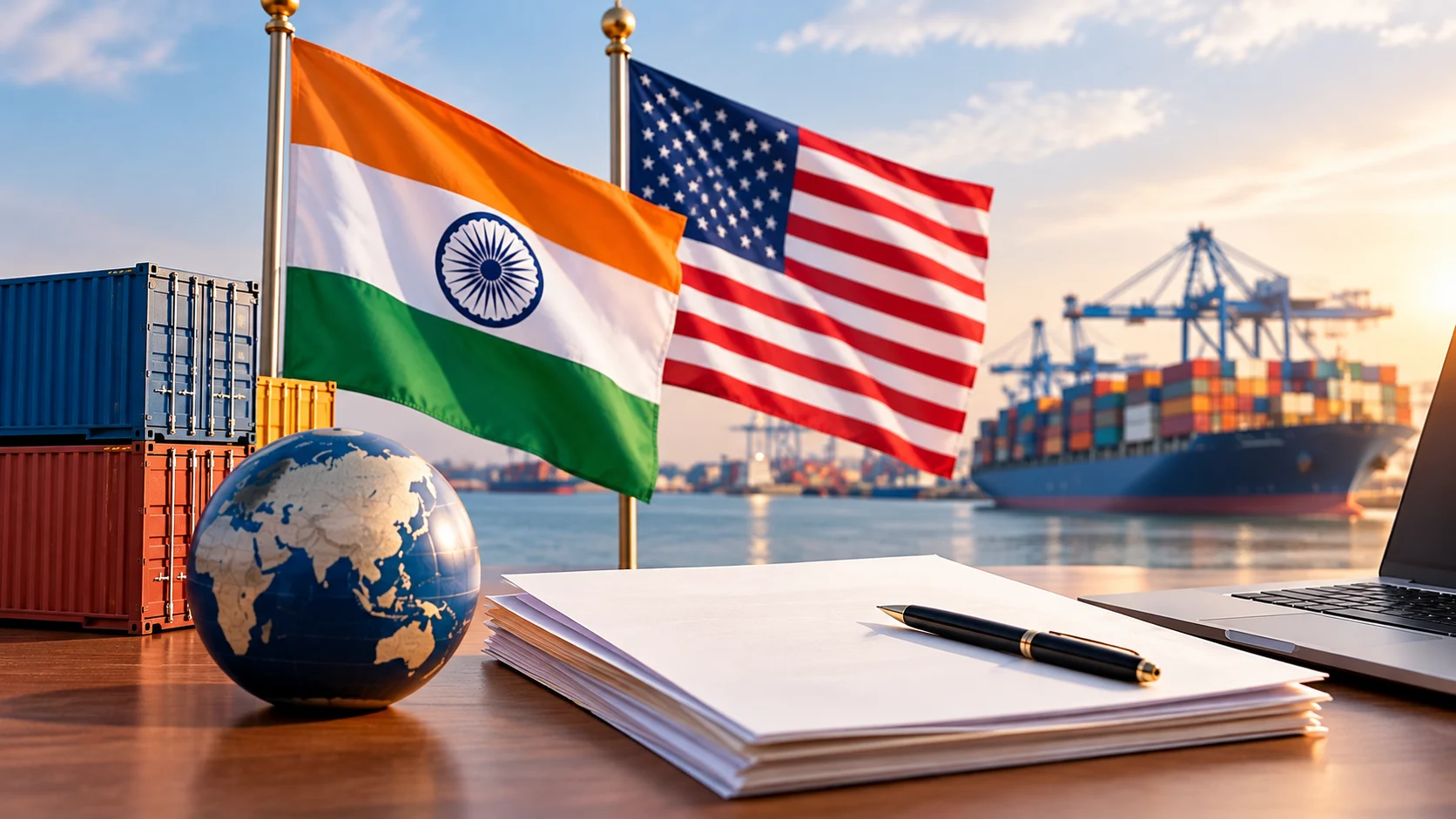
India-US trade deal first phase finalised, drafting underway
The first phase of the India-US trade agreement has been finalised and is undergoing legal drafting, Commerce Minister Piyush Goyal said. The deal is expected to be operationalised once India secures a competitive advantage over peer countries.

Rahul Gandhi joins India Gate protest by Ankita Bhandari’s parents

Supreme Court questions EC over missing records in Sringeri election dispute

Dhruv Rathee gets fresh summons in 2018 BJP IT cell video case

Nobody can browbeat judiciary, Chief Justice warns over Rahul Gandhi’s march

India-US trade deal first phase finalised, drafting underway

Actor Imran Khan asked to leave India after CJP protest

Election Commission orders voter roll revision in 17 states, UTs
India-US trade deal first phase finalised, drafting underway
Nobody can browbeat judiciary, Chief Justice warns over Rahul Gandhi’s march
Dhruv Rathee gets fresh summons in 2018 BJP IT cell video case

Afghan Men Try To Hang With The Jet Engine Of The Aircraft in Kabul- Afghanistan News – Kabul News
Trending Top 10 News: 10000 Crore Fine on Flipkart, Apple to Launch Unique Feature, Hdfc Bank Job Ad

Trending Top 10 News: Nokia 6310, Apple sales, Bachpan ka Pyar Video Kid, Dainik Bhaskar IT Raid

Trending Top 10 News: Canada bans Indian flights, Rain in Delhi NCR, AIMIM Twitter hacked, Raj Kundra case

Trending Top 10 News: Shein India, Apple New Service, Pocket Oxygen, Oppo Launched New Phone
-
 India News24 hours ago
Rahul Gandhi joins India Gate protest by Ankita Bhandari’s parents
-
 India News23 hours ago
Supreme Court questions EC over missing records in Sringeri election dispute
-
 India News11 hours ago
Dhruv Rathee gets fresh summons in 2018 BJP IT cell video case
-
 India News8 hours ago
Nobody can browbeat judiciary, Chief Justice warns over Rahul Gandhi’s march
-
 India News3 hours ago
India-US trade deal first phase finalised, drafting underway
-
 India News33 mins ago
Actor Imran Khan asked to leave India after CJP protest
-
 India News53 mins ago
Election Commission orders voter roll revision in 17 states, UTs
