
India News
Rahul Gandhi mourns Baba Siddique’s death, says complete collapse of law and order in Maharashtra
Accountability is paramount, the Congress chief asserted.

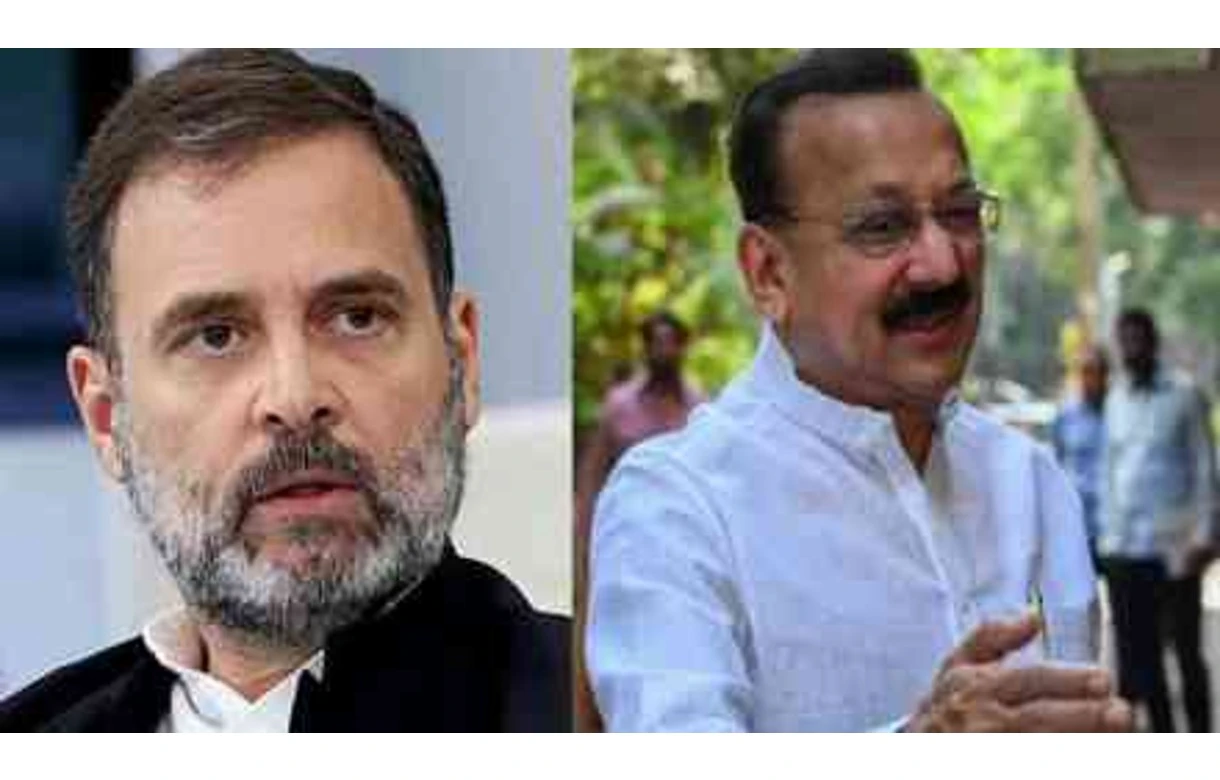
Asserting that there is a complete collapse of law and order in Maharashtra, Leader of Opposition in Lok Sabha Rahul Gandhi on Sunday expressed his grief over the killing of Ajit Pawar’s faction Nationalist Congress Party (NCP) leader Baba Siddique, who was shot dead by unknown assailants in Mumbai last night.
Siddique, a former Maharashtra Minister and former Congress leader, was shot near Nirmal Nagar in Bandra. He later succumbed to his bullet injuries at Lilavati Hospital late Saturday night.
Hitting out at the Maharashtra government over law and order, Gandhi said, “This horrifying incident exposes the complete collapse of law and order in Maharashtra. The government must take responsibility, and justice must prevail.”
“The tragic demise of Baba Siddique is shocking and saddening. My thoughts are with his family in this difficult time,” the former Congress chief said in a post on X.
Congress chief Mallikarjun Kharge also expressed his shock over the murder of the NCP leader and said justice must be ensured, and the present Maharashtra Government must order a thorough and transparent investigation.
The culprits must be brought to book at the earliest, he demanded.
“The tragic demise of Former Maharashtra Minister, Shri Baba Siddique is shocking beyond words. In this hour of grief, I offer my deepest condolences to his family, friends and supporters,” Kharge said in his post on X.
Accountability is paramount, the Congress chief asserted.
According to reports, the crime branch has taken over the investigation and is looking into potential motives including business rivalry, contract killing, and threats related to a Slum Rehabilitation Authority (SRA) project.
Officials have confirmed that two assailants have been arrested, and the police are searching for a third suspect in the case.
In the latest update on the killing of the NCP leader, the Mumbai Crime Branch stated that a total of six shots were fired at Siddique, three of which hit him.
The crime branch also mentioned that the third suspect has been identified and will be apprehended soon.
Earlier, doctors at the hospital reported that Siddique sustained two gunshot wounds to his chest before being taken to Mumbai’s Lilavati Hospital for emergency treatment.
After visiting the family at Cooper Hospital, Maharashtra Deputy Chief Minister Ajit Pawar spoke to reporters and said: “The police have arrested two people. Additionally, the search is ongoing with five teams deployed for the same. CM (Eknath Shinde) and the Home Minister (Devendra Fadnavis) are also overseeing this. Everything will be disclosed in two to three days.”
Baba Siddiqui’s body was taken to Cooper Hospital for post-mortem. Ajit Pawar met Baba Siddiqui’s son and Congress MLA Zeeshan Siddiqui at the hospital.
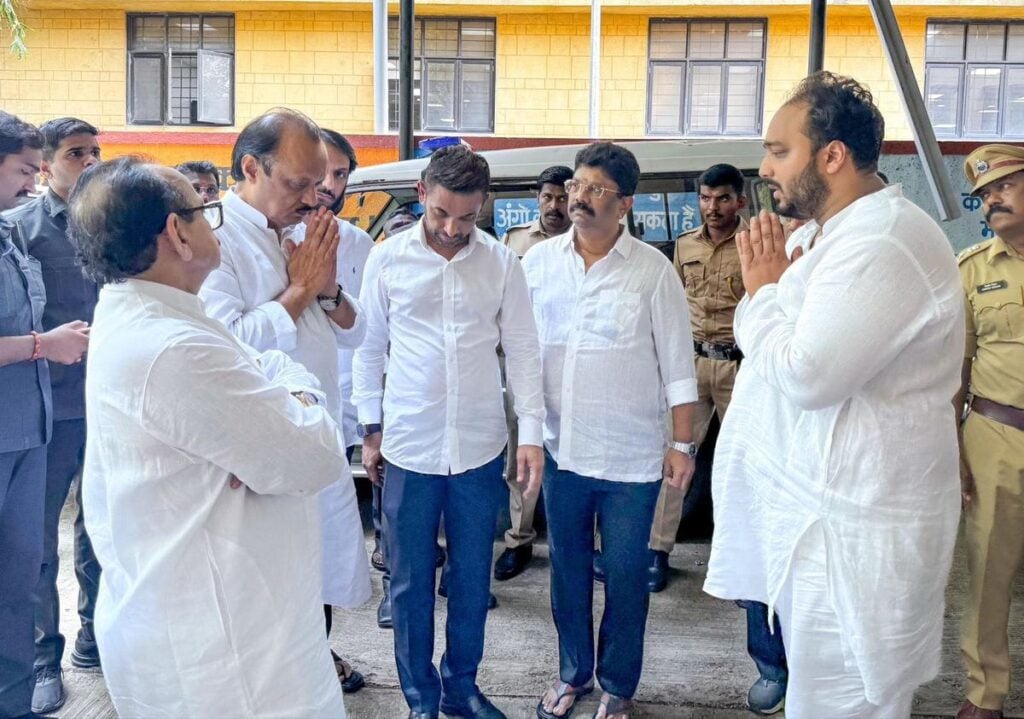
NCP (SP) supremo Sharad Pawar has condemned the killing of former Minister Baba Siddique, expressing concerns over the deteriorating law and order situation in Maharashtra.
Retorting sharply at the state government, Pawar demanded that those in power not only announce investigations but also take responsibility and step down from their positions.
“The killing of former state minister Baba Siddiqui in Mumbai, the financial capital of the country, is regrettable. If the Home Minister and the rulers are going to push the cart of the state so mildly, it can be an alarm bell for the common people. There is a need not only to investigate this, but also to accept the responsibility and step down from the position of the rulers. A heartfelt tribute to Baba Siddiqui. Condolences to his family,” the NCP supremo said in a post on X.







India News
India Metro Rail Network May Overtake US in 2 Years
India’s metro rail network has reached 1,170 km across 26 cities. Union minister Manohar Lal said the country could overtake the US in network length within two years.

India News
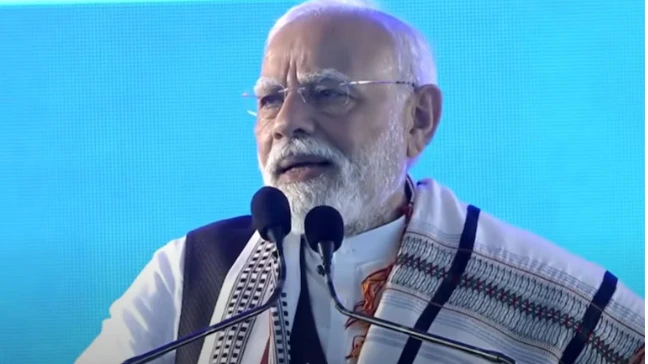
PM Modi returns to SRCC after 13 years, revisits 2013 glass full speech
PM Narendra Modi returned to SRCC after 13 years for its centenary celebrations, revisiting themes from his landmark 2013 address.
India News
Supreme Court judge calls police assault on CJP protesters very distressing
Supreme Court judge Justice Ujjal Bhuyan criticised alleged police assaults on CJP protesters and raised concerns over excessive force.


Supreme Court judge calls police assault on CJP protesters very distressing

8 Tamil Nadu engineering students killed in Kerala car-lorry crash

PM Modi returns to SRCC after 13 years, revisits 2013 glass full speech
India Metro Rail Network May Overtake US in 2 Years
India Metro Rail Network May Overtake US in 2 Years
PM Modi returns to SRCC after 13 years, revisits 2013 glass full speech
Supreme Court judge calls police assault on CJP protesters very distressing
8 Tamil Nadu engineering students killed in Kerala car-lorry crash

Air India sacks Phuket-Delhi flight pilot after failing drug test

Afghan Men Try To Hang With The Jet Engine Of The Aircraft in Kabul- Afghanistan News – Kabul News
Trending Top 10 News: 10000 Crore Fine on Flipkart, Apple to Launch Unique Feature, Hdfc Bank Job Ad

Trending Top 10 News: Nokia 6310, Apple sales, Bachpan ka Pyar Video Kid, Dainik Bhaskar IT Raid

Trending Top 10 News: Canada bans Indian flights, Rain in Delhi NCR, AIMIM Twitter hacked, Raj Kundra case

Trending Top 10 News: Shein India, Apple New Service, Pocket Oxygen, Oppo Launched New Phone
-
 India News20 hours ago
Supreme Court judge calls police assault on CJP protesters very distressing
-
 India News21 hours ago
8 Tamil Nadu engineering students killed in Kerala car-lorry crash
-
 India News11 hours ago
PM Modi returns to SRCC after 13 years, revisits 2013 glass full speech
-
India News11 hours ago
India Metro Rail Network May Overtake US in 2 Years
