
Latest world news
BRICS Summit: PM Modi, China’s Xi Jinping discuss Ukraine war with Russia’s Putin
“The world has entered a new period of turbulent change. We need to build a peaceful BRICS, and be the guardian of common security,” said Chinese President Xi Jinping during the Summit.

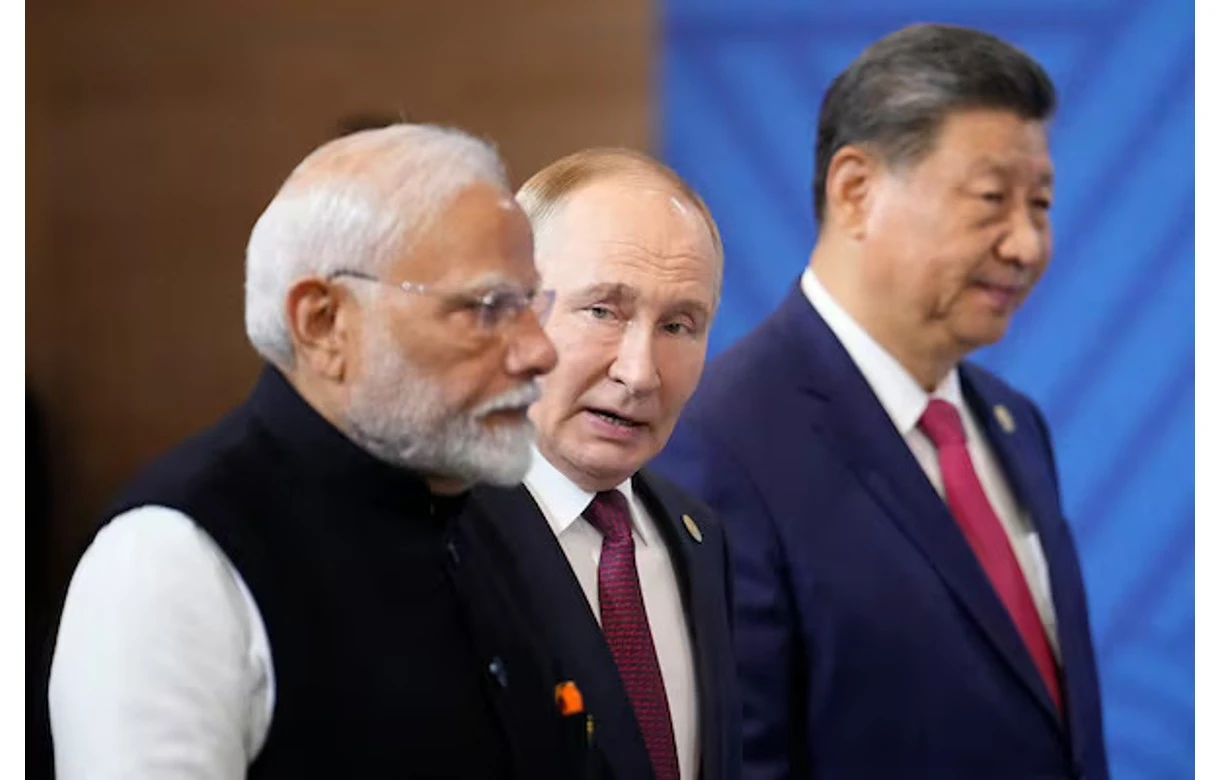
Prime Minister Narendra Modi, China’s Xi Jinping, and other BRICS leaders on Wednesday discussed the war in Ukraine with President Vladimir Putin as the Kremlin chief chaired a major summit aimed at showing Western attempts to isolate Russia have failed.
India supports dialogue and diplomacy and not war, PM Modi said at the BRICS Summit, in an unambiguous message calling for resolution of the Russia-Ukraine conflict through peaceful negotiations.
Putin, whose administration has dismissed allegations of war crimes against him as politically motivated, kicked off the Summit on Wednesday by noting the strong interest from over 30 States in joining the BRICS group.
He emphasised the importance of maintaining a balance in any expansion, acknowledging the unprecedented interest from countries in the Global South and East while ensuring that it does not diminish the effectiveness of BRICS.
“The world has entered a new period of turbulent change. We need to build a peaceful BRICS, and be the guardian of common security,” said Chinese President Xi Jinping during the Summit.
On the Ukraine crisis, Jinping said, “We need to push for the situation to de-escalate as soon as possible.” He also expressed his concern over the crisis in Gaza, saying, “We need to push for a ceasefire.”
PM Modi emphasised the need for a people-centric approach to solving global challenges and called for reformed multilateralism. The PM underlined the importance of dialogue and diplomacy for global peace and stability.
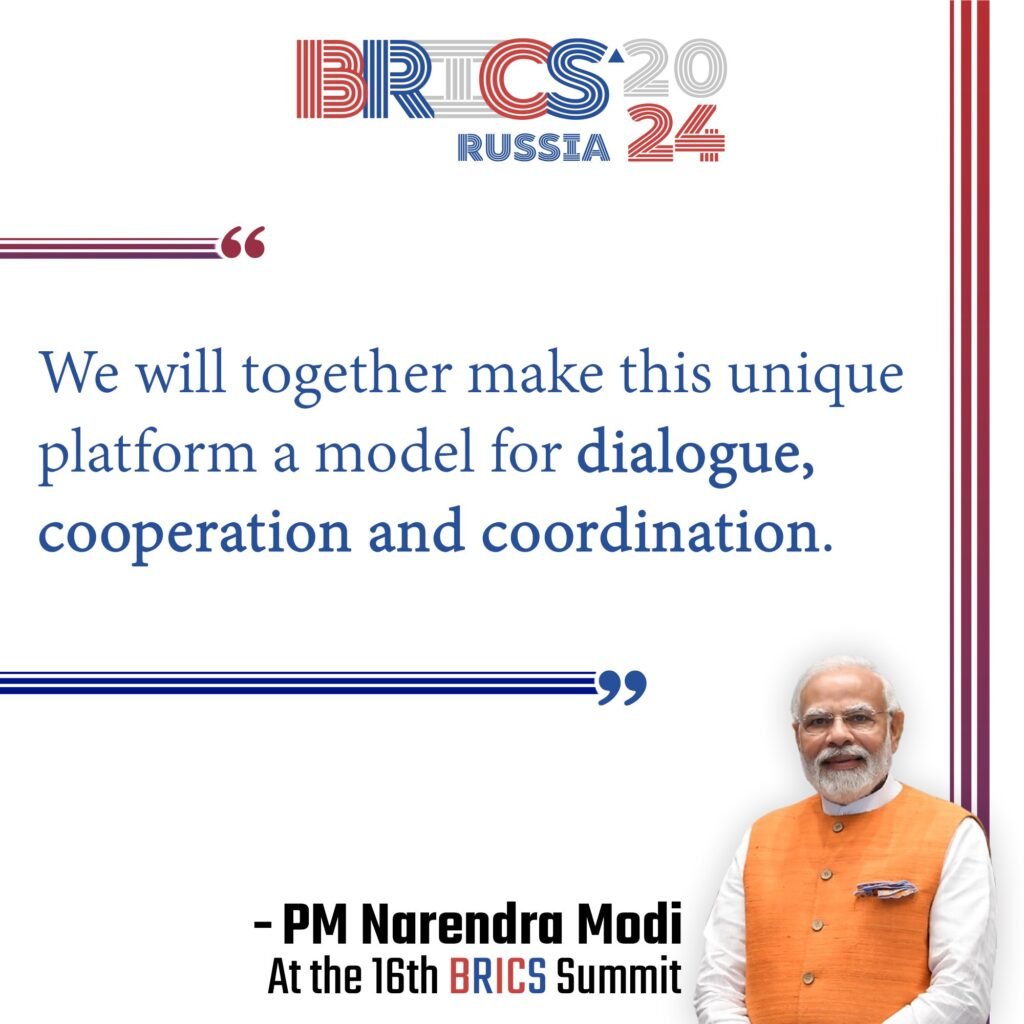
Addressing the summit in Kazan, a Russian city along the Volga, Europe’s longest river, Putin also reiterated the group’s focus on discussing acute regional conflicts, alluding to the situation in the Middle East and Ukraine.
Russia, heavily reliant on oil exports, sees China and India as major buyers, with the two countries responsible for about 90% of Moscow’s oil sales, making it Russia’s largest foreign currency source.
In a public exchange, Prime Minister Modi expressed his desire for peace in Ukraine to Putin, while Chinese President Xi discussed the Ukrainian conflict privately with the Russian leader.
As Russia continues its advancement, it currently controls a significant portion of Ukraine, including Crimea, unilaterally annexed in 2014, as well as a substantial portion of the Donbas region, comprising Donetsk and Luhansk, along with parts of the Zaporizhzhia and Kherson regions.
Putin has reiterated that Moscow will not negotiate the status of these regions, claiming them as part of Russia and emphasising the need to consider Russia’s long-term security interests in Europe.
The anticipated BRICS communique is expected to include proposals from China and Brazil aimed at resolving the conflict in Ukraine, with the two countries seeking support for a ceasefire from other developing nations. Ukraine has accused Beijing and Brasília of aligning with Moscow’s interests.
Putin has acknowledged the potential of the Chinese-Brazilian proposals as a basis for ending the conflict, following Russia’s deployment of troops into Ukraine in 2022 after years of fighting in the eastern part of the country.







Latest world news
Magnitude 7 earthquake strikes Tibet after floods
A magnitude 7 earthquake struck northern Tibet on Thursday, October 22. The tremor came weeks after deadly flash floods and landslides hit the mountainous region near the Nepal-China border. Initial reports did not confirm casualties or damage from the earthquake.


Latest world news
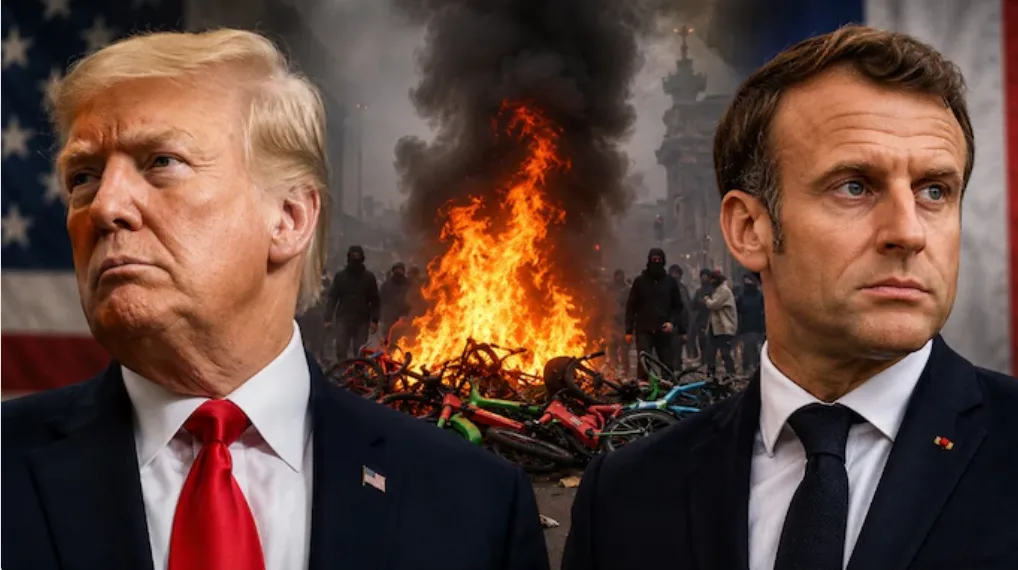
Macron rejects Trump’s immigration claims over France riots
French President Emmanuel Macron criticised Donald Trump and other foreign leaders over their comments on France’s recent unrest. Macron rejected claims that the country was being overrun by migrants and Islamists, calling such assertions false.
Latest world news
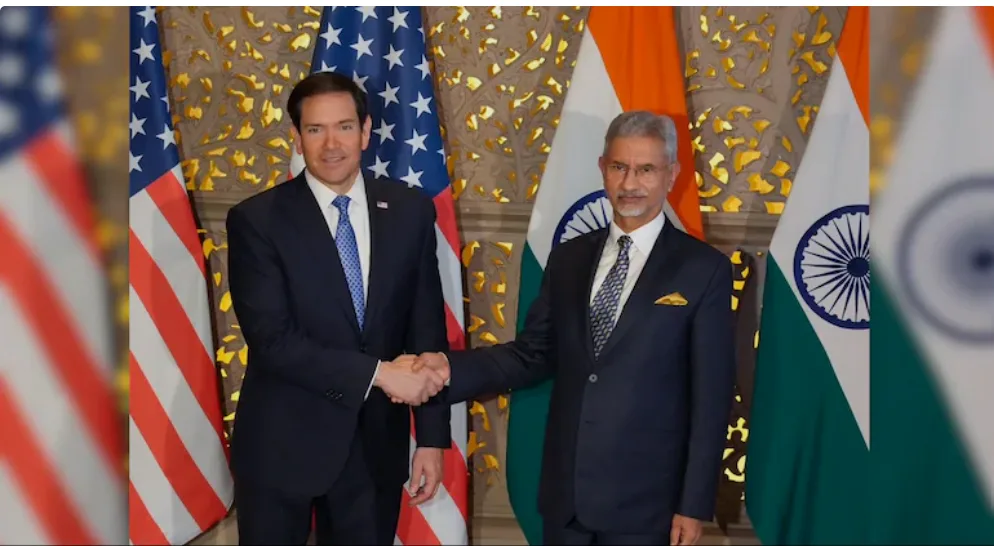
Marco Rubio says India and US share extraordinary alignment on key issues
US Secretary of State Marco Rubio said India and the United States share an extraordinary alignment on core issues, even though disagreements between the two countries may arise.

Om Prakash Mathur sworn in as Keralam Governor

PM Modi to inaugurate Rs 169-crore RBI data centre in Odisha on October 25

Delhi High Court rejects Neha Bora’s plea against peace bond notice

MEA responds after ITBP chief flags ongoing face-offs with China in Arunachal

Thousands bang utensils, beat drums in Manipur protest over continued killings
Thousands bang utensils, beat drums in Manipur protest over continued killings
MEA responds after ITBP chief flags ongoing face-offs with China in Arunachal
Delhi High Court rejects Neha Bora’s plea against peace bond notice
PM Modi to inaugurate Rs 169-crore RBI data centre in Odisha on October 25
Om Prakash Mathur sworn in as Keralam Governor

Afghan Men Try To Hang With The Jet Engine Of The Aircraft in Kabul- Afghanistan News – Kabul News
Trending Top 10 News: 10000 Crore Fine on Flipkart, Apple to Launch Unique Feature, Hdfc Bank Job Ad

Trending Top 10 News: Nokia 6310, Apple sales, Bachpan ka Pyar Video Kid, Dainik Bhaskar IT Raid

Trending Top 10 News: Canada bans Indian flights, Rain in Delhi NCR, AIMIM Twitter hacked, Raj Kundra case

Trending Top 10 News: Shein India, Apple New Service, Pocket Oxygen, Oppo Launched New Phone
-
 India News15 hours ago
Om Prakash Mathur sworn in as Keralam Governor
-
 India News15 hours ago
PM Modi to inaugurate Rs 169-crore RBI data centre in Odisha on October 25
-
 India News14 hours ago
Delhi High Court rejects Neha Bora’s plea against peace bond notice
-
 India News13 hours ago
MEA responds after ITBP chief flags ongoing face-offs with China in Arunachal
-
 India News34 mins ago
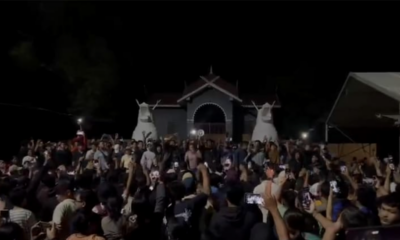
Thousands bang utensils, beat drums in Manipur protest over continued killings
