English हिन्दी
Connect with us

India News

Javed Akhtar’s take on slang in comedy goes viral amid Ranveer Allahbadia controversy

Published

on

Javed Akhtar

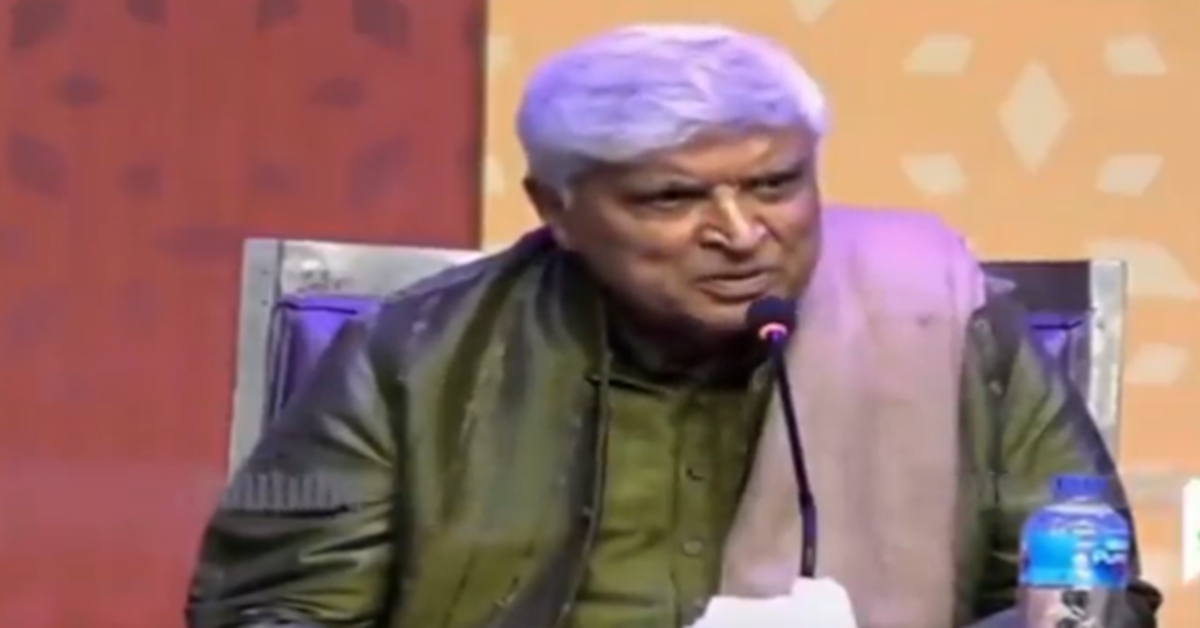
A video of veteran poet and lyricist Javed Akhtar discussing the use of slang in comedy has resurfaced amid the backlash against podcaster Ranveer Allahbadia over his controversial remarks at a roast show. The discussion, which originally took place in an episode of Chill Sesh last year, featured Akhtar in conversation with comedians Sapan Verma, Biswa Kalyan Rath, and Shreeja Chaturvedi.

Javed Akhtar’s insight on slang in comedy

During the chat, Biswa Kalyan Rath asked Akhtar about the increasing use of slang and expletives in stand-up comedy. “When we perform, we use slang, and people find it funny. Over time, it becomes a habit, and we may not feel bad about it, but others might. What is your perspective? Is slang acceptable in comedy?” Rath inquired.

Akhtar responded with a characteristic blend of wit and wisdom. “I’ll tell you something. In regions like Odisha, Bihar, and even in Mexico, where poverty exists, people tend to eat a lot of chili because the food lacks flavor. To make it taste better, they add spice. Similarly, expletives are the ‘chili’ of language. If you are articulate and witty enough, you don’t need that extra spice. When conversations lack depth, people resort to slang and gaalis,” he explained, drawing applause from the audience.

Sapan Verma jokingly remarked that Akhtar had just delivered a poetic insult to stand-up comedians, adding, “We feel bad, but also kind of good.”

Double-meaning lyrics and vulgarity in entertainment

Shreeja Chaturvedi further questioned Akhtar about his views on songs with double meanings and whether they serve as an emotional release. “Is it not an outlet for some people, or is it just bad?” she asked.

Akhtar didn’t mince words in his response. “What kind of people need relief from listening to vulgar songs? They need a psychiatrist, not music. Who genuinely finds solace in such songs? The thought itself is alarming,” he asserted.

Ranveer Allahbadia’s controversial remarks spark outrage

The resurfaced discussion comes at a time when Ranveer Allahbadia, popularly known as BeerBiceps, has found himself at the center of controversy. A clip from the show India’s Got Latent, hosted by Raina, went viral after Allahbadia posed an inappropriate question to a contestant: “Would you rather watch your parents have sex every day for the rest of your life or join in once and stop it forever?”

The remark has sparked widespread backlash, with many raising concerns about explicit content in comedy shows available on streaming platforms. Critics argue that such content, often accessible to children, can have negative influences. Additionally, discussions have emerged around racist undertones in comedy, which some fear could contribute to social divisions.

Legal and parliamentary scrutiny on Allahbadia

Following the outrage, Allahbadia is now facing legal trouble, with a police case filed against him. A Parliamentary committee has also taken note of the matter and may summon him for questioning. In response, the podcaster has issued a public apology, admitting that comedy is not his forte and that his remark was a lapse in judgment.

As debates around the boundaries of humor and responsibility in digital entertainment continue, Javed Akhtar’s insights on language and expression in comedy have once again become relevant in the ongoing discourse.

India News

BJP targets Kejriwal over Sheesh Mahal 2 claim, AAP calls images fake as Raghav Chadha weighs in

BJP alleges Arvind Kejriwal’s new residence is a lavish “Sheesh Mahal 2”, while AAP denies the claims and calls the images fake, escalating political tensions.

Published

on

Arvind Kejriwal

A fresh political confrontation has erupted between the Bharatiya Janata Party and the Aam Aadmi Party over allegations surrounding a newly allotted residence to Arvind Kejriwal, with the BJP dubbing it “Sheesh Mahal 2”.

The controversy began after Parvesh Verma released images and a layout of the bungalow, claiming that high-end amenities in the property were funded using “private money”. The BJP alleged that the residence reflects an extravagant lifestyle, reviving earlier accusations linked to the “Sheesh Mahal” controversy.

The remarks came soon after Kejriwal moved into the government-allotted accommodation in Delhi’s Lodhi Estate, adding political heat to an already tense atmosphere.

In response, AAP leaders rejected the allegations outright, asserting that the images circulated by BJP leaders were not authentic. Party representatives claimed the visuals were sourced from online platforms and do not represent the actual residence.

The party also accused the BJP of spreading misinformation to target Kejriwal politically and damage his public image.

Political tensions rise amid recent defections

The row comes at a time when tensions between the two parties are already high following recent political developments, including the exit of senior leaders from AAP.

Raghav Chadha, who recently shifted political alignment, also weighed in on the issue, adding another dimension to the ongoing confrontation. His remarks are seen as part of a broader political attack on AAP amid internal challenges and shifting loyalties.

The developments have intensified the war of words between the BJP and AAP, with both sides trading allegations over governance, transparency, and political intent.

Ongoing battle of narratives

While the BJP continues to question the nature of the residence and its alleged expenses, AAP has maintained that the claims are baseless and politically motivated.

With both parties standing firm on their positions, the “Sheesh Mahal 2” issue is likely to remain a key flashpoint in Delhi’s political landscape in the coming days.

Continue Reading

India News

Karnataka cabinet clears 15% internal reservation for Scheduled Castes, recruitment to begin soon

Karnataka approves internal reservation within SC quota, paving way for jobs

Published

on

The Karnataka cabinet, led by Chief Minister Siddaramaiah, has approved an internal reservation framework for Scheduled Castes (SCs) within the existing 15% quota, a move expected to address long-standing demands and restart stalled government recruitment.

The decision was taken during a special cabinet meeting and introduces a revised formula to distribute the quota among different SC sub-groups.

How the quota will be divided

Under the new structure, the 15% reservation for Scheduled Castes will be split into three categories:

  • 5.25% for “left-hand” SC communities
  • 5.25% for “right-hand” SC communities
  • 4.5% for other SC groups, including nomadic communities

The formula is based on proportional representation and aims to ensure equitable distribution of benefits among various sub-castes.

Recruitment to resume after long delay

The cabinet’s approval is expected to immediately unlock recruitment for thousands of government positions that had been on hold due to the reservation issue.

Officials indicated that recruitment notifications will now be issued, potentially opening up more than 50,000 vacancies across departments.

Long-pending demand addressed

The move comes after decades of demands from different SC communities seeking internal classification within the quota system. The government described the decision as a step toward social justice and balanced representation.

The issue had remained unresolved for years due to legal and administrative complexities, including concerns over exceeding the Supreme Court-mandated 50% reservation cap.

Political and social significance

The decision carries both administrative and political importance, as it addresses a sensitive issue affecting multiple communities within the Scheduled Castes. It also comes at a time when reservation policies continue to be a major subject of debate across states.

While the government has presented the move as a corrective step, it is likely to trigger reactions from various stakeholders, including opposition parties and community groups.

Continue Reading

India News

Amit Shah claims Mamata leaving, BJP coming after high turnout in Bengal polls

Amit Shah says high turnout in Bengal polls signals shift from Mamata Banerjee’s rule, predicts BJP surge.

Published

on

Union Home Minister Amit Shah on Friday expressed strong confidence in the Bharatiya Janata Party’s prospects in the ongoing West Bengal Assembly elections, asserting that the political mood in the state signals a shift away from Chief Minister Mamata Banerjee.

Speaking after the first phase of polling, Shah claimed that the high voter turnout indicates a desire for change, stating that “Mamata is leaving and BJP is coming.”

The first phase of elections recorded a notably high turnout across several constituencies, which Shah said reflects growing public support for the BJP and dissatisfaction with the current administration.

BJP predicts strong performance

The senior BJP leader went a step further, projecting a significant electoral gain for his party. He suggested that feedback from party workers and internal assessments indicate that the BJP could secure a large share of the seats contested in the first phase.

Shah linked the voter turnout to what he described as a broader shift in public sentiment, claiming that people in the state are moving from “fear to trust” and are ready for political change.

Intensifying political battle

The remarks come amid a high-pitched political contest between the BJP and the ruling Trinamool Congress, led by Mamata Banerjee. The ongoing election has seen sharp exchanges between leaders from both sides, with each camp projecting confidence in forming the next government.

Shah’s comments also follow recent statements by Banerjee targeting the BJP at the national level, highlighting the broader political stakes surrounding the Bengal elections.

As polling progresses in multiple phases, the results are expected to play a crucial role in shaping the political landscape of the state.

Continue Reading

Trending

© Copyright 2022 APNLIVE.com