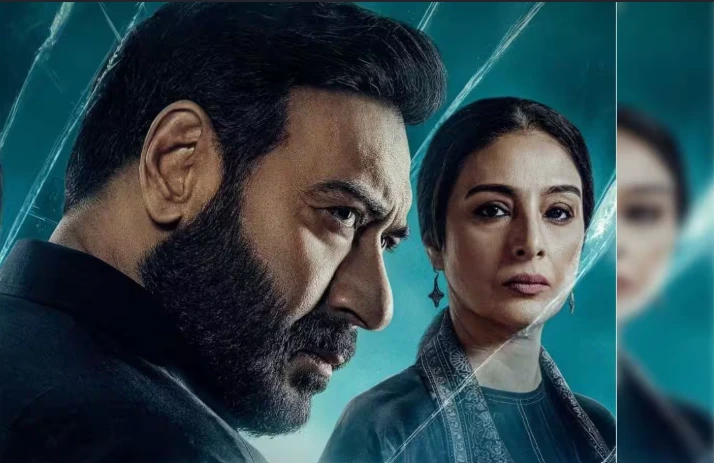
The White Lotus Season 3: A gripping yet familiar tale of privilege, chaos, and existential dread
The White Lotus returns for its third season, set in Thailand, offering an engaging yet familiar mix of sharp social commentary, dark humor, and moral reckoning.
The much-anticipated third season of The White Lotus has arrived, this time transporting its audience to a luxurious Thai retreat. Once again, the show delves into the moral unraveling of its wealthy guests, offering a biting critique of privilege and self-indulgence. While the season remains as compelling as ever, some storylines feel like echoes of its predecessors, making one question whether the show is leaning too heavily on its well-worn formula.
A deadly mystery in paradise
The season opens in classic White Lotus fashion: a lifeless body is discovered in a serene pond, soon followed by the sound of gunfire. The stage is set for another suspense-filled exploration of human nature, wrapped in the lavish setting of a high-end Thai resort. As always, the story unfolds through an ensemble of morally complex characters whose seemingly idyllic vacation spirals into chaos.
This time, the cast includes the financially strained Ratcliff family, a group of old friends with unresolved tensions, and a mismatched age-gap couple navigating their own awkward dynamic. Each character brings their own brand of dysfunction, making for a thrilling, if occasionally predictable, season.
Complex characters, stellar performances
One of the greatest strengths of The White Lotus has always been its performances, and Season 3 continues this tradition. Jason Isaacs and Parker Posey shine as Timothy and Victoria Ratcliff, a crumbling couple attempting to mask their family’s dysfunction. Sarah Catherine Hook’s portrayal of their daughter, Piper, offers an intriguing arc as she embarks on a personal journey in Thailand, one that mirrors past seasons’ explorations of youthful idealism clashing with harsh reality.
Elsewhere, Leslie Bibb, Carrie Coon, and Michelle Monaghan play a trio of long-time friends attempting to rekindle their bond, only to be confronted by their past resentments. Their interactions offer some of the most authentic and painfully relatable moments of the season, exposing the dark undercurrents of lifelong friendships.
Meanwhile, Walton Goggins and Aimee Lou Wood’s dynamic as an older man and his much younger girlfriend offers both humor and discomfort, though their storyline lacks the depth of the others.
Returning from Season 1, Natasha Rothwell’s Belinda adds a much-needed grounding presence, her storyline weaving in themes of resilience and personal growth, making her one of the most compelling characters this season.
Striking visuals and a shift in tone
The Thai backdrop provides a mesmerizing setting, with its lush landscapes and serene temples offering a stark contrast to the unraveling chaos of the guests. However, unlike previous seasons, which balanced sharp satire with biting humor, Season 3 leans more into existential dread. The humor is still present but subdued, making way for heavier themes of guilt, mortality, and the illusion of fulfillment that wealth promises but rarely delivers.
While this tonal shift adds depth, it also slows down the pacing. The first half of the season builds tension effectively, but the real momentum only kicks in during episodes five and six. The final act delivers the expected explosive climax, yet the journey there sometimes feels drawn out.
A compelling yet repetitive journey
Despite its breathtaking setting and standout performances, The White Lotus Season 3 treads familiar ground. Many character arcs mirror those from previous seasons, and while the show remains engaging, it risks feeling formulaic. The social commentary is sharp as ever, yet some themes—privilege, hypocrisy, self-destruction—are becoming predictable.
Watch Trailer
The White Lotus Season 3
That being said, The White Lotus remains one of television’s most compelling dramas. Its ability to hold a mirror to the absurdities of wealth and power, all while crafting suspenseful narratives, ensures that even with its flaws, Season 3 is still a must-watch.
While The White Lotus Season 3 doesn’t quite reach the heights of its earlier seasons, it remains an engrossing watch. The Thai setting adds fresh intrigue, but the familiar character dynamics and slower pacing hold it back from being truly groundbreaking. Still, for fans of the series, this season offers enough drama, suspense, and moral reckoning to keep them hooked until the very end.
Farhan Akhtar’s latest release 120 Bahadur hit theatres on November 21 but registered a dull opening on its first day, earning Rs 2.35 crore. In comparison, De De Pyaar De 2, which is now in its second week, continues to show stronger hold at the box office.
Slow start for 120 Bahadur on day one
The action-drama opened to modest numbers on Friday, collecting Rs2.35 crore on its first day. Despite pre-release buzz around Farhan Akhtar’s performance, the film has begun its run on the lower side.
De De Pyaar De 2 maintains its advantage
Meanwhile, De De Pyaar De 2 continues its steady run. On its eighth day, the film maintained an edge over 120 Bahadur in overall earnings, according to media. The strong hold of the Ajay Devgn-led sequel appears to have impacted the new release’s opening day business.
Family Man 3 ending triggers online backlash despite strong reviews
The Family Man 3 has impressed viewers with its performances and storytelling, but its abrupt ending has sparked online criticism, leaving fans demanding closure.
Fans of The Family Man 3 are celebrating the gripping new season, but a large section of viewers has taken to social media to criticise what they describe as an “abrupt” and “unsatisfying” ending. The latest season, which released on Amazon Prime Video on Friday, has drawn praise for its emotional depth and high-stakes storytelling, yet its final moments have left many feeling short-changed.
Viewers disappointed with the “sudden” conclusion
Soon after the release, frustrated fans began sharing their reactions online. One viewer wrote that the season “ends so abruptly it feels like the makers simply packed up and went home,” calling the lack of closure “exhausting”. Another comment read, “#TheFamilyMan3… ahh ending entra. Fully disappointed.”
Some tried to strike a balanced tone, acknowledging the well-crafted emotional arc and a comic cameo stretch that offered relief. However, the overall complaint remained the same — that the season cuts off just when the tension reaches its peak. “Why make us watch the entire season if the makers plan to keep the best part hanging for the next one?” a user questioned.
Still, many fans have labelled the show “engaging” and applauded the team for delivering another compelling chapter.
Season 3: Srikant caught between personal turmoil and a national crisis
The new season places Srikant Tiwari (Manoj Bajpayee) in one of the most complicated phases of his life. His relationship with Suchitra (Priyamani) appears strained, marked by distance and unspoken tension. Even as his home life falters, a series of coordinated blasts in the Northeast within 48 hours threatens a major peace initiative led by Prime Minister Basu (Seema Biswas).
Srikant and his senior officer Gautam Kulkarni (Dalip Tahil) travel to Nagaland to salvage Project Sahakar, relying on regional leader David Khuzou (Sunil Thapa) to bring warring sides to agreement. But the fragile situation collapses after a deadly ambush by drug kingpin Rukma (Jaideep Ahlawat), leaving David and Kulkarni dead. Srikant survives but soon becomes a suspect as investigators scrutinise how he was the only one aware of the convoy’s route.
Meanwhile in Mumbai, Suchitra faces her own crisis after the government bans 69 Chinese apps, including her platform ShrinkMe, sparking online targeting that impacts her family.
With an arrest warrant issued against him, Srikant chooses to escape with his family, setting off a tense chase as he tries to prove his innocence. Each twist raises new questions — who planned the ambush, and why is Srikant being framed?
Final reactions
While audiences largely appreciated the writing, performances and momentum, the widespread sentiment remains that the season’s final act lacked the closure fans expected. Many now hope the next instalment arrives sooner and concludes the arc that Season 3 left unresolved.
Satish Shah, beloved Sarabhai vs Sarabhai actor, passes away at 74 in Mumbai due to kidney failure
Veteran actor Satish Shah, celebrated for his iconic comic roles in Sarabhai vs Sarabhai and Jaane Bhi Do Yaaro, passed away in Mumbai at the age of 74 due to kidney failure.
Veteran Bollywood actor Satish Shah, best known for his memorable comic roles in films and television, passed away on Saturday in Mumbai. He was 74.
Filmmaker Confirms The News
Confirming the tragic news, filmmaker Ashoke Pandit expressed grief over the actor’s demise, saying that Shah died around 2:30 pm following kidney failure. His condition reportedly worsened at home before being rushed to the hospital, where he could not be revived. His cremation is expected to take place later today.
“It’s a very big loss for the industry. I have worked with him on many projects,” said the filmmaker, recalling that he learned about Shah’s death shortly after attending adman Piyush Pandey’s last rites.
A Legacy Of Laughter
Born on June 25, 1951, in Bombay (now Mumbai), Satish Shah hailed from a Kutchi Gujarati family. His career began in 1978 with Arvind Desai Ki Ajeeb Dastaan, but it was his portrayal of Municipal Commissioner D’Mello in the 1983 satire Jaane Bhi Do Yaaro that brought him widespread recognition.
Over a remarkable film career spanning decades, Shah appeared in more than 250 movies, including Hum Saath Saath Hain (1999), Kal Ho Naa Ho (2003), Mujhse Shaadi Karogi (2004), and Om Shanti Om (2007).
Television Stardom
Shah also left a lasting impact on Indian television. His 1984 sitcom Yeh Jo Hai Zindagi became iconic, where he played a new character in each of its 55 episodes. His role as Indravadhan Sarabhai in Sarabhai vs Sarabhai (2004), opposite Ratna Pathak Shah, remains one of the most loved comic portrayals in Indian TV history.
He also starred in Filmy Chakkar (1995) and later judged comedy-based reality shows such as Comedy Circus, continuing his association with humour and entertainment.
APN News is today the most watched and the most credible and respected news channel in India. APN has been at the forefront of every single news revolution. The channel is being recognized for its in-depth, analytical reportage and hard hitting discussions on burning issues; without any bias or vested interests.