
Latest Politics News
PM Narendra Modi files his nomination in Varanasi


[vc_row][vc_column][vc_column_text]Prime Minister Narendra Modi today (Friday, April 26) filed his nomination papers in Varanasi in presence of senior NDA leaders, including Bihar chief minister Nitish Kumar, Shiv Sena chief Uddhav Thackeray, AIADMK leaders, Shiromani Akali Dal leader Parkash Singh Badal, Lok Jan Shakti’s Ram Vilas Paswan, many Union ministers and chief ministers.
After filing the nomination papers, PM Modi said, “I am thankful for the love I have got. They have been blessing me since yesterday just the way they did 5 years ago. People are saying that Modi has already won, so there is no need to vote. I urge all the people not to believe them and to come out and vote.”
On Thursday, PM Modi held a mega roadshow in Varanasi and passed by ancient temples and ghats – the seven-kilometre-long roadshow took two-and-a-half hours and finally ended in the holiest ghat of them all, the Dashashwamedh. The prime minister also attended the evening aarti at this ghat on the banks of the river Ganga.
In a saffron kurta and scarf, the Prime Minister waved at thousands of people on the roads from the sunroof of his SUV. He began his journey from the iconic Banaras Hindu University, where he paid tribute at a statue of Madan Mohan Malviya a leader of the independence movement and a renowned educationist.
Addressing a meeting after the roadshow, the PM stressed on national security issues, saying the government had dealt effectively against terrorism. In an apparent reference to the Balakot air strike after Pakistan-based terrorists killed 40 CRPF soldiers in Jammu and Kashmir’s Pulwama in February, PM Modi said the world now backed India in its fight against terror.
Also Read: Election Commission accused of Model Code of Conduct violation
PM Modi said while the last five years of his government were about sincere effort, the next five years will be about results.
There were four proposers of the Narendra Modi’s nomination-
Dr Annapurna Shukla
Annapurna Shukla, 81, is popularly known as the manasputri of BJP ideologue Pundit Madan Mohan Malviya. Shukla is a noted academician and an MBBS doctor in Varanasi. She was been close to Malviya since her childhood. Malviya was a four-time Indian National Congress president and the founder of Banaras Hindu University (BHU) at Varanasi.
Jagdish Raja
A member of the Dom Raja family, Jagdish Raja Chowdhary who helps perform the last rites at Varanasi’s Manikarnika Ghat is also one of the proposers.
Subhash Chandra Gupta
One of the oldest BJP workers in Varanasi, Gupta has been loyal to the party since the Jana Sangha days.
Ramashankar Patel
Dr Ramashankar Patel is veteran agricultural scientist, whose work is recognized and awarded by the Central government.
“Apparently, the BJP has chosen the proposers strategically to give a message to Dalits, traders and elderly workers of the party,” Prof KK Mishra, a political analyst, said.
 A member of the Dom Raja family, which helps perform the last rites at Varanasi’s Manikarnika Ghat, a veteran BJP leader, a chowkidar and the principal of a women’s college were the proposers for Prime Minister Narendra Modi’s nomination.
Also Read: Congress ends speculation about Priyanka contesting against Modi, repeats Ajay Rai
https://twitter.com/i/status/1121404818210189314
Also Read: Ex civil servants demand withdrawal of terror-accused Pragya Thakur’s candidature
“Apparently, the BJP has chosen the proposers strategically to give a message to Dalits, traders and elderly workers of the party,” Prof KK Mishra, a political analyst, said.
Had a great interaction with leaders of the NDA this morning.
Sharing few pictures of our meeting. pic.twitter.com/yNbdaCJTlr— Chowkidar Amit Shah (@AmitShah) April 26, 2019
The Prime Minister won the Varanasi Lok Sabha seat by more than half the votes polled or 56% with a massive margin of 3.37 lakh votes in the Lok Sabha election in 2014. The Congress’ Ajai Rai and Samajwadi Party’s Shalini Yadav are the other candidates contesting from the Varanasi Lok Sabha seat.
Varanasi will vote in the seventh and final phase of polling for the Lok Sabha election 2019 on May 19. The votes will be counted on May 23 and results are expected to be declared on the same day.
[/vc_column_text][/vc_column][/vc_row]






India News
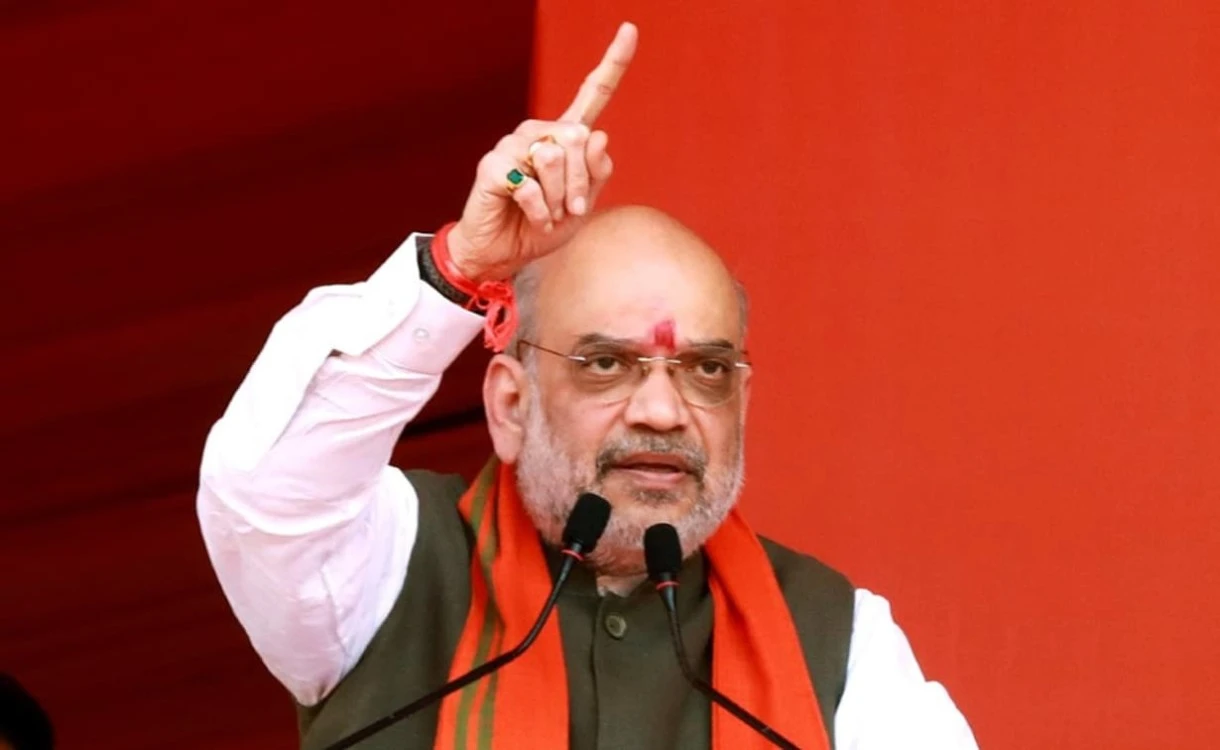
Amit Shah says congress won’t return to power for 30 years
Union Home Minister Amit Shah took a swipe at Rahul Gandhi over the Opposition’s vote theft allegations, asserting that the Congress would not return to power for the next 30 years.


India News
Amit Shah says Naxalism is over, vows to end Punjab drug trade by 2029
Amit Shah said the Centre would work to eliminate Punjab’s drug trade by December 31, 2029. He also called for CBI investigations into two additional cases involving people whose deaths were linked to the fight against drugs.
India News
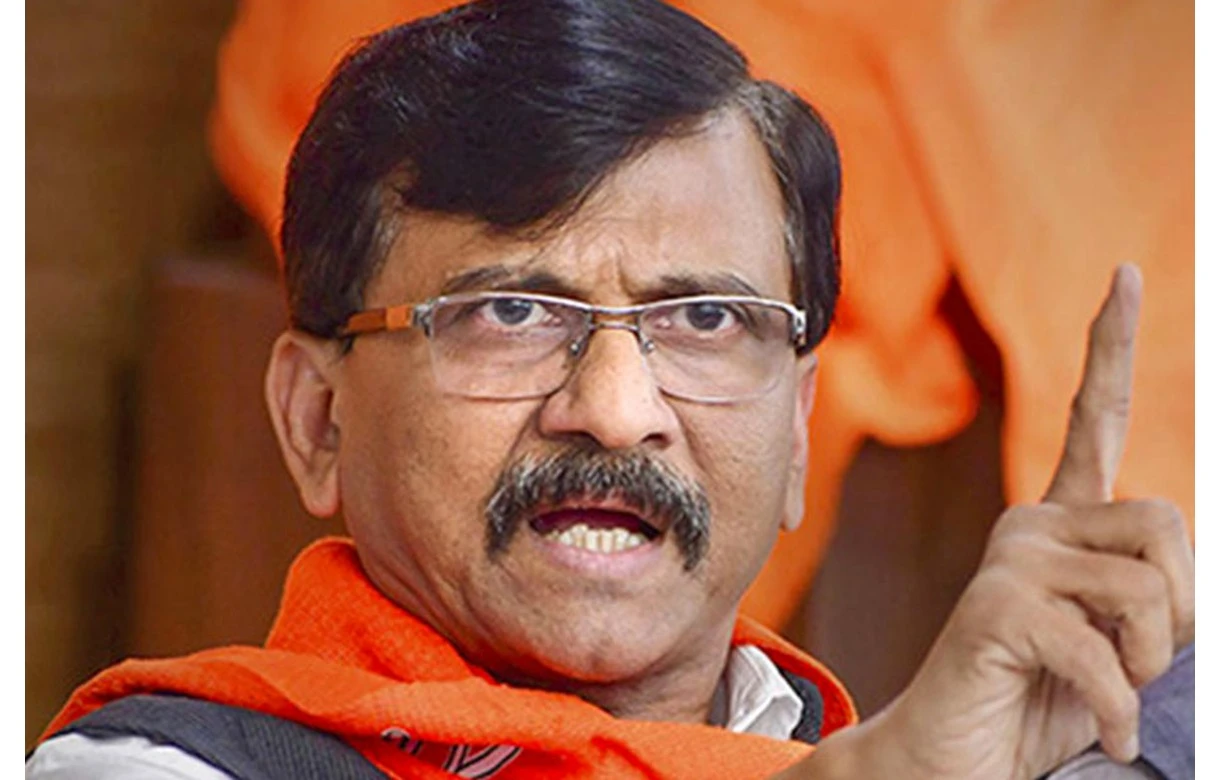
Sanjay Raut clarifies Albania Remark after BJP accuses him of threatening SC
Shiv Sena (UBT) MP Sanjay Raut faced criticism from BJP leaders over his post referring to the reported burning of Albania’s Supreme Court. Raut later said he has faith in India’s Supreme Court and urged the institution to take note of the situation.

Magnitude 7 earthquake strikes Tibet after floods

Yogi Government cites Rs.15,233 crore seizures in UP gangster crackdown

PM Modi attacks Rahul Gandhi with failed product jibe

Amit Shah says congress won’t return to power for 30 years

Punjab strike hits public services as 3 lakh employees and roadways workers protest

Two election commissioners complained against senior poll officer, RTI reveals
Punjab strike hits public services as 3 lakh employees and roadways workers protest
Amit Shah says congress won’t return to power for 30 years
Magnitude 7 earthquake strikes Tibet after floods
PM Modi attacks Rahul Gandhi with failed product jibe

Afghan Men Try To Hang With The Jet Engine Of The Aircraft in Kabul- Afghanistan News – Kabul News
Trending Top 10 News: 10000 Crore Fine on Flipkart, Apple to Launch Unique Feature, Hdfc Bank Job Ad

Trending Top 10 News: Nokia 6310, Apple sales, Bachpan ka Pyar Video Kid, Dainik Bhaskar IT Raid

Trending Top 10 News: Canada bans Indian flights, Rain in Delhi NCR, AIMIM Twitter hacked, Raj Kundra case

Trending Top 10 News: Shein India, Apple New Service, Pocket Oxygen, Oppo Launched New Phone
-
 Latest world news18 hours ago
Magnitude 7 earthquake strikes Tibet after floods
-
 India News22 hours ago
Yogi Government cites Rs.15,233 crore seizures in UP gangster crackdown
-
 India News18 hours ago
PM Modi attacks Rahul Gandhi with failed product jibe
-
 India News18 hours ago
Amit Shah says congress won’t return to power for 30 years
-
 India News7 hours ago
Punjab strike hits public services as 3 lakh employees and roadways workers protest
-
 India News6 hours ago
Two election commissioners complained against senior poll officer, RTI reveals
