
Latest News
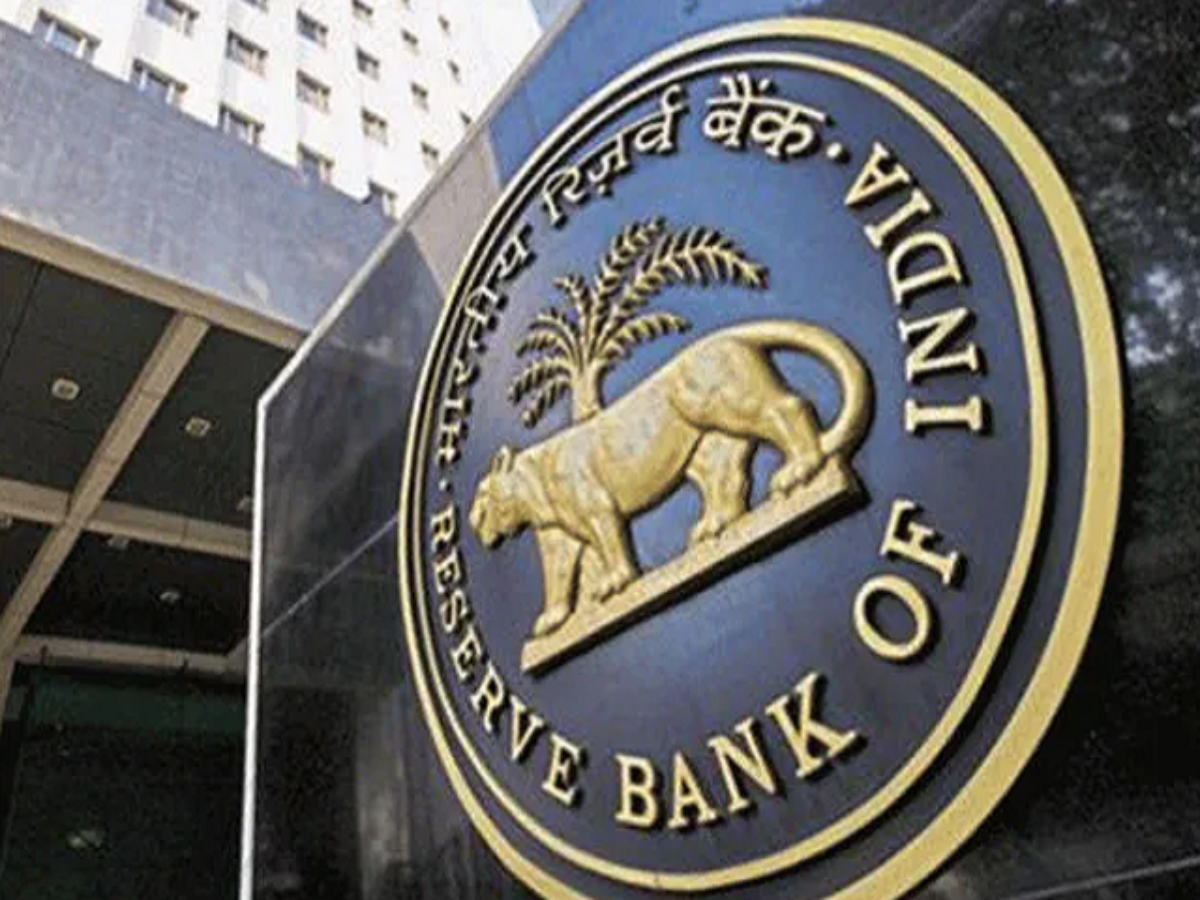
RBI places Yes Bank under moratorium, caps withdrawal at Rs 50,000
The Reserve Bank of India placed Yes Bank under a moratorium and restricted withdrawal from the capital-starved bank at Rs 50,000 in the next one month. This restriction came into effect from 6 pm on March 5 and will remain in place till April 3, 2020.







India News
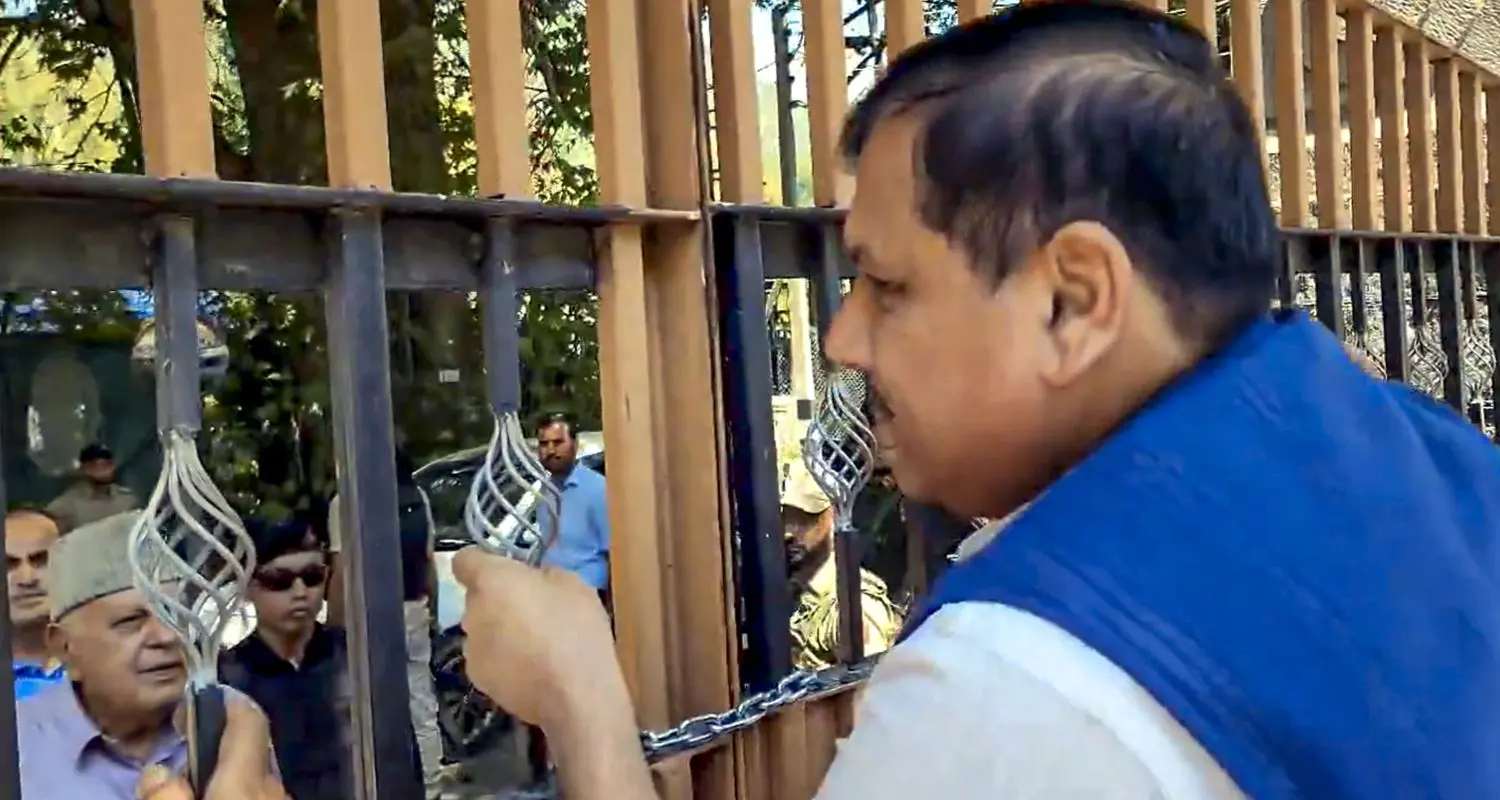
AAP MP Sanjay Singh accuses J&K authorities of house arrest, Farooq Abdullah condemns move


India News23 hours ago
Delhi Police offers 11-person limit for CJP’s Connaught Place protest

India News24 hours ago
Actor Imran Khan asked to leave India after CJP protest

Latest world news11 hours ago
Magnitude 7 earthquake strikes Russia’s Kamchatka Peninsula

India News11 hours ago
Mallikarjun Kharge’s ‘Your Friends’ jab at Rahul Gandhi over congress exits

India News11 hours ago
Delhi deploys 25,000 personnel, installs CCTV cameras ahead of CJP march

India News28 mins ago
Mallikarjun Kharge seeks all-party meeting with PM Modi on delimitation

India News2 hours ago
Abhijeet Dipke detained ahead of CJP’s national flag march in Delhi
Latest world news11 hours ago
Magnitude 7 earthquake strikes Russia’s Kamchatka Peninsula
India News11 hours ago
Delhi deploys 25,000 personnel, installs CCTV cameras ahead of CJP march
India News11 hours ago
Mallikarjun Kharge’s ‘Your Friends’ jab at Rahul Gandhi over congress exits

RecommendedVideo5 years ago
Afghan Men Try To Hang With The Jet Engine Of The Aircraft in Kabul- Afghanistan News – Kabul News
videos5 years ago
Trending Top 10 News: 10000 Crore Fine on Flipkart, Apple to Launch Unique Feature, Hdfc Bank Job Ad

videos5 years ago
Trending Top 10 News: Nokia 6310, Apple sales, Bachpan ka Pyar Video Kid, Dainik Bhaskar IT Raid

videos5 years ago
Trending Top 10 News: Canada bans Indian flights, Rain in Delhi NCR, AIMIM Twitter hacked, Raj Kundra case

videos5 years ago
Trending Top 10 News: Shein India, Apple New Service, Pocket Oxygen, Oppo Launched New Phone
-
 India News23 hours ago
Delhi Police offers 11-person limit for CJP’s Connaught Place protest
-
 India News24 hours ago
Actor Imran Khan asked to leave India after CJP protest
-
 Latest world news11 hours ago
Magnitude 7 earthquake strikes Russia’s Kamchatka Peninsula
-
 India News11 hours ago
Mallikarjun Kharge’s ‘Your Friends’ jab at Rahul Gandhi over congress exits
-
 India News11 hours ago
Delhi deploys 25,000 personnel, installs CCTV cameras ahead of CJP march
-
 India News2 hours ago
Abhijeet Dipke detained ahead of CJP’s national flag march in Delhi
-
 India News28 mins ago
Mallikarjun Kharge seeks all-party meeting with PM Modi on delimitation
