
India News
INDIA EYEING VACCINE LEADERS TO ACQUIRE COVID VACCINE
Covid-19 vaccines being developed by UK’s Oxford-AstraZeneca and United States’s Moderna-NIAID are the top candidates India is looking at for possible acquisition discussions. A crucial meeting with the heads of pharma firms involved in the development of some of the candidates has been held.


Covid-19 vaccines being developed by UK’s Oxford-AstraZeneca and United States’s Moderna-NIAID are the top candidates India is looking at for possible acquisition discussions. A crucial meeting with the heads of pharma firms involved in the development of some of the candidates has been held.
The government will also closely track the progress of candidates being tested by the Hyderabad-based Bharat Biotech and Ahmedabad-based Zydus Cadila. Pune-based Serum Institute of India (SII) has struck a production and clinical trials deal with AstraZeneca for the AZD1222 vaccine, which has till now been tested in the most number of people among the close to 200 options across the world.
According to one of the officials, India is at present waiting for trial data for the Russian candidate, which last week became the first coronavirus vaccine to be approved in the world. Nine other vaccine development programmes — including ones in Germany and Israel — are also being looked at, this person added. These were part of discussions that were held at top government levels.

At present, there are 29 vaccines in clinical trials – a multi-step process to establish safety and efficacy of a shot. There are 138 more that are in pre-clinical phases, which includes development and animal trials. The Covid-19 pandemic has infected 21.7 million people around the world in less than nine months since it first began spreading. At least 770,000 people have died.
The once-in-a-century outbreak has triggered a dash for vaccines, with the first of options expected by early or mid next year. The process usually takes 10-12 years.
According to the first official cited above, the government is closely following data emerging from these candidates. The Russian vaccine, Sputnik V, is in its second phase of trials but little is known about how it performed in the first phase, although Russian President Vladimir Putin said it was safe while announcing it had been approved.
According to an expert associated with trials of the Bharat Biotech vaccine candidate Covaxin, there is steady progress in all 12 sites where shots are being given to people. The All India Institute of Medical Sciences, Delhi, this week also started about six healthy volunteers on 2nd dose of the vaccine candidate.
Read Also: AstraZeneca to start production of Oxford COVID-19 vaccine in the first quarter of 2021
In his meeting on August 11 with 10 states that account for more than 80% of India’s active Covid cases, Prime Minister Narendra Modi asked them to follow the National Capital Region (NCR) model and increase daily testing rates.








India News
Delhi Police offers 11-person limit for CJP’s Connaught Place protest
Delhi Police has offered to facilitate a group of 11 people at Central Park in Connaught Place for the Cockroach Janata Party’s October 16 protest, while warning that violations of prohibitory orders could invite legal action.


India News
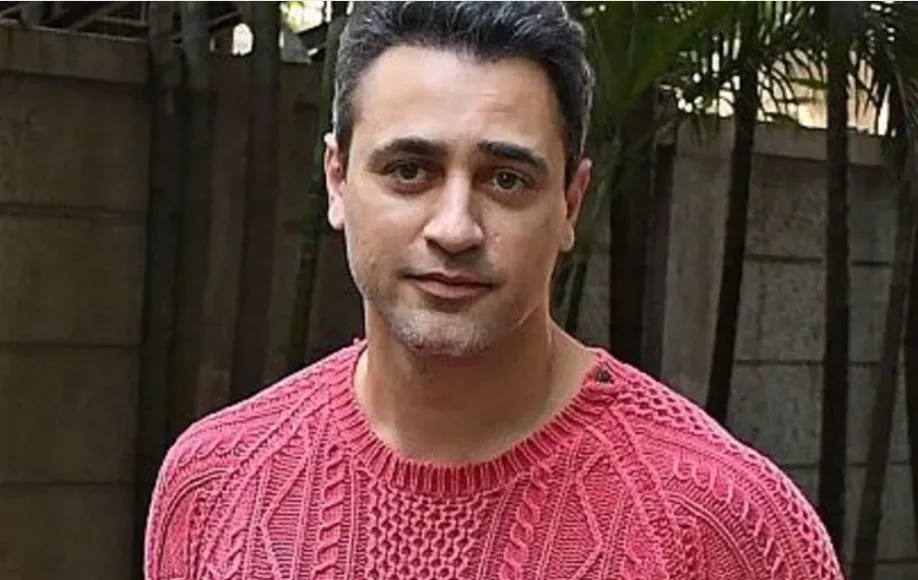
Actor Imran Khan asked to leave India after CJP protest
Actor Imran Khan has been asked to leave India by October 28, days after participating in a protest called by the Cockroach Janta Party (CJP) in Mumbai.
India News
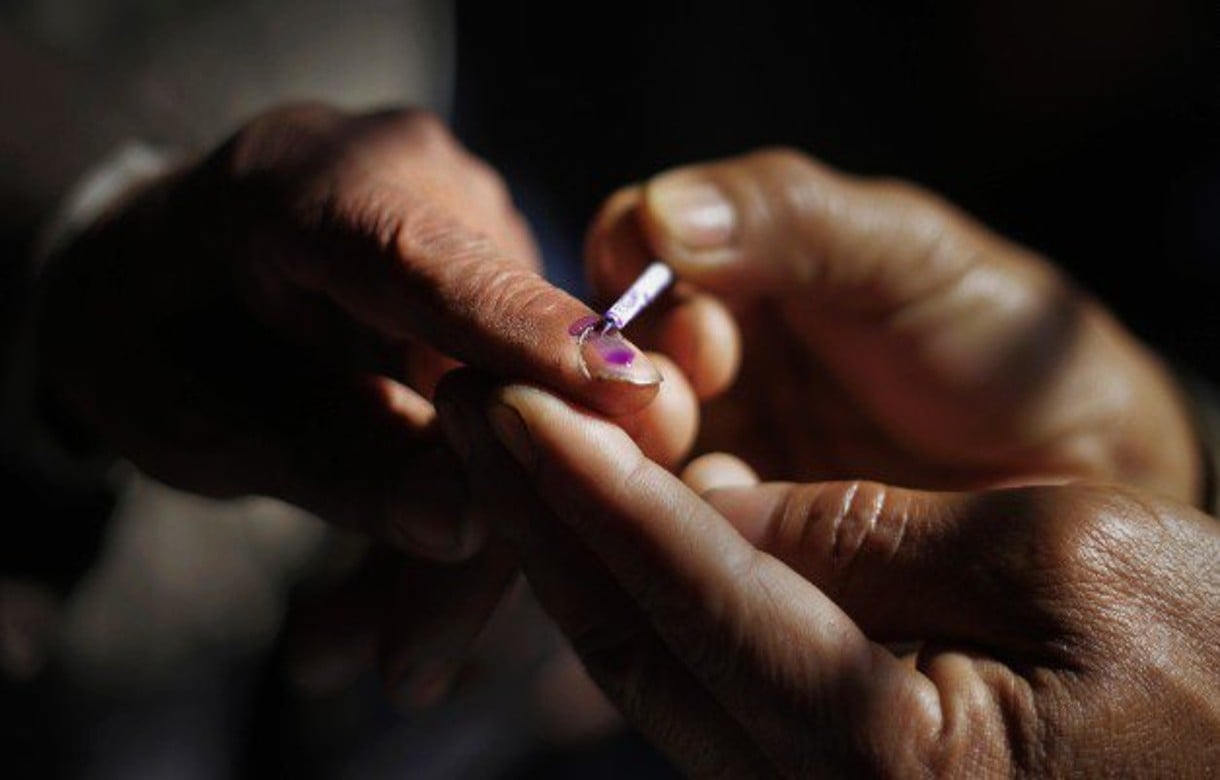
Election Commission orders voter roll revision in 17 states, UTs
The Election Commission has ordered a Special Summary Revision of electoral rolls in 17 states and Union Territories. Draft rolls are scheduled for November 12, with final rolls due on January 4, 2027.

Dhruv Rathee gets fresh summons in 2018 BJP IT cell video case

Nobody can browbeat judiciary, Chief Justice warns over Rahul Gandhi’s march

India-US trade deal first phase finalised, drafting underway

Election Commission orders voter roll revision in 17 states, UTs

Actor Imran Khan asked to leave India after CJP protest

Delhi Police offers 11-person limit for CJP’s Connaught Place protest
Actor Imran Khan asked to leave India after CJP protest
Election Commission orders voter roll revision in 17 states, UTs
India-US trade deal first phase finalised, drafting underway
Nobody can browbeat judiciary, Chief Justice warns over Rahul Gandhi’s march

Afghan Men Try To Hang With The Jet Engine Of The Aircraft in Kabul- Afghanistan News – Kabul News
Trending Top 10 News: 10000 Crore Fine on Flipkart, Apple to Launch Unique Feature, Hdfc Bank Job Ad

Trending Top 10 News: Nokia 6310, Apple sales, Bachpan ka Pyar Video Kid, Dainik Bhaskar IT Raid

Trending Top 10 News: Canada bans Indian flights, Rain in Delhi NCR, AIMIM Twitter hacked, Raj Kundra case

Trending Top 10 News: Shein India, Apple New Service, Pocket Oxygen, Oppo Launched New Phone
-
 India News12 hours ago
Dhruv Rathee gets fresh summons in 2018 BJP IT cell video case
-
 India News9 hours ago
Nobody can browbeat judiciary, Chief Justice warns over Rahul Gandhi’s march
-
 India News5 hours ago
India-US trade deal first phase finalised, drafting underway
-
 India News2 hours ago
Election Commission orders voter roll revision in 17 states, UTs
-
 India News2 hours ago
Actor Imran Khan asked to leave India after CJP protest
-
 India News57 mins ago
Delhi Police offers 11-person limit for CJP’s Connaught Place protest
