
India News
Russia asks India for help in testing, making Sputnik-V Covid-19 vaccine
Dr V K Paul, Member, NITI Aayog and co-chair, National Expert Group on Vaccine Administration for Covid-19, said three Indian companies had expressed interest in partnering with Moscow-based Gamaleya Research Institute of Epidemiology and Microbiology which has already shared the data of the phase 1 and 2 trials.


Russia has sought India’s help in manufacturing and conducting Phase 3 human trials of its Covid-19 vaccine Sputnik V, the Centre informed on Wednesday.
Dr V K Paul, Member, NITI Aayog and co-chair, National Expert Group on Vaccine Administration for Covid-19, said three Indian companies had expressed interest in partnering with Moscow-based Gamaleya Research Institute of Epidemiology and Microbiology which has already shared the data of the phase 1 and 2 trials.
He added that Russia had requested for regulatory mechanisms for Phase 3 trials in India so that the Moscow lab can comply with it and allow for trials. The development comes in the wake of the decision of AstraZeneca to halt trials after a test subject had a side-effect of an unexplained illness.
The Russian proposal to consider manufacturing through India’s network of pharmaceutical companies will be a fillip to the Make in India project.

Over India’s response to Russia’s request, Paul said India is working to facilitate Russia’s request. Once a company is finalised and regulatory clearances are in place, trials will begin with Indian volunteers. The coming together of both nations is a win-win situation for both India and the world since we can produce in large quantities, he said.
In August, Russia had unveiled its Sputnik V after its approval in the country. To show Russian confidence in the vaccine, the first publicised shot was given to one of the daughters of President Vladimir Putin.
However, Western scientists had questioned the Russian vaccine and doubted whether the product had gone through the rigours. Western scientists had also ridiculed the lack of safety data.
Read Also: Ashish Sonkar in Collaboration with Crack Creations Films is back with his new music song Barsaat
Though the study found the vaccine was safe, well-tolerated, and did not cause serious adverse events in healthy adults, Lancet researchers stressed the need for larger trials with placebo comparisons to establish the vaccine’s long-term safety and effectiveness.








India News
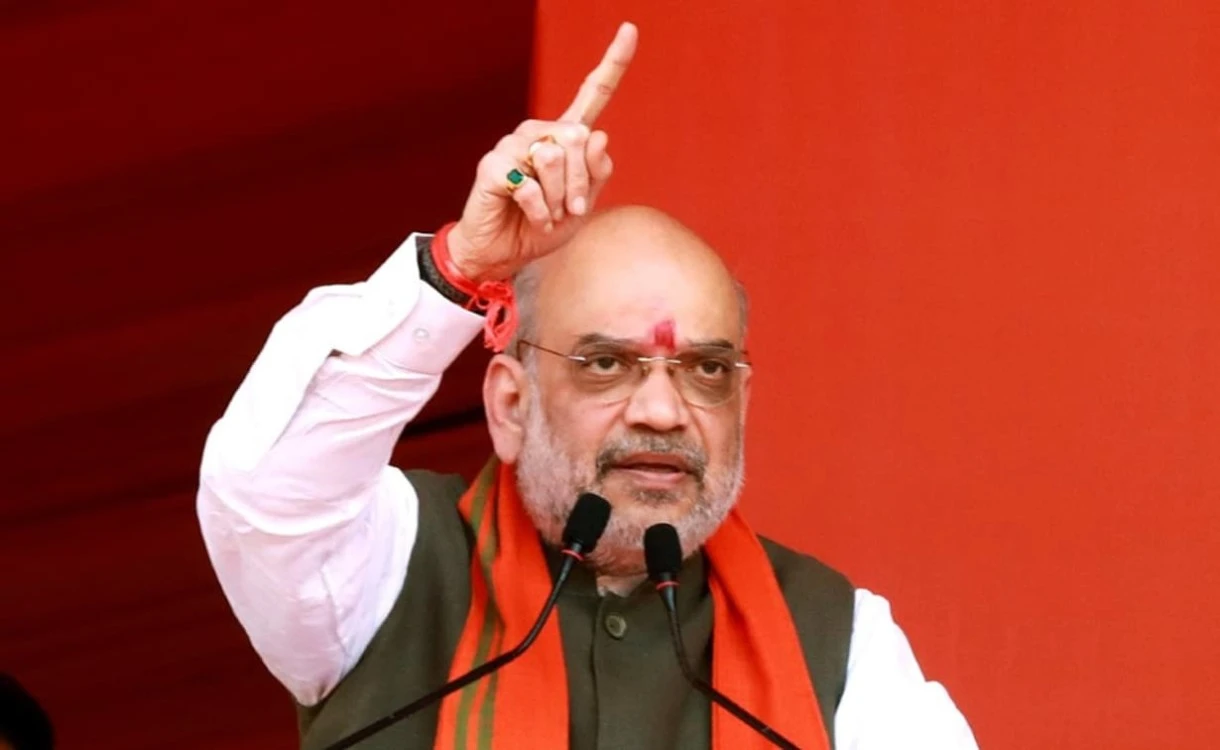
Centre sends 3 letters to Punjab government after anti-drug activist’s killing
The Centre has sought reports from the Punjab government on three incidents linked to allegations surrounding drug-related activities, including the killing of anti-drug activist Parvinder Singh Jhota.

India News
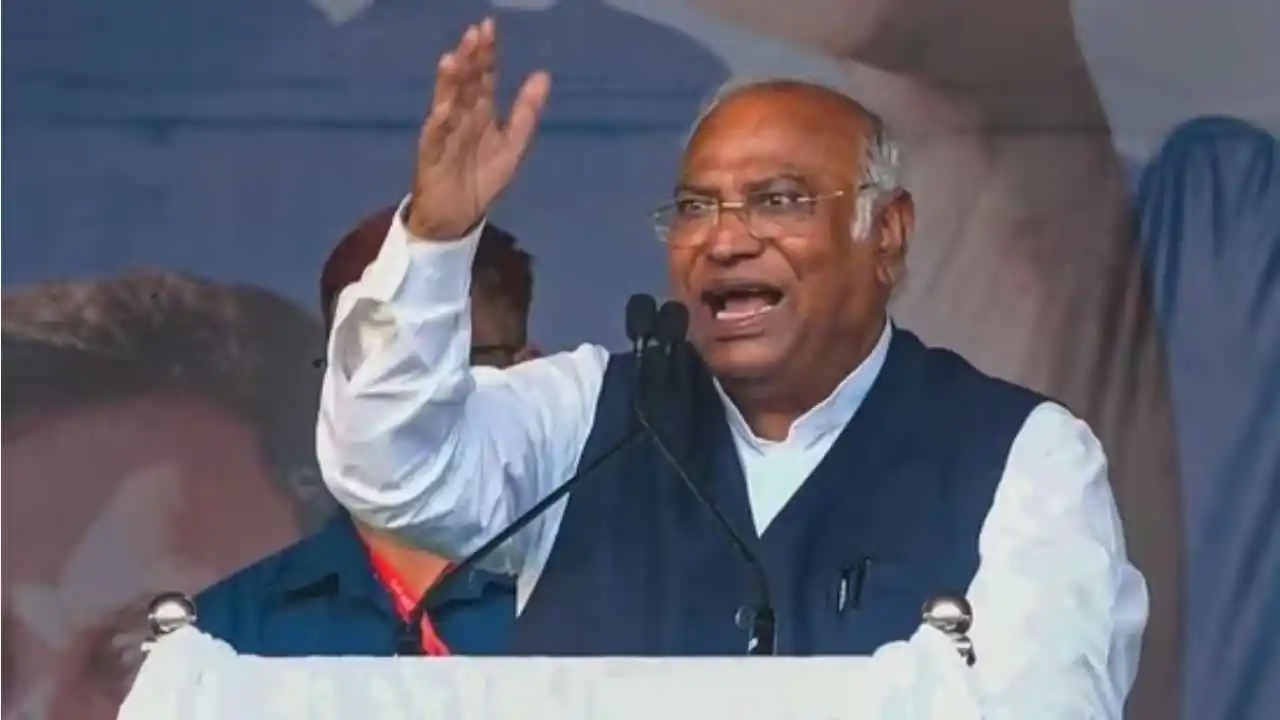
Mallikarjun Kharge seeks all-party meeting with PM Modi on delimitation
Congress president Mallikarjun Kharge has written to Prime Minister Narendra Modi for the fourth time, seeking an all-party meeting on delimitation. He also flagged the 64-day delay in proroguing Parliament’s Monsoon Session.
India News
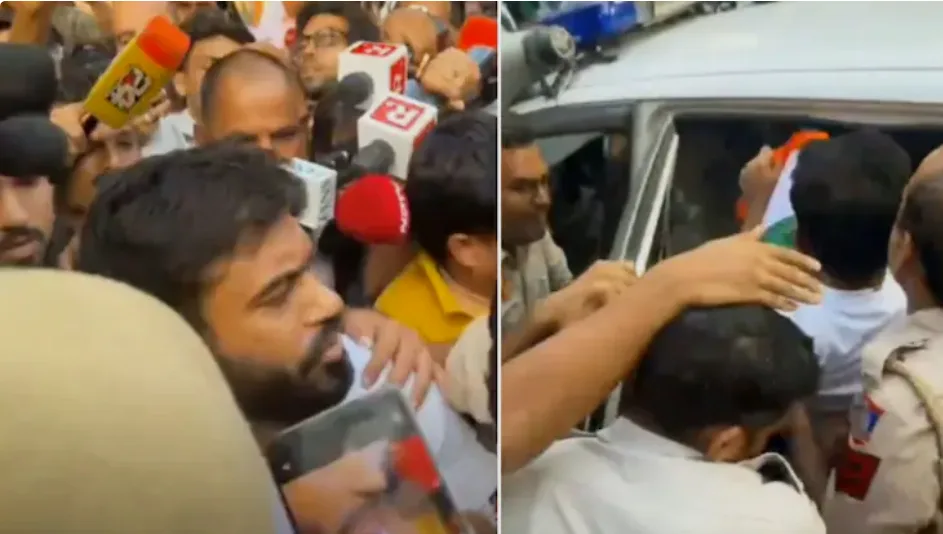
Abhijeet Dipke detained ahead of CJP’s national flag march in Delhi
Cockroach Janta Party founder Abhijeet Dipke was detained by Delhi Police on October 16, 2026, shortly before a planned national flag march. The proposed rally followed the judicial custody of two CJP members who had waved the Tricolour at Jantar Mantar.

Magnitude 7 earthquake strikes Russia’s Kamchatka Peninsula

Mallikarjun Kharge’s ‘Your Friends’ jab at Rahul Gandhi over congress exits

Delhi deploys 25,000 personnel, installs CCTV cameras ahead of CJP march

Abhijeet Dipke detained ahead of CJP’s national flag march in Delhi

Mallikarjun Kharge seeks all-party meeting with PM Modi on delimitation

Centre sends 3 letters to Punjab government after anti-drug activist’s killing
Mallikarjun Kharge seeks all-party meeting with PM Modi on delimitation
Abhijeet Dipke detained ahead of CJP’s national flag march in Delhi
Magnitude 7 earthquake strikes Russia’s Kamchatka Peninsula
Delhi deploys 25,000 personnel, installs CCTV cameras ahead of CJP march

Afghan Men Try To Hang With The Jet Engine Of The Aircraft in Kabul- Afghanistan News – Kabul News
Trending Top 10 News: 10000 Crore Fine on Flipkart, Apple to Launch Unique Feature, Hdfc Bank Job Ad

Trending Top 10 News: Nokia 6310, Apple sales, Bachpan ka Pyar Video Kid, Dainik Bhaskar IT Raid

Trending Top 10 News: Canada bans Indian flights, Rain in Delhi NCR, AIMIM Twitter hacked, Raj Kundra case

Trending Top 10 News: Shein India, Apple New Service, Pocket Oxygen, Oppo Launched New Phone
-
 Latest world news20 hours ago
Magnitude 7 earthquake strikes Russia’s Kamchatka Peninsula
-
 India News20 hours ago
Mallikarjun Kharge’s ‘Your Friends’ jab at Rahul Gandhi over congress exits
-
 India News20 hours ago
Delhi deploys 25,000 personnel, installs CCTV cameras ahead of CJP march
-
 India News11 hours ago
Abhijeet Dipke detained ahead of CJP’s national flag march in Delhi
-
 India News10 hours ago
Mallikarjun Kharge seeks all-party meeting with PM Modi on delimitation
-
 India News9 hours ago
Centre sends 3 letters to Punjab government after anti-drug activist’s killing
