
India News
A day after quitting Modi cabinet, Harsimrat Kaur says farm bills not anti-farmer


Shiromani Akali Dal (SAD) leader Harsimrat Kaur Badal on Friday said she never called the farm bills moved by the Narendra Modi government anti-farmer in what is seen as walking a tightrope between farmers’ interests and the SAD’s continuance in the National Democratic Alliance (NDA).
She said she had repeatedly asked the Central government to listen to concerns raised by the farmers and hold open discussions with them before tabling the bills in Parliament. The SAD leader quit the Cabinet on Thursday night as the debate over the bills grew animated and the government resolve behind the bills showed.
Badal said farmers feel that if the bills got passed they will be at the mercy of the private players. she added that the union government needs to take farmers’ concerns into consideration. However, on the question of her calling the bills anti-farmer, she said it does not matter what she thinks. She added the bills have come in Parliament for the benefit of the farmers and they must believe that it is in their benefit.
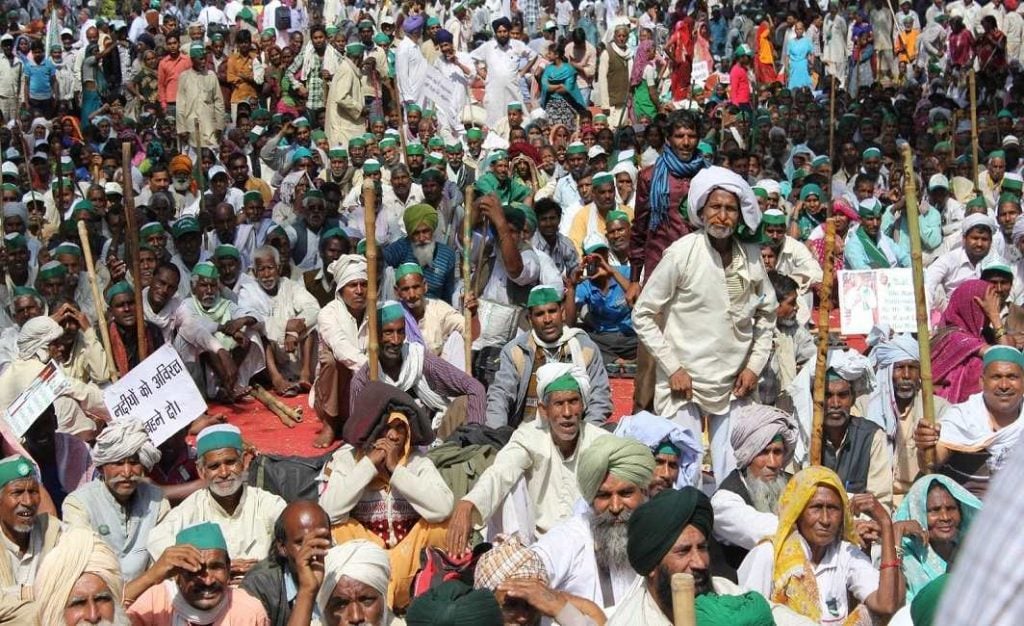
Badal’s husband and SAD president Sukhbir Singh Badal said he strongly opposed the three agriculture-related bills in the Lok Sabha. Badal said the farm bills would sound the death knell for 20 lakh farmers, 3 lakh mandi labourers, 30 lakh labourers and 30,000 arhatiyas, besides destroying food grain procurement system established over 50 years.
On the other hand, the Modi government said the proposed laws are meant to help small and marginal farmers. Calling the day of passage of bills a historic day for the country in the field of agricultural reforms, PM Narendra Modi on Friday blamed the opposition for spreading lies and misleading farmers on the legislation.
Read Also: LG Manoj Sinha announces relief package for Kashmir traders, businesses; discount for power, water bills
However, the bills have triggered massive protests from farmers, particularly in Punjab and Haryana. The bills will replace three ordinances issued in June which will now be taken up by the Rajya Sabha. Many parties are targeting the government over these bills, including the Akali Dal, the oldest ally of the BJP.









India News
Delhi deploys 25,000 personnel, installs CCTV cameras ahead of CJP march
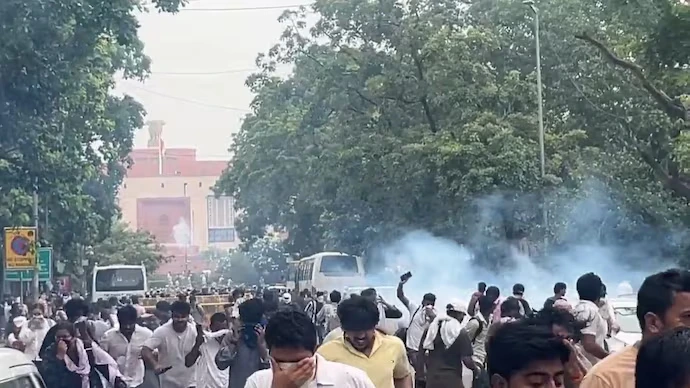
More than 25,000 police and paramilitary personnel have been deployed in Delhi ahead of the CJP’s planned protest march at Connaught Place. Authorities have also imposed restrictions and stepped up CCTV surveillance.

India News
Mallikarjun Kharge’s ‘Your Friends’ jab at Rahul Gandhi over congress exits
Congress president Mallikarjun Kharge took a dig at Rahul Gandhi after the Leader of the Opposition reportedly described former party leaders Jyotiraditya Scindia and Ghulam Nabi Azad as among those who had left the Congress.

India News
Delhi Police offers 11-person limit for CJP’s Connaught Place protest
Delhi Police has offered to facilitate a group of 11 people at Central Park in Connaught Place for the Cockroach Janata Party’s October 16 protest, while warning that violations of prohibitory orders could invite legal action.


India-US trade deal first phase finalised, drafting underway

Election Commission orders voter roll revision in 17 states, UTs

Actor Imran Khan asked to leave India after CJP protest

Delhi Police offers 11-person limit for CJP’s Connaught Place protest

Mallikarjun Kharge’s ‘Your Friends’ jab at Rahul Gandhi over congress exits

Magnitude 7 earthquake strikes Russia’s Kamchatka Peninsula

Delhi deploys 25,000 personnel, installs CCTV cameras ahead of CJP march
Mallikarjun Kharge’s ‘Your Friends’ jab at Rahul Gandhi over congress exits
Delhi Police offers 11-person limit for CJP’s Connaught Place protest
Actor Imran Khan asked to leave India after CJP protest

Afghan Men Try To Hang With The Jet Engine Of The Aircraft in Kabul- Afghanistan News – Kabul News
Trending Top 10 News: 10000 Crore Fine on Flipkart, Apple to Launch Unique Feature, Hdfc Bank Job Ad

Trending Top 10 News: Nokia 6310, Apple sales, Bachpan ka Pyar Video Kid, Dainik Bhaskar IT Raid

Trending Top 10 News: Canada bans Indian flights, Rain in Delhi NCR, AIMIM Twitter hacked, Raj Kundra case

Trending Top 10 News: Shein India, Apple New Service, Pocket Oxygen, Oppo Launched New Phone
-
 India News20 hours ago
India-US trade deal first phase finalised, drafting underway
-
 India News18 hours ago
Election Commission orders voter roll revision in 17 states, UTs
-
 India News17 hours ago
Actor Imran Khan asked to leave India after CJP protest
-
 India News16 hours ago
Delhi Police offers 11-person limit for CJP’s Connaught Place protest
-
 India News5 hours ago
Mallikarjun Kharge’s ‘Your Friends’ jab at Rahul Gandhi over congress exits
-
 India News4 hours ago
Delhi deploys 25,000 personnel, installs CCTV cameras ahead of CJP march
-
 Latest world news4 hours ago
Magnitude 7 earthquake strikes Russia’s Kamchatka Peninsula
