
India News
Unlock 5.0: Cinema halls can operate at 50% capacity, states to decide on schools
Schools and colleges, shut since March as lockdown was announced across the country, may also re-open from October 15 but the final decision has been left to the state governments.


The Ministry of Home Affairs (MHA) on Wednesday issued another set of guidelines for unlock 5.0, allowing reopening of cinemas, theatres and multiplexes from October 15 with 50% capacity, for which separate guidelines will be issued by the Ministry of Information and Broadcasting. Schools and colleges, shut since March as lockdown was announced across the country, may also re-open from October 15 but the final decision has been left to the state governments.
Besides this, swimming pools used for training of sportspersons will also be permitted to reopen, for which the standard operating procedure will be issued by the government. Even entertainment parks and similar places will be permitted to open, for which the SOPs will be issued by the Ministry of Health & Family Welfare. The government has also allowed Business to Business (B2B) Exhibitions to open, for which, the SOPs will be issued by the Department of Commerce later on.

Unlock 5.0 guidelines will be effective from 1 October and will continue till October 31 while unlock 4.0 ending on September 30. In the centre’s new guidelines, the restrictions on inter-state and intra-state movement have been lifted but the lockdown will be strictly enforced in containment zones till October 31.
The new guidelines are based on the feedback that the centre received from states and Union Territories, and extensive consultations held with related central ministries and departments.
The phase-wise unlocking was begun in June with the opening of few essential activities outside the containment zones. Over the last four months, offices, public transport including metro, domestic flights, religious places, restaurants, hotels, gyms, saloons, schools and colleges have been allowed to operate as per the state government guidelines.
Read Also: Top 4 leg workout from home
All the public activities were prohibited by the government when the Prime Minister Narendra Modi announced the nationwide lockdown in March due to the increasing number of coronavirus cases in the country. India’s coronavirus count rose to 62,25,763 after 80,472 cases and 1,179 deaths were reported on Wednesday morning. A total of 97,497 people have lost their lives due to COVID-19. India’s recovery rate is 83.01 percent while the death rate stood at 1.57 percent.








India News
Election Commission orders voter roll revision in 17 states, UTs
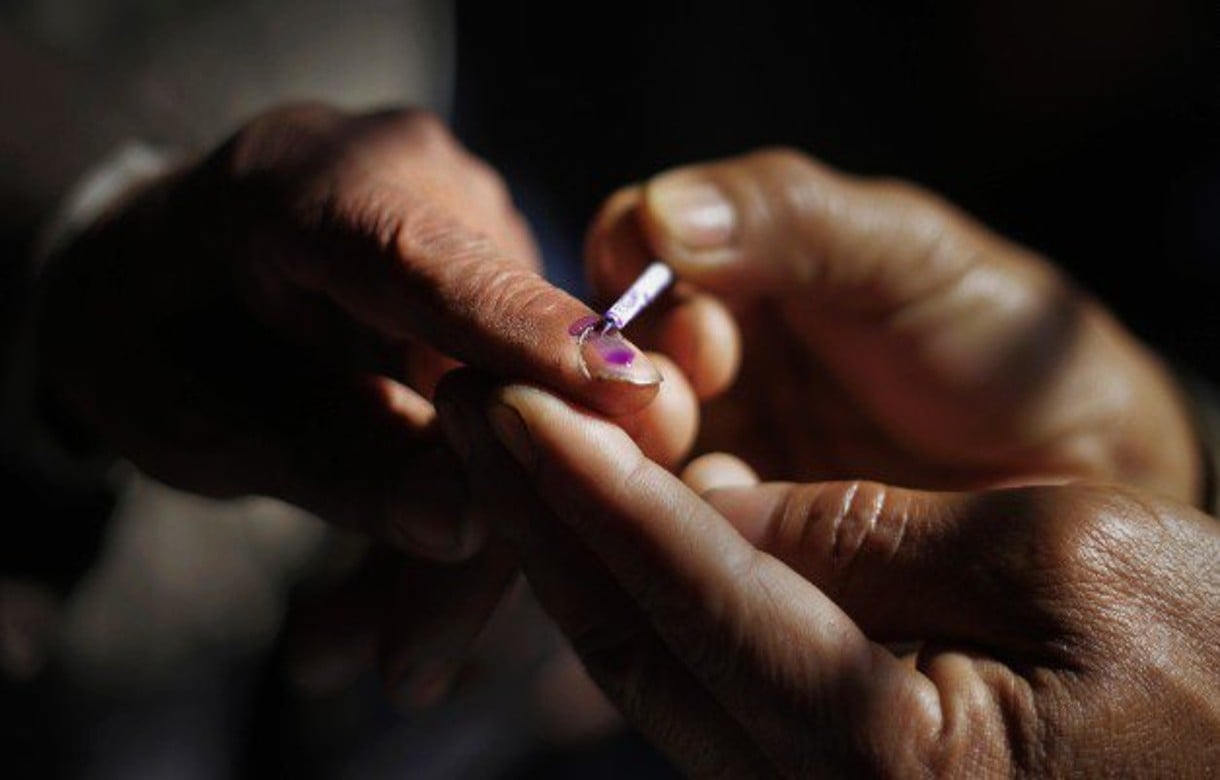
The Election Commission has ordered a Special Summary Revision of electoral rolls in 17 states and Union Territories. Draft rolls are scheduled for November 12, with final rolls due on January 4, 2027.

India News
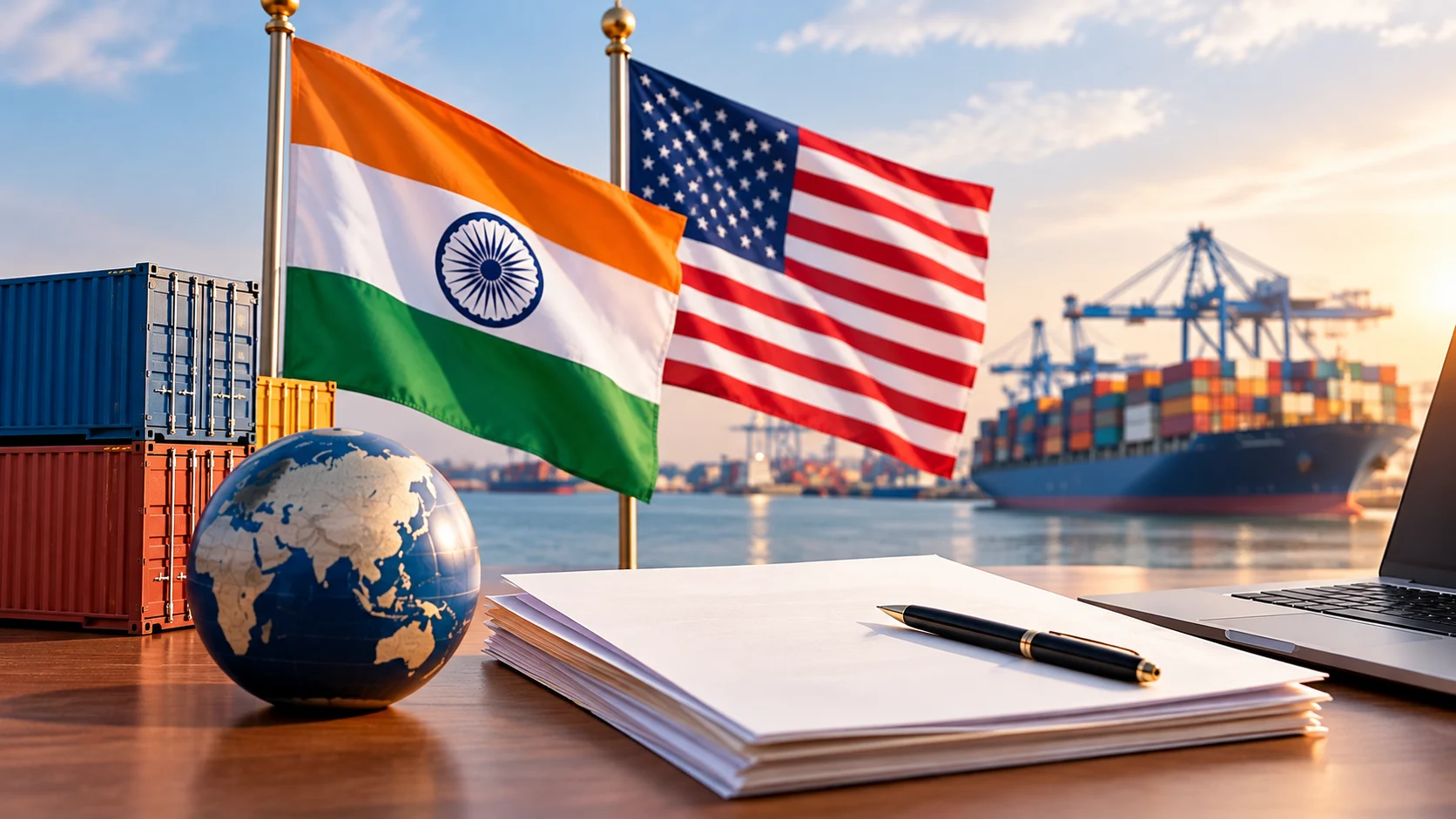
India-US trade deal first phase finalised, drafting underway
The first phase of the India-US trade agreement has been finalised and is undergoing legal drafting, Commerce Minister Piyush Goyal said. The deal is expected to be operationalised once India secures a competitive advantage over peer countries.
India News
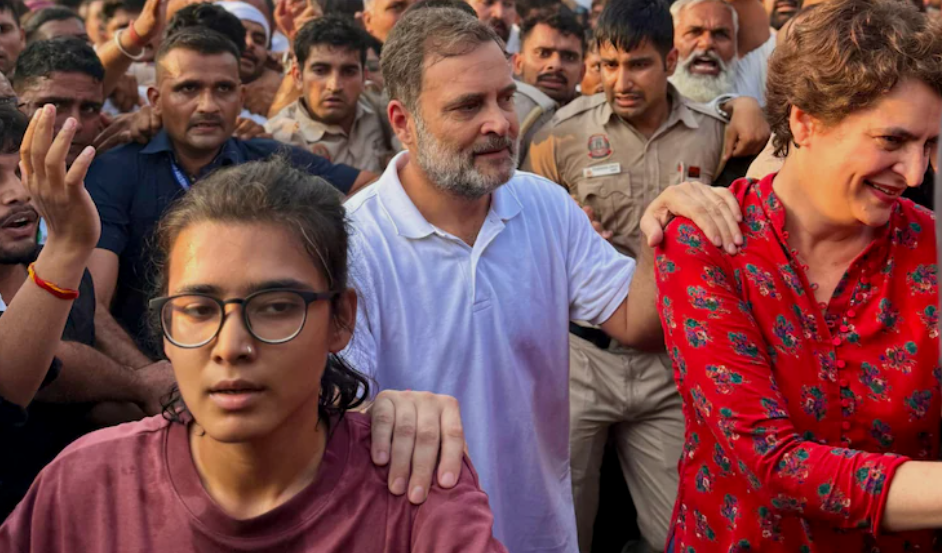
Nobody can browbeat judiciary, Chief Justice warns over Rahul Gandhi’s march
The Supreme Court issued notices to opposition leaders, including Rahul Gandhi and Akhilesh Yadav, over their march to the court on October 12 concerning irregularities in the Special Intensive Revision of electoral rolls.

Meerut murder: Muskaan Rastogi and Sahil Shukla get death sentence

Rahul Gandhi joins India Gate protest by Ankita Bhandari’s parents

Supreme Court questions EC over missing records in Sringeri election dispute

Dhruv Rathee gets fresh summons in 2018 BJP IT cell video case

Nobody can browbeat judiciary, Chief Justice warns over Rahul Gandhi’s march

Election Commission orders voter roll revision in 17 states, UTs

India-US trade deal first phase finalised, drafting underway
Nobody can browbeat judiciary, Chief Justice warns over Rahul Gandhi’s march
Dhruv Rathee gets fresh summons in 2018 BJP IT cell video case
Supreme Court questions EC over missing records in Sringeri election dispute

Afghan Men Try To Hang With The Jet Engine Of The Aircraft in Kabul- Afghanistan News – Kabul News
Trending Top 10 News: 10000 Crore Fine on Flipkart, Apple to Launch Unique Feature, Hdfc Bank Job Ad

Trending Top 10 News: Nokia 6310, Apple sales, Bachpan ka Pyar Video Kid, Dainik Bhaskar IT Raid

Trending Top 10 News: Canada bans Indian flights, Rain in Delhi NCR, AIMIM Twitter hacked, Raj Kundra case

Trending Top 10 News: Shein India, Apple New Service, Pocket Oxygen, Oppo Launched New Phone
-
 India News24 hours ago
Meerut murder: Muskaan Rastogi and Sahil Shukla get death sentence
-
 India News23 hours ago
Rahul Gandhi joins India Gate protest by Ankita Bhandari’s parents
-
 India News23 hours ago
Supreme Court questions EC over missing records in Sringeri election dispute
-
 India News10 hours ago
Dhruv Rathee gets fresh summons in 2018 BJP IT cell video case
-
 India News7 hours ago
Nobody can browbeat judiciary, Chief Justice warns over Rahul Gandhi’s march
-
 India News3 hours ago
India-US trade deal first phase finalised, drafting underway
-
 India News14 mins ago
Election Commission orders voter roll revision in 17 states, UTs
