English हिन्दी
Connect with us

Latest business news

GST rate cut: Only 35 in top bracket; quarterly filing allowed to businesses

Published

on

GST rate cut: Only 35 in top bracket; quarterly filing allowed to businesses

The GST Council in its 28th meeting on Saturday pruned rates on a number of goods including several daily use appliances such as washing machines, vacuum cleaners, small TV sets and refrigerators.

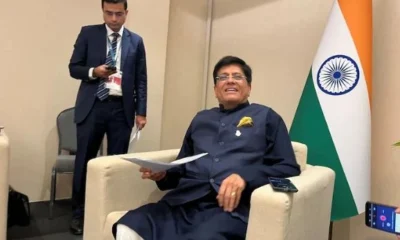
The Council meeting chaired by Finance Minister Piyush Goyal also brought down to zero the rates on a number of products, including on sanitary pads from 12 per cent to nil. This followed a year-long protests demanding this cut on an item essential for health and hygiene of women.

The Council also gave relief to small businesses and merchants by simplifying procedures and by allowing them to file quarterly rather than monthly returns, which is expected to benefit about 93percentof the over 10 million registered GST payers, said a report in The Hindustan Times (HT).

Items in the highest slab of 28 percent have been drastically reduced as the GST Council cut tax rates on 191 goods over the last one year, leaving just 35 items in the highest tax bracket.

There were around 226 goods in the 28 per cent category when GST was implemented on July 1, 2017, noted an NDTV report.

The 35 goods, which will be left in highest slab once the new GST rates are implemented from July 27, include ACs digital cameras, video recorders, dishwashing machine and automobiles,automobile parts, tyres, automobile equipment, motor vehicles, yachts, aircrafts, aerated drinks, cement,betting and demerit or ‘sin’ items like tobacco, cigarette and pan masala.

Tax rate on ethanol to be used in autofuel blending has been lowered from 12% to 5%. Besides the pruning of the 28% slab, tax rates have been reduced on a host of handicraft items.

Other than this, GST has been brought down on an array of handicraft items from 18 per cent to 12 per cent such as handbags, wooden frames, handcrafted lamps, etc. Also, handicraft items which used to attract 12 per cent of GST such as handmade carpets, lace, hand-woven tapestries and toran have been brought under the 5 per cent GST bracket.

Experts said going forward as the revenues stabilise, the Council may look at further rationalisation of the 28 per cent slab, to restrict the highest tax slab to super luxury and sin goods.

“The rate cuts would lead to a revenue loss of about Rs. 6,000 crore,” the official said. He, however, said that the revenue loss would be only notional as increased consumption and compliance would lead to more revenues to the exchequer.

“The reduction of GST rates from 28 per cent to 18 per cent shows that directionally, the Government seems to be clear that the 28 per cent rate should be restricted to super luxury and sin goods,” EY Partner Abhishek Jain was quoted by NDTV as saying.

The move to cut tax rates on items of mass consumption comes ahead of the next round of assembly elections in the states of Rajasthan, Madhya Pradesh and Chhattisgarh towards the end of the year and national polls in 2019.

Goyal said the focus of the Council was to simplify the tax regime, rationalise tax rates and give relief to small businesses, not merely revenue collection. The minister said that the revenue impact of rate cuts was marginal and better taxpayer compliance and improved consumption in the economy will more than offset the loss.

“I believe when we assess the impact of the revenue forgone and improved compliance and job creation after one year, every state will benefit,” said Goyal.

The next meeting of the Council on 4 August in the capital will exclusively focus on micro, small and medium enterprises (MSME) and on boosting digital payments, reported HT. The idea is to promote employment and entrepreneurship in the MSME sector, the minister said.

Changes in GST rates on goods and what will get cheaper:

  1. Reduced from 28 per cent to 18 per cent

Washing machines

Vacuum cleaners

Domestic electrical appliances such as food grinders and mixers & food or vegetable juice extractor, shaver, hair clippers etc

Televisions up to the size of 68 cm

Refrigerators, freezers and other refrigerating or freezing equipment including water coolers, milk coolers, refrigerating equipment for leather industry, ice cream freezer etc.

Storage water heaters and immersion heaters, hair dryers, hand dryers, electric smoothing irons etc

Lithium-ion batteries

Paints and varnishes (including enamels and lacquers)

Glaziers’ putty, grafting putty, resin cements

Special purpose motor vehicles. For instance, crane lorries, fire fighting vehicle, concrete mixer lorries, spraying lorries

Works trucks (self-propelled, not fitted with lifting or handling equipment) of the type used in factories, warehouses, dock areas or airports for short transport of goods.

Trailers and semi-trailers

Miscellaneous articles such as scent sprays and similar toilet sprays, powder-puffs and pads for the application of cosmetics or toilet preparations

2.From 28 per cent 12 per cent

Fuel Cell Vehicle(compensation cess will also be exempted)

  1. From 18/12/5 per cent to Zero

Sanitary Napkins

Stone/Marble/Wood Deities

Rakhi (other than that of precious or semi-precious material)

Coir pith compost

Sal Leaves, siali leaves and their products and Sabai Rope

PhoolBhariJhadoo (Raw material for Jhadoo)

Khali dona

Circulation and commemorative coins, sold by Security Printing and Minting Corporation of India Ltd (SPMCIL) to Ministry of Finance.

  1. From 12 per cent to 5 per cent

Chenille fabrics and other fabrics under heading 5801

Handloom dari

Phosphoric acid (fertilizer grade only)

Knitted cap/topi having retail sale value not exceeding Rs 1000

  1. From 18 per cent to 12 per cent

Bamboo flooring

Brass Kerosene Pressure Stove

Hand Operated Rubber Roller

Zip and Slide Fasteners

  1. From 18 per cent to 5 per cent

Ethanol for sale to oil marketing companies for blending with fuel

Solid biofuel pellets

Latest business news

Xbox announces 3,200 layoffs as Asha Sharma outlines major restructuring plan

Xbox has announced plans to lay off 3,200 employees over the next year while introducing a major restructuring programme that includes management changes, studio restructuring and cost-cutting measures.


Published

on

XBOX layoff

Xbox has announced plans to reduce its workforce by 3,200 employees, representing around 20 per cent of its total staff, over the coming year as part of a broader restructuring programme linked to Microsoft’s increased investment in artificial intelligence.

According to an email shared with employees by Asha Sharma, the company will begin the process immediately, with 1,600 employees leaving on Monday, while the remaining job reductions will take place during FY27. The company also plans to divest four gaming studios and is preparing to separate from another.

Business reset planned amid financial challenges

In her message to employees, Sharma said the company’s current financial position required significant changes, stating that Xbox’s business was operating at substantially lower margins than comparable platform and publishing companies.

She said the layoffs were not a reflection of employees’ commitment or abilities but were part of a wider effort to strengthen the company’s long-term business.

The workforce reduction comes as Microsoft continues implementing AI-focused cost-cutting measures across its operations. Overall, the technology company is reportedly cutting 4,800 jobs, with Xbox accounting for the largest share.

Sharma also described the gaming sector as experiencing one of its most challenging hardware periods and said the company needed to “reset Xbox” to improve its future performance.

Company to streamline operations and reduce management layers

As part of the restructuring strategy, Xbox plans to simplify its organisational structure, revise its content portfolio and improve platform operations.

According to Sharma, the company currently loses 64 cents for every dollar invested annually, making operational efficiency a key priority.

She said Xbox would increasingly support independent game creators by offering open development tools and broader audience access.

The restructuring will also see Mojang and King report directly to Sharma. She said both studios have evolved into major gaming platforms with large monthly active player bases and will play a central role in Xbox’s future strategy.

To improve decision-making, the company plans to significantly reduce its management hierarchy. Sharma said some departments currently have as many as 14 management layers, which slow down operations. Xbox aims to reduce this to no more than five layers, and in some cases, only three.

The company will also reduce vendor spending by 50 per cent as part of its cost-saving measures.

Helen Chiang promoted to Chief Operating Officer

Alongside the restructuring announcement, Sharma confirmed the promotion of Helen Chiang to the newly created position of Chief Operating Officer.

Chiang will oversee profit and loss responsibilities across Xbox’s content, hardware, platform and services divisions while reporting directly to Sharma.

According to Sharma, the new operating structure is intended to improve investment decisions, strengthen accountability and better integrate the company’s various business units.

Despite the ongoing restructuring and job cuts, Sharma said Xbox remains committed to long-term growth and plans to continue investing heavily in the business, while placing greater emphasis on disciplined spending and strategic priorities.

Continue Reading

India News

Bank holiday today: Are banks open or closed on June 29? Here’s what RBI calendar says

Banks in Himachal Pradesh and Mizoram will remain closed on June 29, 2026, due to regional holidays, while banking operations will continue normally in most other states.
Published

on

Bank Holidays

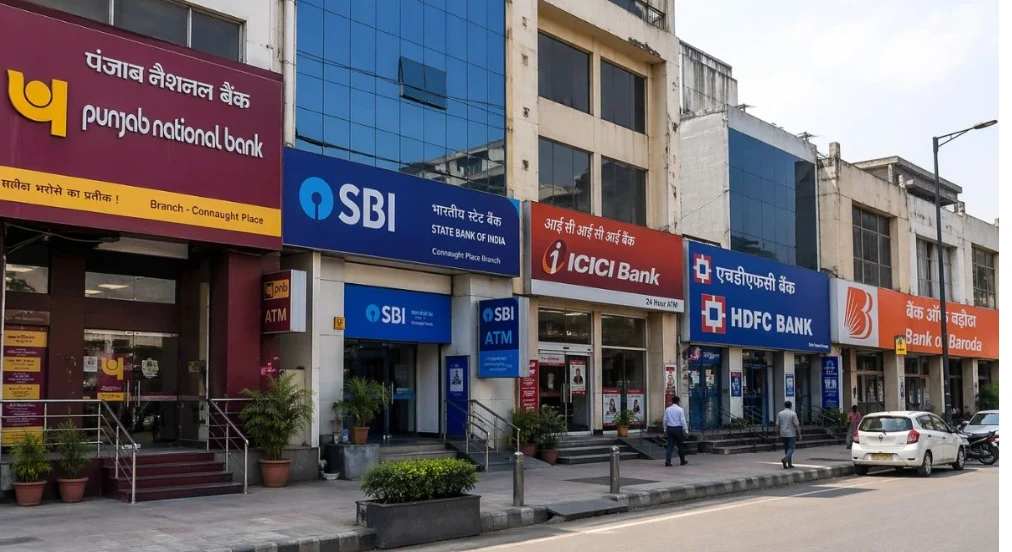
As June comes to an end, many customers are wondering whether banks across the country are open on June 29, 2026. According to the Reserve Bank of India’s (RBI) holiday calendar, bank operations will not be affected nationwide, but branches in some states will remain closed due to local holidays.

Banks closed in these states on June 29

Banks will remain shut in Himachal Pradesh on Monday, June 29, on account of Sant Guru Kabir Jayanti. In addition, bank branches in Mizoram will remain closed to observe Remna Ni, a regional public holiday.

However, bank branches in most other states and Union Territories are expected to function normally as June 29 is not a nationwide banking holiday.

Will online banking services remain available?

Even when physical branches remain closed, customers can continue using digital banking facilities. Services such as internet banking, mobile banking, UPI transactions, ATM withdrawals and cash deposits at ATMs will remain operational.

Customers planning to visit a bank branch are advised to check with their local branch beforehand, as holiday schedules may vary depending on the state and local observances.

Continue Reading

India News

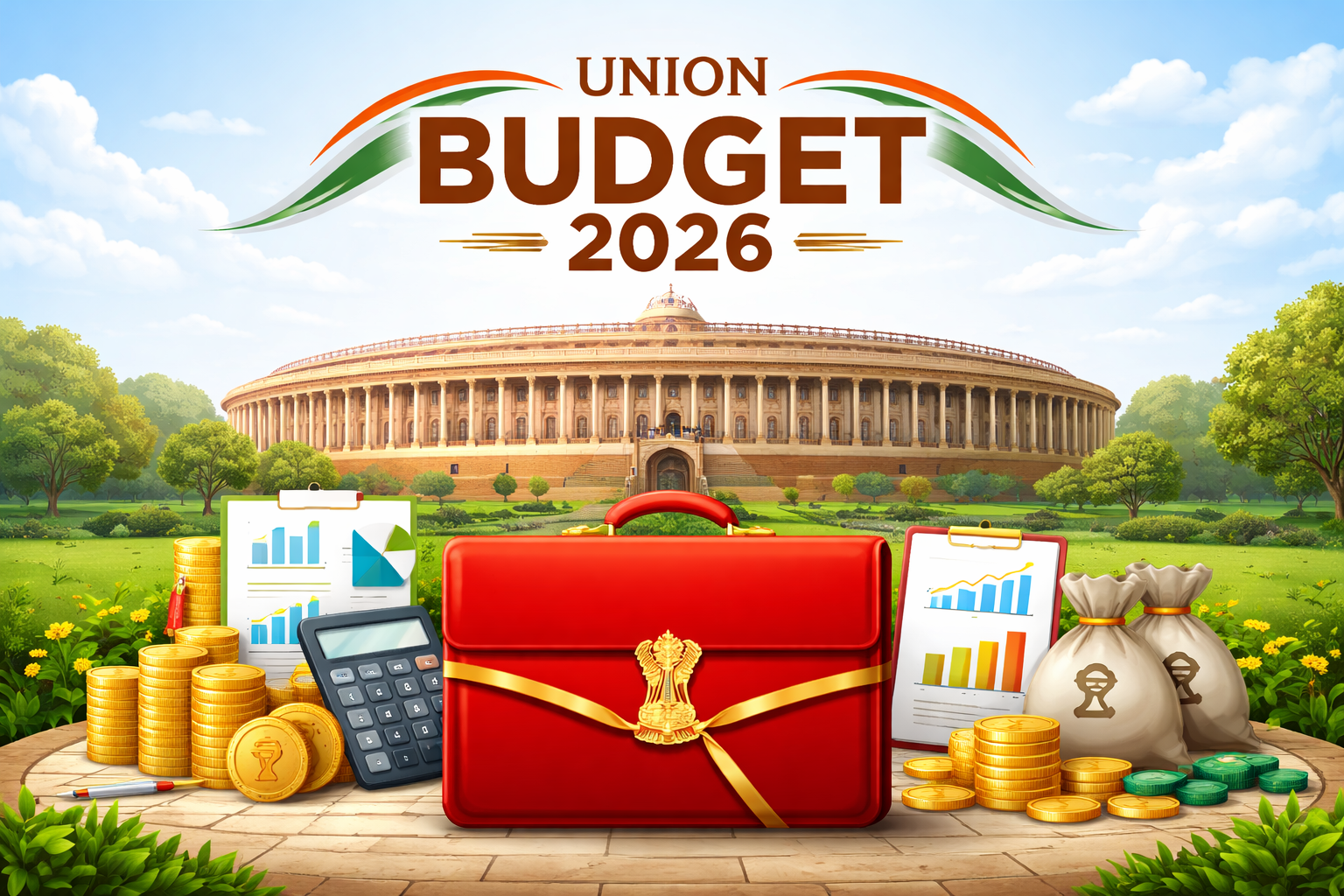
Union Budget 2026 highlights: Nirmala Sitharaman Raises Capex to Rs 12.2 Lakh Cr, West Bengal Gets Major Allocation

Finance Minister Nirmala Sitharaman is presenting the Union Budget 2026 in Parliament today. Follow this space for live updates, key announcements, and policy insights.

Published

on

Finance Minister Nirmala Sitharaman arrives to present Union Budget 2026

Finance Minister Nirmala Sitharaman will shortly present the Union Budget 2026 in the Lok Sabha, marking her ninth consecutive Budget. The annual financial statement is expected to outline the government’s policy priorities, reform agenda and spending plans for the coming year. Stay tuned for live updates, key announcements and immediate reactions as the Budget speech unfolds.

Finance Minister Nirmala Sitharaman tabled her ninth Union Budget today, beginning her speech at 11 am.

Nirmala Sitharaman is set to present her ninth Union Budget today, with the finance minister scheduled to begin her speech at 11 am.

Budget 2026 live updates: Presenting the Union Budget for 2026–27, Finance Minister Nirmala Sitharaman said the occasion coincided with Magh Purnima and the birth anniversary of Guru Ravidas. She noted that over the past 12 years, India’s economic journey has been defined by stability, fiscal discipline, sustained growth and moderate inflation.

The budgeted fiscal deficit for fiscal 2026 is estimated at 4.4 per cent of gross domestic product (GDP)

Planned capital expenditure this fiscal year Rs 11.2 lakh crore

Rare earth corrdiors in Odisha and Kerala

Hi-tech tool rooms to be set up by PSUs

Construction equipment scheme to be launched

Container manufacturing scheme for Rs 10,000 crore over 5 years

Rs 10,000 crore SME Growth Fund

Semi-conductor mission to get Rs 40,000 crore

Rs 12.2 lakh crores for infrastructure development

Dedicated RITES to repurpose land of Central PSUs

20 new waterways over next 5 years to be connected

7 high-speed corridors on rail

High-level committee on banking for next phase of Viksit Bharat

Capital expenditure hike of to ₹12.2 lakh crore in Budget 2026, with West Bengal receiving a significant share of allocations.

Mahatma Gandhi Gram Swaraj Initiative aimed at boosting the khadi, handloom, and handicrafts sectors.

High-speed rail corridors: Mumbai-Pune, Pune-Bengaluru, Hyderabad-Bengaluru, Chennai-Bengaluru, Delhi-Varanasi, Varanasi-Siliguri, Pune-Hyderabad

Five university campuses to be established near industrial corridors

Lakpati Didi program expanded in Budget 2026 to reach more beneficiaries across India.

Fiscal deficit for FY26 revised to 4.4%; Budget Estimate for FY27 set at 4.3%.

TCS on overseas tour packages cut to 2% to ease travel costs

Tax holiday to foreign companies that provide cloud services by setting up data centres in India till 2047

17 cancer drugs exempted from import duties

Continue Reading

Trending

© Copyright 2022 APNLIVE.com