
India News
Air India unveils revamp plan, looks forward to additional Rs. 1,000 crore revenue


Air India unveiled the revamped first class and business class in its fleet of Boeing aircraft flying to international destinations to woo high-end travelers and increase the occupancy from 60 per cent to over 80 per cent.
The revamped premium class has been named as “Maharaja Direct” and the airline is expecting to boost its revenue to Rs 6.5 crore per day from the existing Rs 4 crore it nets from these premium classes, PTI Reported.
Air India also unveiled a new food menu and amenities for passengers. In its quest to embrace a new and refreshing look, the airline also unveiled new uniforms for its airline staff.
Union Minister for Civil Aviation Suresh Prabhu and Minister of State for Civil Aviation Jayant Sinha unveiled the new look ‘Maharaja Direct’ at New Delhi’s luxury hotel, Ashoka on 22 June.

Air India, known for its Maharaja mascot, is saddled with about $7 billion of debt and its sale was expected to cement Prime Minister Narendra Modi’s credentials as a reformer willing to step away from running money-losing businesses, Reuters reported.
The government’s plans to privatise the national carrier received a severe jolt last month when no initial bids were received for the proposed strategic stake sale of the debt laden airlines by the end of the auction deadline on 31 May 31.
On Wednesday the government shelved its plan to sell a 76 percent stake in the debt-laden carrier due to lack of interest from bidders.
The airline now plans to focus on finding ways to remain competitive and win market share.
These changes, expected to be introduced over the next two months, could earn the airline an additional 10 billion rupees ($147 million) a year in revenue, Air India’s chairman and managing director Pradeep Singh Kharola told reporters.
The government is committed to supporting the airline and to making it competitive, junior civil aviation Minister Jayant Sinha said, adding Air India was also looking at flying to new destinations in Africa, Australia, and North America.

According to reports, Air India has been losing domestic market share to rapidly expanding lower-cost operators such as InterGlobe Aviation Ltd’s (INGL.NS) IndiGo and SpiceJet Ltd (SPJT.BO) that are now looking to expand their international routes as well.
While Minister Suresh Prabhu told media on Tuesday that stake sale of the airline would have to be put on the back-burner for the time being given the poor response, Minister of State Jayant Sinha said on Wednesday at a press conference, there wasn’t any Plan B on the table. “We are committed to the strategic disinvestment of Air India,” declared Sinha, while flanked by Prabhu on one side.
Air India says there won’t be a premium attached to the business and first class ticket prices as a result of this look overhaul. Instead, it says, funds will be dug into from the annual installment of the Rs 30,000 crore bailout package announced for the cash-strapped airline in 2012.
Air India’s chairman and managing director Pradeep Singh Kharolais looking forward to raising the “passenger load factor” of business and first class seats to 80 per cent in the coming time. This is likely to bring in additional revenue of Rs.1,000 crore per annum, said Kharola, reported Reuters.
The Minister of state for civil aviation Jayant Sinha said that Air India is looking at flying to new destinations in Australia, Africa and North America.




India News
Centre sends 3 letters to Punjab government after anti-drug activist’s killing
The Centre has sought reports from the Punjab government on three incidents linked to allegations surrounding drug-related activities, including the killing of anti-drug activist Parvinder Singh Jhota.

India News
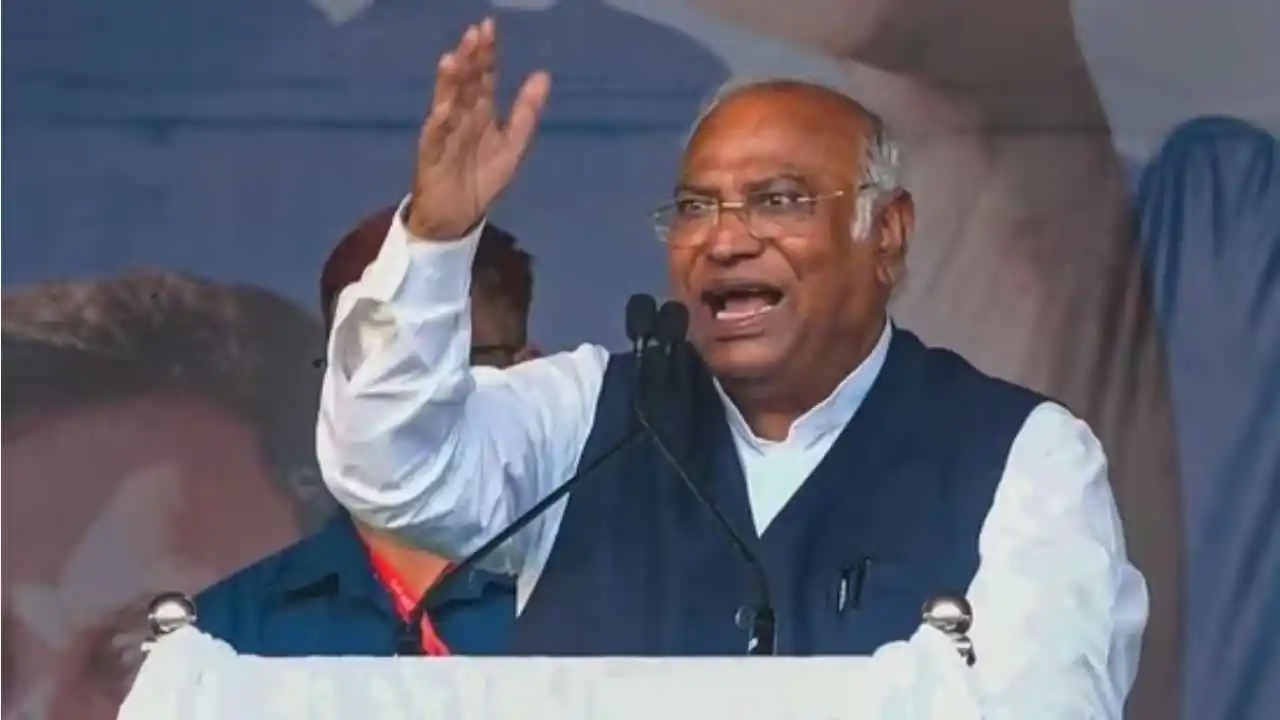
Mallikarjun Kharge seeks all-party meeting with PM Modi on delimitation
Congress president Mallikarjun Kharge has written to Prime Minister Narendra Modi for the fourth time, seeking an all-party meeting on delimitation. He also flagged the 64-day delay in proroguing Parliament’s Monsoon Session.
India News
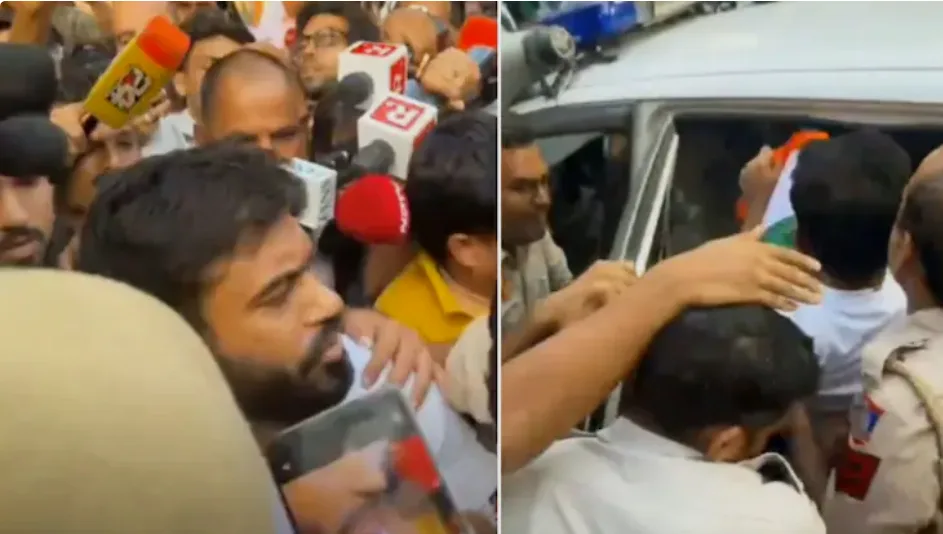
Abhijeet Dipke detained ahead of CJP’s national flag march in Delhi
Cockroach Janta Party founder Abhijeet Dipke was detained by Delhi Police on October 16, 2026, shortly before a planned national flag march. The proposed rally followed the judicial custody of two CJP members who had waved the Tricolour at Jantar Mantar.

Delhi Police offers 11-person limit for CJP’s Connaught Place protest

Magnitude 7 earthquake strikes Russia’s Kamchatka Peninsula

Mallikarjun Kharge’s ‘Your Friends’ jab at Rahul Gandhi over congress exits

Delhi deploys 25,000 personnel, installs CCTV cameras ahead of CJP march

Abhijeet Dipke detained ahead of CJP’s national flag march in Delhi

Centre sends 3 letters to Punjab government after anti-drug activist’s killing

Mallikarjun Kharge seeks all-party meeting with PM Modi on delimitation
Abhijeet Dipke detained ahead of CJP’s national flag march in Delhi
Magnitude 7 earthquake strikes Russia’s Kamchatka Peninsula
Delhi deploys 25,000 personnel, installs CCTV cameras ahead of CJP march

Afghan Men Try To Hang With The Jet Engine Of The Aircraft in Kabul- Afghanistan News – Kabul News
Trending Top 10 News: 10000 Crore Fine on Flipkart, Apple to Launch Unique Feature, Hdfc Bank Job Ad

Trending Top 10 News: Nokia 6310, Apple sales, Bachpan ka Pyar Video Kid, Dainik Bhaskar IT Raid

Trending Top 10 News: Canada bans Indian flights, Rain in Delhi NCR, AIMIM Twitter hacked, Raj Kundra case

Trending Top 10 News: Shein India, Apple New Service, Pocket Oxygen, Oppo Launched New Phone
-
 India News24 hours ago
Delhi Police offers 11-person limit for CJP’s Connaught Place protest
-
 Latest world news12 hours ago
Magnitude 7 earthquake strikes Russia’s Kamchatka Peninsula
-
 India News12 hours ago
Mallikarjun Kharge’s ‘Your Friends’ jab at Rahul Gandhi over congress exits
-
 India News12 hours ago
Delhi deploys 25,000 personnel, installs CCTV cameras ahead of CJP march
-
 India News3 hours ago
Abhijeet Dipke detained ahead of CJP’s national flag march in Delhi
-
 India News1 hour ago
Mallikarjun Kharge seeks all-party meeting with PM Modi on delimitation
-
 India News19 mins ago
Centre sends 3 letters to Punjab government after anti-drug activist’s killing
