
India News
Army helicopter crash: CDS General Bipin Rawat got selected in NDA because of matchbox, know full story
General Bipin Rawat, shared his personal experience with students preparing to become officers in the Indian Army few years back and narrated the story of the days when he was preparing for NDA.

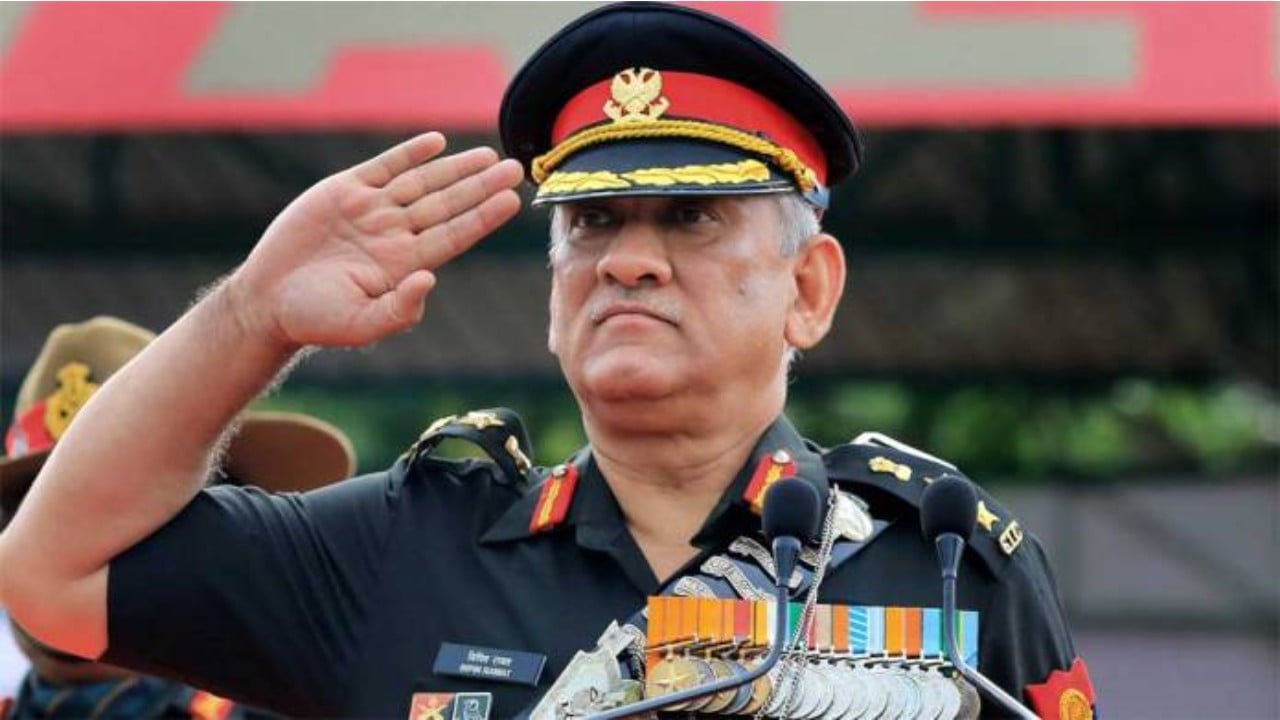
Chief of Defense Staff General Bipin Rawat is no more! Thirteen people including CDS General Bipin Rawat, his wife have died in a helicopter crash in Coonoor, Tamil Nadu. The mortal remains of General Bipin Rawat and his wife will be brought to Delhi on Thursday and will be cremated with state honors on Friday.
General Bipin Rawat, who was known for speaking freely in the national interest, has a long list of accomplishments in his 37-year military career. He lived by the principle of making a decision and sticking to it. This was a principle he learned early in his military career.
Gen Bipin Rawat, born in Uttarakhand’s Pauri Garhwal, has long aspired to join the Indian Army. Gen Bipin Rawat, who has served the nation for a long time, shared his personal experience with students preparing to become officers in the Indian Army few years back and narrated the story of the days when he was preparing for NDA.
Interview- Where the fate of candidates were to be decided
While narrating the story, Gen Bipin Rawat said that he had to go to the Service Selection Board which was being held in Allahabad (now Prayagraj) after passing the NDA exam of UPSC. Following the 4 to 5 days of intensive and rigorous training and testing, the candidates had their final interview. All the aspirants were standing outside the interview room. One by one, candidates were being called inside and questions were asked. Later, he added that these were the only few minutes that could decide their future, whether they may have either allowed them to join the NDA or had kicked them out based on their interview.
When General Bipin Rawat’s turn came!
While describing his story, Gen Bipin Rawat said that when finally his turn came, a Brigadier rank officer was waiting in the room to interview him. He further added that as a young student, he was also frightened while going to the office. At first, the interviewer asked him four or five simple questions which made him comfortable. After that, he asked about his hobby, to which Gen Rawat said he is fond of trekking.
The most important question and General Rawat’s impressive answer
General Rawat said that as soon as he said trekking, the officials asked him what is the one thing that he would like to carry during a 4-5 day trek?
General Rawat revealed that he told the officials that he would keep a matchbox with him in such a situation. When asked why did he choose a matchbox among the most important things to carry while trekking, to which he said that if he had a matchbox, he could do so many things with this one thing while trekking and could do many activities. General Bipin Rawat said that even before humans evolved, a fire was considered the most crucial part of our life. So he realized that the matchbox might be the most important piece of his tracking gear.
When General Bipin Rawat was forced to change his answer
Gen Rawat said that the officer tried various attempts to manipulate and pressurize him to change the answer as there can be something else he could carry like a knife, rucksack bag, or books instead of a matchbox. He further said that he listened to him very carefully but in situations like trekking, that he was told about, he stood humbly on the decision to carry the matchbox as the most important thing.
Finally General Bipin Rawat got selected!
General Bipin Rawat further added that he doesn’t know what effect his answer had on the officer’s mind but he got selected for the National Defense Army. Later he said that staying on the decision for carrying matchbox while trekking despite being pressurized to change his answer, led to his selection for the NDA.
This is how matchbox played a role in his selection.

India News
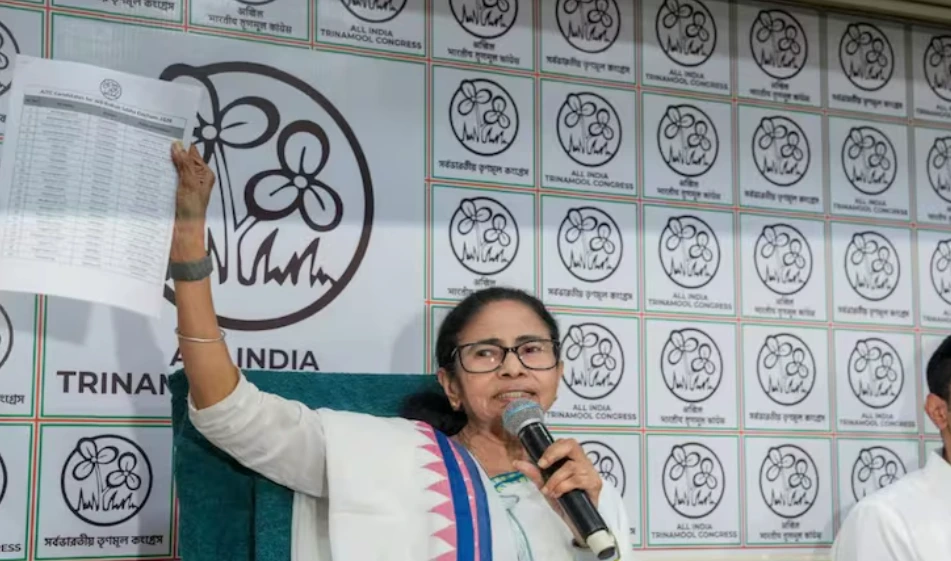
Mamata Banerjee warns BJP, EC over Bengal polls, says they will be accountable
Mamata Banerjee holds BJP and Election Commission responsible for any incidents during Bengal polls, raising concerns over officer transfers.

India News
Centre assures action on LPG supply disruption, court closes distributors’ plea
The Bombay High Court closed a plea by LPG distributors after the Centre assured diplomatic efforts to stabilise supply amid global disruptions.
India News
Om Birla likely to move motion to revoke suspension of 8 opposition MPs today
The Lok Sabha is likely to revoke the suspension of eight opposition MPs today, with a motion expected to be moved by the government following consensus on maintaining discipline.
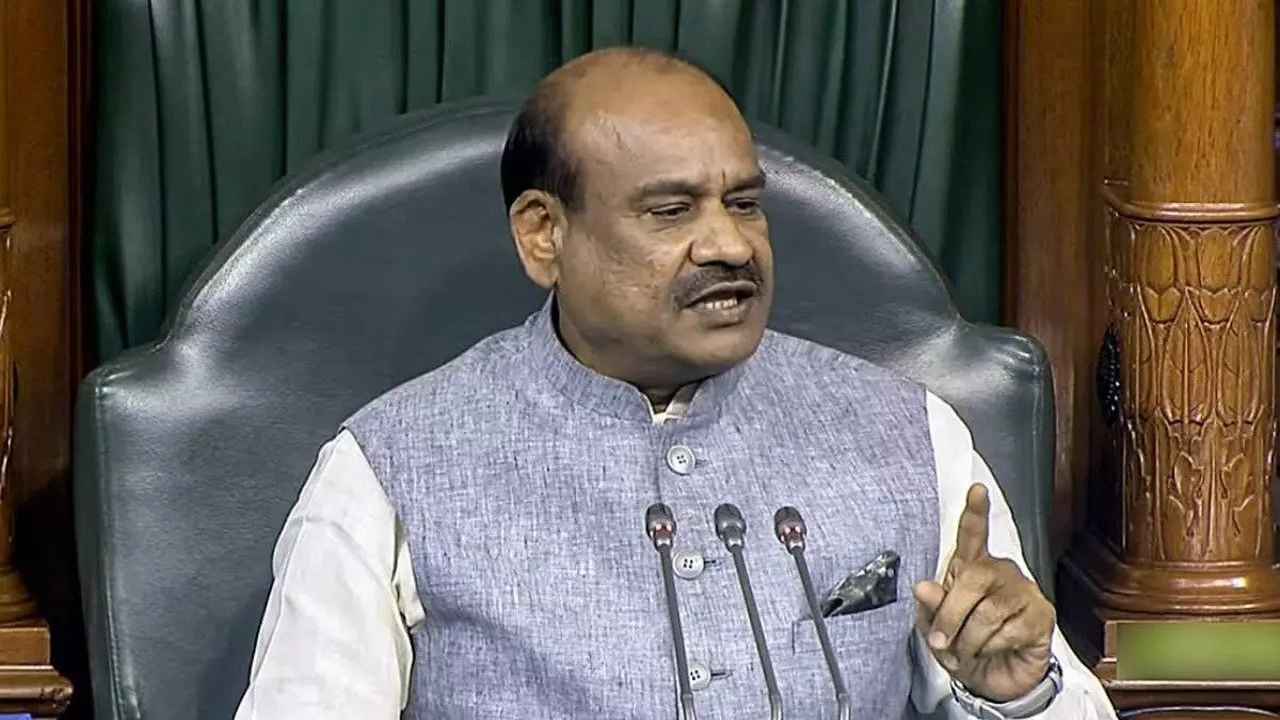

Om Birla likely to move motion to revoke suspension of 8 opposition MPs today

Pakistan airstrike allegations on Kabul hospital leave hundreds dead, claims Taliban

Maharashtra passes freedom of religion bill with jail term up to 10 years

Mamata Banerjee writes to poll chief over officers’ reshuffle, calls move arbitrary

Centre assures action on LPG supply disruption, court closes distributors’ plea

Top US counterterrorism official resigns over Iran war, cites conscience

Mamata Banerjee warns BJP, EC over Bengal polls, says they will be accountable
Centre assures action on LPG supply disruption, court closes distributors’ plea
Om Birla likely to move motion to revoke suspension of 8 opposition MPs today
Maharashtra passes freedom of religion bill with jail term up to 10 years

Afghan Men Try To Hang With The Jet Engine Of The Aircraft in Kabul- Afghanistan News – Kabul News
Trending Top 10 News: 10000 Crore Fine on Flipkart, Apple to Launch Unique Feature, Hdfc Bank Job Ad

Trending Top 10 News: Nokia 6310, Apple sales, Bachpan ka Pyar Video Kid, Dainik Bhaskar IT Raid

Trending Top 10 News: Canada bans Indian flights, Rain in Delhi NCR, AIMIM Twitter hacked, Raj Kundra case

Trending Top 10 News: Shein India, Apple New Service, Pocket Oxygen, Oppo Launched New Phone
-
 India News16 hours ago
Om Birla likely to move motion to revoke suspension of 8 opposition MPs today
-
 India News17 hours ago
Pakistan airstrike allegations on Kabul hospital leave hundreds dead, claims Taliban
-
 India News16 hours ago
Maharashtra passes freedom of religion bill with jail term up to 10 years
-
 India News17 hours ago
Mamata Banerjee writes to poll chief over officers’ reshuffle, calls move arbitrary
-
India News7 hours ago
Centre assures action on LPG supply disruption, court closes distributors’ plea
-
 India News5 hours ago
Mamata Banerjee warns BJP, EC over Bengal polls, says they will be accountable
-
 Latest world news5 hours ago
Top US counterterrorism official resigns over Iran war, cites conscience
