
India News
Army Major arrested for killing officer’s wife: when she refused, he killed her


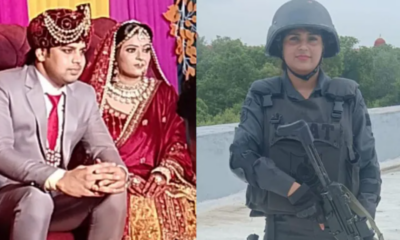
The Delhi police have arrested Major Nikhil Handa in the murder case of Army Major’s wife Shailaja Dwivedi. Major Amit Dwivedi’s wife was found dead on 24 June, Saturday at around 1:30 afternoon with her throat slit and body run over by the killer’s Honda City car on Brar Square, close to Delhi Cantonment metro station.
Initially, the police were informed that a woman had died in an accident. Later, when they inspected the body, it was found that her throat was slit, PTI reported.
“Major Handa had slit her throat inside the car and thrown the body near the metro station. To make the killing look an accident, he crushed her four times from his white Honda City and fled. He went to his house in Saket and tried to wash off the car. He was keeping a tab on the news channels and after the news broke about the recovery of the body, he switched off his cell phone and fled to Meerut,” a senior official close to the investigation said.
The accused was soon arrested from Meerut and brought to Delhi. According to the police, Shailaja was last seen with an unidentified man in a private car. Later, passersby informed the police about an unidentified woman’s body lying on the road. After the police reached the crime scene, they found that the 30-year-old woman’s throat was slit by a sharp-edged weapon. The cops have also found some evidence in Shailaja’s phone, which points out to some kind of estrangement between her and the murderer.
Shailaja dropped at the Army Base Hospital for a physiotherapy session
According to reports, Shailaja was dropped at the Army Base Hospital in Delhi Cantonment in her husband’s official vehicle by a driver. The deceased had left home in the morning for a physiotherapy session. However, when the driver went to pick her up, he was told that the major’s wife didn’t come for a physiotherapy session.
Shailaja, who was last seen in Major Nikhil’s car, met him on Saturday at the base hospital where the victim had come for physiotherapy and accused had come to visit his son. In the car, the two had a heated argument after which the accused took his knife and slit her throat and threw her on the street. He then ran her over to disguise the murder as an accident, Police said.
After Nikhil killed Shailaja, he returned to the hospital and then went home (in Saket, Delhi) where he saw the news about Shailaja’s murder on TV. Later, Nikhil drove to the hospital again to review the situation after which he left for Meerut where he was posted for three years. His plan was to hide there until the situation had cooled down.
“After switching off the mobile, he used WhatsApp calling. He was tracked by the team and it was learned that he was moving towards Meerut. The Army base was his hide-out as he was posted there for three years. He was arrested from there,” said Deputy Commissioner of Police (DCP) Vijay Kumar.
Major Nikhil Handa was ‘obsessed’, wanted to marry Shailaja
Shailaja’s husband Major Amit Dwivedi is posted in Dimapur, Nagaland. The two got married in 2009 and have a six-year-old son. Major Handa and Shailaja Dwivedi met in 2015 in Nagaland they became friends.
Major Nikhil was “obsessed” with his colleague’s wife and wanted to marry Shailaja. When she refused, he killed her, the Delhi Police revealed today. He (Nikhil) kept insisting on tying the knot despite her showing no interest in marriage, the police said. The police on Sunday said that Nikhil Handa’s call records showed that he had rung Shailaja many times, but when they tried looking for him after the crime was committed, he was absconding. Shailaja’s husband Amit Dwivedi had caught the two on a video call and was against their relationship and didn’t want the two to have any kind of contact with each other, the police further said.
“Major Amit Dwivedi was aware of their affair and had warned the duo to end the relationship. Shailza tried to call off the relationship after she was caught doing obscene video calling. She then stopped talking to him and shifted to Delhi with her husband,” an official close to the investigation said.
Nikhil, who was also posted in Dimapur in Nagaland, had gotten his son admitted to the Army Base Hospital in Delhi cantonment so that he could meet Shailaja. After shifting to Delhi, Shailaja started visiting the hospital in Delhi Cantonment. He also brought his son along for the treatment in the hospital.
Major Amit Dwivedi raised his suspicion on Handa
During the investigation, the police found evidence in Shailaja’s phone, which pointed out to some kind of estrangement between her and Nikhil Handa.
After Nikhil switched off his phone and went absconding after killing Shailaja, his Honda City car was spotted in Meerut at a toll booth. Delhi Police dispatched a team to arrest Nikhil who was then brought to Delhi. Major Handa had two knives out of which one has been recovered. His car has also been confiscated.
Shailaja was a Mrs. India Earth finalist. “She had an extramarital affair with Major Nikhil Handa. Both her husband and lover were posted in Nagaland’s Dimapur city but, two months ago, Major Amit Dwivedi got transferred to Delhi,” police said.








India News
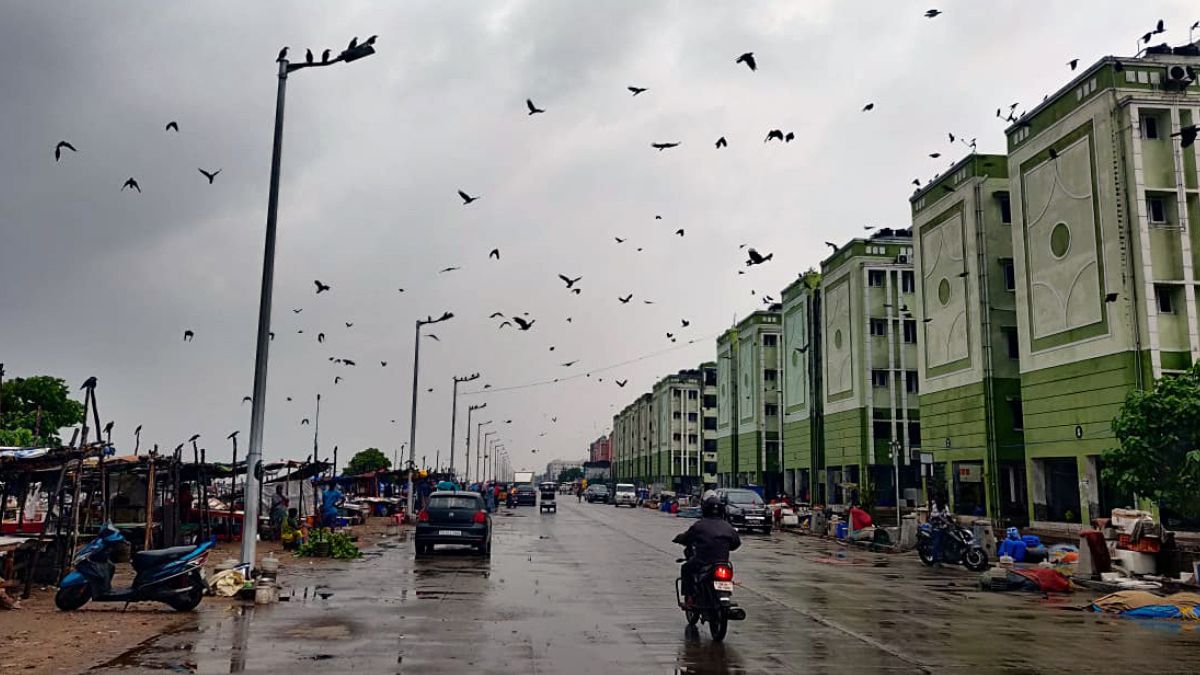
Late-March western disturbance brings 1,000-km rain band across India, Pakistan and Afghanistan
An unusual western disturbance has created a 1,000-km rain band, bringing widespread storms, rainfall and hail across parts of India and neighbouring countries.

India News
Mamata Banerjee slams poll body over officials’ transfer, calls move unprecedented
Mamata Banerjee has criticised the Election Commission for transferring senior officials ahead of West Bengal elections, alleging bias and procedural overreach.

India News
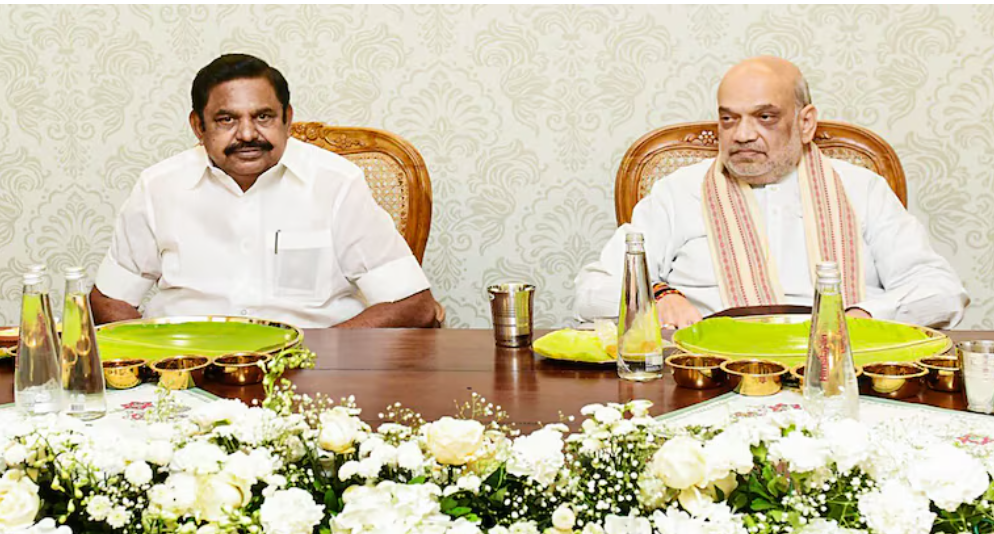
AIADMK-BJP seat-sharing talks to be finalised soon, says Edappadi K Palaniswami after Amit Shah meet
AIADMK chief Edappadi K Palaniswami says seat-sharing talks with BJP are in final stages and will conclude within days ahead of Tamil Nadu 2026 elections.

Mamata Banerjee slams poll body over officials’ transfer, calls move unprecedented

PM Modi speaks to Qatar, France, Jordan, Oman and Malaysia leaders on Middle East tensions

Oppo K14 5G launched in India with 7000mAh battery, starts at Rs 17,999

AIADMK-BJP seat-sharing talks to be finalised soon, says Edappadi K Palaniswami after Amit Shah meet

Late-March western disturbance brings 1,000-km rain band across India, Pakistan and Afghanistan

Eid Mubarak 2026 wishes and greetings highlight joy and togetherness

Bangladesh envoy meets S Jaishankar, Dhaka foreign minister may visit India in April
Late-March western disturbance brings 1,000-km rain band across India, Pakistan and Afghanistan
Oppo K14 5G launched in India with 7000mAh battery, starts at Rs 17,999
Mamata Banerjee slams poll body over officials’ transfer, calls move unprecedented

Afghan Men Try To Hang With The Jet Engine Of The Aircraft in Kabul- Afghanistan News – Kabul News
Trending Top 10 News: 10000 Crore Fine on Flipkart, Apple to Launch Unique Feature, Hdfc Bank Job Ad

Trending Top 10 News: Nokia 6310, Apple sales, Bachpan ka Pyar Video Kid, Dainik Bhaskar IT Raid

Trending Top 10 News: Canada bans Indian flights, Rain in Delhi NCR, AIMIM Twitter hacked, Raj Kundra case

Trending Top 10 News: Shein India, Apple New Service, Pocket Oxygen, Oppo Launched New Phone
-
 India News15 hours ago
Mamata Banerjee slams poll body over officials’ transfer, calls move unprecedented
-
 Latest world news15 hours ago
PM Modi speaks to Qatar, France, Jordan, Oman and Malaysia leaders on Middle East tensions
-
 Gadgets14 hours ago
Oppo K14 5G launched in India with 7000mAh battery, starts at Rs 17,999
-
 India News15 hours ago
AIADMK-BJP seat-sharing talks to be finalised soon, says Edappadi K Palaniswami after Amit Shah meet
-
 India News9 hours ago
Late-March western disturbance brings 1,000-km rain band across India, Pakistan and Afghanistan
-
 Latest world news5 hours ago
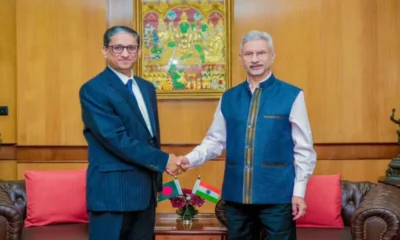
Bangladesh envoy meets S Jaishankar, Dhaka foreign minister may visit India in April
-
 Festivals4 hours ago
Eid Mubarak 2026 wishes and greetings highlight joy and togetherness
