
India News
Babri demolition anniversary: Alert in Mathura after Hindu Mahasabha announces recitation of Hanuman Chalisa in Shahi Idgah mosque
SSP Shailesh Pandey said that no programme will be allowed to happen without permission. Intelligence forces are on a constant vigil.


An alert has been issued in Mathura on December 6, the anniversary of the Babri demolition. The Akhil Bharat Hindu Mahasabha announced that they would recite the Hanuman Chalisa inside the Shahi Idgah mosque on Tuesday. The Mahasabha said that the Chalisa would be read in the original sanctum sanctorum of Shri Krishna Janmabhoomi. The gathering gave the slogan of Mathura Chalo, after which there is alert in the district.
After this, the police have put barricades on the way to the mosque. Vehicles are being checked. The rail line near the Idgah mosque has been closed. Hindu Mahasabha activist Saurabh Sharma, who was coming to perform Jalabhishek of Laddu Gopal at Shahi Idgah in the morning, has been taken into custody by the police.
Read Also: Stone pelting at Indo-Nepal border: Indian traders block bridge, stage protest

Hindu Mahasabha official threatens to commit suicide
National Treasurer Dinesh Sharma has released a video. In the video it was said that if he is stopped from reciting Hanuman Chalisa, he would commit suicide. The National President of the Sabha Rajshree Chowdhary, the great-granddaughter of Netaji Subhash Chandra Bose and president of the Mahasabha, has reached Mathura.

Earlier, she went to Varanasi on November 16. He gave the slogan of Shri Krishna Janmasthali Mathura Chalo on December 6. Describing the Shahi Idgah as the birth place of the real Lord Shri Krishna, reciting Hanuman Chalisa and Jalabhishek of Laddu Gopal has also been announced. To participate in this program, all Hindu leaders were appealed to reach Mathura.
Flag march taken out at night, force called from 4 districts, surveillance by drone
CO City on Monday evening in Mathura and SSP Shailesh Pandey conducted a flag march with the force at night. Police personnel have been told to keep an eye on every person. If any person seems suspicious, then interrogate him. The area around Shri Krishna Janmasthan and Shahi Idgah has been divided into 2 super zones, 4 zones and 8 sectors.

About 1260 policemen of Agra zone have been deployed here. Force has been called from Firozabad, Mainpuri, Aligarh and Agra. 2 company PAC and intelligence agencies have been deployed. Drone cameras are being monitored in sensitive areas.
SSP Shailesh Pandey said that no programme will be allowed to happen without permission. Intelligence forces are constantly watching.
Babri Masjid was demolished 30 years ago on this day
The structure of the Babri Masjid was demolished in Ayodhya 30 years ago on this day. After this violent incidents happened. Later the disputed matter reached the Supreme Court. After which, the case was last heard in 2019, and the apex court decided to end the dispute forever.
Cyclone Mandous likely to form over Bay of Bengal on December 8, know which states will be impacted






India News
Centre sends 3 letters to Punjab government after anti-drug activist’s killing
The Centre has sought reports from the Punjab government on three incidents linked to allegations surrounding drug-related activities, including the killing of anti-drug activist Parvinder Singh Jhota.

India News
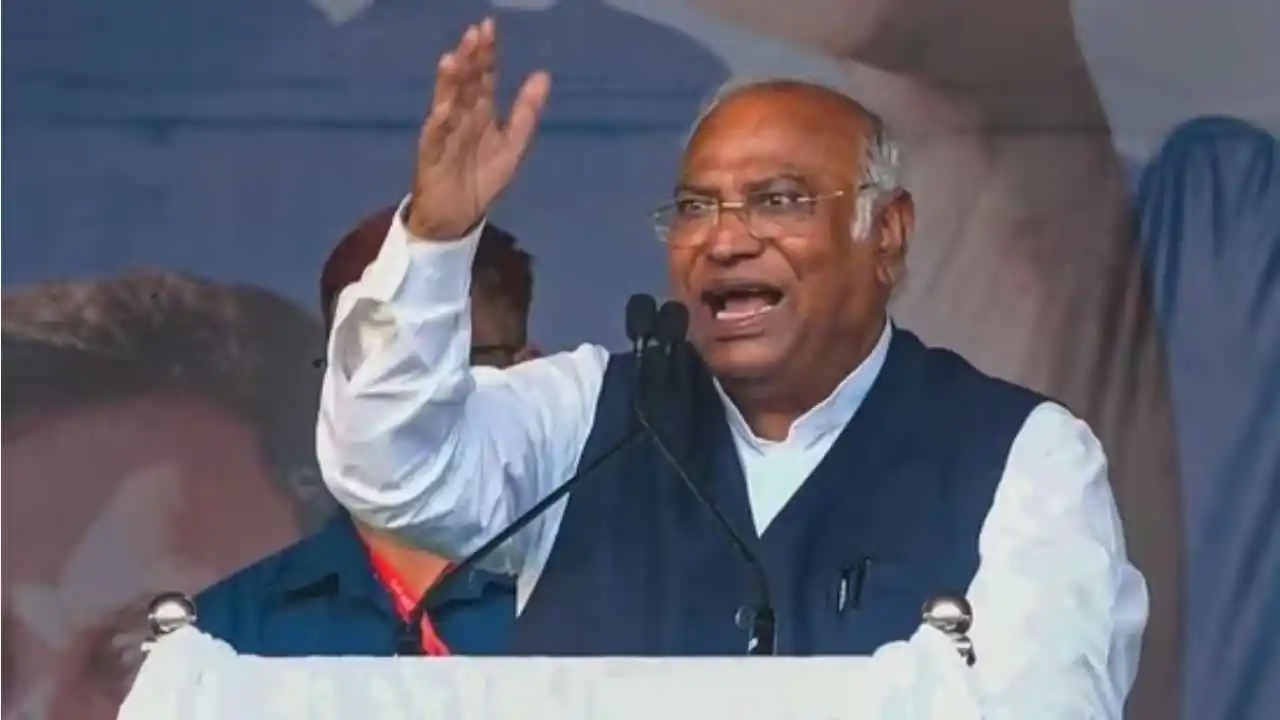
Mallikarjun Kharge seeks all-party meeting with PM Modi on delimitation
Congress president Mallikarjun Kharge has written to Prime Minister Narendra Modi for the fourth time, seeking an all-party meeting on delimitation. He also flagged the 64-day delay in proroguing Parliament’s Monsoon Session.
India News
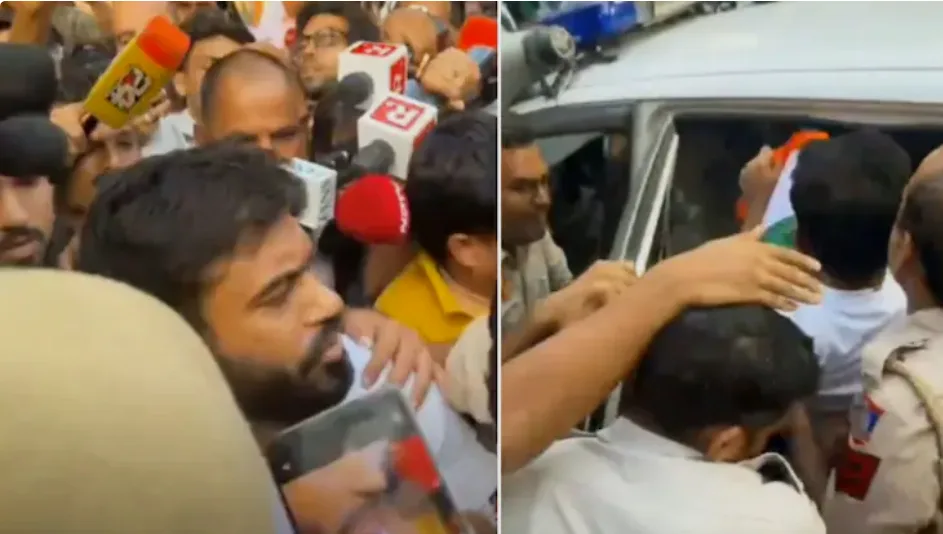
Abhijeet Dipke detained ahead of CJP’s national flag march in Delhi
Cockroach Janta Party founder Abhijeet Dipke was detained by Delhi Police on October 16, 2026, shortly before a planned national flag march. The proposed rally followed the judicial custody of two CJP members who had waved the Tricolour at Jantar Mantar.

Magnitude 7 earthquake strikes Russia’s Kamchatka Peninsula

Mallikarjun Kharge’s ‘Your Friends’ jab at Rahul Gandhi over congress exits

Delhi deploys 25,000 personnel, installs CCTV cameras ahead of CJP march

Abhijeet Dipke detained ahead of CJP’s national flag march in Delhi

Mallikarjun Kharge seeks all-party meeting with PM Modi on delimitation

Centre sends 3 letters to Punjab government after anti-drug activist’s killing
Mallikarjun Kharge seeks all-party meeting with PM Modi on delimitation
Abhijeet Dipke detained ahead of CJP’s national flag march in Delhi
Magnitude 7 earthquake strikes Russia’s Kamchatka Peninsula
Delhi deploys 25,000 personnel, installs CCTV cameras ahead of CJP march

Afghan Men Try To Hang With The Jet Engine Of The Aircraft in Kabul- Afghanistan News – Kabul News
Trending Top 10 News: 10000 Crore Fine on Flipkart, Apple to Launch Unique Feature, Hdfc Bank Job Ad

Trending Top 10 News: Nokia 6310, Apple sales, Bachpan ka Pyar Video Kid, Dainik Bhaskar IT Raid

Trending Top 10 News: Canada bans Indian flights, Rain in Delhi NCR, AIMIM Twitter hacked, Raj Kundra case

Trending Top 10 News: Shein India, Apple New Service, Pocket Oxygen, Oppo Launched New Phone
-
 Latest world news15 hours ago
Magnitude 7 earthquake strikes Russia’s Kamchatka Peninsula
-
 India News16 hours ago
Mallikarjun Kharge’s ‘Your Friends’ jab at Rahul Gandhi over congress exits
-
 India News16 hours ago
Delhi deploys 25,000 personnel, installs CCTV cameras ahead of CJP march
-
 India News6 hours ago
Abhijeet Dipke detained ahead of CJP’s national flag march in Delhi
-
 India News5 hours ago
Mallikarjun Kharge seeks all-party meeting with PM Modi on delimitation
-
 India News4 hours ago
Centre sends 3 letters to Punjab government after anti-drug activist’s killing
