
India News
Ghaziabad: Action against BJP leader for running bar, organising Russian girl dance inside restaurant
A couple who came to eat at this restaurant made a video of alcohol being served inside and complained to the local police


A BJP leader has been removed from the post after the news of him operating a dance bar under the guise of a restaurant in Uttar Pradesh’s Ghaziabad district went viral on social media.
Treasurer of BJYM, Sanyam Kohli, has been removed from the designation for the above mentioned reason.
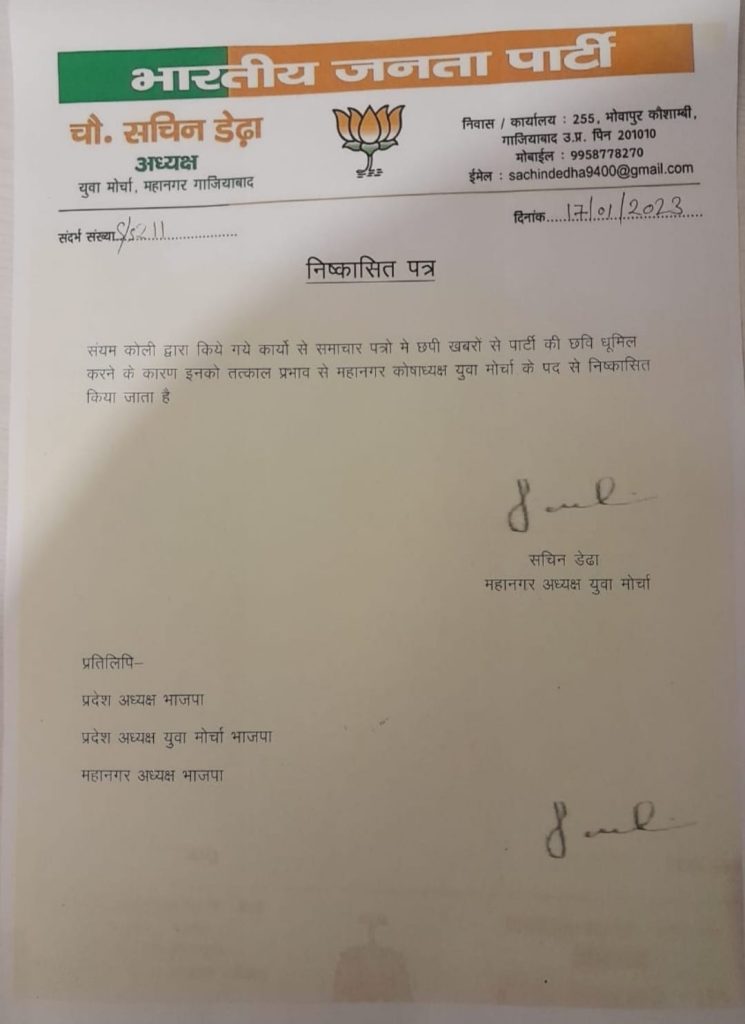
Notably, in Ghaziabad, UP, a case has come to light of serving liquor illegally at BJP leader Sanyam Kohli’s restaurant and for organising Russian girls’ dance without permission. This incident is of RDC, a posh area of Kavinagar police station area.
A joint team of Ghaziabad Police and Excise Department raided this restaurant last night in which 7 empty liquor bottles and two opened liquor bottles were recovered.
This restaurant, whose name is Tasa Kitchen Terrace, is at some distance from Ghaziabad Commissioner’s office and District Excise Officer’s office. The racket of illegally serving liquor to the customers who came here was going on for a long time.
According to the report, dance performances of Russian girls were also organised inside the bar. In fact, a couple who came to eat in this restaurant made a video of alcohol being served inside the restaurant and complained to the local police.
After this the team of local police and excise department swung into action and raided the spot. A case has also been registered by the police against the restaurant operator Sanyam Kohli.
According to the information, Sanyam Kohli, accused of serving liquor illegally in the restaurant, was the treasurer of Bharatiya Janata Party’s Yuva Morcha, who also has photographs with top leaders and public representatives of Ghaziabad BJP.
According to reports, people in this restaurant were given only the food bill while the bill of alcohol was not being given to the people. A dance programme of foreign bar dancers was also being organised in the restaurant without permission. The police have registered a case in this matter and are engaged in further investigation.
Notably, while taking action regarding illegal activity in Sanyam Kohli’s restaurant, BJP has removed him from his post.








India News
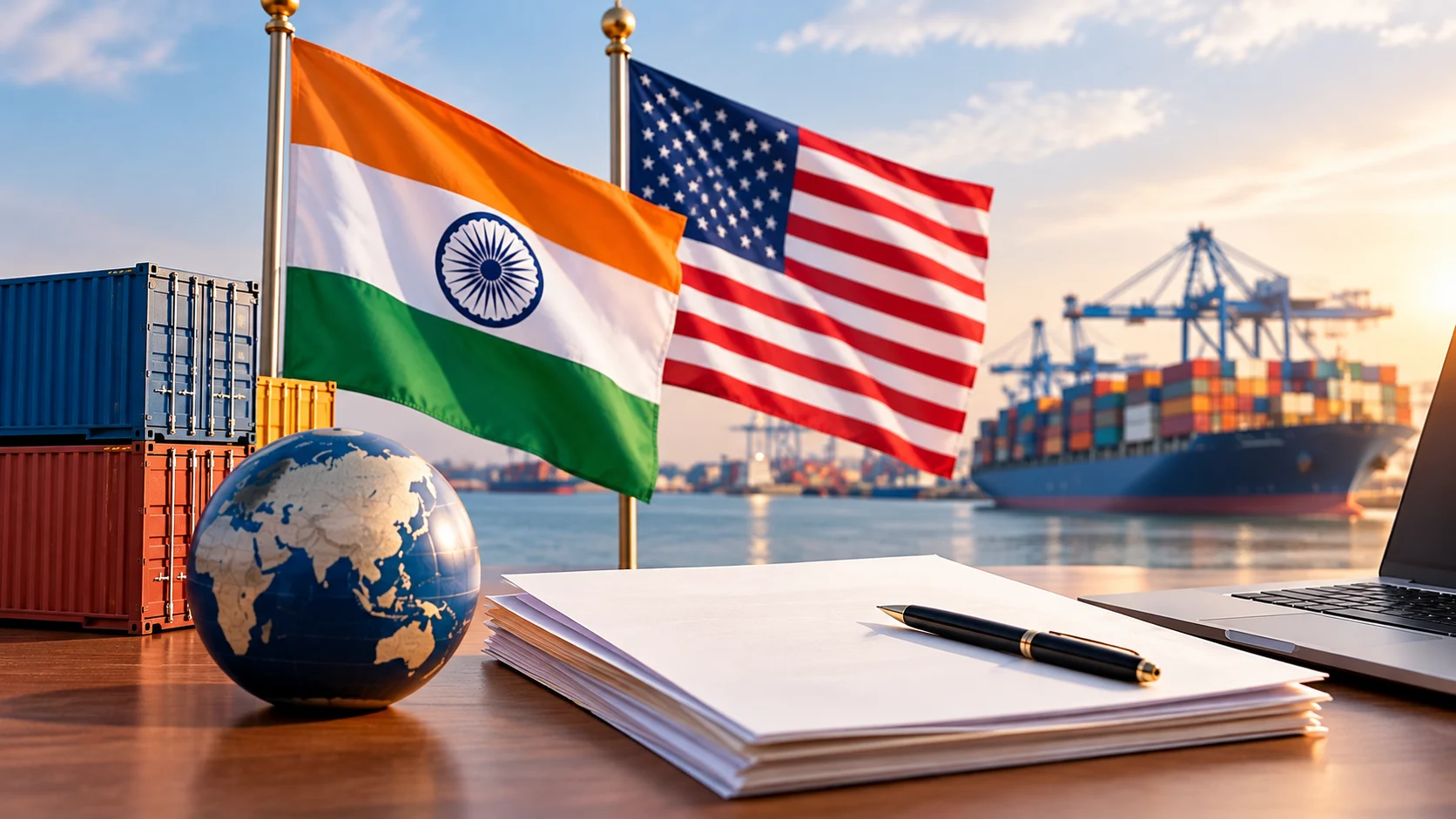
India-US trade deal first phase finalised, drafting underway
The first phase of the India-US trade agreement has been finalised and is undergoing legal drafting, Commerce Minister Piyush Goyal said. The deal is expected to be operationalised once India secures a competitive advantage over peer countries.

India News
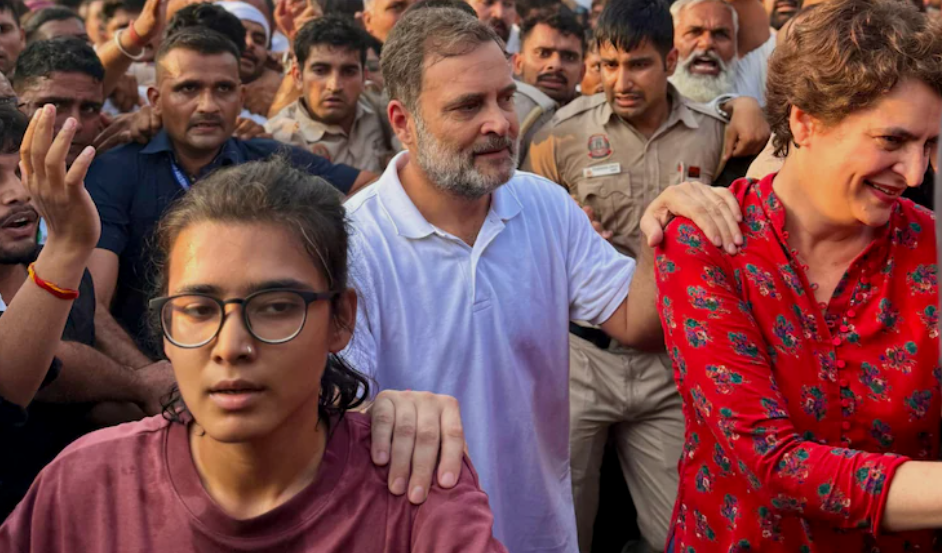
Nobody can browbeat judiciary, Chief Justice warns over Rahul Gandhi’s march
The Supreme Court issued notices to opposition leaders, including Rahul Gandhi and Akhilesh Yadav, over their march to the court on October 12 concerning irregularities in the Special Intensive Revision of electoral rolls.
India News
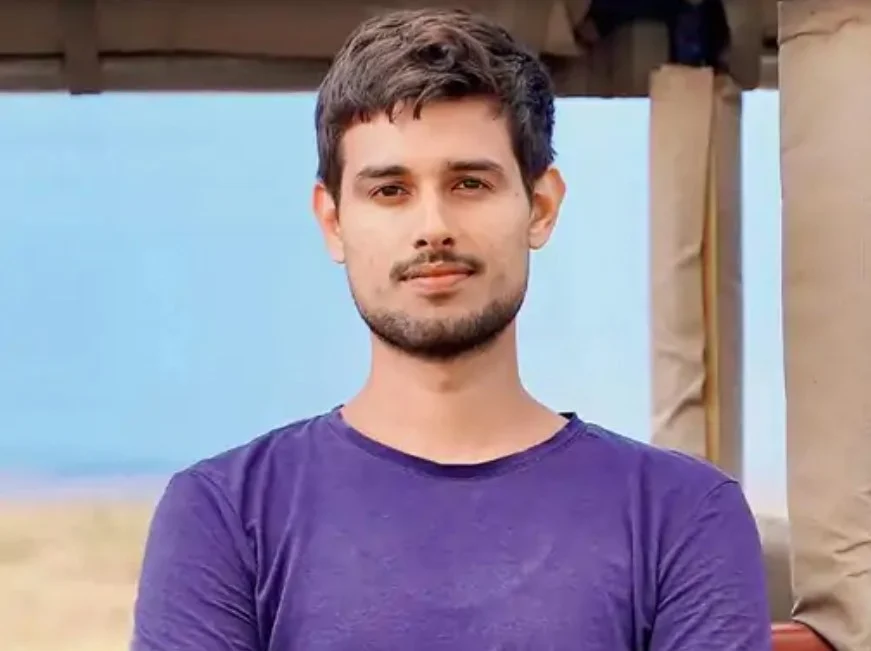
Dhruv Rathee gets fresh summons in 2018 BJP IT cell video case
YouTuber Dhruv Rathee has received fresh summons from a Delhi court in a 2018 criminal defamation case filed by Vikas Pandey over a video concerning the BJP IT Cell. The matter will next be heard on October 17.

Meerut murder: Muskaan Rastogi and Sahil Shukla get death sentence

Rahul Gandhi joins India Gate protest by Ankita Bhandari’s parents

Supreme Court questions EC over missing records in Sringeri election dispute

Dhruv Rathee gets fresh summons in 2018 BJP IT cell video case

Nobody can browbeat judiciary, Chief Justice warns over Rahul Gandhi’s march

India-US trade deal first phase finalised, drafting underway
Nobody can browbeat judiciary, Chief Justice warns over Rahul Gandhi’s march
Dhruv Rathee gets fresh summons in 2018 BJP IT cell video case
Supreme Court questions EC over missing records in Sringeri election dispute
Rahul Gandhi joins India Gate protest by Ankita Bhandari’s parents

Afghan Men Try To Hang With The Jet Engine Of The Aircraft in Kabul- Afghanistan News – Kabul News
Trending Top 10 News: 10000 Crore Fine on Flipkart, Apple to Launch Unique Feature, Hdfc Bank Job Ad

Trending Top 10 News: Nokia 6310, Apple sales, Bachpan ka Pyar Video Kid, Dainik Bhaskar IT Raid

Trending Top 10 News: Canada bans Indian flights, Rain in Delhi NCR, AIMIM Twitter hacked, Raj Kundra case

Trending Top 10 News: Shein India, Apple New Service, Pocket Oxygen, Oppo Launched New Phone
-
 India News24 hours ago
Meerut murder: Muskaan Rastogi and Sahil Shukla get death sentence
-
 India News23 hours ago
Rahul Gandhi joins India Gate protest by Ankita Bhandari’s parents
-
 India News22 hours ago
Supreme Court questions EC over missing records in Sringeri election dispute
-
 India News10 hours ago
Dhruv Rathee gets fresh summons in 2018 BJP IT cell video case
-
 India News7 hours ago
Nobody can browbeat judiciary, Chief Justice warns over Rahul Gandhi’s march
-
 India News2 hours ago
India-US trade deal first phase finalised, drafting underway
