English हिन्दी
Connect with us

India News

Delhi BRICS Summit: Schools shut, Metro runs as traffic restrictions begin

BRICS Summit 2026, Delhi BRICS Summit, Delhi traffic restrictions, Delhi schools closed, Delhi government offices

Published

on

Brics Summmit

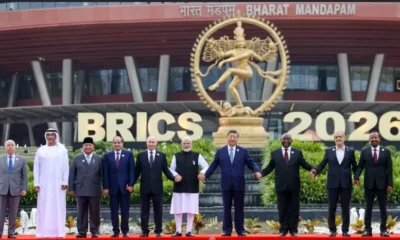
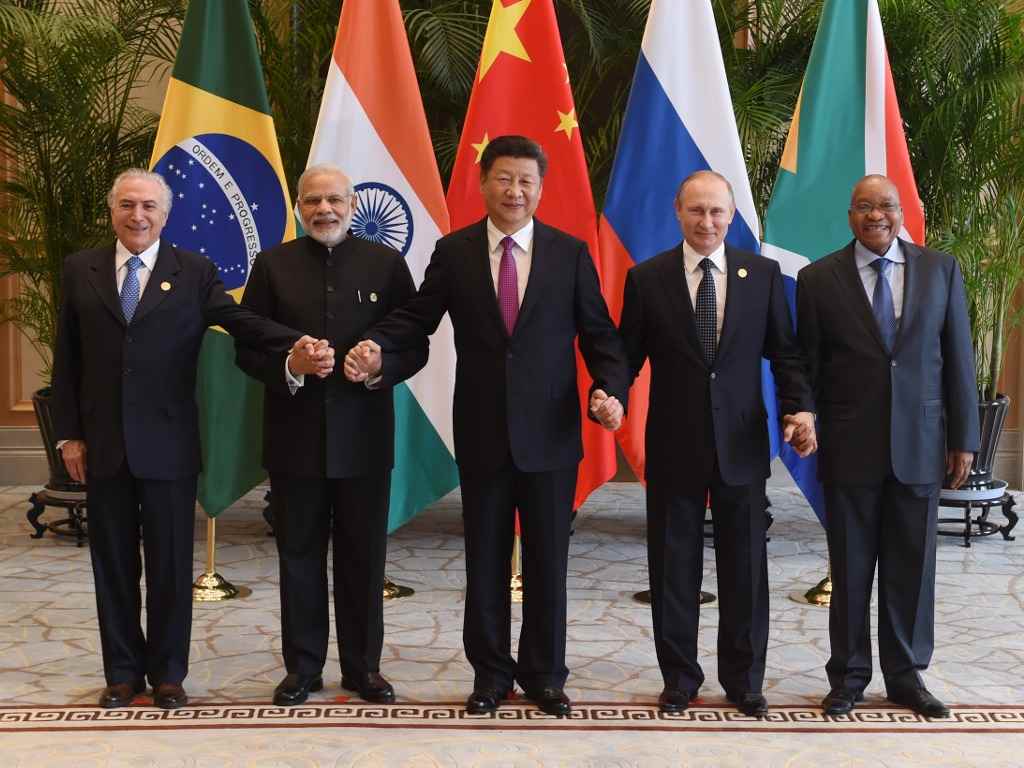
Delhi is witnessing heightened security and traffic arrangements as the 18th BRICS Leaders’ Summit is being held at Bharat Mandapam on September 12 and 13. The movement of foreign delegations, heads of state and senior dignitaries has led to additional security measures and traffic restrictions across several parts of the capital.

For residents, the arrangements will affect schools, government offices, roads and some public services between September 11 and 13. Here’s what will remain open and what will be closed during the summit period.

Schools and Delhi government offices closed

All government, government-aided and recognised unaided private schools under the Delhi Directorate of Education will remain closed on Friday, September 11.

The Delhi Lieutenant Governor has also declared September 11 a public holiday in the capital. Delhi government offices, autonomous bodies and public sector undertakings under the Delhi government will also remain closed on the day.

Schools are expected to reopen on Monday following the weekend.

Banks and private offices to remain open

Banks in Delhi will remain operational on September 11 as the date is not listed as a bank holiday in the Reserve Bank of India’s holiday calendar.

Private offices will also continue to function. However, employees travelling through central Delhi and other areas affected by VVIP movements may encounter diversions, restrictions and delays.

Companies have been advised to allow employees to work from home wherever possible.

Delhi Metro services to continue

Delhi Metro services will continue to operate across the network during the BRICS Summit.

However, the Delhi Metro Museum at Supreme Court Metro station will remain closed from September 11 to 13. It will reopen on September 15, as September 14 is the museum’s weekly closure day.

Traffic restrictions and bus diversions

The Delhi Traffic Police has prepared arrangements for the movement of foreign dignitaries and VVIP convoys. Around 4,800 traffic personnel have been deployed for summit-related arrangements.

Traffic will be regulated at 22 identified diversion points during motorcade rehearsals and VVIP movements.

More than 35 roads may be affected at different times, including Mathura Road, Sardar Patel Marg, Shanti Path, Janpath, Ashoka Road, Barakhamba Road, Tolstoy Marg, Africa Avenue Road, Niti Marg and APJ Abdul Kalam Road.

Buses may be diverted or temporarily regulated, while cab services will continue to operate. Commuters have been advised to check traffic updates before starting their journeys and allow additional travel time.

What Delhi residents should know

The main changes during the summit period are:

  • Schools: Closed on September 11
  • Delhi government offices: Closed on September 11
  • Banks: Open
  • Private offices: Open, but employees may face travel disruptions
  • Delhi Metro: Operational across the network
  • Delhi Metro Museum at Supreme Court: Closed September 11-13
  • Road traffic: Restrictions and diversions on several routes
  • Buses: May be diverted or temporarily regulated
  • Cab services: Continue to operate

The restrictions are linked to security arrangements for the BRICS Leaders’ Summit, with authorities preparing for the movement of foreign dignitaries and VVIP convoys across the capital.

India News

Ladakh Panchayat elections scheduled for November 21

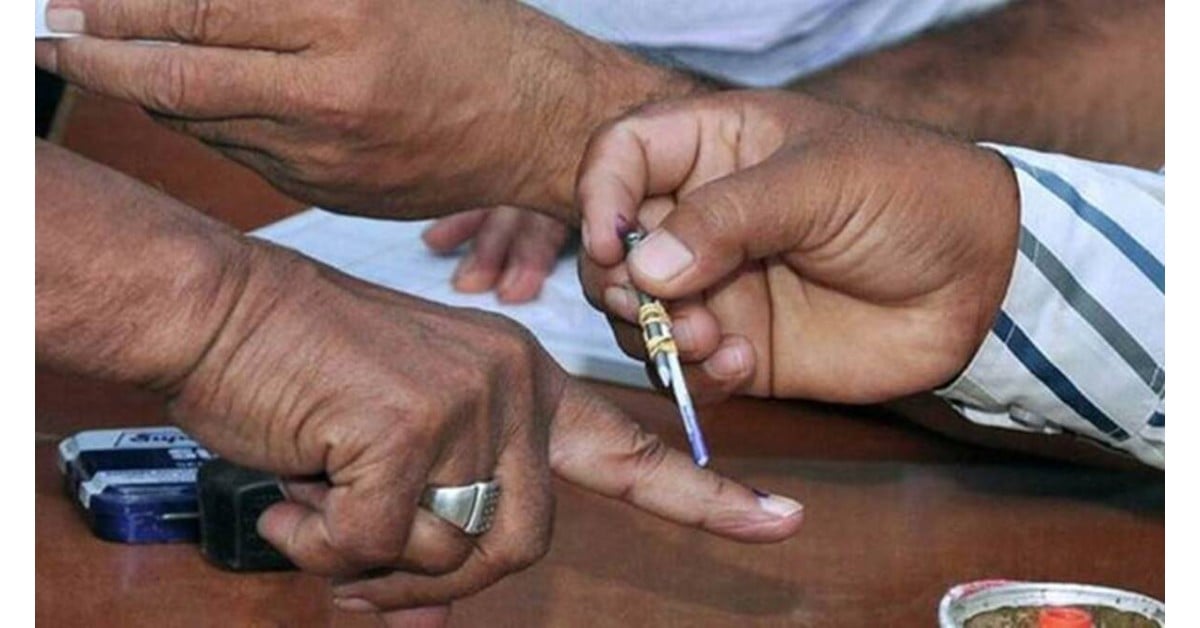
Ladakh will hold panchayat elections on November 21, eight years after the previous polls in November 2018. The nomination process is scheduled to begin with the notification on October 26.
Published

on

Bypolls

The Union Territory of Ladakh will hold elections to all Panchayat Halqas on November 21, with the State Election Commission scheduling the entire electoral process to be completed by November 30.

The announcement, made by the State Election Commission on Wednesday, October 21, comes eight years after the last panchayat elections in the region, which were held in November 2018.

According to the announced schedule, the election notification will be issued by the Administrator and the State Election Commission on October 26. Candidates will be able to file their nomination papers until November 2, while scrutiny of nominations is scheduled for November 3.

The deadline for candidates to withdraw their nominations is November 5, ahead of polling on November 21. The complete election process is scheduled to conclude by November 30.

Model code of conduct comes into force

The Model Code of Conduct for candidates and political parties participating in the panchayat elections has come into force with immediate effect.

The commission has directed all concerned to comply with the code and subsequent instructions issued for the elections. The rules are intended to regulate campaign activities and ensure that the electoral process is conducted in accordance with the prescribed guidelines.

The code includes restrictions on the use of places of worship for election propaganda and the use of public or private property for putting up campaign posters without written permission. It also directs public servants to maintain impartiality and refrain from campaigning for or against any candidate or political party.

Ladakh’s previous panchayat elections were held in 2018

The previous general elections to Panchayat Halqas in Ladakh took place in November 2018, when the region was part of the erstwhile state of Jammu and Kashmir.

Ladakh became a separate Union Territory in 2019 following the reorganisation of the erstwhile state. The upcoming polls will provide an opportunity to elect representatives to local panchayat bodies across the region.

The election schedule also comes amid wider administrative changes in Ladakh, including the restructuring of its district-level governance and the expansion of the proposed autonomous hill council structure.

Continue Reading

India News

PM Modi to visit Varanasi, Kedarnath on October 24-25

Prime Minister Narendra Modi is scheduled to visit Varanasi and Kedarnath on October 24 and 25. His proposed itinerary includes a factory inauguration in Varanasi, an Indian Air Force air show and a review of the Kedarnath Corridor project.
Published

on

PM Modi

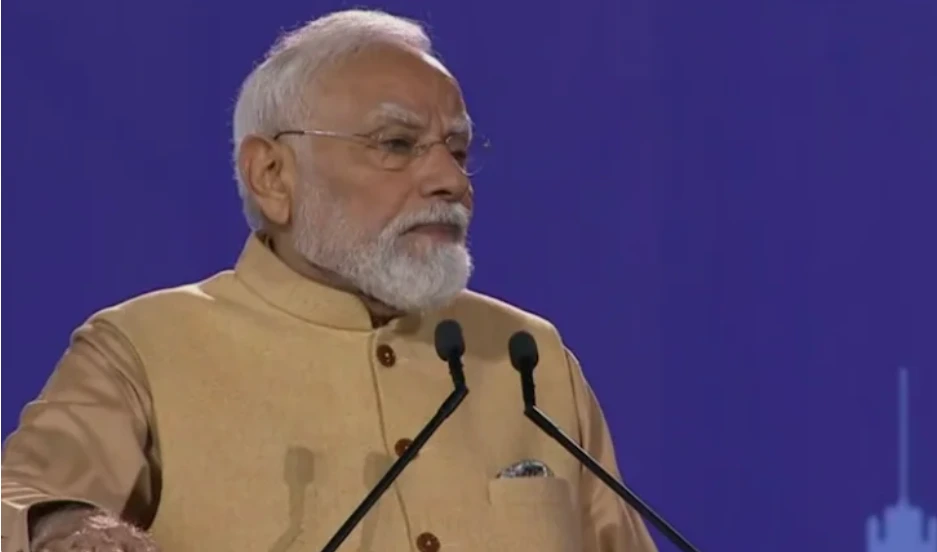
Prime Minister Narendra Modi is set to visit Varanasi in Uttar Pradesh and Kedarnath in Uttarakhand on October 24 and 25. His proposed two-day itinerary includes development-related engagements in Varanasi and a review of infrastructure work at the Kedarnath Corridor.

In Varanasi, the Prime Minister is likely to inaugurate a factory in the Sevapuri area and attend programmes related to the city’s development. The visit will also coincide with an Indian Air Force aerial display at Namo Ghat, where he is expected to attend the event on October 25.

PM Modi likely to attend Varanasi air show

The Indian Air Force’s aerial display, titled Wings Over Ganges, is scheduled over the Ganga at Namo Ghat on October 22, 24 and 25.

The event is expected to feature Rafale, Sukhoi and Tejas fighter aircraft, along with performances by the Surya Kiran aerobatic team and the Sarang helicopter display team.

Uttar Pradesh Chief Minister Yogi Adityanath is also expected to attend the air show. Officials have been preparing for the event, with security and crowd management among the key considerations because of the anticipated gathering.

Kedarnath Corridor project review on October 25

Modi is also expected to travel to Kedarnath on October 25 to assess progress on the Kedarnath Corridor development project.

The review is expected to cover ongoing infrastructure projects and efforts to improve facilities in and around the Himalayan pilgrimage centre.

The proposed visit brings together public and development-related engagements in Varanasi with an assessment of infrastructure work at Kedarnath.

Continue Reading

India News

CJP leaders Saurav Das, Ashutosh Ranka to be released after 7 days in jail

CJP leaders Saurav Das and Ashutosh Ranka are set to be released after seven days in judicial custody following an order by a Special Executive Magistrate in Delhi.
Published

on

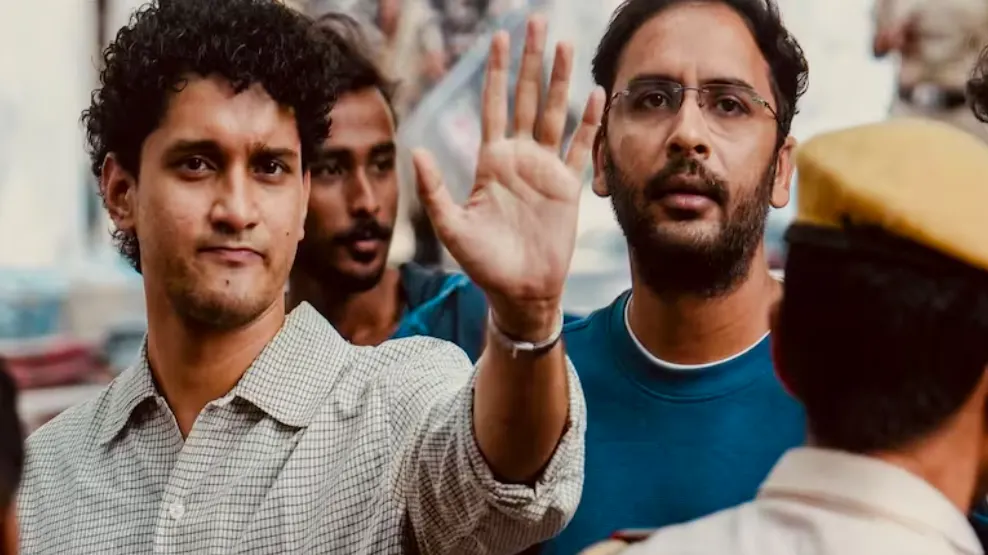
Cockroach Janta Party (CJP) leaders Saurav Das and Ashutosh Ranka are set to be released after spending seven days in judicial custody, following an order by a Special Executive Magistrate in Delhi on Wednesday.

The two leaders had been in judicial custody since October 14 in connection with an incident at Jantar Mantar, which is no longer a designated site for protests. They were accused of entering the restricted protest area and violating conditions linked to maintaining public peace.

The magistrate’s order brings their period of judicial custody to an end after their detention and subsequent remand. Their custody had initially been ordered for five days before being extended by another two days on October 19.

Delhi High Court declines to intervene

Earlier on Wednesday, the Delhi High Court declined to interfere with the judicial custody of Das and Ranka. The court asked them to await the outcome of the proceedings before the Special Executive Magistrate and indicated that they could approach the appellate court if their grievances remained unresolved.

The leaders had challenged the decision to place them in judicial custody. The proceedings came amid continuing legal disputes over police action against protesters at Jantar Mantar.

Why the CJP leaders were detained

Das and Ranka were detained in connection with a protest at Jantar Mantar against alleged irregularities in the Special Intensive Revision (SIR) of electoral rolls. The protest also involved demands directed at Chief Election Commissioner Gyanesh Kumar.

Jantar Mantar had recently been removed from the list of designated protest venues under a Delhi Police order. The police alleged that the CJP members entered the site despite the restrictions and obstructed officials carrying out their duties.

The police also cited alleged violations of previously executed peace bonds. Das and Ranka had earlier been released after furnishing bonds and undertaking to maintain peace.

The authorities initiated proceedings under preventive provisions of the Bharatiya Nagarik Suraksha Sanhita (BNSS). While the two leaders were sent to judicial custody, another CJP member, Ajinkya Shinde, was released on a personal bond during the earlier proceedings.

The latest order directs the release of Das and Ranka after seven days in custody. The case has drawn attention to the restrictions on demonstrations at Jantar Mantar and the legal proceedings arising from the CJP’s protests.

Continue Reading

Trending

© Copyright 2022 APNLIVE.com