
India News
CENTRE ALLOWS 4G IN 2 DISTRICTS OF JAMMU & KASHMIR
4G internet services will be allowed on a trial basis in one district each in Jammu and one in the Kashmir valley after August 15, the centre told the Supreme Court today, adding that a special committee has made this decision.


4G internet services will be allowed on a trial basis in one district each in Jammu and one in the Kashmir valley after August 15, the centre told the Supreme Court today, adding that a special committee has made this decision.
The relaxation will not be in any area adjoining the International Border or the Line of Control, the centre told the top court. The areas which will get the 4g internet will be those which have a low intensity of terrorist activities, the centre said.
The government will review the situation after two months, it said. High speed Internet service in Jammu and Kashmir has been suspended since over a year when the centre scarpped Jammu and Kashmir’s special status under Article 370 and bifurcated it into two union territories – Jammu and Kashmir, and Ladakh.
In its last hearing, the top court had said that the Centre should explore the possibility of restoring 4G mobile internet services in Jammu and Kashmir in view of the statements of GC Murmu, the former lieutenant governor of the Union territory, backing the restoration.“L-G Murmu has said that there is no difficulty in restoring 4G. You have to give an explanation to that,” justice R Subhash Reddy told solicitor general Tushar Mehta, who appeared for the Jammu & Kashmir administration, last Friday.

Murmu, who was succeeded by Manoj Sinha as the lieutenant governor on Friday, had said on July 24 the restoration of 4G services will not be a problem and Pakistan will continue with its propaganda even if the mobile internet speed is restricted to 2G. The Centre has cited Islamabad’s propaganda while justifying the restrictions.
The Centre on July 28 told the Supreme Court it will verify media reports that said Murmu has advocated the restoration of high-speed 4G internet services. This came days after the Centre filed an affidavit before the court on July 21, saying a special panel constituted as per the latter’s May 11 order has decided against any relaxations for now.
The Supreme Court on May 11 passed its order after the NGO in April challenged restrictions on mobile internet speed to 2G. The NGO sought restoration of 4G services saying patients, doctors, and the general public were unable to access the latest information, guidelines, advisories and restrictions about Covid-19 pandemic because of the restrictions. It pointed out that slow internet speeds make telemedicine, or online consultation, impossible.
Read Also: 53,601 NEW CORONAVIRUS PATIENTS IN THE LAST 24 HRS
The court refrained from passing directions to restore 4G services and instead ordered a constitution of the panel comprising high-level government officers, including the Union home secretary, to take a call on the matter.






India News
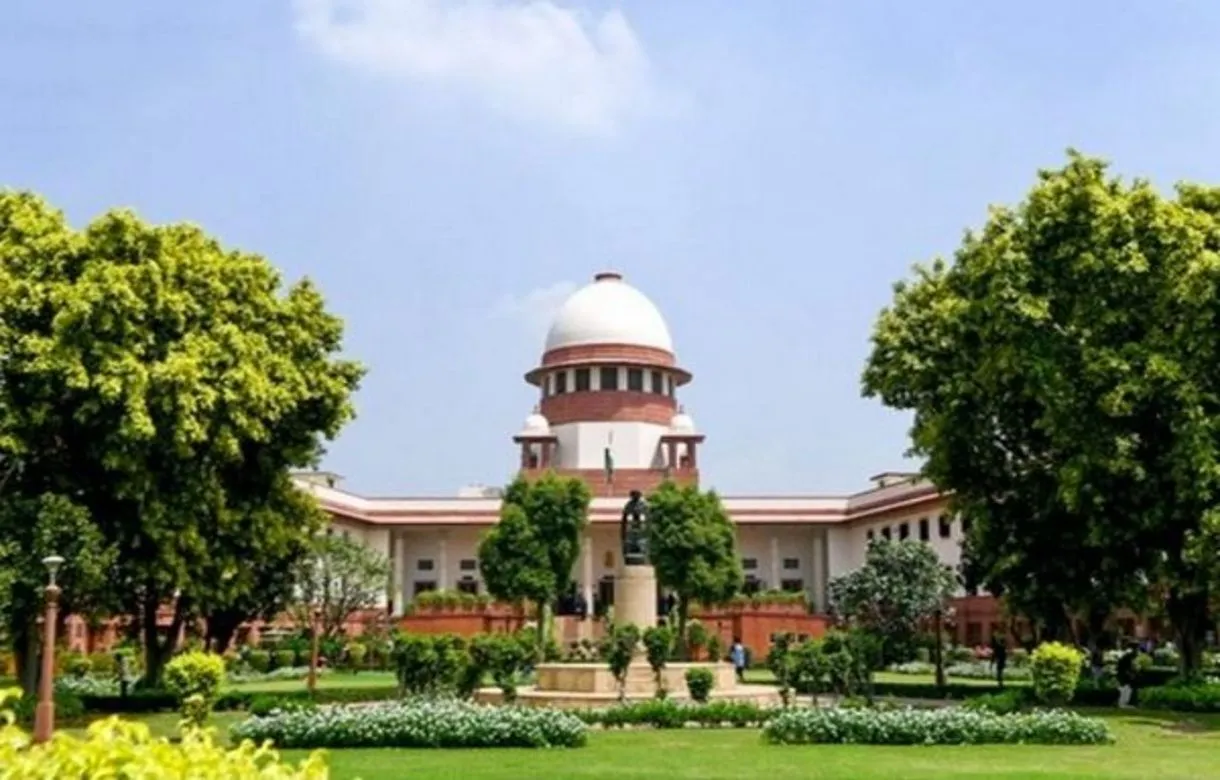
Supreme Court questions EC over missing records in Sringeri election dispute
The Supreme Court questioned the Election Commission over missing video footage of the 2023 counting in Karnataka’s Sringeri constituency. The case involves a revised result following a recount of postal ballots.

India News
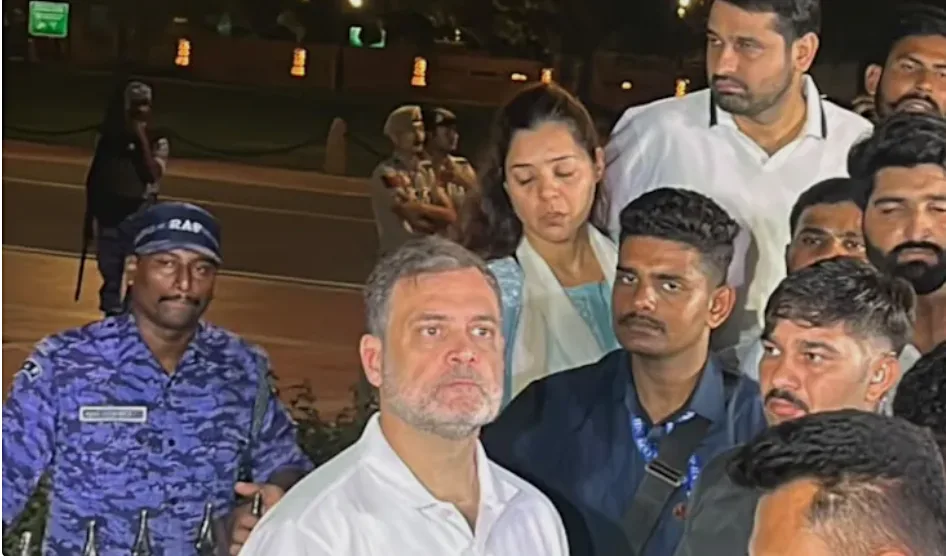
Rahul Gandhi joins India Gate protest by Ankita Bhandari’s parents
Rahul Gandhi joined the protest by Ankita Bhandari’s parents at India Gate in New Delhi on October 14. The demonstration has brought renewed attention to the 2022 murder case and the family’s concerns following Dushyant Gautam’s appointment as Sikkim Governor.
India News
Meerut murder: Muskaan Rastogi and Sahil Shukla get death sentence
A Meerut court has sentenced Muskaan Rastogi and Sahil Shukla to death in the blue drum murder case involving the killing of merchant navy officer Saurabh Rajput in March 2025.

CJP leaders Saurav Das, Ashutosh Ranka, Ajinkya Shinde sent to 5-day judicial custody

PM Modi speaks to Mark Carney as India and Canada push to strengthen ties

S Jaishankar says India is a natural option for Russia amid Europe tensions

Meerut murder: Muskaan Rastogi and Sahil Shukla get death sentence

Rahul Gandhi joins India Gate protest by Ankita Bhandari’s parents

Supreme Court questions EC over missing records in Sringeri election dispute
Rahul Gandhi joins India Gate protest by Ankita Bhandari’s parents
Meerut murder: Muskaan Rastogi and Sahil Shukla get death sentence
PM Modi speaks to Mark Carney as India and Canada push to strengthen ties
S Jaishankar says India is a natural option for Russia amid Europe tensions

Afghan Men Try To Hang With The Jet Engine Of The Aircraft in Kabul- Afghanistan News – Kabul News
Trending Top 10 News: 10000 Crore Fine on Flipkart, Apple to Launch Unique Feature, Hdfc Bank Job Ad

Trending Top 10 News: Nokia 6310, Apple sales, Bachpan ka Pyar Video Kid, Dainik Bhaskar IT Raid

Trending Top 10 News: Canada bans Indian flights, Rain in Delhi NCR, AIMIM Twitter hacked, Raj Kundra case

Trending Top 10 News: Shein India, Apple New Service, Pocket Oxygen, Oppo Launched New Phone
-
 India News21 hours ago
CJP leaders Saurav Das, Ashutosh Ranka, Ajinkya Shinde sent to 5-day judicial custody
-
 India News21 hours ago
PM Modi speaks to Mark Carney as India and Canada push to strengthen ties
-
 Latest world news21 hours ago
S Jaishankar says India is a natural option for Russia amid Europe tensions
-
 India News10 hours ago
Meerut murder: Muskaan Rastogi and Sahil Shukla get death sentence
-
 India News9 hours ago
Rahul Gandhi joins India Gate protest by Ankita Bhandari’s parents
-
 India News9 hours ago
Supreme Court questions EC over missing records in Sringeri election dispute
