
India News
As Congress struggles with Gujarat poll prep, Rahul Gandhi to fly to US, learn AI

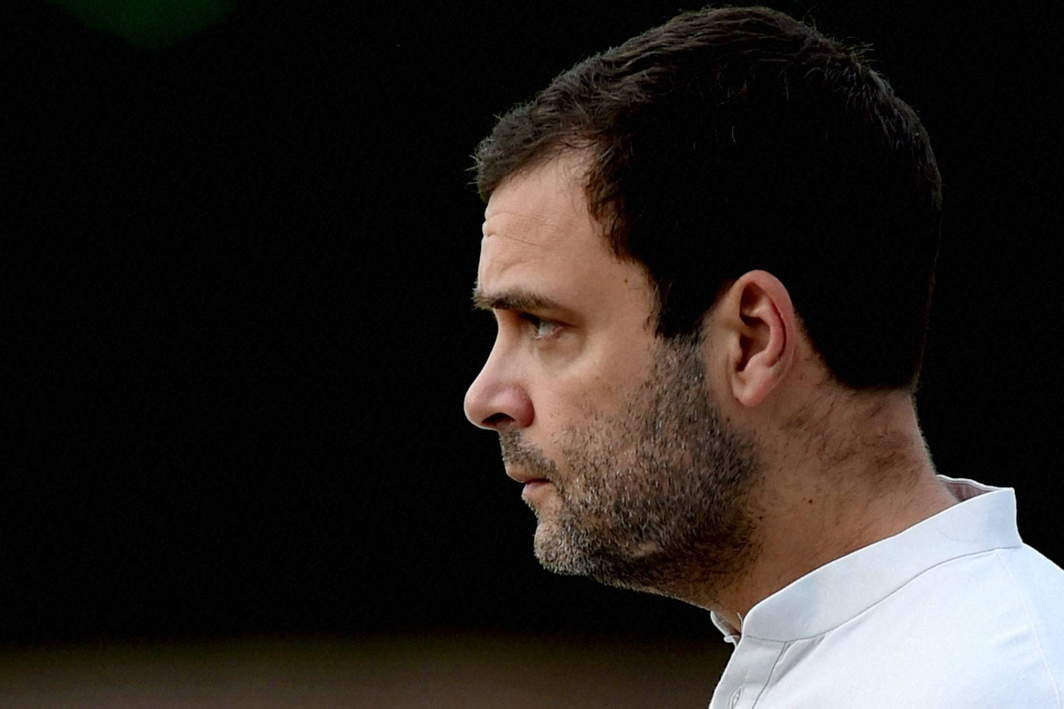
[vc_row][vc_column][vc_column_text]The Congress vice president, who is known to head abroad each time the party is in a crisis, had earlier flown off to Norway days before RJD’s rally against the BJP
A day after he visited Gujarat to sound his party’s poll bugle for the forthcoming Gujarat assembly polls, Congress vice president Rahul Gandhi is all set to fly off to America’s Silicon Valley later this week in a bid to “learn more about Artificial Intelligence”.
The 47-year-old ‘youth’ leader, whose propensity for embarrassing gaffes in politics triggers jibes and criticism alike from his political opponents as well as his party colleagues, is also known for going off on frequent foreign sojourns, especially when his party faces crucial electoral challenges – or what his own aide and senior Congress leader Jairam Ramesh recently termed and “existential crisis”.
It may be recalled that Rahul had gone off to Norway, ditching key Congress ally and Rashtriya Janata Dal chief Lalu Prasad Yadav, who had organised a massive rally in Patna on August 27 to showcase Opposition unity against the BJP. Although Lalu’s ‘BJP Bhagao, Desh Bachao’ rally was a major success, Rahul’s absence along with that of his mother and party president Sonia Gandhi had given the BJP and its allies to punch holes in Lalu’s claims of a ‘show of strength’ by the Opposition.
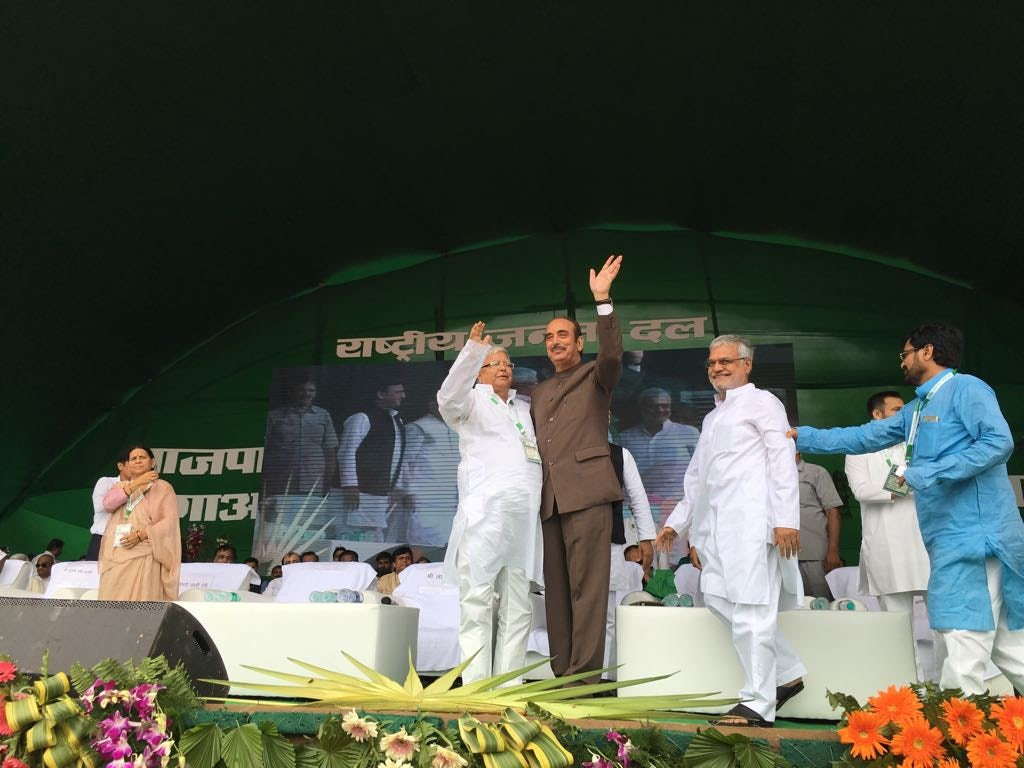
However, Rahul doesn’t seem affected by these recurring taunts about being an ‘absentee’ Congress VP or a ‘reluctant politician’. Instead, he seems to be adamant on strengthening the notion.
On Monday, the Congress vice president was on a day-long visit to Ahmedabad in Gujarat to kick start his party’s preparations for the Assembly polls due in the state later this year. Rahul had in fact announced at an interaction with party workers in Ahmedabad that his visit was the official launch of the party’s poll campaign in a state where the Congress has been out of power for over two decades and was recently faced by a slew of defections and desertions by MLAs who jumped ship to join the BJP.
Gujarat isn’t the only immediate challenge for the Congress. The party is also facing a major factional feud in Himachal Pradesh – one of the few states where the Congress is still in power – and also Bihar where the fall of the Mahagathbandhan government has made the party’s 19 legislators vulnerable to poaching by former ally Nitish Kumar’s JD (U) and the BJP.
In Rahul’s absence, Congress president Sonia Gandhi had to recently step in to hold discussions with the party’s MLAs in Bihar and Himachal Pradesh chief minister Veer Bhadra Singh to prevent dissentions.
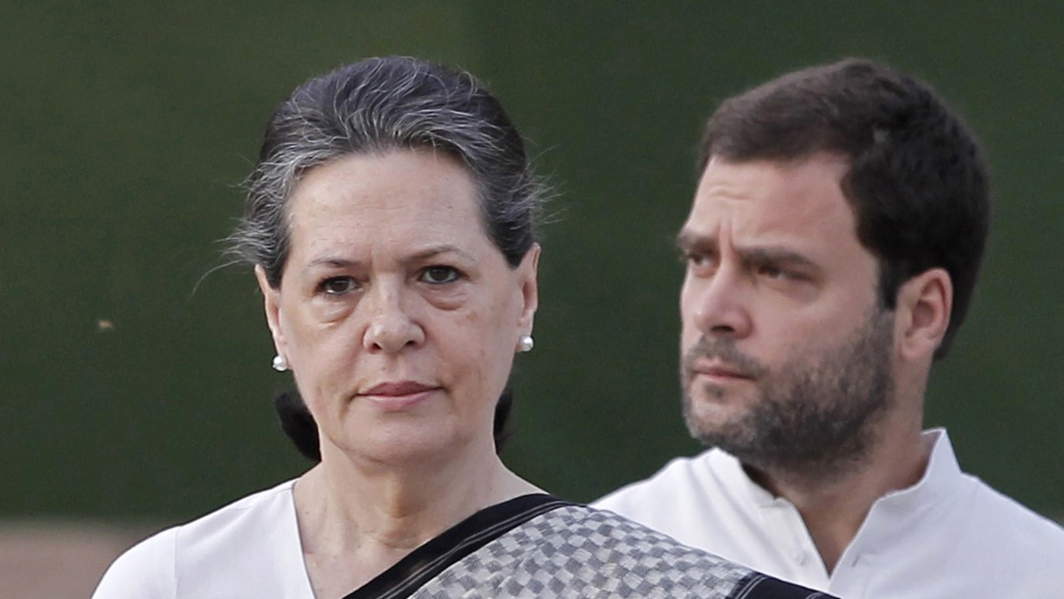
But Rahul doesn’t seem too concerned about the immediate challenges at hand and is, instead occupied by his vision for the future. Party sources said Gandhi wants India to be a global leader in the field of technology and his visit to America’s Silicon Valley later this week is with an aim to “expand his thoughts about artificial intelligence”.
“Rahulji wants to make India really a true world power. Artificial Intelligence (AI), Nano Technology and Biotechnology are the future and the current government has failed to deliver on these issues. His aim and vision is to make India not just a software giant but a giant in the areas of artificial intelligence, nano technology and biotechnology,” India Today quoted a senior Congress leader as saying.
It is learnt that Rahul’s US visit is being organised by Sam Pitroda, chairman of the Overseas Congress – a technology innovator who was roped in by Rahul’s father and former Prime Minister Rajiv Gandhi in the mid-1980s to usher in India’s telecom revolution and set up the Centre for Development of Telematics in New Delhi.
Rahul is also set to give a lecture on ‘India At 70: Reflections On The Path Forward’, an event sponsored by the Institute of International Studies Berkeley Research on Contemporary India Program and the Institute for South Asia Studies at the University of California (UC) on September 11.
“Rahul Gandhi has led the reorganisation of India’s Congress Party since becoming the vice president of the party in 2013. At UC Berkeley, he will offer his reflections on contemporary India and the path forward for the world’s largest democracy. He follows in the footsteps of his great grandfather Jawaharlal Nehru, India’s first prime minister, who delivered a historic speech at Berkeley in 1949,” an announcement on the university’s website said.
The Congress leaders back home would perhaps be wondering if Rahul had any reflections to share on the path forward for India’s oldest political party too.[/vc_column_text][/vc_column][/vc_row]









India News
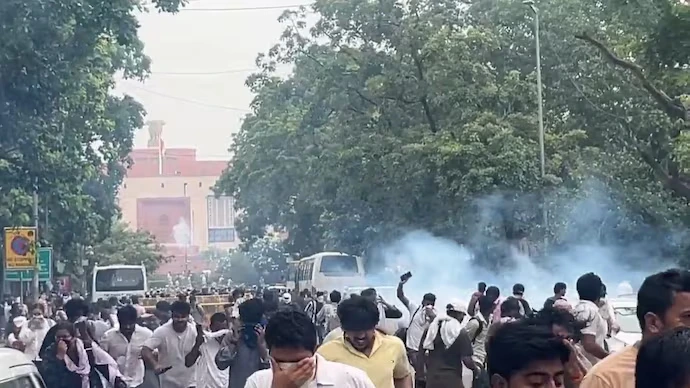
Delhi deploys 25,000 personnel, installs CCTV cameras ahead of CJP march
More than 25,000 police and paramilitary personnel have been deployed in Delhi ahead of the CJP’s planned protest march at Connaught Place. Authorities have also imposed restrictions and stepped up CCTV surveillance.

India News
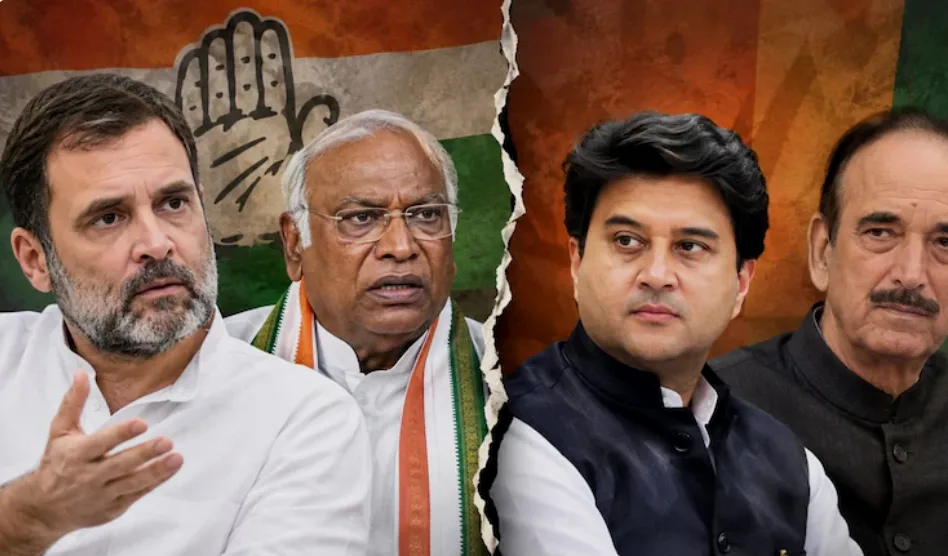
Mallikarjun Kharge’s ‘Your Friends’ jab at Rahul Gandhi over congress exits
Congress president Mallikarjun Kharge took a dig at Rahul Gandhi after the Leader of the Opposition reportedly described former party leaders Jyotiraditya Scindia and Ghulam Nabi Azad as among those who had left the Congress.
India News
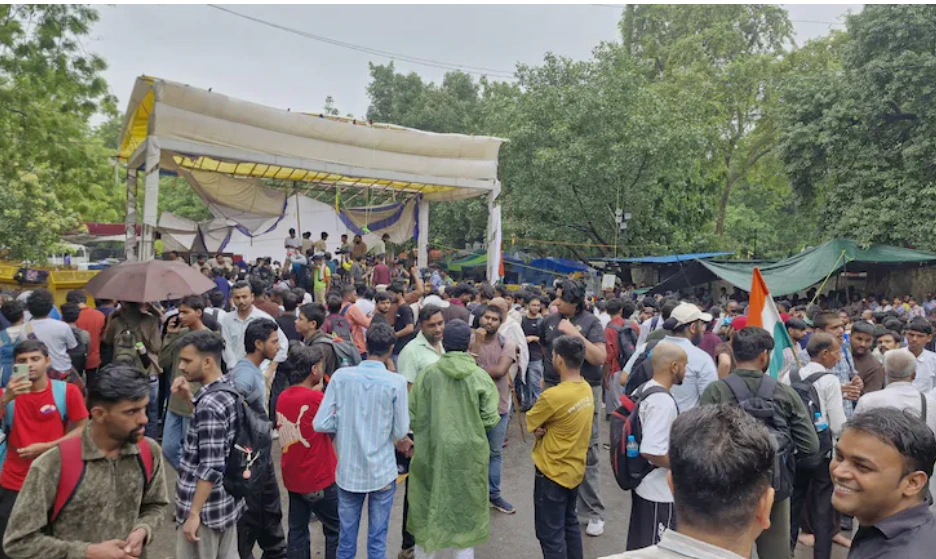
Delhi Police offers 11-person limit for CJP’s Connaught Place protest
Delhi Police has offered to facilitate a group of 11 people at Central Park in Connaught Place for the Cockroach Janata Party’s October 16 protest, while warning that violations of prohibitory orders could invite legal action.

India-US trade deal first phase finalised, drafting underway

Election Commission orders voter roll revision in 17 states, UTs

Actor Imran Khan asked to leave India after CJP protest

Delhi Police offers 11-person limit for CJP’s Connaught Place protest

Mallikarjun Kharge’s ‘Your Friends’ jab at Rahul Gandhi over congress exits

Magnitude 7 earthquake strikes Russia’s Kamchatka Peninsula

Delhi deploys 25,000 personnel, installs CCTV cameras ahead of CJP march
Mallikarjun Kharge’s ‘Your Friends’ jab at Rahul Gandhi over congress exits
Delhi Police offers 11-person limit for CJP’s Connaught Place protest
Actor Imran Khan asked to leave India after CJP protest

Afghan Men Try To Hang With The Jet Engine Of The Aircraft in Kabul- Afghanistan News – Kabul News
Trending Top 10 News: 10000 Crore Fine on Flipkart, Apple to Launch Unique Feature, Hdfc Bank Job Ad

Trending Top 10 News: Nokia 6310, Apple sales, Bachpan ka Pyar Video Kid, Dainik Bhaskar IT Raid

Trending Top 10 News: Canada bans Indian flights, Rain in Delhi NCR, AIMIM Twitter hacked, Raj Kundra case

Trending Top 10 News: Shein India, Apple New Service, Pocket Oxygen, Oppo Launched New Phone
-
 India News22 hours ago
India-US trade deal first phase finalised, drafting underway
-
 India News19 hours ago
Election Commission orders voter roll revision in 17 states, UTs
-
 India News19 hours ago
Actor Imran Khan asked to leave India after CJP protest
-
 India News18 hours ago
Delhi Police offers 11-person limit for CJP’s Connaught Place protest
-
 India News6 hours ago
Mallikarjun Kharge’s ‘Your Friends’ jab at Rahul Gandhi over congress exits
-
 India News6 hours ago
Delhi deploys 25,000 personnel, installs CCTV cameras ahead of CJP march
-
 Latest world news6 hours ago
Magnitude 7 earthquake strikes Russia’s Kamchatka Peninsula
