
India News
PM Modi hails cabinet nod to MSP hike, says constantly taking big decisions for welfare of farmer
The Union Home Minister said the Union Cabinet’s decision to increase the MSP of six rabi crops will increase the income of farmers and they will become even more prosperous.

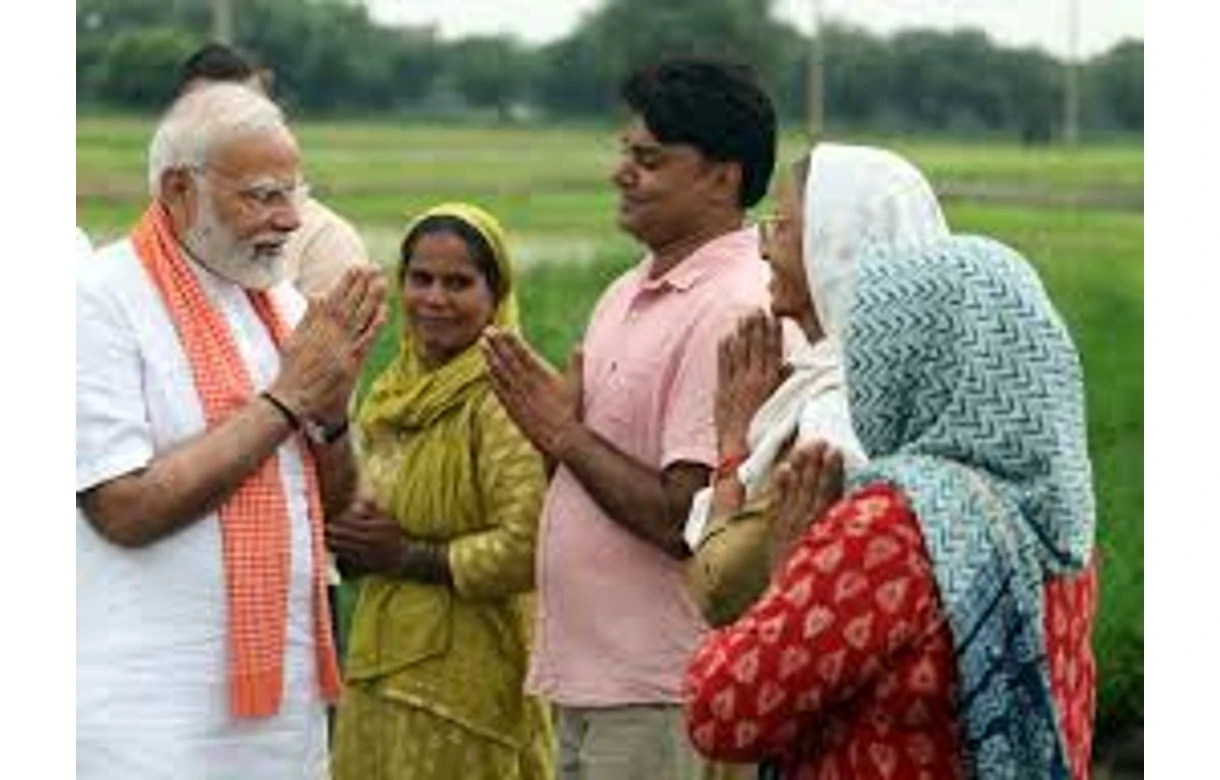
Lauding the cabinet’s decision to increase the MSP for all the mandated Rabi crops for the marketing season 2025-26, Prime Minister Narendra Modi on Wednesday asserted that his government is constantly making big decisions for the welfare of farmers in the country.
The Cabinet Committee on Economic Affairs (CCEA), chaired by the Prime Minister, has approved the increase in the Minimum Support Prices (MSP) for all mandated Rabi Crops for Marketing Season 2025-26.
According to the release, the government has increased the MSP of Rabi crops for marketing season 2025-26, to ensure remunerative prices to the growers for their produce.
The absolute highest increase in MSP has been announced for rapeseed and mustard at Rs 300 per quintal followed by Lentil (Masur) at Rs 275 per quintal.
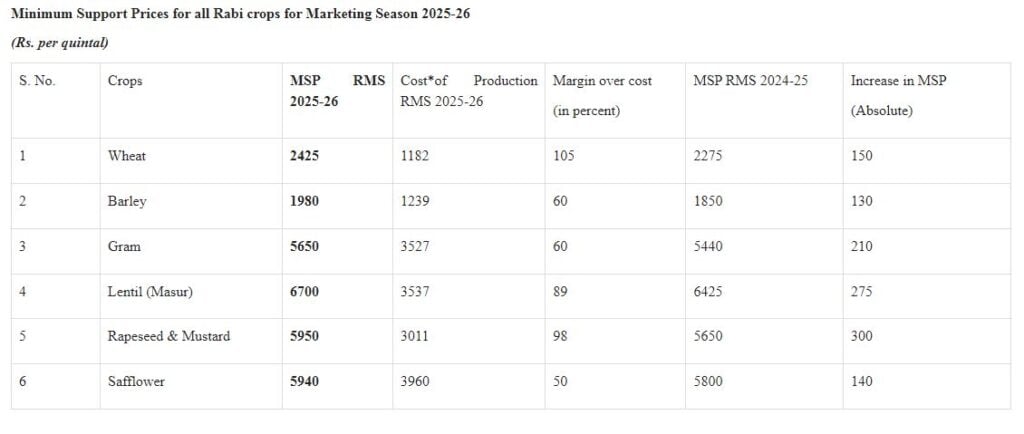
“For gram, wheat, safflower and barley, there is an increase of Rs 210 per quintal, Rs 150 per quintal, Rs 140 per quintal and Rs 130 per quintal respectively,” the government release said.
Thanking the Prime Minister, Union Home Minister Amit Shah said the Union Cabinet is dedicated to farmers as it has approved the increase in MSP of rabi crops for the 2025-26 season.
The Union Home Minister said the Union Cabinet’s decision to increase the MSP of six rabi crops will increase the income of farmers and they will become even more prosperous.
“The MSP of rapeseed and mustard has been increased by the highest Rs 300 per quintal and the MSP of lentil has also been increased significantly by Rs 275 per quintal. These increased MSPs will enhance the income of farmers. Our farmers will become even more prosperous,” he said in a post on X.
The government said in its release that the increase in MSP for mandated Rabi crops for marketing season 2025-26 is in line with the Union Budget 2018-19 announcement of fixing the MSP at a level of at least 1.5 times of the all-India weighted average cost of production.
The expected margin over all-India weighted average cost of production is 105 percent for wheat, followed by 98 percent for rapeseed & mustard; 89 per cent for lentil; 60 per cent for gram; 60 percent for barley; and 50 percent for safflower.
This increased MSP of rabi crops will ensure remunerative prices to the farmers and incentivise crop diversification, as per the release.









India News
Delhi Police offers 11-person limit for CJP’s Connaught Place protest
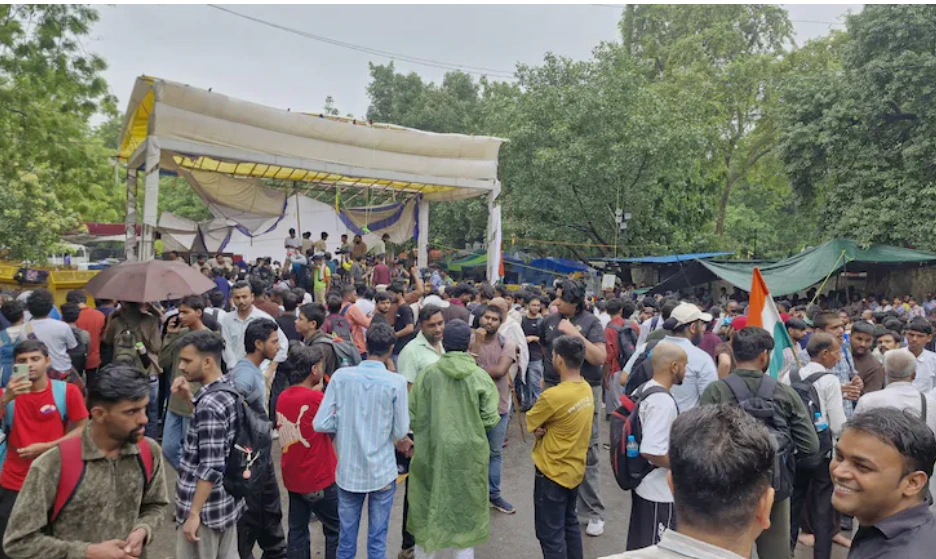
Delhi Police has offered to facilitate a group of 11 people at Central Park in Connaught Place for the Cockroach Janata Party’s October 16 protest, while warning that violations of prohibitory orders could invite legal action.

India News
Actor Imran Khan asked to leave India after CJP protest
Actor Imran Khan has been asked to leave India by October 28, days after participating in a protest called by the Cockroach Janta Party (CJP) in Mumbai.

India News
Election Commission orders voter roll revision in 17 states, UTs
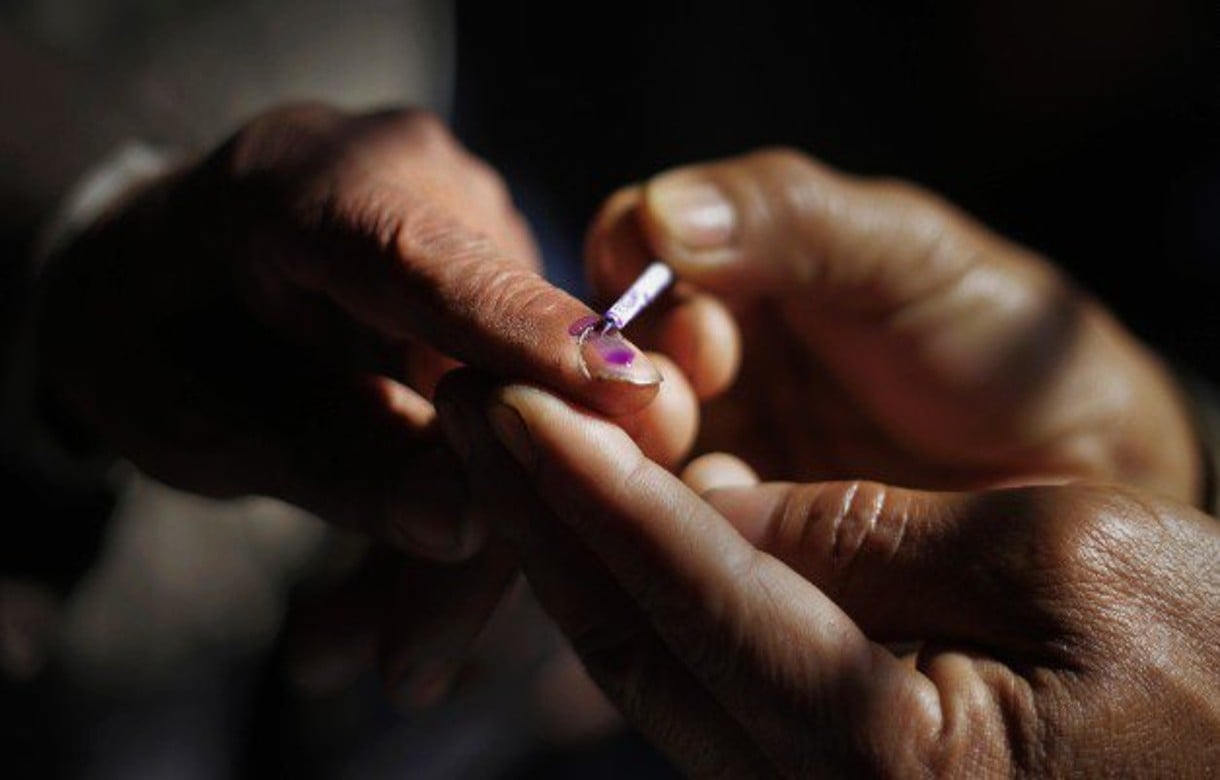
The Election Commission has ordered a Special Summary Revision of electoral rolls in 17 states and Union Territories. Draft rolls are scheduled for November 12, with final rolls due on January 4, 2027.

Dhruv Rathee gets fresh summons in 2018 BJP IT cell video case

Nobody can browbeat judiciary, Chief Justice warns over Rahul Gandhi’s march

India-US trade deal first phase finalised, drafting underway

Election Commission orders voter roll revision in 17 states, UTs

Actor Imran Khan asked to leave India after CJP protest

Delhi Police offers 11-person limit for CJP’s Connaught Place protest
Actor Imran Khan asked to leave India after CJP protest
Election Commission orders voter roll revision in 17 states, UTs
India-US trade deal first phase finalised, drafting underway
Nobody can browbeat judiciary, Chief Justice warns over Rahul Gandhi’s march

Afghan Men Try To Hang With The Jet Engine Of The Aircraft in Kabul- Afghanistan News – Kabul News
Trending Top 10 News: 10000 Crore Fine on Flipkart, Apple to Launch Unique Feature, Hdfc Bank Job Ad

Trending Top 10 News: Nokia 6310, Apple sales, Bachpan ka Pyar Video Kid, Dainik Bhaskar IT Raid

Trending Top 10 News: Canada bans Indian flights, Rain in Delhi NCR, AIMIM Twitter hacked, Raj Kundra case

Trending Top 10 News: Shein India, Apple New Service, Pocket Oxygen, Oppo Launched New Phone
-
 India News13 hours ago
Dhruv Rathee gets fresh summons in 2018 BJP IT cell video case
-
 India News10 hours ago
Nobody can browbeat judiciary, Chief Justice warns over Rahul Gandhi’s march
-
 India News5 hours ago
India-US trade deal first phase finalised, drafting underway
-
 India News3 hours ago
Election Commission orders voter roll revision in 17 states, UTs
-
 India News2 hours ago
Actor Imran Khan asked to leave India after CJP protest
-
 India News1 hour ago
Delhi Police offers 11-person limit for CJP’s Connaught Place protest
