
India News
Fearless, rationalist, vocal right-wing critic Gauri Lankesh silenced

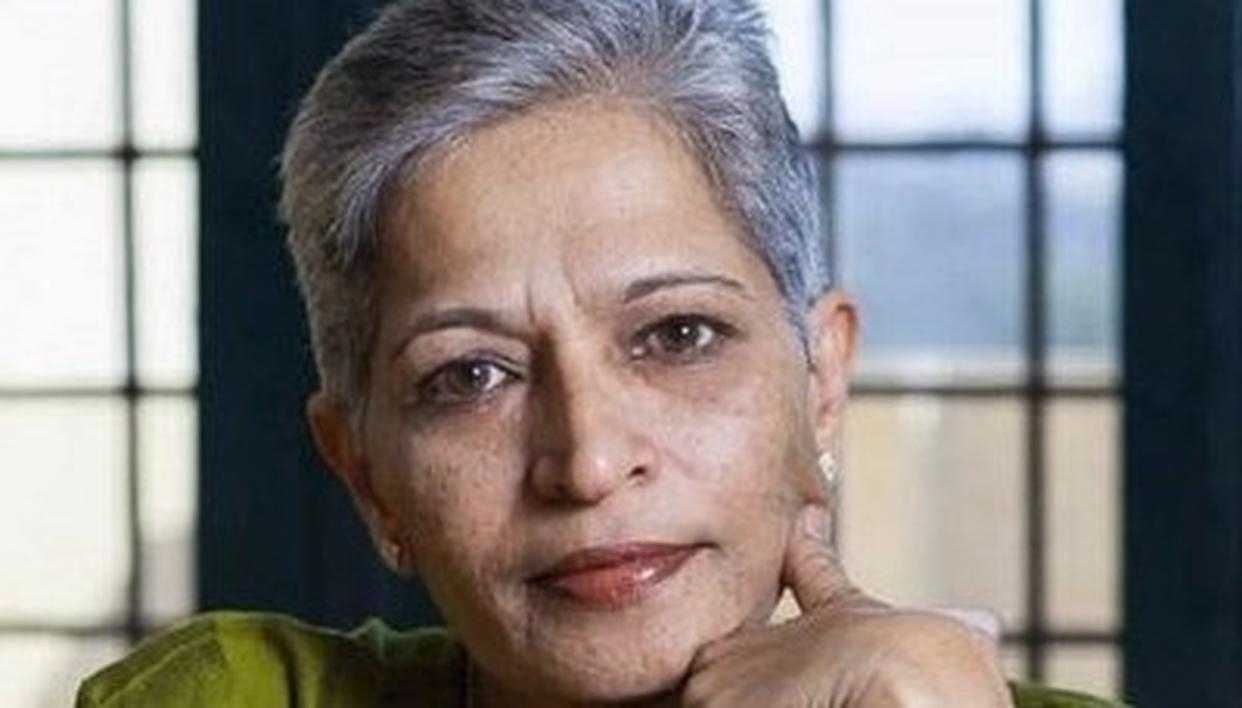
[vc_row][vc_column][vc_column_text]Bengaluru-based senior journalist and editor of tabloid Gauri Lankesh Patrike was shot dead at her residence on Tuesday night by unidentified assailants, police launch manhunt as protests erupt across India
The right to free speech and dissent, rationalism and courage claimed yet another life on Tuesday night. Gauri Lankesh, a Bengaluru-based senior journalist and editor of the tabloid Gauri Lankesh Patrike, was shot dead at the doorstep of her residence by unidentified bike-borne assailants. Of the seven bullets that were fired at her, three hit her – in the head and chest.
Known as a fiercely independent journalist and a vocal critic of the BJP, RSS and other right-wing fundamentalist groups, 55-year-old Gauri had been convicted in November 2016 by a court in Hubballi and sentenced to six months in jail for defaming BJP MP from Dharwad, Prahlad Joshi, through an article that linked him with a series of criminal activities. She had been out on bail.
The killing of Gauri, a gutsy journalist who never minced her words while attacking fundamentalist groups, the BJP-RSS combine and its right-wing affiliates, appears to be a continuation of the pre-planned, cold blooded murders of rationalists across India that have seen a rise over the past five years.
In her death, Gauri joins the likes of MM Kalburgi, Narendra Dabholkar and Govind Pansare – all of whom were secularists, rationalists and unanimous in their criticism of India’s communal, fundamentalist forces – political and social – and all of whom were murdered.
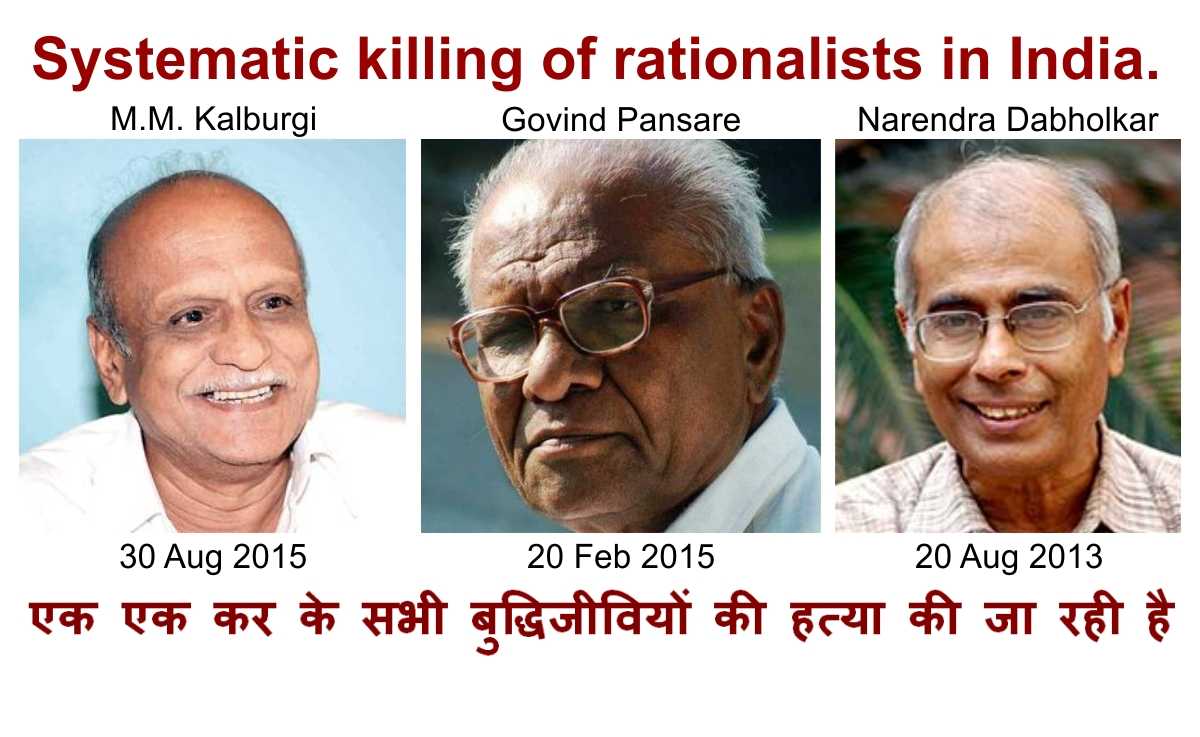 Dabholkar, who spoke against superstition, the Indian caste system and for Dalit rights, was shot dead on August 20, 2013 by bike-borne assailants while he was out on a morning walk near the Omkareshwar temple in Pune. Pansare, a political activist associated with the CPI and a rationalist was shot at by two men on a motorcycle while he and his wife were out on a morning walk in their hometown of Kolhapur on February 16, 2015. Pansare had succumbed to his injuries on February 20 after he was airlifted for treatment at a private hospital in Mumbai. Kalburgi, a Kannada scholar and anti-superstition activist, was shot dead at his residence in Dharwad on August 30, 2015 by two men who pumped bullets into his head and chest.
Gauri had protested against the killings of Dhabolkar, Pansare and Kalburgi just as she had also stood by the likes of JNU student Kanhaiya Kumar when he was persecuted by the BJP government and those doing its bidding.
On Wednesday, amid widespread condemnation for her murder the Bengaluru police launched a massive manhunt to nab Gauri’s killers, even as her brother, Indrajit sought a CBI probe in the case – a demand that was surprisingly supported by Union minister and BJP’s Lok Sabha MP from Bengaluru Ananth Kumar who said he did not have faith on the local police.
“The three special teams have been set up to crack the case. We are taking the movements of people and vehicles at check posts and inter-state borders,” deputy commissioner of police, Bengaluru-West, M N Anucheth told the media, while adding that at least three suspects were involved in the murder. The police is also examining footage from two CCTV cameras installed near Gauri’s Rajarajeshwari Nagar residence for further leads and is “fairly certain” that the assailants had been waiting near her home on Tuesday night, waiting for her to return and shot her as she was entering the gate of her building.
Writers, social activists, journalists across India, and Bengaluru in particular, have been staging protests against Gauri’s killing. At Bengaluru’s Townhall, where a huge number of protestors had gathered demanding swift justice for their slain comrade, social activist K Neela said: “We will not be angered by this moment of death; instead, we will hail it as a day of sacrifice.”
Neela, and many other protestors like her also vented their ire against the state’s Congress government led by Siddaramaiah. “Siddaramiah, where are you? Two years ago following the deaths of Dabholkar, Pansare and Kalburgi, your police force said these were killings that had to do with differences in ideology. What were these differences? Siddaramiah, we’d told you back then to bring these killers to book. If you’d heeded us, Gauri would have been with us today,” Neela said.
A common refrain among other protestors at the Townhall in Bengaluru – where Gauri’s body is likely to be brought before her funeral – was “forces that take strength from those boasting of a 56-inch chest (in a clear reference to Prime Minister Narendra Modi) are the ones that have poured bullets into Gauri’s heart.”
Leaders of all political hues have expressed their shock and condolences at the killing. Congress president Sonia Gandhi issued a statement early on Tuesday morning that said: “Known for her fearless and independent views, Gauri Lankesh had extraordinary grit and determination to take on the system. The series of killings of rationalists, free thinkers and journalists in the country has created an atmosphere that dissent, ideological differences and divergence of views can endanger our lives. This cannot be and should not be tolerated. It is an extremely sad moment for our democracy and a chilling reminder of the fact that intolerance and bigotry is raising its ugly head in our society.”
Congress vice president Rahul Gandhi posted a series of tweets on Twitter condemning Gauri’s murder.[/vc_column_text][/vc_column][/vc_row][vc_row][vc_column][vc_raw_html]JTNDYmxvY2txdW90ZSUyMGNsYXNzJTNEJTIydHdpdHRlci10d2VldCUyMiUyMGRhdGEtbGFuZyUzRCUyMmVuJTIyJTNFJTNDcCUyMGxhbmclM0QlMjJlbiUyMiUyMGRpciUzRCUyMmx0ciUyMiUzRVRoZSUyMHRydXRoJTIwd2lsbCUyMG5ldmVyJTIwYmUlMjBzaWxlbmNlZC4lMjBHYXVyaSUyMExhbmtlc2glMjBsaXZlcyUyMG9uJTIwaW4lMjBvdXIlMjBoZWFydHMuJTIwTXklMjBjb25kb2xlbmNlcyUyMCUyNmFtcCUzQmxvdmUlMjB0byUyMGhlciUyMGZhbWlseS4lMjBUaGUlMjBjdWxwcml0cyUyMGhhdmUlMjB0byUyMGJlJTIwcHVuaXNoZWQlM0MlMkZwJTNFJTI2bWRhc2glM0IlMjBPZmZpY2UlMjBvZiUyMFJHJTIwJTI4JTQwT2ZmaWNlT2ZSRyUyOSUyMCUzQ2ElMjBocmVmJTNEJTIyaHR0cHMlM0ElMkYlMkZ0d2l0dGVyLmNvbSUyRk9mZmljZU9mUkclMkZzdGF0dXMlMkY5MDUxMTg1OTMwNzkxNDAzNTIlMjIlM0VTZXB0ZW1iZXIlMjA1JTJDJTIwMjAxNyUzQyUyRmElM0UlM0MlMkZibG9ja3F1b3RlJTNFJTBBJTNDc2NyaXB0JTIwYXN5bmMlMjBzcmMlM0QlMjIlMkYlMkZwbGF0Zm9ybS50d2l0dGVyLmNvbSUyRndpZGdldHMuanMlMjIlMjBjaGFyc2V0JTNEJTIydXRmLTglMjIlM0UlM0MlMkZzY3JpcHQlM0UlMEElMjAlMEElM0NibG9ja3F1b3RlJTIwY2xhc3MlM0QlMjJ0d2l0dGVyLXR3ZWV0JTIyJTIwZGF0YS1sYW5nJTNEJTIyZW4lMjIlM0UlM0NwJTIwbGFuZyUzRCUyMmVuJTIyJTIwZGlyJTNEJTIybHRyJTIyJTNFQW55Ym9keSUyMHdobyUyMHNwZWFrcyUyMGFnYWluc3QlMjB0aGUlMjBSU1MlMkZCSlAlMjBpcyUyMGF0dGFja2VkJTIwJTI2YW1wJTNCZXZlbiUyMGtpbGxlZC4lMjBUaGV5JTIwd2FudCUyMHRvJTIwaW1wb3NlJTIwb25seSUyMG9uZSUyMGlkZW9sb2d5JTIwd2hpY2glMjBpcyUyMGFnYWluc3QlMjB0aGUlMjBuYXR1cmUlMjBvZiUyMEluZGlhJTNDJTJGcCUzRSUyNm1kYXNoJTNCJTIwT2ZmaWNlJTIwb2YlMjBSRyUyMCUyOCU0ME9mZmljZU9mUkclMjklMjAlM0NhJTIwaHJlZiUzRCUyMmh0dHBzJTNBJTJGJTJGdHdpdHRlci5jb20lMkZPZmZpY2VPZlJHJTJGc3RhdHVzJTJGOTA1MzM2MzIzMTc0NTc2MTI4JTIyJTNFU2VwdGVtYmVyJTIwNiUyQyUyMDIwMTclM0MlMkZhJTNFJTNDJTJGYmxvY2txdW90ZSUzRSUwQSUzQ3NjcmlwdCUyMGFzeW5jJTIwc3JjJTNEJTIyJTJGJTJGcGxhdGZvcm0udHdpdHRlci5jb20lMkZ3aWRnZXRzLmpzJTIyJTIwY2hhcnNldCUzRCUyMnV0Zi04JTIyJTNFJTNDJTJGc2NyaXB0JTNF[/vc_raw_html][/vc_column][/vc_row][vc_row][vc_column][vc_column_text]CPM leader Sitaram Yechury termed the murder as “reprehensible” and claimed that there was an eerie pattern to such killings.[/vc_column_text][/vc_column][/vc_row][vc_row][vc_column][vc_raw_html]JTNDYmxvY2txdW90ZSUyMGNsYXNzJTNEJTIydHdpdHRlci10d2VldCUyMiUyMGRhdGEtbGFuZyUzRCUyMmVuJTIyJTNFJTNDcCUyMGxhbmclM0QlMjJlbiUyMiUyMGRpciUzRCUyMmx0ciUyMiUzRVRoZSUyMGNvbGQtYmxvb2RlZCUyMG11cmRlciUyMG9mJTIwR2F1cmklMjBMYW5rZXNoJTIwaXMlMjByZXByZWhlbnNpYmxlLiUyMERhYmhvbGthciUyQyUyMFBhbnNhcmUlMkMlMjBLYWxidXJnaSUyMC0lMjBzdWNoJTIwbXVyZGVyb3VzJTIwdmlvbGVuY2UlMjBoYXMlMjBhbiUyMGVlcmllJTIwcGF0dGVybi4lMjAlM0NhJTIwaHJlZiUzRCUyMmh0dHBzJTNBJTJGJTJGdC5jbyUyRjRtMGZCdE1hNEYlMjIlM0VodHRwcyUzQSUyRiUyRnQuY28lMkY0bTBmQnRNYTRGJTNDJTJGYSUzRSUzQyUyRnAlM0UlMjZtZGFzaCUzQiUyMFNpdGFyYW0lMjBZZWNodXJ5JTIwJTI4JTQwU2l0YXJhbVllY2h1cnklMjklMjAlM0NhJTIwaHJlZiUzRCUyMmh0dHBzJTNBJTJGJTJGdHdpdHRlci5jb20lMkZTaXRhcmFtWWVjaHVyeSUyRnN0YXR1cyUyRjkwNTEwNDk1MjcwNzYyOTA1NiUyMiUzRVNlcHRlbWJlciUyMDUlMkMlMjAyMDE3JTNDJTJGYSUzRSUzQyUyRmJsb2NrcXVvdGUlM0UlMEElM0NzY3JpcHQlMjBhc3luYyUyMHNyYyUzRCUyMiUyRiUyRnBsYXRmb3JtLnR3aXR0ZXIuY29tJTJGd2lkZ2V0cy5qcyUyMiUyMGNoYXJzZXQlM0QlMjJ1dGYtOCUyMiUzRSUzQyUyRnNjcmlwdCUzRQ==[/vc_raw_html][/vc_column][/vc_row][vc_row][vc_column][vc_column_text]The Editors Guild of India, Press Association, Indian Women’s Press Corps and several other organisations of journalists have announced protest marches, candlelight vigil and similar demonstrations to vent their ire against the evident attempt at muzzling freedom of speech by snuffing out lives of outspoken and fiercely independent writers like Gauri.[/vc_column_text][/vc_column][/vc_row]


India News
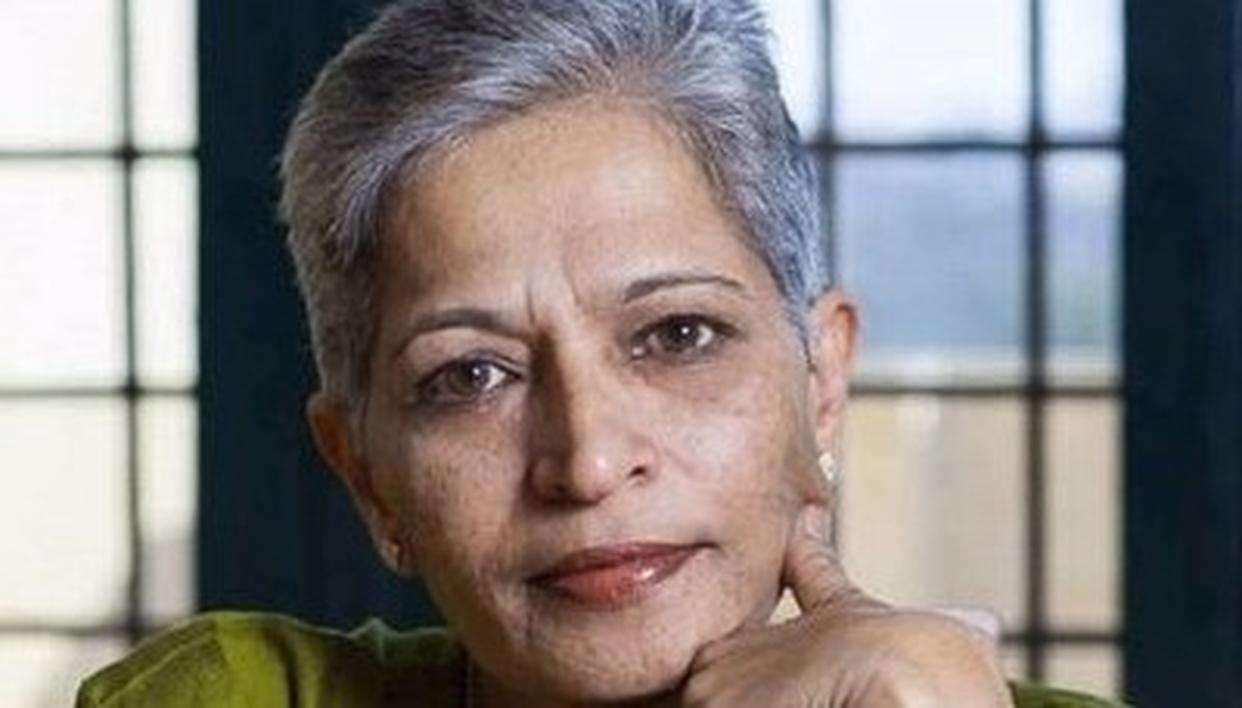
PM Modi speaks to Mark Carney as India and Canada push to strengthen ties
Prime Minister Narendra Modi held a telephone conversation with Canadian Prime Minister Mark Carney on October 13, with both leaders agreeing to strengthen India-Canada ties and pursue concrete outcomes across key areas of their strategic partnership.

India News
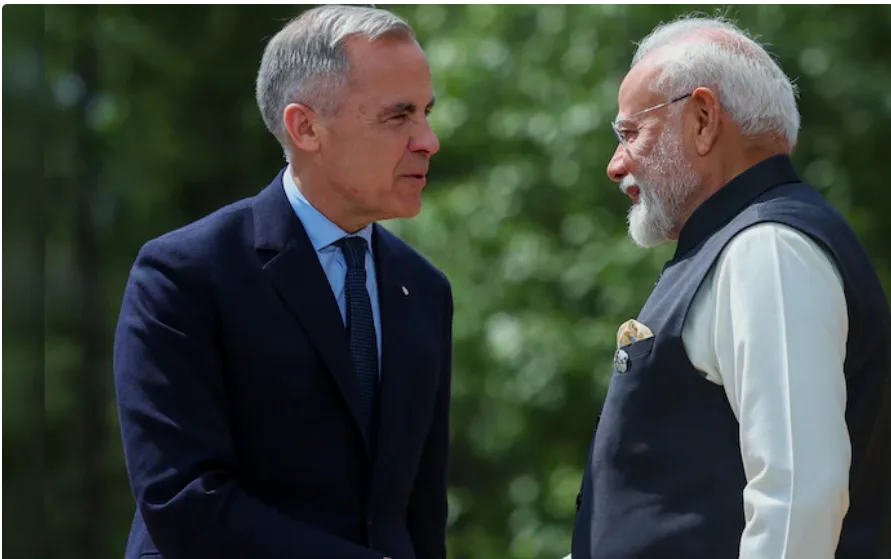
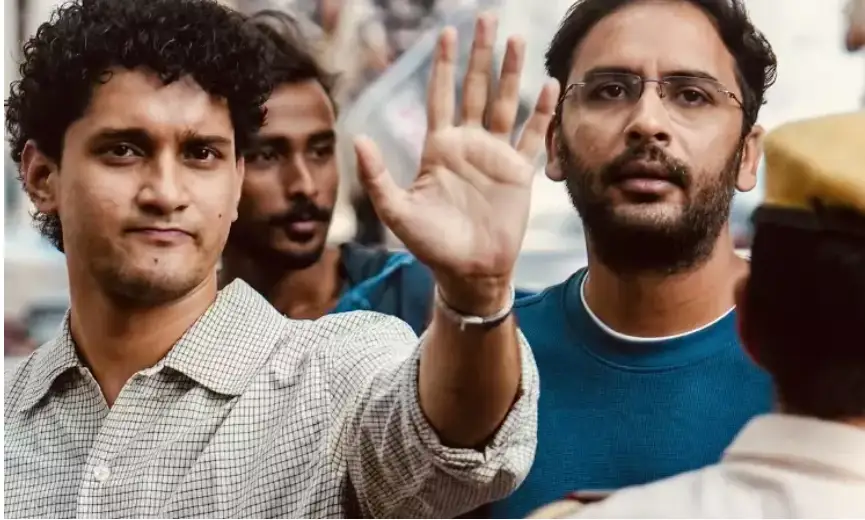
CJP leaders Saurav Das, Ashutosh Ranka, Ajinkya Shinde sent to 5-day judicial custody
Three CJP leaders, Saurav Das, Ashutosh Ranka and Ajinkya Shinde, were placed under preventive arrest following a protest at Delhi’s Jantar Mantar over Chief Election Commissioner Gyanesh Kumar.
India News
BJP focuses on religion as opposition pushes BDM strategy in UP
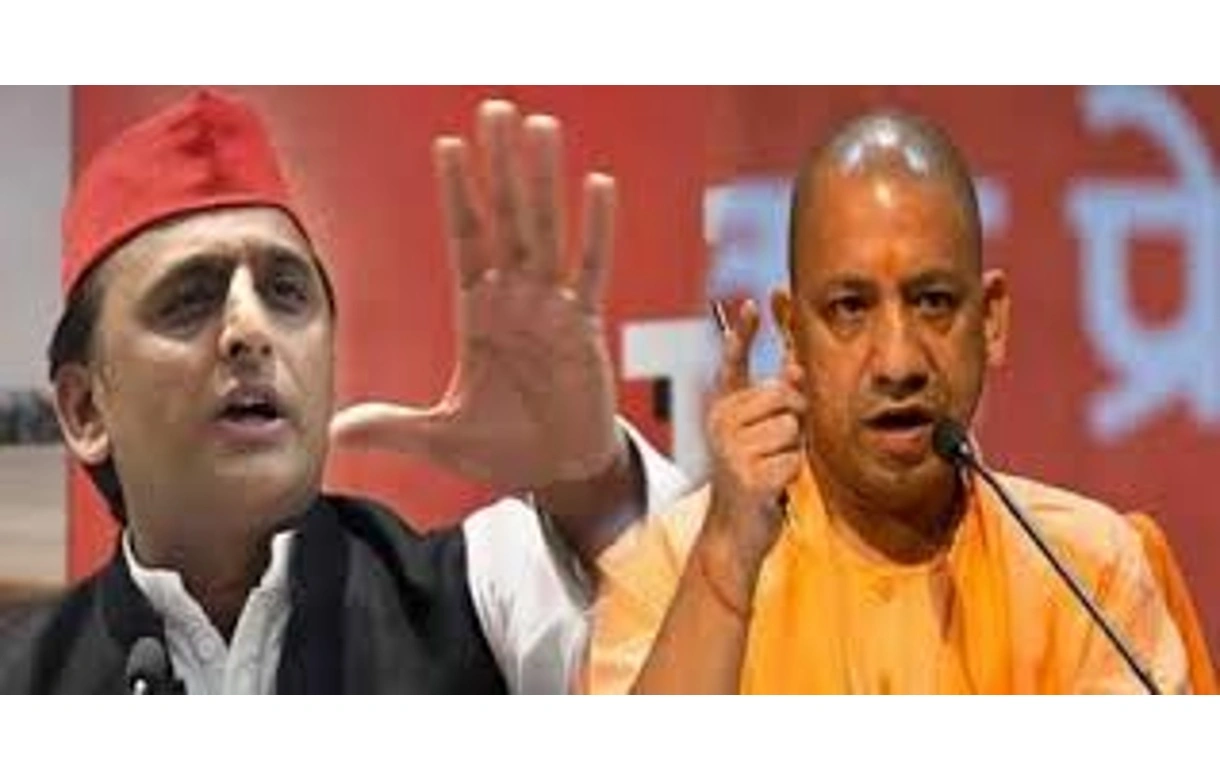
The BJP is emphasising religious issues ahead of the Uttar Pradesh Assembly elections, while opposition parties are seeking to consolidate Backward, Dalit and Minority voters. Recent exchanges involving Yogi Adityanath, Akhilesh Yadav and Asaduddin Owaisi have added to the political contest over the state’s electoral narrative.

Supreme Court stays defamation case against Rahul Gandhi over PM Modi remarks

Rahul Gandhi hosts high tea for INDIA bloc after Gyanesh Kumar protests

L Murugan quits Union ministry to strengthen BJP in Tamil Nadu

Amit Shah attacks Rahul Gandhi over Congress poll losses, questions SIR row

BJP focuses on religion as opposition pushes BDM strategy in UP

PM Modi speaks to Mark Carney as India and Canada push to strengthen ties

S Jaishankar says India is a natural option for Russia amid Europe tensions

CJP leaders Saurav Das, Ashutosh Ranka, Ajinkya Shinde sent to 5-day judicial custody
BJP focuses on religion as opposition pushes BDM strategy in UP
L Murugan quits Union ministry to strengthen BJP in Tamil Nadu

Afghan Men Try To Hang With The Jet Engine Of The Aircraft in Kabul- Afghanistan News – Kabul News
Trending Top 10 News: 10000 Crore Fine on Flipkart, Apple to Launch Unique Feature, Hdfc Bank Job Ad

Trending Top 10 News: Nokia 6310, Apple sales, Bachpan ka Pyar Video Kid, Dainik Bhaskar IT Raid

Trending Top 10 News: Canada bans Indian flights, Rain in Delhi NCR, AIMIM Twitter hacked, Raj Kundra case

Trending Top 10 News: Shein India, Apple New Service, Pocket Oxygen, Oppo Launched New Phone
-
 India News24 hours ago
Supreme Court stays defamation case against Rahul Gandhi over PM Modi remarks
-
 India News16 hours ago
Rahul Gandhi hosts high tea for INDIA bloc after Gyanesh Kumar protests
-
 India News15 hours ago
L Murugan quits Union ministry to strengthen BJP in Tamil Nadu
-
 India News15 hours ago
Amit Shah attacks Rahul Gandhi over Congress poll losses, questions SIR row
-
 India News14 hours ago
BJP focuses on religion as opposition pushes BDM strategy in UP
-
 India News3 hours ago
CJP leaders Saurav Das, Ashutosh Ranka, Ajinkya Shinde sent to 5-day judicial custody
-
 Latest world news3 hours ago
S Jaishankar says India is a natural option for Russia amid Europe tensions
-
 India News3 hours ago
PM Modi speaks to Mark Carney as India and Canada push to strengthen ties
