
India News
G20 Summit: PM Modi hands over G20 ceremonial gavel to Brazilian President Lula as Delhi Summit ends
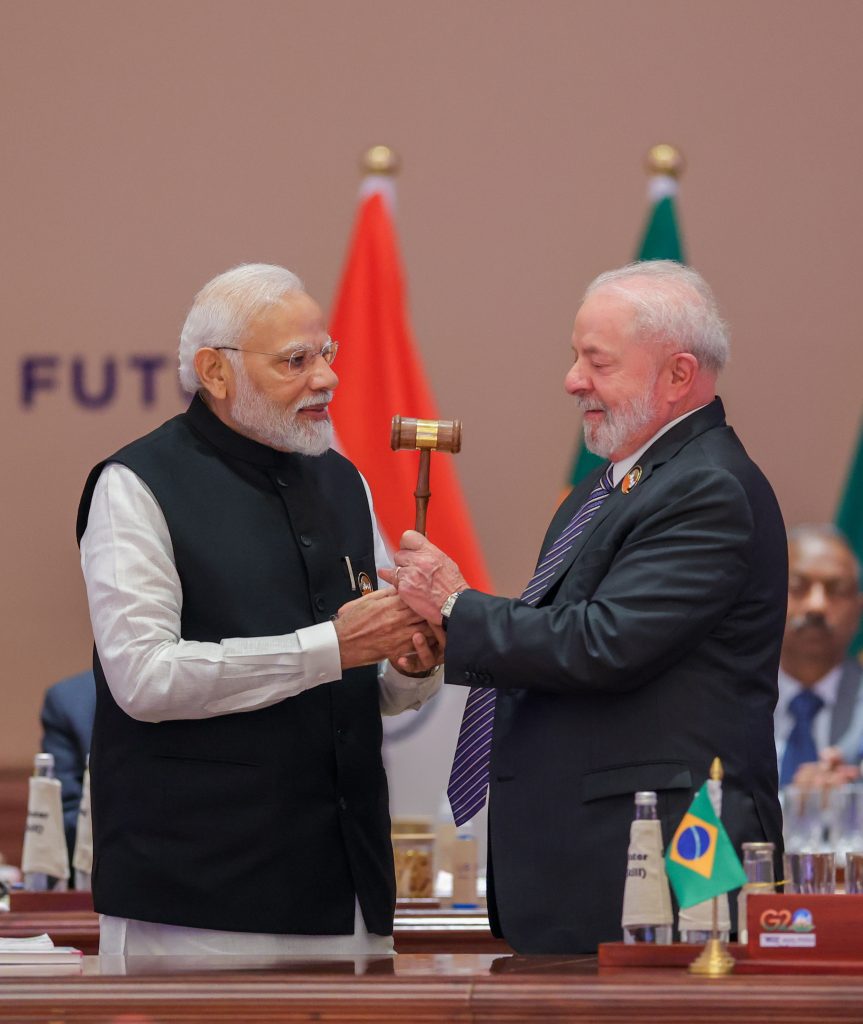
As G20 Summit concluded on Sunday, Prime Minister Narendra Modi handed over the ceremonial gavel to Brazilian President Lula da Silva, which will take the bloc’s Presidency.

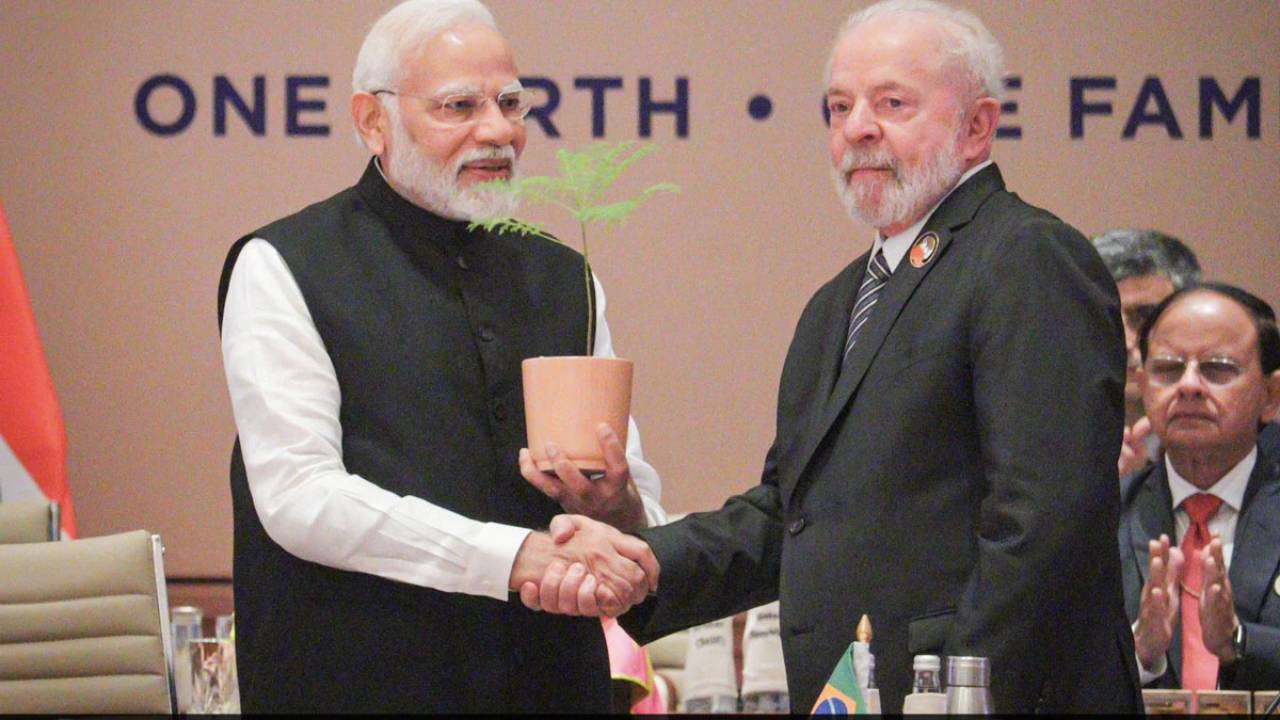
As G20 Summit concluded on Sunday, Prime Minister Narendra Modi handed over the ceremonial gavel to Brazilian President Lula da Silva, which will take the bloc’s Presidency.
Brazilian President Lula congratulated PM Modi and praised India for giving voice to topics of interest of emerging economies. Brazil officially will take over the mantle of the presidency of the elite grouping on December 1.
Along with other priorities, Lula da Silva included social inclusion, the fight against hunger, sustainable development, and energy transition as G20 priorities.
He said the UN Security Council needs new developing countries as permanent, non-permanent members to regain political strength.
We want greater representation for emerging countries at the World Bank and the IMF, President Lula added.
According to reports, the Brazilian presidency of the G20 has shared three priorities.
It has outlined three priorities for their term. The first priority is social inclusion and combating hunger. The second priority is focused on transitioning to sustainable energy development in all areas. The third priority centres around reforming global governance institutions.
These priorities align with the presidency’s motto of creating a fair world and sustainable planet. In order to address these priorities, two task forces will be established such as the global alliance against hunger and poverty, and the global mobilization against climate change, according to reports.
Speaking on the occasion, President Lula the technical groups and the preparatory ministerial meetings will be hosted in several cities in all five regions of our country. President Lula said he would be very much honoured to welcome all G20 leaders to the Rio de Janeiro Summit in November 2024.
President Lula further shared his emotions and feelings about Mahatma Gandhi, he paid homage to Mahatma Gandhi earlier today, President Lula said he was very much touched and emotional when he went to pay homage to Gandhi today. Everybody knows that in my political life, Mahatma Gandhi has great meaning because the struggle with non-violence was a role model that he followed for many decades when he was in the Labour Movement. That is why he was very much touched and emotional, the Brazilian President added.








India News
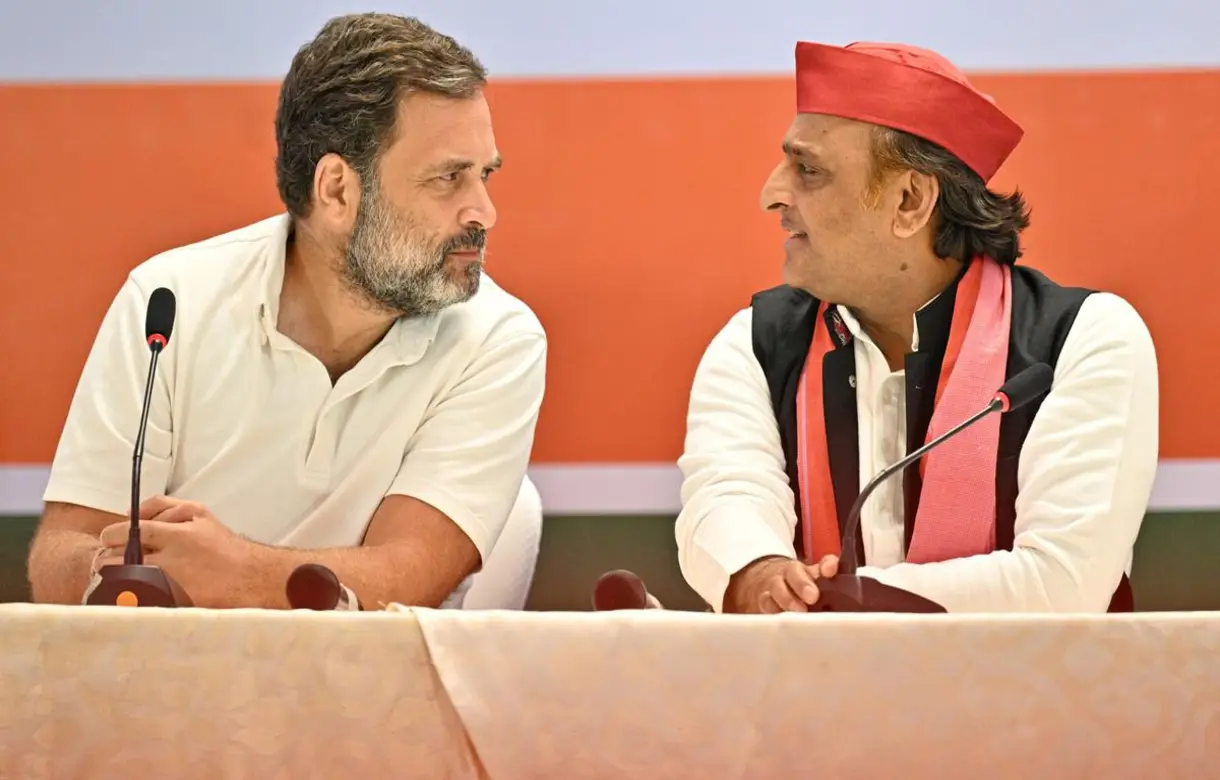
Congress seeks 175-200 seats in UP, Samajwadi Party stresses on winnability
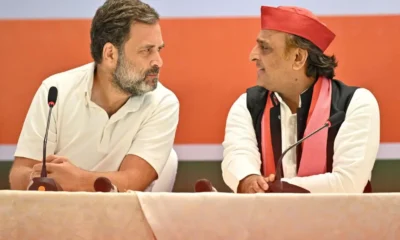
Congress has initiated seat-sharing talks with the Samajwadi Party for the 2027 UP Assembly elections, seeking to contest 175–200 seats. The SP has emphasised winnability as the key criterion for allocating constituencies.

India News
Thousands bang utensils, beat drums in Manipur protest over continued killings
Thousands of people staged a sound protest across Manipur’s five valley districts on Friday, October 23, banging utensils, beating drums and honking vehicle horns to protest continued killings and the prolonged ethnic conflict.

India News
MEA responds after ITBP chief flags ongoing face-offs with China in Arunachal
India said deviations by Chinese forces from established patrolling patterns periodically disturb the situation along the Line of Actual Control, as the government addressed remarks by the ITBP chief about ongoing face-offs in Arunachal Pradesh.

Om Prakash Mathur sworn in as Keralam Governor

PM Modi to inaugurate Rs 169-crore RBI data centre in Odisha on October 25

MEA responds after ITBP chief flags ongoing face-offs with China in Arunachal

Delhi High Court rejects Neha Bora’s plea against peace bond notice

Thousands bang utensils, beat drums in Manipur protest over continued killings

Congress seeks 175-200 seats in UP, Samajwadi Party stresses on winnability
Thousands bang utensils, beat drums in Manipur protest over continued killings
MEA responds after ITBP chief flags ongoing face-offs with China in Arunachal
Delhi High Court rejects Neha Bora’s plea against peace bond notice
PM Modi to inaugurate Rs 169-crore RBI data centre in Odisha on October 25

Afghan Men Try To Hang With The Jet Engine Of The Aircraft in Kabul- Afghanistan News – Kabul News
Trending Top 10 News: 10000 Crore Fine on Flipkart, Apple to Launch Unique Feature, Hdfc Bank Job Ad

Trending Top 10 News: Nokia 6310, Apple sales, Bachpan ka Pyar Video Kid, Dainik Bhaskar IT Raid

Trending Top 10 News: Canada bans Indian flights, Rain in Delhi NCR, AIMIM Twitter hacked, Raj Kundra case

Trending Top 10 News: Shein India, Apple New Service, Pocket Oxygen, Oppo Launched New Phone
-
 India News20 hours ago
Om Prakash Mathur sworn in as Keralam Governor
-
 India News19 hours ago
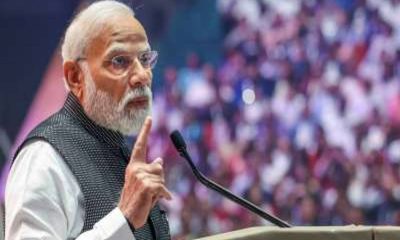
PM Modi to inaugurate Rs 169-crore RBI data centre in Odisha on October 25
-
 India News18 hours ago
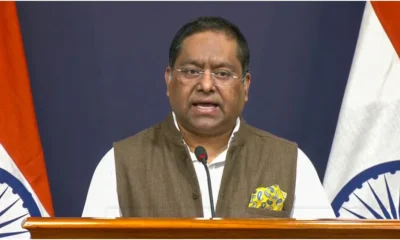
MEA responds after ITBP chief flags ongoing face-offs with China in Arunachal
-
 India News18 hours ago
Delhi High Court rejects Neha Bora’s plea against peace bond notice
-
 India News5 hours ago
Thousands bang utensils, beat drums in Manipur protest over continued killings
-
 India News4 hours ago
Congress seeks 175-200 seats in UP, Samajwadi Party stresses on winnability
