
India News
Hemant Soren takes oath as Jharkhand CM for fourth term
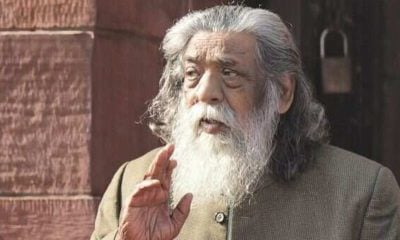
Governor Santosh Kumar Gangwar administered the oath of office and secrecy to Hemant Soren.

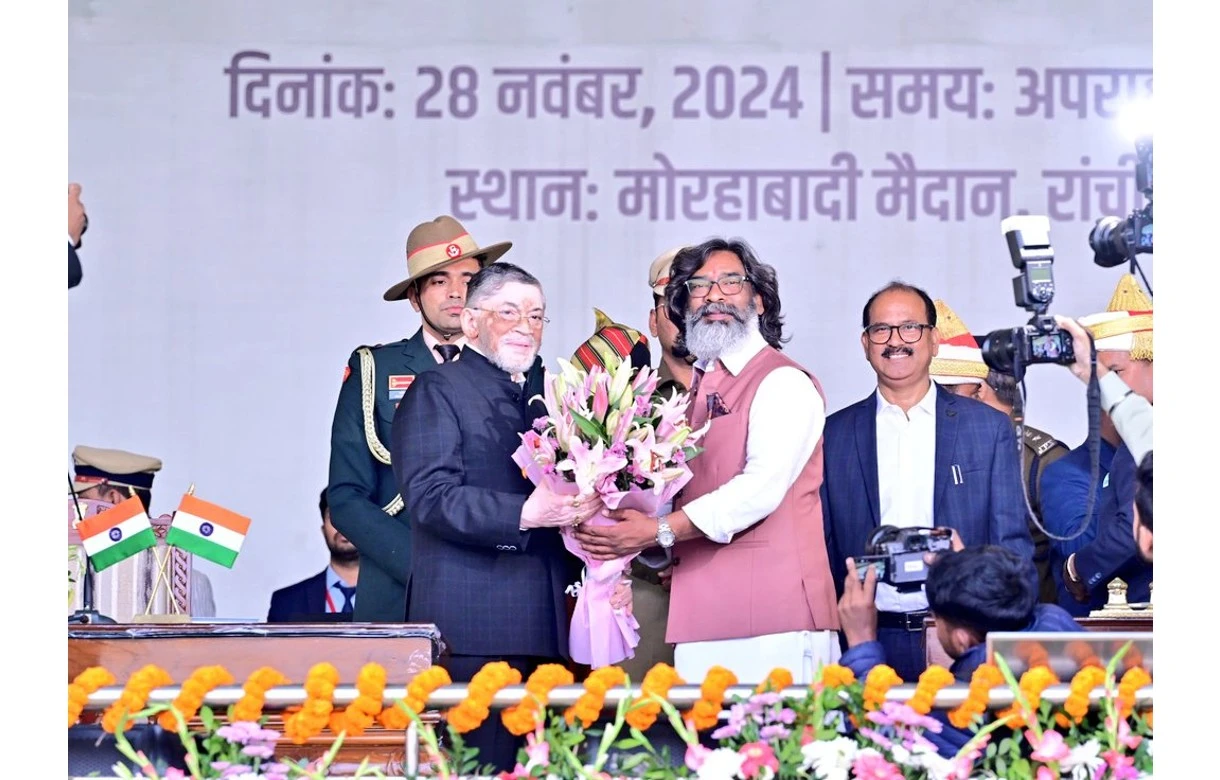
Hemant Soren took oath as the chief minister of Jharkhand for the fourth term in the presence of the top INDIA block leaders in Ranchi on Thursday.
Governor Santosh Kumar Gangwar administered the oath of office and secrecy to Hemant Soren.
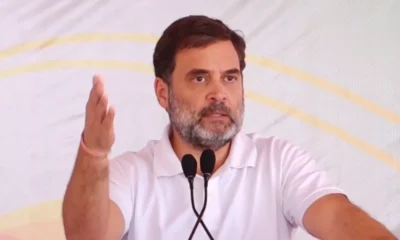
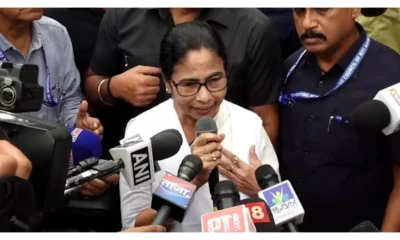
Congress president Mallikarjun Kharge, Leader of the Opposition in the Lok Sabha Rahul Gandhi, Samajwadi Party chief Akhilesh Yadav, West Bengal Chief Minister Mamata Banerjee, Aam Aadmi Party convener Arvind Kejriwal, Punjab Chief Minister Bhagwant Mann, RJD leader Tejashwi Yadav were present among other top INDIA bloc leaders.
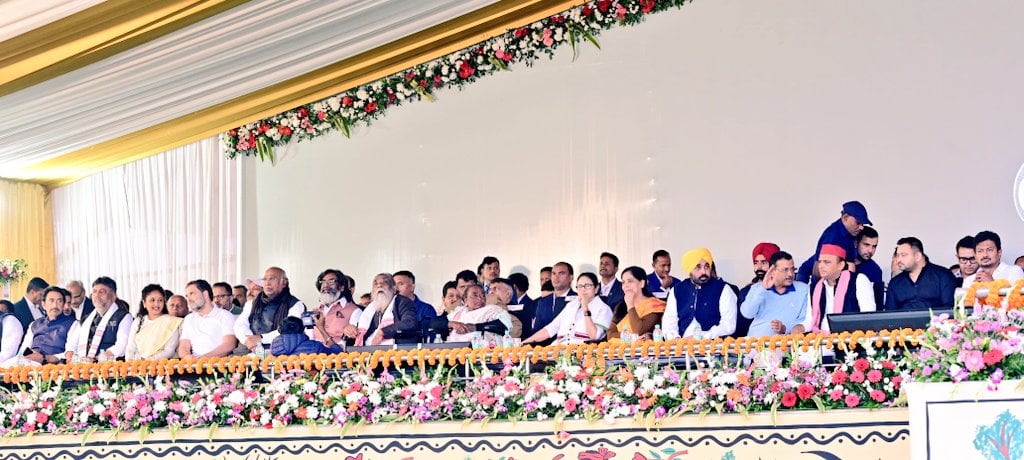
“Today’s historic day is dedicated to the struggle of the immortal brave martyrs, great revolutionaries and agitators of Jharkhand,” the chief minister said on X. He also dedicated this day to the crores of people of Jharkhand. “Abua Sarkar–Government of every Jharkhandi.”
Speaking to reporters after the oath ceremony, Governor Santosh Gangwar extended his wishes to the new government. “I believe that this state will make a good place for itself in the country and make good progress and development,” he said.
In the recently concluded state Assembly elections, the JMM-led coalition secured 56 out of 81 seats. The party, led by Hemant Soren, contested 41 seats and won 34, while the Congress gained 16 of the 30 seats it contested. The RJD and CPIML claimed six and four seats, respectively.
“It is a great day for Jharkhand. People have shown a lot of confidence. I am sure that the entire alliance will do d very good job. It is a big lesson because they tried to harass him. Harassing leaders will not help. So, this is also one of the examples after Karnataka,” Karnataka Deputy Chief Minister DK Shivakumar told reporters after attending the oath ceremony here.
Hemant Soren, 49, began his political journey with a brief tenure in the Rajya Sabha before becoming an MLA in 2009. He served as deputy chief minister from 2010 to 2013 when the JMM was allied with the BJP under the then chief minister Arjun Munda.
In 2013, Soren became chief minister following the JMM’s alliance with the Congress and RJD. After the BJP won the 2014 state election, Soren assumed the role of Leader of the Opposition in the assembly. The JMM-Congress coalition triumphed in the 2019 Assembly election, leading to Soren’s second term as chief minister.






India News
Delhi Police offers 11-person limit for CJP’s Connaught Place protest
Delhi Police has offered to facilitate a group of 11 people at Central Park in Connaught Place for the Cockroach Janata Party’s October 16 protest, while warning that violations of prohibitory orders could invite legal action.


India News
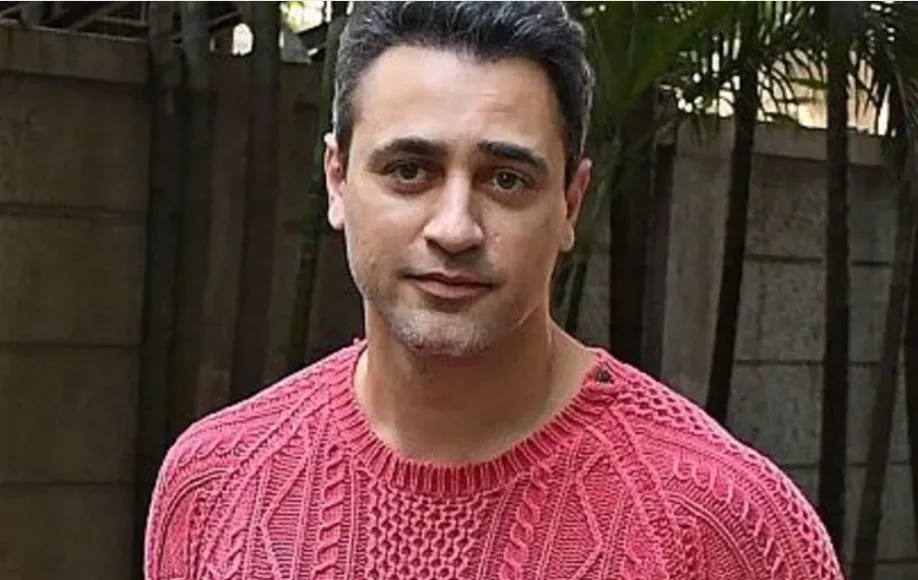
Actor Imran Khan asked to leave India after CJP protest
Actor Imran Khan has been asked to leave India by October 28, days after participating in a protest called by the Cockroach Janta Party (CJP) in Mumbai.
India News
Election Commission orders voter roll revision in 17 states, UTs
The Election Commission has ordered a Special Summary Revision of electoral rolls in 17 states and Union Territories. Draft rolls are scheduled for November 12, with final rolls due on January 4, 2027.

Dhruv Rathee gets fresh summons in 2018 BJP IT cell video case

Nobody can browbeat judiciary, Chief Justice warns over Rahul Gandhi’s march

India-US trade deal first phase finalised, drafting underway

Election Commission orders voter roll revision in 17 states, UTs

Actor Imran Khan asked to leave India after CJP protest

Delhi Police offers 11-person limit for CJP’s Connaught Place protest
Actor Imran Khan asked to leave India after CJP protest
Election Commission orders voter roll revision in 17 states, UTs
India-US trade deal first phase finalised, drafting underway
Nobody can browbeat judiciary, Chief Justice warns over Rahul Gandhi’s march

Afghan Men Try To Hang With The Jet Engine Of The Aircraft in Kabul- Afghanistan News – Kabul News
Trending Top 10 News: 10000 Crore Fine on Flipkart, Apple to Launch Unique Feature, Hdfc Bank Job Ad

Trending Top 10 News: Nokia 6310, Apple sales, Bachpan ka Pyar Video Kid, Dainik Bhaskar IT Raid

Trending Top 10 News: Canada bans Indian flights, Rain in Delhi NCR, AIMIM Twitter hacked, Raj Kundra case

Trending Top 10 News: Shein India, Apple New Service, Pocket Oxygen, Oppo Launched New Phone
-
 India News14 hours ago
Dhruv Rathee gets fresh summons in 2018 BJP IT cell video case
-
 India News11 hours ago
Nobody can browbeat judiciary, Chief Justice warns over Rahul Gandhi’s march
-
 India News6 hours ago
India-US trade deal first phase finalised, drafting underway
-
 India News4 hours ago
Election Commission orders voter roll revision in 17 states, UTs
-
 India News3 hours ago
Actor Imran Khan asked to leave India after CJP protest
-
 India News2 hours ago
Delhi Police offers 11-person limit for CJP’s Connaught Place protest
