
India News
Hooda and Vadra booked in Gugugram land scam case


In a major development which could lead to some kind of political objectives, the Gurugram Police has booked Haryana’s former chief minister Bhupinder Singh Hooda and Robert Vadra, brother in-law of Rahul Gandhi in an alleged fraudulent land transaction case in Gurugram on Saturday.
Realty giant DLF and Onkareshwar Properties were also booked by the police in Gurugram district under Sections 120-B, 420, 467, 468 and 471 of the IPC and Section 13 of the Prevention of Corruption Act. The complaint was lodged by Surender Singh, a resident of Tauru in Nuh district, alleging fraudulent land transaction in Shikohpur, Sector 83 of Gurugram in 2008.
Surender Singh alleged that Skylight Hospitality, a Vadra firm, was registered in 2007 with a capital of just Rs 1 lakh while in 2008,the firm purchased land measuring 3.5 acres for Rs 7.5 crore from Onkareshwar Properties though the cheque for Rs 7.5 crore was never encashed by the seller.
 It was alleged that soon after getting a licence to develop a commercial colony in 2008, Vadra’s firm sold the property to realty major DLF for a whopping Rs 58 crore.
Bhupinder Singh Hooda, who held the charge of the Department of Town and Country Planning in the state, violated rules and regulations to grant commercial colony licence to Vadra’s firm. The criteria of financial and technical capacity of the company was never assessed by the state government, it is alleged.
The complainant alleged the quid pro quo between Vadra and DLF, as DLF was favoured in the allotment of around 350 acres of land for a golf course in Wazirabad soon after the 58 crore deal between the two.
It may be interesting to know that the Ashok Khemka, the whistleblower IAS officer has cancelled the mutation of this particular land in 2012 for allegedly violating rules and regulations. The officer had also raised questions about the nature of this transaction.









India News
Delhi Police offers 11-person limit for CJP’s Connaught Place protest
Delhi Police has offered to facilitate a group of 11 people at Central Park in Connaught Place for the Cockroach Janata Party’s October 16 protest, while warning that violations of prohibitory orders could invite legal action.


India News
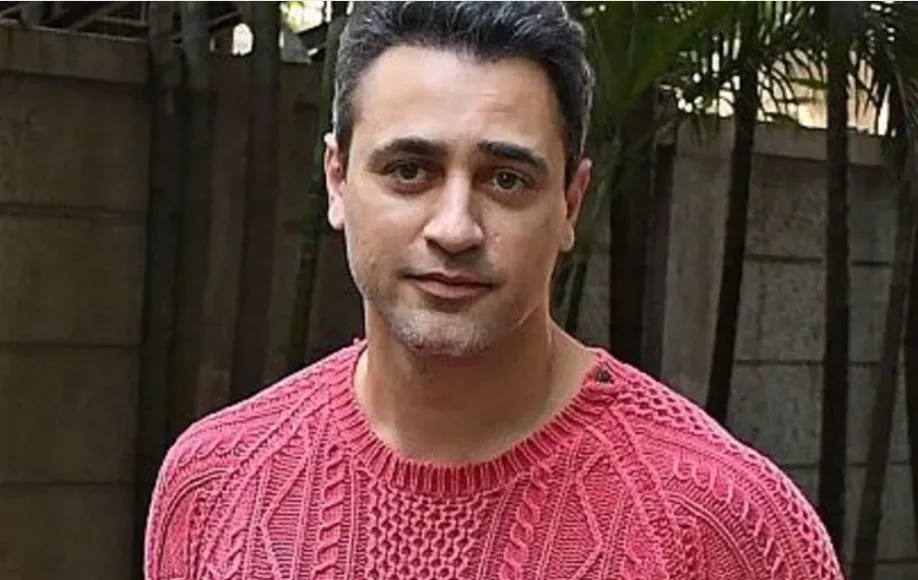
Actor Imran Khan asked to leave India after CJP protest
Actor Imran Khan has been asked to leave India by October 28, days after participating in a protest called by the Cockroach Janta Party (CJP) in Mumbai.
India News
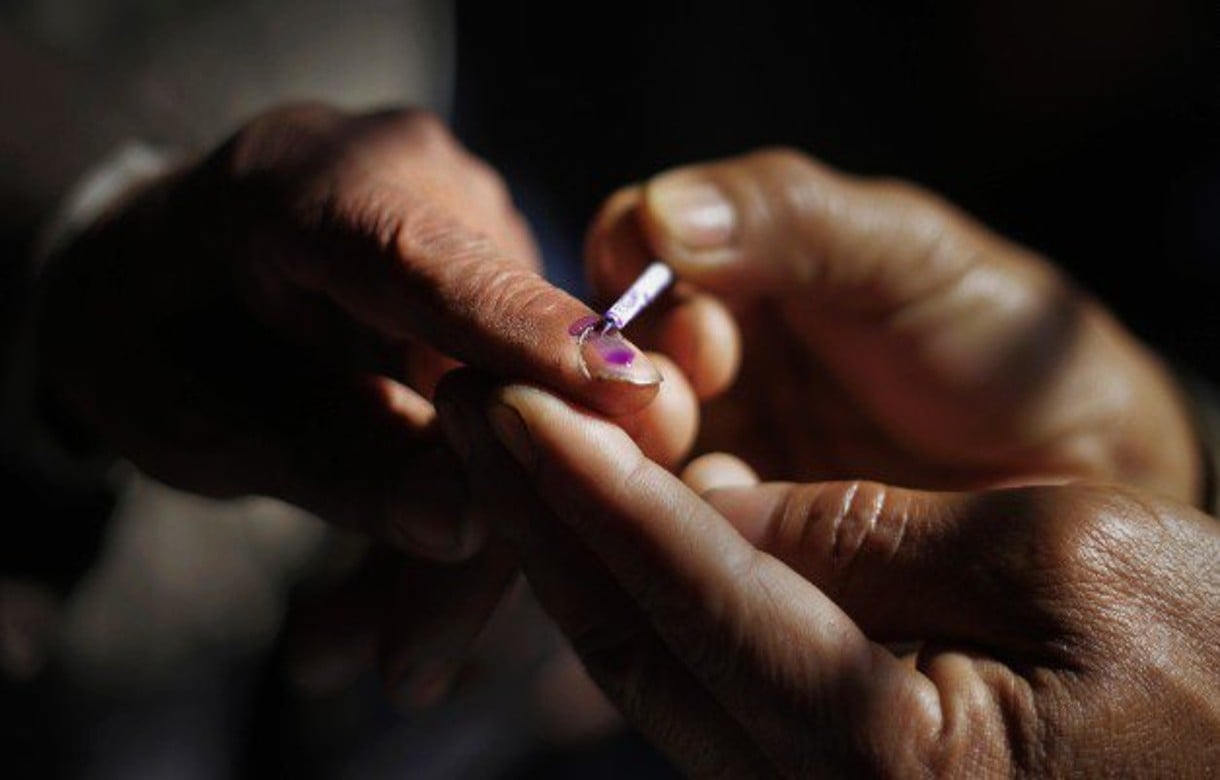
Election Commission orders voter roll revision in 17 states, UTs
The Election Commission has ordered a Special Summary Revision of electoral rolls in 17 states and Union Territories. Draft rolls are scheduled for November 12, with final rolls due on January 4, 2027.

Dhruv Rathee gets fresh summons in 2018 BJP IT cell video case

Nobody can browbeat judiciary, Chief Justice warns over Rahul Gandhi’s march

India-US trade deal first phase finalised, drafting underway

Election Commission orders voter roll revision in 17 states, UTs

Actor Imran Khan asked to leave India after CJP protest

Delhi Police offers 11-person limit for CJP’s Connaught Place protest
Actor Imran Khan asked to leave India after CJP protest
Election Commission orders voter roll revision in 17 states, UTs
India-US trade deal first phase finalised, drafting underway
Nobody can browbeat judiciary, Chief Justice warns over Rahul Gandhi’s march

Afghan Men Try To Hang With The Jet Engine Of The Aircraft in Kabul- Afghanistan News – Kabul News
Trending Top 10 News: 10000 Crore Fine on Flipkart, Apple to Launch Unique Feature, Hdfc Bank Job Ad

Trending Top 10 News: Nokia 6310, Apple sales, Bachpan ka Pyar Video Kid, Dainik Bhaskar IT Raid

Trending Top 10 News: Canada bans Indian flights, Rain in Delhi NCR, AIMIM Twitter hacked, Raj Kundra case

Trending Top 10 News: Shein India, Apple New Service, Pocket Oxygen, Oppo Launched New Phone
-
 India News14 hours ago
Dhruv Rathee gets fresh summons in 2018 BJP IT cell video case
-
 India News10 hours ago
Nobody can browbeat judiciary, Chief Justice warns over Rahul Gandhi’s march
-
 India News6 hours ago
India-US trade deal first phase finalised, drafting underway
-
 India News4 hours ago
Election Commission orders voter roll revision in 17 states, UTs
-
 India News3 hours ago
Actor Imran Khan asked to leave India after CJP protest
-
 India News2 hours ago
Delhi Police offers 11-person limit for CJP’s Connaught Place protest
