
India News
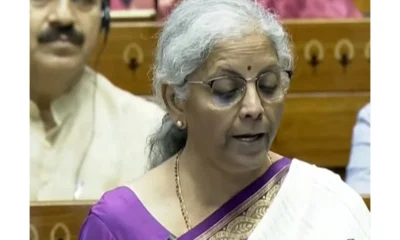
Nirmala Sitharaman says India “would love a big, good, beautiful” trade pact with the US










India News
BJP releases first list of 47 candidates for Kerala assembly polls
The BJP has released its first list of 47 candidates for the Kerala Assembly elections scheduled for April 9, including three former Union ministers.

India News
Fire in ICU at SCB medical college hospital in Cuttack kills 10 patients
Ten patients died after a fire broke out in the trauma ICU at SCB medical college hospital in Cuttack early Monday morning. Odisha Chief Minister Mohan Charan Majhi announced compensation and ordered a judicial probe.

India News
Arvind Kejriwal moves Supreme Court against Delhi High Court order in excise policy case
Arvind Kejriwal has approached the Supreme Court challenging a Delhi High Court order related to proceedings in the excise policy case and alleging violation of his fundamental rights.


Fire near Dubai International Airport after drone incident, flights temporarily suspended

Fire in ICU at SCB medical college hospital in Cuttack kills 10 patients

Rajya Sabha elections Voting begins for 37 seats across 10 states

Arvind Kejriwal moves Supreme Court against Delhi High Court order in excise policy case

BJP releases first list of 47 candidates for Kerala assembly polls
BJP releases first list of 47 candidates for Kerala assembly polls
Fire in ICU at SCB medical college hospital in Cuttack kills 10 patients
Arvind Kejriwal moves Supreme Court against Delhi High Court order in excise policy case
Rajya Sabha elections Voting begins for 37 seats across 10 states
Fire near Dubai International Airport after drone incident, flights temporarily suspended

Afghan Men Try To Hang With The Jet Engine Of The Aircraft in Kabul- Afghanistan News – Kabul News
Trending Top 10 News: 10000 Crore Fine on Flipkart, Apple to Launch Unique Feature, Hdfc Bank Job Ad

Trending Top 10 News: Nokia 6310, Apple sales, Bachpan ka Pyar Video Kid, Dainik Bhaskar IT Raid

Trending Top 10 News: Canada bans Indian flights, Rain in Delhi NCR, AIMIM Twitter hacked, Raj Kundra case

Trending Top 10 News: Shein India, Apple New Service, Pocket Oxygen, Oppo Launched New Phone
-
 Latest world news14 hours ago
Fire near Dubai International Airport after drone incident, flights temporarily suspended
-
 India News14 hours ago
Fire in ICU at SCB medical college hospital in Cuttack kills 10 patients
-
 India News14 hours ago
Rajya Sabha elections Voting begins for 37 seats across 10 states
-
 India News14 hours ago
Arvind Kejriwal moves Supreme Court against Delhi High Court order in excise policy case
-
 India News4 hours ago
BJP releases first list of 47 candidates for Kerala assembly polls
