
India News
India’s first womb transplant may encourage organ donation


[vc_row][vc_column][vc_column_text]It was conducted at the Galaxy Care Laparoscopy Institute in Pune on May 18
By Ramesh Menon
India’s first uterus transplant was conducted on May 18 at the Galaxy Care Laparoscopy Institute in Pune. The landmark surgery might encourage many others to donate organs.
The 26-year-old patient from Vadodara was all smiles before the operation at 9am as it gave it a new hope of conceiving after getting her mother’s womb. The eight-hour surgery ahead did not rattle her. She had gone through a lot of trauma for the last eight years after marriage trying to have a baby. Now, there is a new hope—after losing two babies in previous pregnancies, four abortions and a scarred uterus.
She hopes the womb transplant will now help her bear a child. At last.
The complicated transplant operation was headed by Dr Shailesh Puntambekar, consultant oncosurgeon and Laparoscopic Oncosurgeon. He was assisted by Dr Sanjeev Jadhav, vascular surgeon, Dr Milind Telang, gynaecologist and Dr Pankaj Kulkarni, infertility specialist. Dr Bhushan Kinholkar will look after intensive care after the operation that is very crucial for success.
Dr Sailesh Puntambekar told APN that this landmark operation will give a new hope to many women who do not have a functional uterus and want to have a baby. “We are very confident as we have taken great care to select the donor and the recipient after conducting numerous tests. We are hoping for the best,” he said.
Another womb transplant is scheduled for tomorrow at the hospital for a 22-year-old patient born without a uterus. The third transplant is to be conducted in June. All the three women have different uterine complications and donors are their mothers.
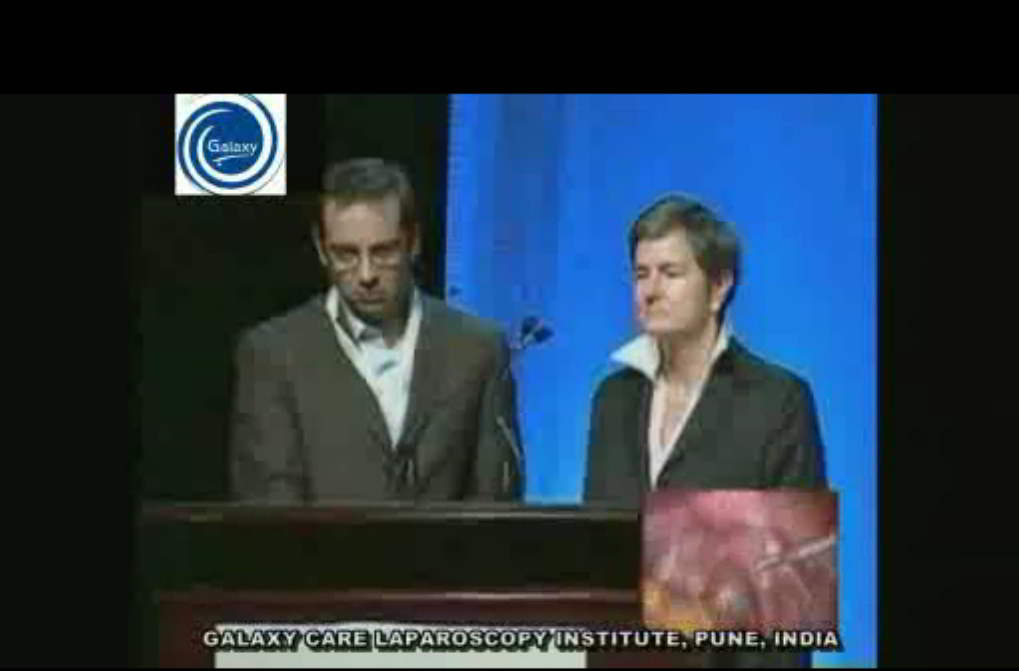
Dr Shailesh Puntambekar who headed the operation
They will all be closely monitored by the doctors for 24 weeks. Then, fertilized embryos will be transferred into the uterus using the IVF procedure if they are in good health.
Doctors say that these transplants will hopefully help them get pregnant. The operations of all the three are being done free of cost by the hospital.[/vc_column_text][/vc_column][/vc_row][vc_row css=”.vc_custom_1495092539925{background-color: #d3d3d3 !important;}”][vc_column][vc_column_text css=”.vc_custom_1495092413106{background-color: e0e0e0 !important;}”]Law to regulate transplants
The Transplantation of Human Organs Act passed in 1994 is India’s primary legislation related to organ donation and transplantation. The idea behind it was to regulate the removal, storage and transplantation of human organs for therapeutic purposes and prevent commercial dealings in human organs that had taken scandalous proportions in India. Poor people were selling off their organs to meet debts or to eke out a living. It allowed transplantation of human organs and tissues from living donors and cadavers after cardiac or brain death. It also wanted to ensure that the donors were not exploited as there were too many cases of commercial dealings in transplantation.[/vc_column_text][/vc_column][/vc_row][vc_row][vc_column][vc_column_text]Nearly a dozen gynecologists, endocrinologists and IVF specialists at the hospital were planning the live donor uterine transplant for a year. They first practiced on cadavers in Germany and the United States and got briefed by doctors who had done before helping them to perfect the technique.
The hospital then got its infrastructure in place before a government team inspected it before granting permission from the Directorate of Health Services in Maharashtra to conduct the transplant. They now have a licence to conduct womb transplants till 2022.
About 25 such transplants have taken place in the world. As there is a large possibility of rejection, both patients and doctors are on their tenterhooks. But there is always hope that it will work as it has in some cases. Out of 11 womb transplants in Sweden, seven ended in successful pregnancies.
Organ donation has not picked up in India. A lot of superstitious beliefs and fears stop people from donating their organs. Many believe that if they donate their eyes after death, they would be reborn blind. Counselors who try to persuade families to donate the eyes of their loved ones after they have passed away have a tough time convincing them to do so. Most of them just get shooed away, says one of them.
Even cadaver donation has not picked up. Media attention on such donations and operations can in some way create an environment for organ donation to pick up.
Photo courtesy: Pinterest, http://www.galaxycare.org/[/vc_column_text][/vc_column][/vc_row]



India News
Delhi Palam fire leaves 6 dead, massive rescue operation underway
Six people died after a fire broke out in a residential building in Delhi’s Palam. Firefighters continue rescue efforts with 30 tenders at the spot.


India News
Centre mandates 60% free seat allocation on flights, caps selection fees
Airlines must now offer 60% seats without extra charges and ensure better seating arrangements for passengers under new government rules.

India News
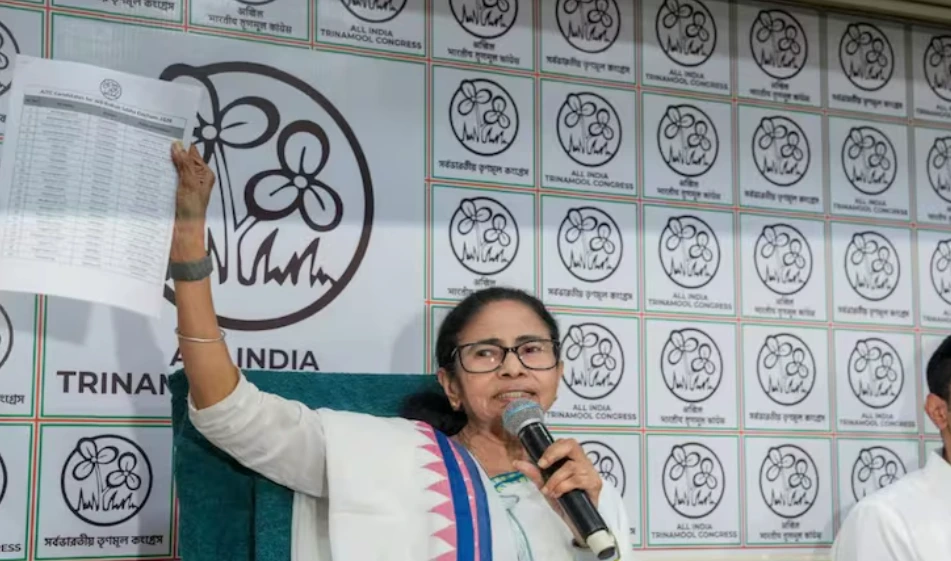
Mamata Banerjee warns BJP, EC over Bengal polls, says they will be accountable
Mamata Banerjee holds BJP and Election Commission responsible for any incidents during Bengal polls, raising concerns over officer transfers.

Centre assures action on LPG supply disruption, court closes distributors’ plea

Mamata Banerjee warns BJP, EC over Bengal polls, says they will be accountable

Top US counterterrorism official resigns over Iran war, cites conscience

US strikes Iranian missile sites near Hormuz with 5,000-pound bunker buster bombs

Netanyahu dismisses death rumours in video with US envoy, says I’m alive

Delhi Palam fire leaves 6 dead, massive rescue operation underway

Centre mandates 60% free seat allocation on flights, caps selection fees
Netanyahu dismisses death rumours in video with US envoy, says I’m alive
US strikes Iranian missile sites near Hormuz with 5,000-pound bunker buster bombs
Top US counterterrorism official resigns over Iran war, cites conscience

Afghan Men Try To Hang With The Jet Engine Of The Aircraft in Kabul- Afghanistan News – Kabul News
Trending Top 10 News: 10000 Crore Fine on Flipkart, Apple to Launch Unique Feature, Hdfc Bank Job Ad

Trending Top 10 News: Nokia 6310, Apple sales, Bachpan ka Pyar Video Kid, Dainik Bhaskar IT Raid

Trending Top 10 News: Canada bans Indian flights, Rain in Delhi NCR, AIMIM Twitter hacked, Raj Kundra case

Trending Top 10 News: Shein India, Apple New Service, Pocket Oxygen, Oppo Launched New Phone
-
India News19 hours ago
Centre assures action on LPG supply disruption, court closes distributors’ plea
-
 India News17 hours ago
Mamata Banerjee warns BJP, EC over Bengal polls, says they will be accountable
-
 Latest world news17 hours ago
Top US counterterrorism official resigns over Iran war, cites conscience
-
 Latest world news4 hours ago
US strikes Iranian missile sites near Hormuz with 5,000-pound bunker buster bombs
-
 Latest world news4 hours ago
Netanyahu dismisses death rumours in video with US envoy, says I’m alive
-
 India News3 hours ago
Centre mandates 60% free seat allocation on flights, caps selection fees
-
 India News2 hours ago
Delhi Palam fire leaves 6 dead, massive rescue operation underway
