
India News
India’s rank at Global Hunger Index lower than Nepal, Bangladesh, Myanmar

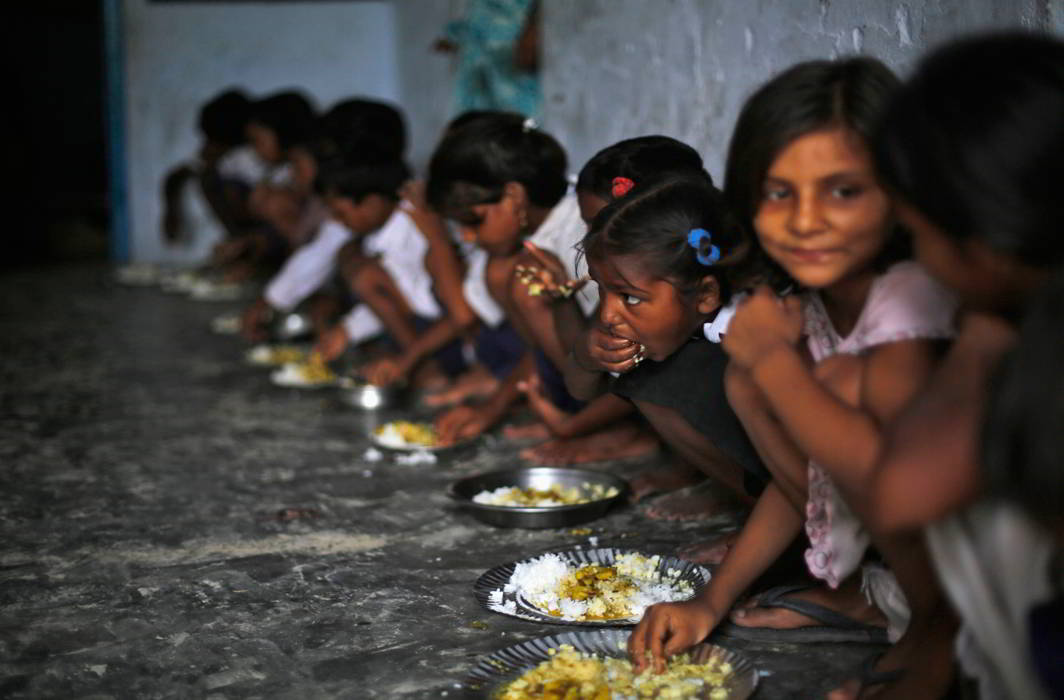
Other than India, only three other countries, Djibouti, Sri Lanka and South Sudan have more than 20% of their children wasted.
Depicting the country’s high proportions of malnourishment, the 2017 Global Hunger Index (GHI) has ranked India 100 among 119 countries, three places down from its last year’s position at 97. GHI data further showed that more than a fifth (21%) of the children in the country are wasted, with low weight for height. Other than India, only in three other countries, Djibouti, Sri Lanka and South Sudan are more than 20% children wasted.
The report released by Washington-based International Food Policy Research Institute (IFPRI) also showed that India’s this year’s GHI falls in the “serious” category. With a score of 34.1 out of 100, India shares its 100th position at the index with Djibouti and Rawanda (0 is the best possible score and 100 the worst).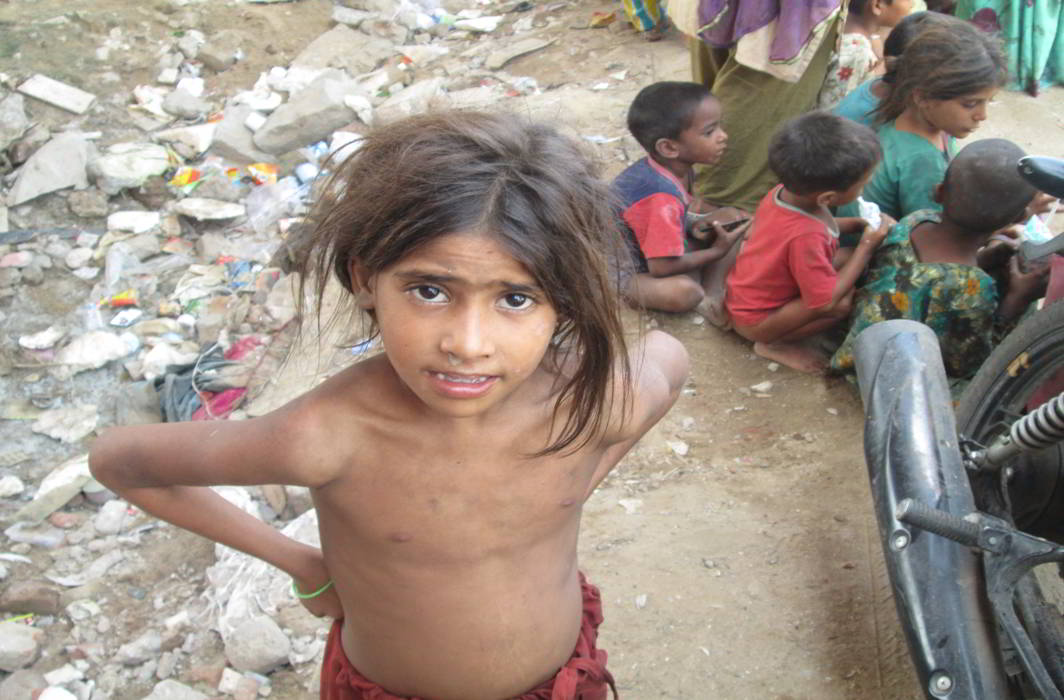
According to the report, India’s rank at 2017 GHI is worse than its neighbors, Nepal (72), Myanmar (77), Bangladesh (88), Sri Lanka (84) and China (29). However, Pakistan ranked even below India and held the 106th spot. Though being under several international conflicts, North Korea (93) and Iraq (78) ranked much better India in the hunger parameter.
Raising the alarm on the “serious” hunger problems in the country, the report mentioned, “given that three quarters of South Asia’s population reside in India, the situation in that country strongly influences South Asia’s regional score.”
Despite the government two national programmes on nutrition, the Integrated Child Development Service and the National Health Mission, India’s low rank make it evident that the initiative failed to reach the mass.
Also adding a growing need of concern for child nutrition in India, the latest 2015-16 National Family Health Survey (NFHS) showed that the availability of solid food with breast milk for young children in the country declined to 42.7% from 52.7 %. Also only 9.6 % of the children in the age-group of six to 23 months received adequate diet. While sanitation plays a major role in improving nutrition, the data showed that less than 48.4 % households in the country have access to proper sanitation facilities. The NFHS data also showed that one in three (35.7%) of Indian children, under the age of five are underweight, while another 38.4% are stunted.








India News
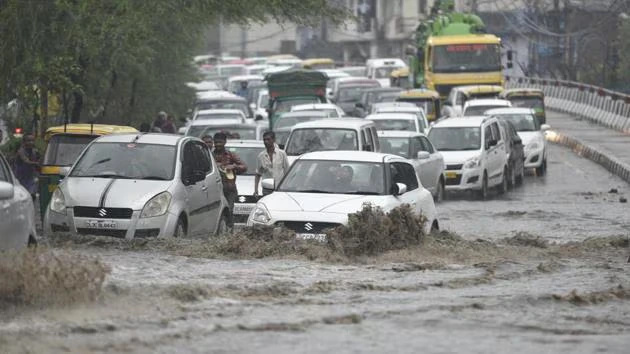
Delhi-NCR sees second spell of rain and thunderstorms in four days
Delhi-NCR experienced another spell of rain and thunderstorms on March 18, with IMD forecasting more showers over the next few days.

India News
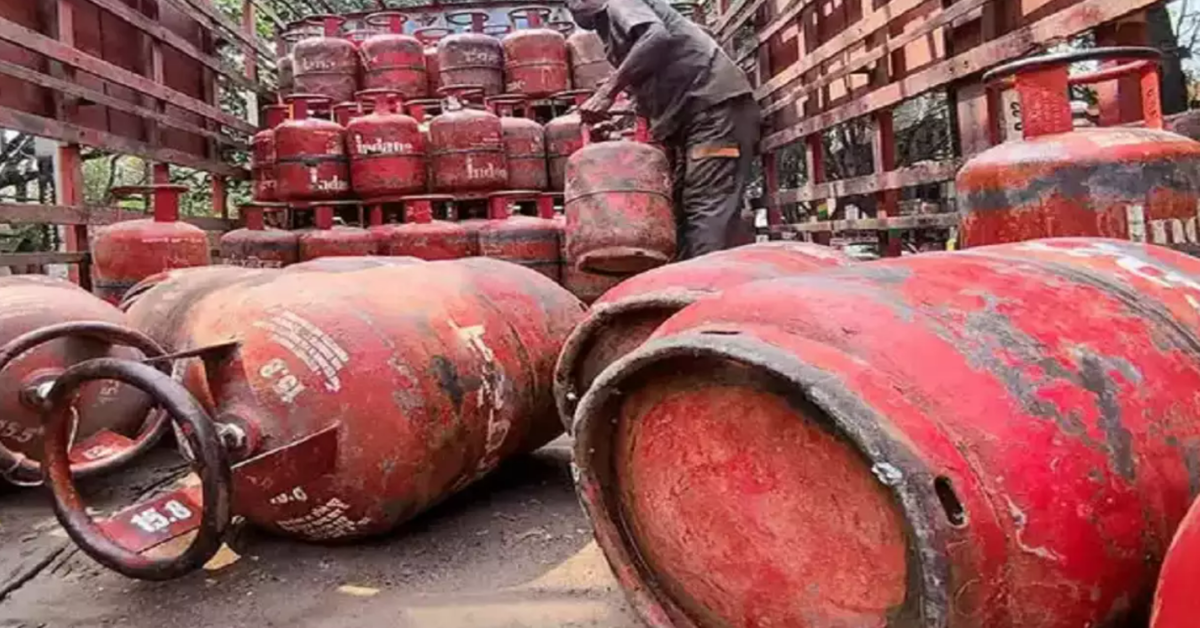
Centre pushes states to cut levies to boost PNG adoption
The Centre has asked states to reduce local levies and streamline approvals to accelerate PNG adoption and city gas infrastructure growth.
India News
BJP seals Assam seat-sharing pact, Modi to hold 3 rallies in April
BJP has finalised its Assam seat-sharing plan with allies and is gearing up for an intense campaign led by PM Modi and Amit Shah.

US strikes Iranian missile sites near Hormuz with 5,000-pound bunker buster bombs

Delhi Palam fire leaves 6 dead, massive rescue operation underway

Centre mandates 60% free seat allocation on flights, caps selection fees

Netanyahu dismisses death rumours in video with US envoy, says I’m alive

Centre pushes states to cut levies to boost PNG adoption

Delhi-NCR sees second spell of rain and thunderstorms in four days
Centre pushes states to cut levies to boost PNG adoption

BJP seals Assam seat-sharing pact, Modi to hold 3 rallies in April
Delhi Palam fire leaves 6 dead, massive rescue operation underway
Centre mandates 60% free seat allocation on flights, caps selection fees

Afghan Men Try To Hang With The Jet Engine Of The Aircraft in Kabul- Afghanistan News – Kabul News
Trending Top 10 News: 10000 Crore Fine on Flipkart, Apple to Launch Unique Feature, Hdfc Bank Job Ad

Trending Top 10 News: Nokia 6310, Apple sales, Bachpan ka Pyar Video Kid, Dainik Bhaskar IT Raid

Trending Top 10 News: Canada bans Indian flights, Rain in Delhi NCR, AIMIM Twitter hacked, Raj Kundra case

Trending Top 10 News: Shein India, Apple New Service, Pocket Oxygen, Oppo Launched New Phone
-
 Latest world news19 hours ago
US strikes Iranian missile sites near Hormuz with 5,000-pound bunker buster bombs
-
 India News17 hours ago
Delhi Palam fire leaves 6 dead, massive rescue operation underway
-
 India News18 hours ago
Centre mandates 60% free seat allocation on flights, caps selection fees
-
 Latest world news19 hours ago
Netanyahu dismisses death rumours in video with US envoy, says I’m alive
-
 India News10 hours ago
Centre pushes states to cut levies to boost PNG adoption
-
 India News10 hours ago
BJP seals Assam seat-sharing pact, Modi to hold 3 rallies in April
-
 India News8 hours ago
Delhi-NCR sees second spell of rain and thunderstorms in four days
