
India News
Kerala nuns join protest against rape accused Bishop Mulakkal


Frustrated of inaction by the church and the government, five nuns of the Missionaries of Jesus have, for the first time, joined a public protest in Kochi on Saturday to demand the immediate arrest of Jalandhar Bishop Franco Mulakkal who has been accused of repeatedly raping a 44 year old nun.
In June, a nun had complained that the Bishop Mulakkal had raped her 13 times, over a period of two years from May 2014. Kerala police registered a case on June 28 and questioned Mulakkal last month.
Sister Anupama of Missionaries of Jesus in Kottayam, who has been actively supporting the survivor in her fight for justice, said, “We have been knocking on the doors of the church and the government. There is nobody to help us in our cause.’’
She alleged that “The bishop has political clout in Kerala as well as Punjab. He is using money to influence everyone.’’ However, she denied to quit the congregation and asserted that they will fight within the church as well as congregation. The protest was organised by the Joint Christian Council.
The protesting nuns carried placards which read “who is protecting Franco”, “we need justice” and “our life is in danger”.

Meanwhile, in a parallel development, the protesting nuns were forced to cancel their press meet because of the sudden counter press meet held by P C George, an MLA from Poonjar on Saturday.
George criticised the rape survivor in his characteristic foul nature. He even went on to shame the survivor by calling her a prostitute before the cameras. Later Anupama announced cancellation of their press meet saying, “After PC George’s press meet, she is not in a frame of mind for it”.
She further said, “We were not with her when he called for the press meet, we were in Kochi. Her sister was with her and she told us that the nun cried as soon as she heard PC George, and ran into her room. She locked herself up for hours and she was in her room even when we reached back. She did not have any food last night and her condition continues to be the same even today.”
According to a local news website the Catholic Church hs been accused of attempting to bury the rape case. In July a leaked audio conversation revealed Father James Erthayil, attached to Kanjirappaly diocese of Carmelites of Mary Immaculate, attempted to bribe and lure Sister Anupama from the Missionaries of Jesus in Kottayam, in return for withdrawing support to the rape survivor.
George Joseph, working president of the Joint Christian Council, said the protest was against the state government and police. “The complainant nun needs justice from the government. Bishop Mulakkal should be arrested. Once he is arrested, the church would be forced to take action against him. Hence, it is the government that should act first,’’ he said.
Meanwhile, Mulakkal has reportedly in Jalandhar that he was cooperating with the Kerala Police in the investigation.
However, Kottayam SP Hari Sankar has denied of possessing “required evidence that could lead to the arrest of the bishop”. He said, “We have got some details from the statement of the nun and police are examining this. Last week, we examined all the evidence”.










India News
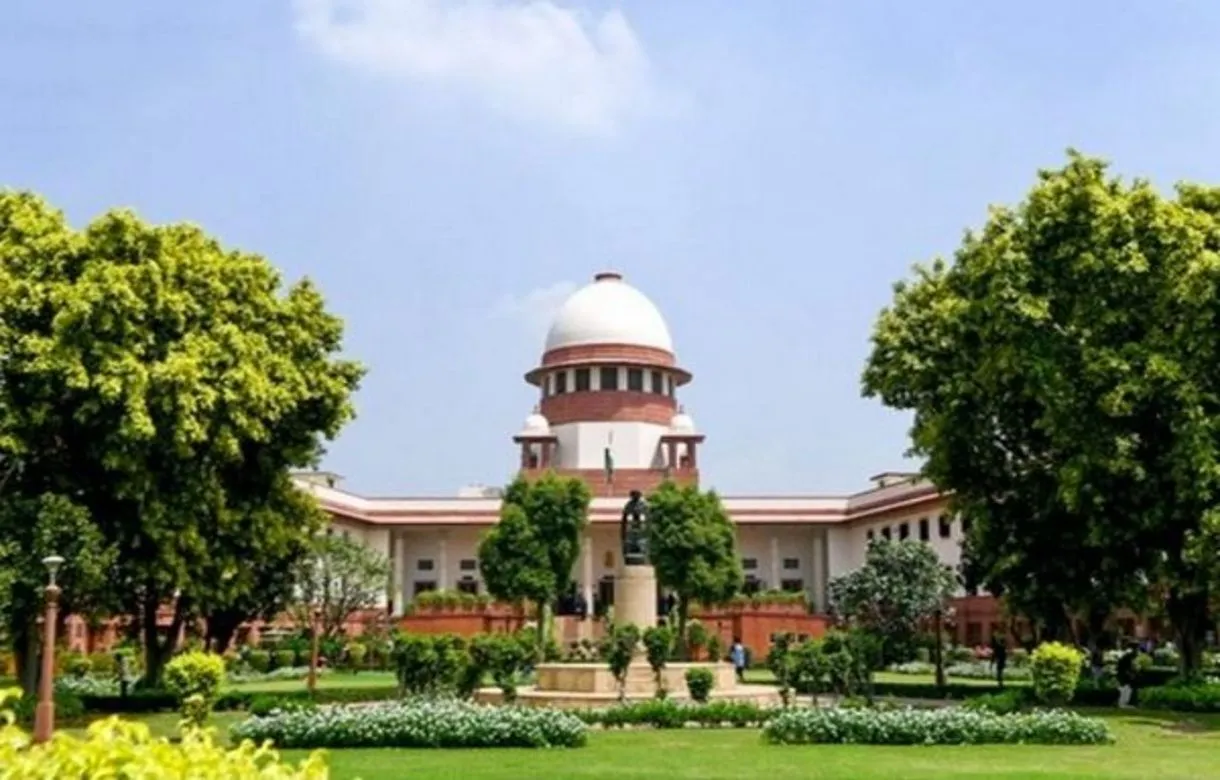
Supreme Court questions EC over missing records in Sringeri election dispute
The Supreme Court questioned the Election Commission over missing video footage of the 2023 counting in Karnataka’s Sringeri constituency. The case involves a revised result following a recount of postal ballots.

India News
Rahul Gandhi joins India Gate protest by Ankita Bhandari’s parents
Rahul Gandhi joined the protest by Ankita Bhandari’s parents at India Gate in New Delhi on October 14. The demonstration has brought renewed attention to the 2022 murder case and the family’s concerns following Dushyant Gautam’s appointment as Sikkim Governor.

India News
Meerut murder: Muskaan Rastogi and Sahil Shukla get death sentence
A Meerut court has sentenced Muskaan Rastogi and Sahil Shukla to death in the blue drum murder case involving the killing of merchant navy officer Saurabh Rajput in March 2025.

CJP leaders Saurav Das, Ashutosh Ranka, Ajinkya Shinde sent to 5-day judicial custody

S Jaishankar says India is a natural option for Russia amid Europe tensions

PM Modi speaks to Mark Carney as India and Canada push to strengthen ties

Meerut murder: Muskaan Rastogi and Sahil Shukla get death sentence

Rahul Gandhi joins India Gate protest by Ankita Bhandari’s parents

Supreme Court questions EC over missing records in Sringeri election dispute
Rahul Gandhi joins India Gate protest by Ankita Bhandari’s parents
Meerut murder: Muskaan Rastogi and Sahil Shukla get death sentence
PM Modi speaks to Mark Carney as India and Canada push to strengthen ties
S Jaishankar says India is a natural option for Russia amid Europe tensions

Afghan Men Try To Hang With The Jet Engine Of The Aircraft in Kabul- Afghanistan News – Kabul News
Trending Top 10 News: 10000 Crore Fine on Flipkart, Apple to Launch Unique Feature, Hdfc Bank Job Ad

Trending Top 10 News: Nokia 6310, Apple sales, Bachpan ka Pyar Video Kid, Dainik Bhaskar IT Raid

Trending Top 10 News: Canada bans Indian flights, Rain in Delhi NCR, AIMIM Twitter hacked, Raj Kundra case

Trending Top 10 News: Shein India, Apple New Service, Pocket Oxygen, Oppo Launched New Phone
-
 India News23 hours ago
CJP leaders Saurav Das, Ashutosh Ranka, Ajinkya Shinde sent to 5-day judicial custody
-
 Latest world news23 hours ago
S Jaishankar says India is a natural option for Russia amid Europe tensions
-
 India News22 hours ago
PM Modi speaks to Mark Carney as India and Canada push to strengthen ties
-
 India News12 hours ago
Meerut murder: Muskaan Rastogi and Sahil Shukla get death sentence
-
 India News11 hours ago
Rahul Gandhi joins India Gate protest by Ankita Bhandari’s parents
-
 India News11 hours ago
Supreme Court questions EC over missing records in Sringeri election dispute
