English हिन्दी
Connect with us

India News

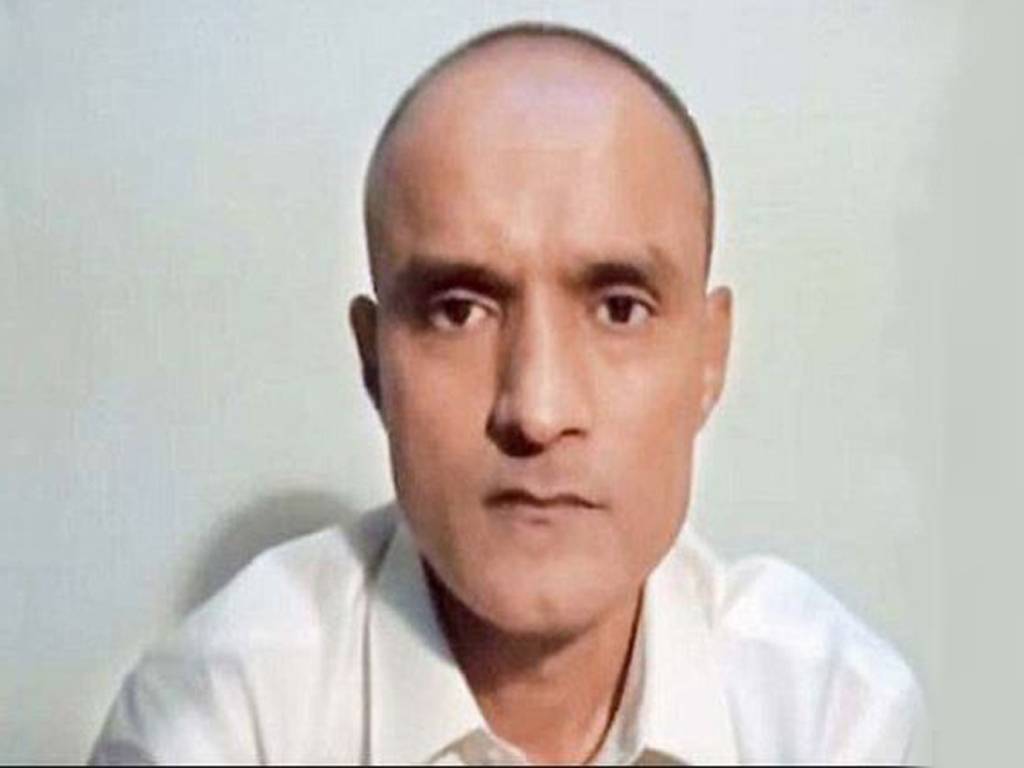
Kulbhushan Jadhav: Pak gets a lashing from international court

Published

on

Kulbhushan Jadav

[vc_row][vc_column][vc_column_text]It asked Pakistan to inform the court of measures taken to implement the order staying the execution of Kulbhushan Jadhav.

The International Court of Justice on Thursday asked Pakistan to ensure that Indian citizen Kulbhushan Jadhav is not hanged until further orders and stayed his execution. The court asked Pakistan to give India consular access to Jadhav on Thursday, which in itself was a violation of the Vienna Convention, the court said.

ICJ President Ronny Abraham, who read out the judgement of the bench comprising 11 judges, had harsh words for Pakistan. The judge said Pakistan had violated Article 36 of the Vienna Convention by not giving consular access to Jadhav. He rejected Pakistan’s contention that the court had no jurisdiction on the Jadhav death sentence. “The court considers it has prime facia jurisdiction in the case,” he said.

The court provided India provisional rights to safeguard his life.  It asked Pakistan to inform the court of measures taken to implement this order.

The court observed that Pakistan has indicated that any execution of Jadhav would probably not take place before the month of August 2017. “This means that there is a risk that an execution could take place at any moment thereafter, before the Court has given its final decision in the case. The Court also notes that Pakistan has given no assurance that Jadhav will not be executed before the Court has rendered its final decision. In those circumstances, the Court is satisfied that there is urgency in the present case,” an ICJ press release on the case said.

The court was composed as follows: President Abraham of France; Judges Hisashi Owada of Japan, Antônio Augusto Cançado Trindade of Brazil, Xue Hanqin of China, Joan Donoghue of the US, Giorgio Gaja of Italy, Julia Sebutinde of Uganda, Dalveer Bhandari of India, Patrick Lipton Robinson of Jamaica, James Crawford of Australia, Kirill Gevorgian of Russia and Registrar Philippe Couvreur.

Judge Cançado Trindade appended a separate opinion to the Order of the Court while Judge Bhandari made a declaration to the Order of the Court, the press release said.[/vc_column_text][/vc_column][/vc_row][vc_row][vc_column][vc_raw_html]JTNDYmxvY2txdW90ZSUyMGNsYXNzJTNEJTIydHdpdHRlci10d2VldCUyMiUyMGRhdGEtbGFuZyUzRCUyMmVuJTIyJTNFJTNDcCUyMGxhbmclM0QlMjJlbiUyMiUyMGRpciUzRCUyMmx0ciUyMiUzRVRoZSUyMElDSiUyMG9yZGVyJTIwaGFzJTIwY29tZSUyMGFzJTIwYSUyMGdyZWF0JTIwcmVsaWVmJTIwdG8lMjB0aGUlMjBmYW1pbHklMjBvZiUyMEt1bGJodXNoYW4lMjBKYWRoYXYlMjBhbmQlMjBwZW9wbGUlMjBvZiUyMEluZGlhJTNBJTIwTUVBJTIwU3VzaG1hJTIwU3dhcmFqJTIwJTNDYSUyMGhyZWYlM0QlMjJodHRwcyUzQSUyRiUyRnR3aXR0ZXIuY29tJTJGaGFzaHRhZyUyRkt1bGJodXNoYW5KYWRoYXYlM0ZzcmMlM0RoYXNoJTIyJTNFJTIzS3VsYmh1c2hhbkphZGhhdiUzQyUyRmElM0UlMjAlM0NhJTIwaHJlZiUzRCUyMmh0dHBzJTNBJTJGJTJGdC5jbyUyRjBxU01NMXpTRXIlMjIlM0VwaWMudHdpdHRlci5jb20lMkYwcVNNTTF6U0VyJTNDJTJGYSUzRSUzQyUyRnAlM0UlMjZtZGFzaCUzQiUyMEFOSSUyMCUyOCU0MEFOSV9uZXdzJTI5JTIwJTNDYSUyMGhyZWYlM0QlMjJodHRwcyUzQSUyRiUyRnR3aXR0ZXIuY29tJTJGQU5JX25ld3MlMkZzdGF0dXMlMkY4NjUxNTc4MTg4NDM3NzQ5NzclMjIlM0VNYXklMjAxOCUyQyUyMDIwMTclM0MlMkZhJTNFJTNDJTJGYmxvY2txdW90ZSUzRSUwQSUzQ3NjcmlwdCUyMGFzeW5jJTIwc3JjJTNEJTIyJTJGJTJGcGxhdGZvcm0udHdpdHRlci5jb20lMkZ3aWRnZXRzLmpzJTIyJTIwY2hhcnNldCUzRCUyMnV0Zi04JTIyJTNFJTNDJTJGc2NyaXB0JTNFJTBBJTBBJTNDYmxvY2txdW90ZSUyMGNsYXNzJTNEJTIydHdpdHRlci10d2VldCUyMiUyMGRhdGEtbGFuZyUzRCUyMmVuJTIyJTNFJTNDcCUyMGxhbmclM0QlMjJlbiUyMiUyMGRpciUzRCUyMmx0ciUyMiUzRVdlJTIwYXJlJTIwZ3JhdGVmdWwlMjB0byUyME1yLkhhcmlzaCUyMFNhbHZlJTIwZm9yJTIwcHJlc2VudGluZyUyMEluZGlhJTI2JTIzMzklM0JzJTIwY2FzZSUyMHNvJTIwZWZmZWN0aXZlbHklMjBiZWZvcmUlMjBJQ0ouJTNDJTJGcCUzRSUyNm1kYXNoJTNCJTIwU3VzaG1hJTIwU3dhcmFqJTIwJTI4JTQwU3VzaG1hU3dhcmFqJTI5JTIwJTNDYSUyMGhyZWYlM0QlMjJodHRwcyUzQSUyRiUyRnR3aXR0ZXIuY29tJTJGU3VzaG1hU3dhcmFqJTJGc3RhdHVzJTJGODY1MTU3MjYyMjk3NDk3NjAwJTIyJTNFTWF5JTIwMTglMkMlMjAyMDE3JTNDJTJGYSUzRSUzQyUyRmJsb2NrcXVvdGUlM0UlMEElM0NzY3JpcHQlMjBhc3luYyUyMHNyYyUzRCUyMiUyRiUyRnBsYXRmb3JtLnR3aXR0ZXIuY29tJTJGd2lkZ2V0cy5qcyUyMiUyMGNoYXJzZXQlM0QlMjJ1dGYtOCUyMiUzRSUzQyUyRnNjcmlwdCUzRSUwQSUwQSUwQSUwQSUzQ2Jsb2NrcXVvdGUlMjBjbGFzcyUzRCUyMnR3aXR0ZXItdHdlZXQlMjIlMjBkYXRhLWxhbmclM0QlMjJlbiUyMiUzRSUzQ3AlMjBsYW5nJTNEJTIyZW4lMjIlMjBkaXIlM0QlMjJsdHIlMjIlM0VJJTIwYXNzdXJlJTIwdGhlJTIwbmF0aW9uJTIwdGhhdCUyMHVuZGVyJTIwdGhlJTIwbGVhZGVyc2hpcCUyMG9mJTIwUHJpbWUlMjBNaW5pc3RlciUyME1vZGklMjB3ZSUyMHdpbGwlMjBsZWF2ZSUyMG5vJTIwc3RvbmUlMjB1bnR1cm5lZCUyMHRvJTIwc2F2ZSUyMCUzQ2ElMjBocmVmJTNEJTIyaHR0cHMlM0ElMkYlMkZ0d2l0dGVyLmNvbSUyRmhhc2h0YWclMkZLdWxiaHVzaGFuSmFkaGF2JTNGc3JjJTNEaGFzaCUyMiUzRSUyM0t1bGJodXNoYW5KYWRoYXYlM0MlMkZhJTNFLiUzQyUyRnAlM0UlMjZtZGFzaCUzQiUyMFN1c2htYSUyMFN3YXJhaiUyMCUyOCU0MFN1c2htYVN3YXJhaiUyOSUyMCUzQ2ElMjBocmVmJTNEJTIyaHR0cHMlM0ElMkYlMkZ0d2l0dGVyLmNvbSUyRlN1c2htYVN3YXJhaiUyRnN0YXR1cyUyRjg2NTE1ODEwNzQ1ODEzNDAxNiUyMiUzRU1heSUyMDE4JTJDJTIwMjAxNyUzQyUyRmElM0UlM0MlMkZibG9ja3F1b3RlJTNFJTBBJTNDc2NyaXB0JTIwYXN5bmMlMjBzcmMlM0QlMjIlMkYlMkZwbGF0Zm9ybS50d2l0dGVyLmNvbSUyRndpZGdldHMuanMlMjIlMjBjaGFyc2V0JTNEJTIydXRmLTglMjIlM0UlM0MlMkZzY3JpcHQlM0UlMEE=[/vc_raw_html][/vc_column][/vc_row][vc_row][vc_column][vc_column_text]Before the court in The Hague, India had argued that Jadhav was tried for espionage and given the death sentence in Pakistan, violating the Vienna Convention. Pakistan claimed that Jadhav, a former Indian Navy officer, was working for the Research and Analysis Wing (RAW) when he was arrested from Balochistan in March 2016.

Upon India’s moving the international forum, Abraham wrote to Pakistan Prime Minister Nawaz Sharif to not execute Jadhav until the court heard the matter. The public hearing was held on May 15 at The Hague, Netherlands.

India moved the ICJ on May 8, charging Pakistan with “egregious violations of the Vienna Convention on Consular Relations” in the matter of the detention and trial of Kulbhushan Jadhav. This was the first time in 18 years that India and Pakistan arrived at ICJ doorsteps.

Responding to Pakistani claims of Jadhav being a RAW agent, India said that he was a former Indian Navy officer-turned-businessman. Jadhav was kidnapped from Iran during a business trip and was then taken to Balochistan, New Delhi claimed.

Pakistan has consistently refused consular access to Jadhav, sought by India, on the grounds that he was tried for espionage and Islamabad was under no compulsion to entertain the Indian request.

India was represented at the ICJ by senior advocate Harish Salve while the Pakistan case was argued for by Khawar Qureshi.

The trial has been an emotional issue for social media in India and Pakistan. Both sides had seen vitriolic debates and jingoism in popular media over the case.

Pakistan had hanged another Indian, Sarabjit Singh, on May 2, 2013.[/vc_column_text][/vc_column][/vc_row]

India News

Centre assures action on LPG supply disruption, court closes distributors’ plea

The Bombay High Court closed a plea by LPG distributors after the Centre assured diplomatic efforts to stabilise supply amid global disruptions.

Published

on

LPG cylinder

The Union government on Tuesday informed the Bombay High Court that it is taking diplomatic steps to address disruptions in Liquefied Petroleum Gas (LPG) supply linked to the ongoing Iran-Israel conflict, following which the court disposed of a petition filed by LPG distributors.

Appearing before the Nagpur bench, Solicitor General Tushar Mehta said the Centre was actively engaged in international-level negotiations to stabilise LPG supply. However, he noted that specific measures could not be disclosed due to their sensitive nature.

The matter was heard by a division bench comprising Justices Anil S Kilor and Raj D Wakode. The bench accepted the government’s assurances and closed the plea.

Distributors flagged supply disruption in Vidarbha

The petition was filed by six LPG distributors, including Omkar Sales, who raised concerns over disruptions in supply chains across Maharashtra’s Vidarbha region. They claimed the situation had led to a significant shortage of LPG for domestic consumers.

The distributors, dependent on Confidence Petroleum India Ltd (CPIL), alleged that despite directives prioritising domestic consumption, LPG was being diverted for export to capitalise on high international prices.

Government cites policy compliance, CPIL denies diversion

The petitioners referred to recent orders issued under the Essential Commodities Act and the Natural Gas (Supply Regulation) Order, 2026, which mandate prioritising household LPG supply during crises.

However, CPIL rejected the allegations, stating it was fulfilling pre-existing export commitments and had not violated any policy norms.

Court had earlier termed issue ‘serious’

During earlier hearings, the court had described the matter as “serious” and of “grave importance”, issuing notices to the Centre and the Ministry of Petroleum and Natural Gas.

On Tuesday, the Centre reiterated that macro-level supply challenges arising from global geopolitical tensions were being handled through diplomatic channels. It also said that any localised supply issues could be resolved by state authorities.

Taking note of these submissions, the bench disposed of the petition.

Continue Reading

India News

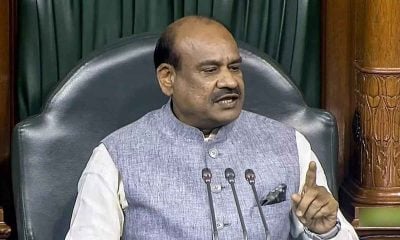
Om Birla likely to move motion to revoke suspension of 8 opposition MPs today

The Lok Sabha is likely to revoke the suspension of eight opposition MPs today, with a motion expected to be moved by the government following consensus on maintaining discipline.

Published

on

Om Birla

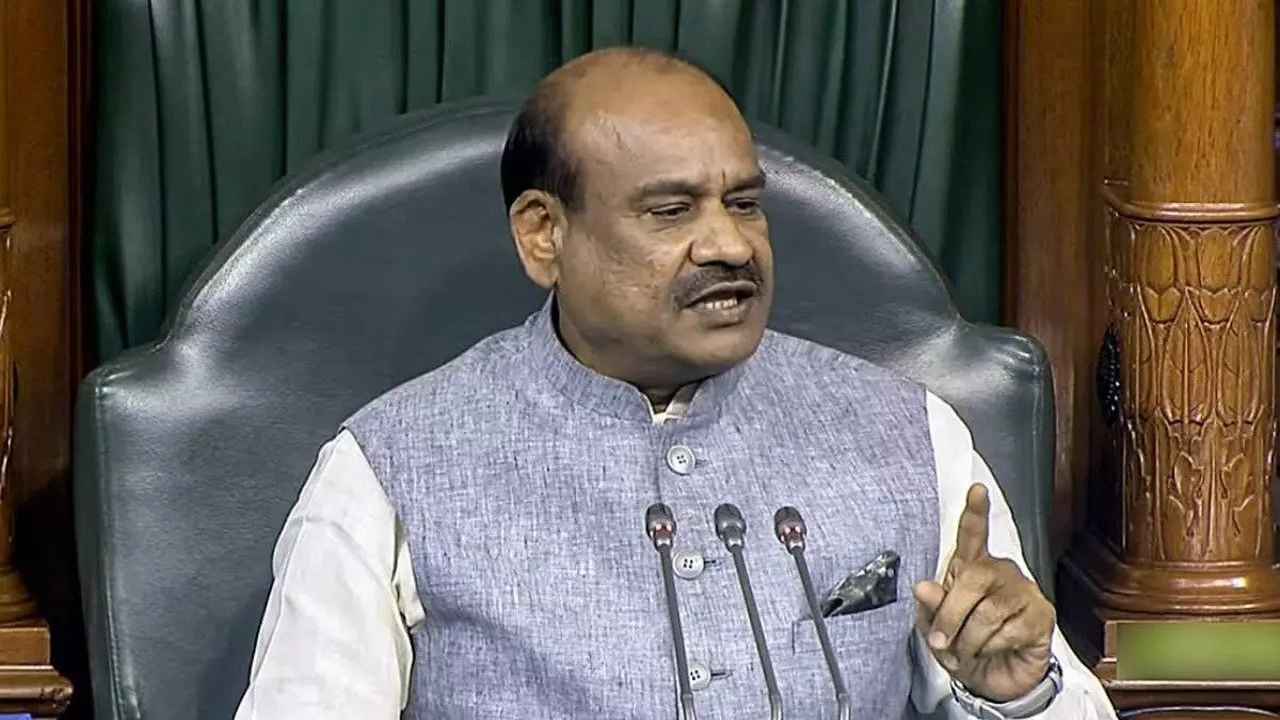
The suspension of eight opposition Members of Parliament in the Lok Sabha is expected to be revoked on Tuesday, with Speaker Om Birla likely to initiate the process, according to sources.

The MPs, including seven from the Congress and one from the CPI(M), were suspended on February 3 for unruly conduct during the first phase of the Budget session after a resolution was adopted by the House.

Motion to be moved in Lok Sabha

Congress leader K Suresh said that Parliamentary Affairs Minister Kiren Rijiju is expected to move a motion around noon seeking revocation of the suspensions.

Although the suspension was initially imposed for the entire session, scheduled to conclude on April 2, opposition parties have consistently demanded reconsideration since the second phase of the session began on March 9.

Agreement on maintaining decorum

At a recent meeting convened by the Speaker, both ruling and opposition sides reportedly agreed on maintaining discipline in the House.

Key understandings include:

  • No member will enter the well of the House to protest
  • Papers will not be torn or thrown toward the Chair
  • MPs will not climb onto officials’ tables

The Lok Sabha Secretariat has also reminded members to keep areas within the Parliament premises obstruction-free to ensure smooth movement.

Speaker raises concern over conduct

Earlier, Om Birla had expressed concern over the use of banners, placards, and inappropriate language by some MPs. In a letter to party leaders, he stressed the need to uphold the dignity and traditions of parliamentary democracy.

He had also indicated that actions like suspension are taken in cases of serious misconduct, such as climbing onto tables during proceedings.

Suspended MPs

The suspended MPs include Gurjeet Singh Aujla, Hibi Eden, C Kiran Kumar Reddy, Amarinder Singh Raja Warring, Manickam Tagore, Prashant Padole, Dean Kuriakose (Congress), and S Venkatesan (CPI-M).

Continue Reading

India News

Maharashtra passes freedom of religion bill with jail term up to 10 years

Maharashtra passes anti-conversion bill with strict jail terms and fines, aiming to curb unlawful religious conversions.

Published

on

Maharashtra faces freedom of bill

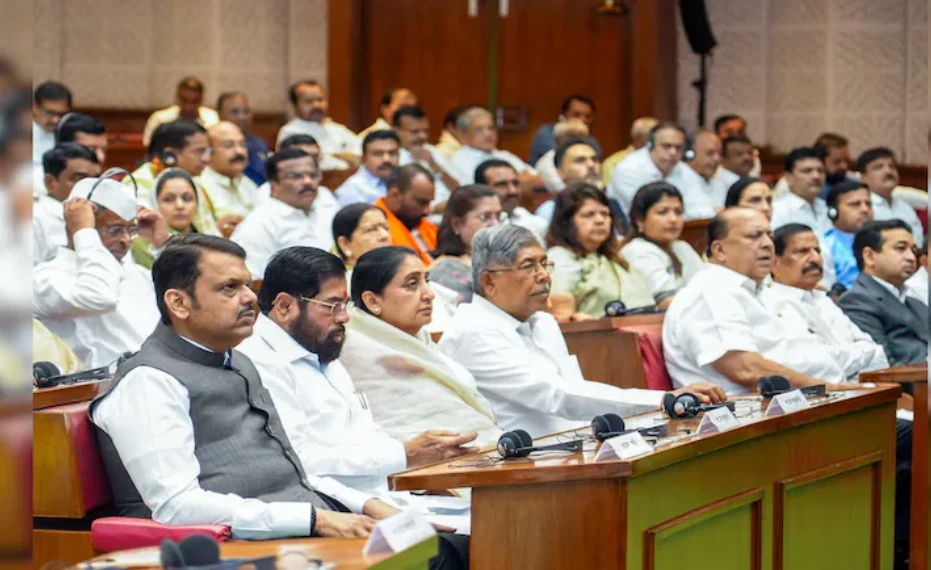
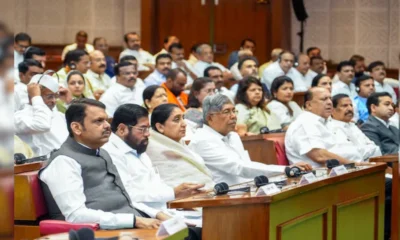
The Maharashtra Assembly has passed the Freedom of Religion Bill 2026, introducing stringent penalties to curb religious conversions carried out through coercion, fraud, inducement or marriage.

The bill was cleared by voice vote late Monday, with the government asserting that it aims to protect individuals from unlawful conversions while safeguarding constitutional rights.

Under the provisions, individuals found guilty of conversion through marriage or deceit can face up to seven years in prison along with a fine of Rs 1 lakh. In cases involving minors, women, persons of unsound mind, or those belonging to Scheduled Castes and Scheduled Tribes, the punishment increases to seven years’ imprisonment and a fine of Rs 5 lakh.

Mass conversions will also attract a jail term of up to seven years and a fine of Rs 5 lakh. Repeat offenders could face imprisonment of up to 10 years.

Chief Minister Devendra Fadnavis said the law is not aimed at any particular religion but seeks to prevent conversions through illegal means. He emphasised that the right to freedom of religion under Article 25 of the Constitution does not include conversion through coercion or fraud.

He also noted that several states, including Odisha, Gujarat, Uttar Pradesh, Madhya Pradesh, Haryana, Karnataka and Jharkhand, have enacted similar laws.

The bill allows complaints to be filed by the affected individual or close relatives, while police can also initiate action in certain situations. The government said this provision is necessary as victims may not always be in a position to approach authorities.

Minister of State for Home Pankaj Bhoyar said the legislation ensures that conversions take place voluntarily and transparently. He addressed concerns over the requirement of giving a 60-day prior notice to the district magistrate, stating that the provision is meant to verify free consent.

The law also mandates informing authorities within 21 days after conversion, failing which it may be treated as invalid. The government described this as a measure for administrative record-keeping and to avoid disputes.

During the debate, members from the opposition raised concerns over possible misuse and vigilantism. Congress MLA Aslam Shaikh argued that the bill could affect constitutional rights, including privacy and equality. Some legislators also demanded that the bill be sent to a joint select committee for further scrutiny.

However, the opposition Shiv Sena (UBT) extended support. MLA Bhaskar Jadhav said the bill does not target any religion and is aimed at preventing unethical practices.

The government maintained that the law does not restrict an individual’s right to change religion voluntarily but is intended to curb unlawful practices and maintain law and order.

Continue Reading

Trending

© Copyright 2022 APNLIVE.com