
India News
Omicron scare: Here’s the list of countries at high risk and guidelines for passengers travelling from THESE nations
These are the countries where Omicron strain cases have been identified. The mutation was discovered for the first time in South Africa. Check the guidelines for passengers arriving from ‘at risk’ countries.

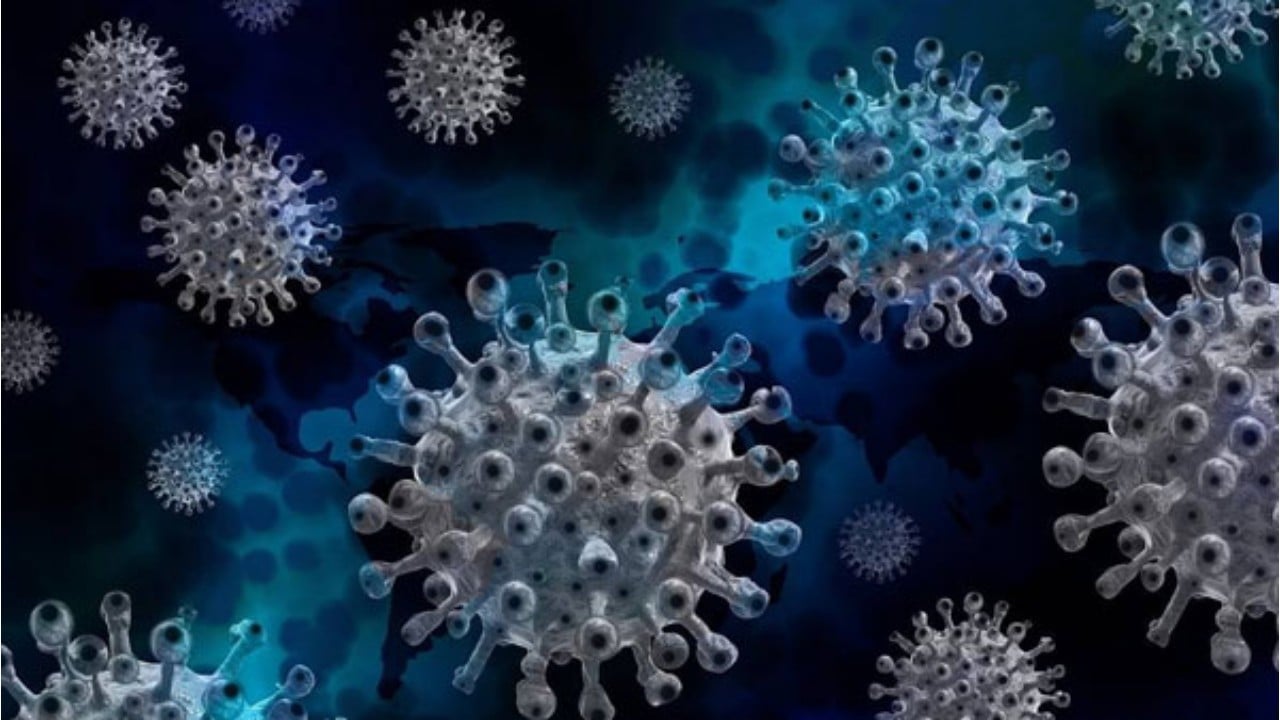
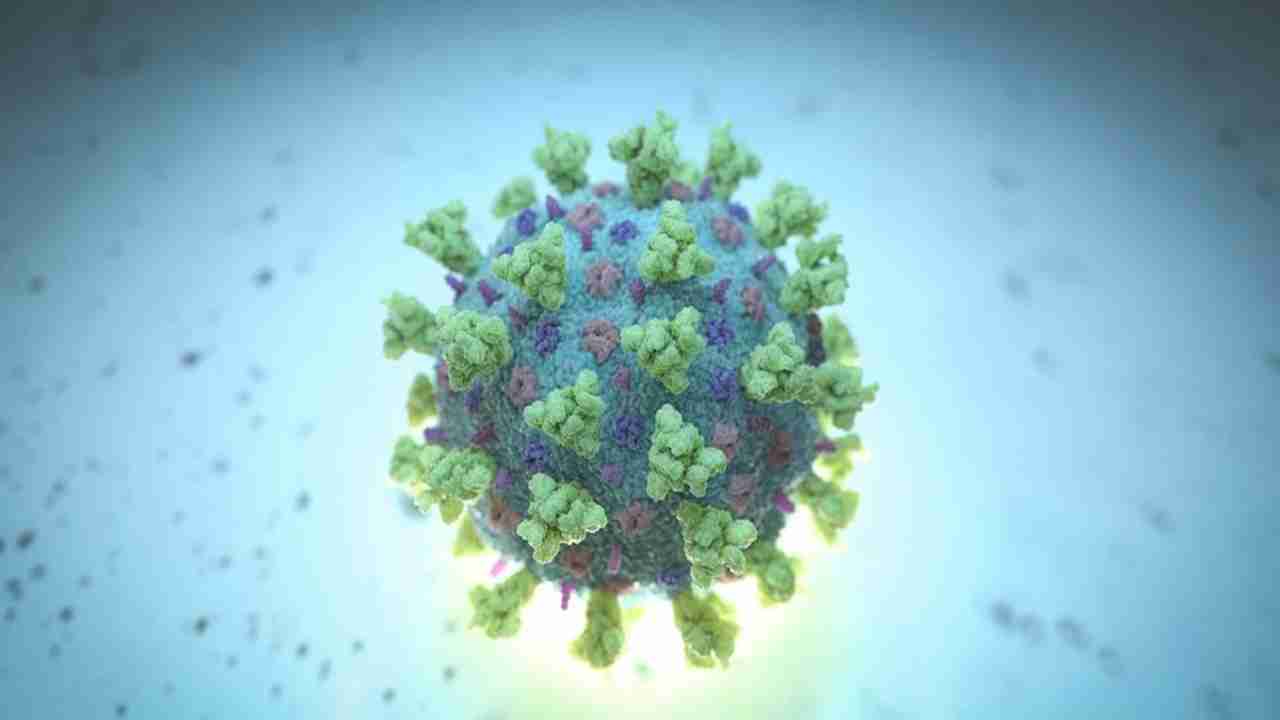
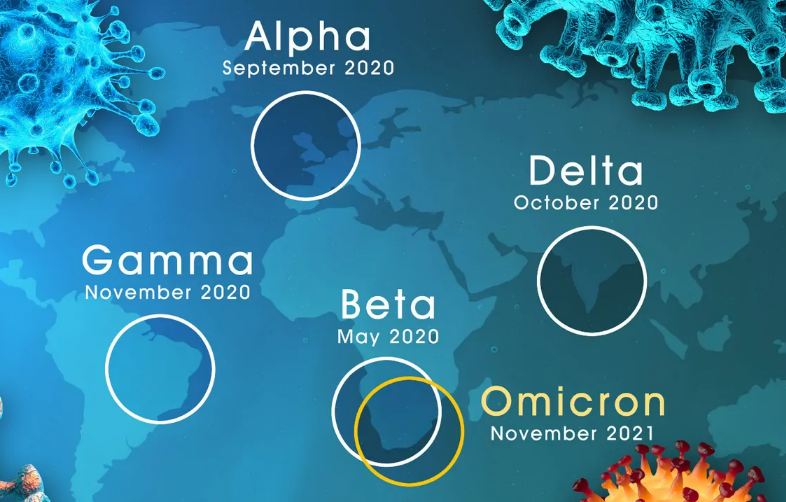
The Covid-19 virus, which is extremely infectious, does not seem to be going away anytime soon. After Alpha, Beta, Gama, and Delta, a new severe Covid-19 variant, Omicron has emerged. The first case of the Omicron variant is found in South Africa.
Because of the new Omicron coronavirus strain, the government is hesitant to resume foreign flights. It issued new guidelines on Sunday, identifying nearly a dozen countries as “at-risk” and eliminating the exemption for persons who have been vaccinated. The guidelines are designed to keep the Omicron variant from spreading.
What are the “at-risk” countries?
These are the countries where Omicron strain cases have been identified. The mutation was discovered for the first time in South Africa, and it has spread widely to several countries.
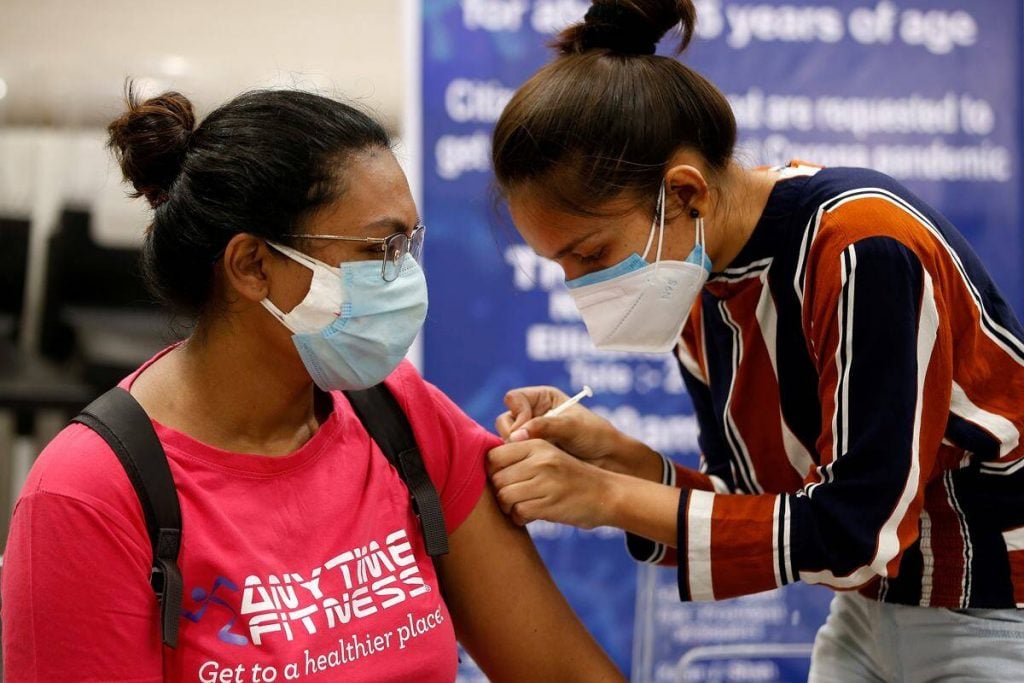
The countries assigned at-risk by the government are:
- Countries in Europe including the United Kingdom
- Brazil
- South Africa
- Bangladesh
- Israel
- Singapore
- Zimbabwe
- China
- Mauritius
- Botswana
- New Zealand
- Hong Kong
Omicron, which was first discovered in southern African countries, has now been discovered in various European countries, prompting travel bans and other restrictions in several parts of the world.
The variant is believed to be more contagious than previous variants, and experts are concerned that it would weaken the vaccinations’ ability to protect against Covid-19.
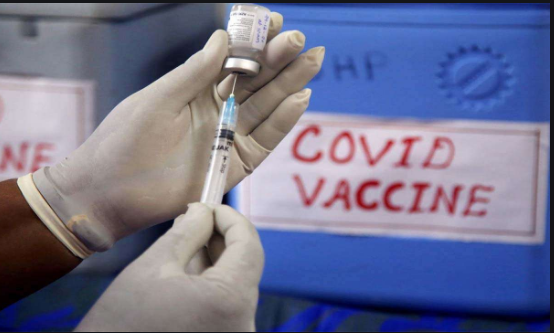
Guidelines for passengers arriving from ‘at risk’ countries
According to new rules released by the Health Ministry, passengers arriving in India from or travelling through at-risk countries would be subjected to an RT-PCR test and will be forced to wait for the outcomes before leaving the airport or boarding a connecting aircraft.
Travellers who test positive will be taken to a medical facility for isolation and will be required to stay there until they test negative if they are infected with the Omicron variant. If they are infected with any of the other variants, a doctor will decide whether or not they can be released, based on their condition.
Read Also: First image of Omicron variant is going viral: Here’s what all you need to know| FAQs answered
People who test negative after arriving from the countries listed will be confined to in-home quarantine and will be required to take another test on the eighth day. If they are positive, they must contact the Covid-19 helpline, according to the guidelines.
These passengers would also be required to disclose their travel history for the previous 14 days.
The government stated on November 26 that regular international commercial flights would resume on December 15 after a more than 20-month break. Currently, flights are being operated via bilateral bubble agreements with countries.

India News
Delhi Police offers 11-person limit for CJP’s Connaught Place protest
Delhi Police has offered to facilitate a group of 11 people at Central Park in Connaught Place for the Cockroach Janata Party’s October 16 protest, while warning that violations of prohibitory orders could invite legal action.


India News
Actor Imran Khan asked to leave India after CJP protest
Actor Imran Khan has been asked to leave India by October 28, days after participating in a protest called by the Cockroach Janta Party (CJP) in Mumbai.
India News
Election Commission orders voter roll revision in 17 states, UTs
The Election Commission has ordered a Special Summary Revision of electoral rolls in 17 states and Union Territories. Draft rolls are scheduled for November 12, with final rolls due on January 4, 2027.

Dhruv Rathee gets fresh summons in 2018 BJP IT cell video case

Nobody can browbeat judiciary, Chief Justice warns over Rahul Gandhi’s march

India-US trade deal first phase finalised, drafting underway

Election Commission orders voter roll revision in 17 states, UTs

Actor Imran Khan asked to leave India after CJP protest

Delhi Police offers 11-person limit for CJP’s Connaught Place protest
Actor Imran Khan asked to leave India after CJP protest
Election Commission orders voter roll revision in 17 states, UTs
India-US trade deal first phase finalised, drafting underway
Nobody can browbeat judiciary, Chief Justice warns over Rahul Gandhi’s march

Afghan Men Try To Hang With The Jet Engine Of The Aircraft in Kabul- Afghanistan News – Kabul News
Trending Top 10 News: 10000 Crore Fine on Flipkart, Apple to Launch Unique Feature, Hdfc Bank Job Ad

Trending Top 10 News: Nokia 6310, Apple sales, Bachpan ka Pyar Video Kid, Dainik Bhaskar IT Raid

Trending Top 10 News: Canada bans Indian flights, Rain in Delhi NCR, AIMIM Twitter hacked, Raj Kundra case

Trending Top 10 News: Shein India, Apple New Service, Pocket Oxygen, Oppo Launched New Phone
-
 India News12 hours ago
Dhruv Rathee gets fresh summons in 2018 BJP IT cell video case
-
 India News9 hours ago
Nobody can browbeat judiciary, Chief Justice warns over Rahul Gandhi’s march
-
 India News4 hours ago
India-US trade deal first phase finalised, drafting underway
-
 India News2 hours ago
Election Commission orders voter roll revision in 17 states, UTs
-
 India News1 hour ago
Actor Imran Khan asked to leave India after CJP protest
-
 India News22 mins ago
Delhi Police offers 11-person limit for CJP’s Connaught Place protest
