
India News
Mob kills IT Engineer for fake WhatsApp rumour in Karnataka


In gruesome mob frenzy a 32-year-old software engineer was beaten to death and three others, one of them a Qatari national, were seriously injured over WhatsApp-driven rumours of child kidnapping in Karnataka’s Bidar town on Friday.
According to police the mob frenzy started after the man from Qatar was seen distributing chocolates to the local children leaving their school. The police have arrested 32 people.
The IT engineer, Mohammad Azam, had gone for a drive on Friday with three others when they were stopped at the roadside. Mr Azam’s friend Mohammad Salam, who was from Qatar, was seen handing chocolates to children.
Due to rumours of child lifting in the area and seeing the chocolates being handed out to the school children, residents of a nearby village, Murki, sent messages on a WhatsApp group. Panicked after seeing a large crowd while someone taking their video, the men got into their car and drove away. Some of the villagers chased them on motorcycles. During the course speeding car hit one of the motorcycles and fell into a culvert.
Read More: WhatsApp tries to fight India’s Fake News problem, takes out full page newspaper ads
The crowd dragged the men out of the car and brutally beaten up, said eye witnesses. There are reports of crowd throwing stones on the occupants of the car. Nearby villagers also joined the unruly crowd. None came to their rescue. By the time the police arrived, Mohammad Azam had died. The others were taken to the hospital in Hyderabad.
 Akram, the brother of the victim Mohammad Azam said, “They had gone out for a drive. My brother gave chocolates to children. We don’t know what their parents thought but several villagers gathered and beat them. How can they think they were kidnappers?” He also appealed the government to stop mob killings saying, “My brother was a software engineer, father of a 2-year-old. He was just a regular guy”.
The incident occurred when the group, while on their visit to a local lake, halted for lunch in Adhikera on the outskirts of Bidar. One of them Ismail, who returned from Qatar recently, offered chocolates to school girls. But the locals questioned and mistook them for child lifters.
Read More: With spate of lynchings provoked by rumours, Govt asks WhatsApp to act
The accompanying three persons, the cousins and friends of Mr Azam, were badly injured. Basheer has reportedly been fighting for his survival at a local hospital.
Reports say that among the 32 arrested for the killing, one is the administrator of the particular WhatsApp group involved in spreading rumour. There arrestees also include women.
Read More: Jharkhand: 19 arrested for lynchings; WhatsApp bigger culprit, say police
More than 20 people have been killed across India over fake WhatsApp rumours. The last such incident took place in Maharashtra’s Dhule, where five people were killed. The WhatsApp videos that had triggered the attack were fake – one of them was a five-year-old video from Syria that had photographs of children who died in a nerve gas attack.











India News
Late-March western disturbance brings 1,000-km rain band across India, Pakistan and Afghanistan
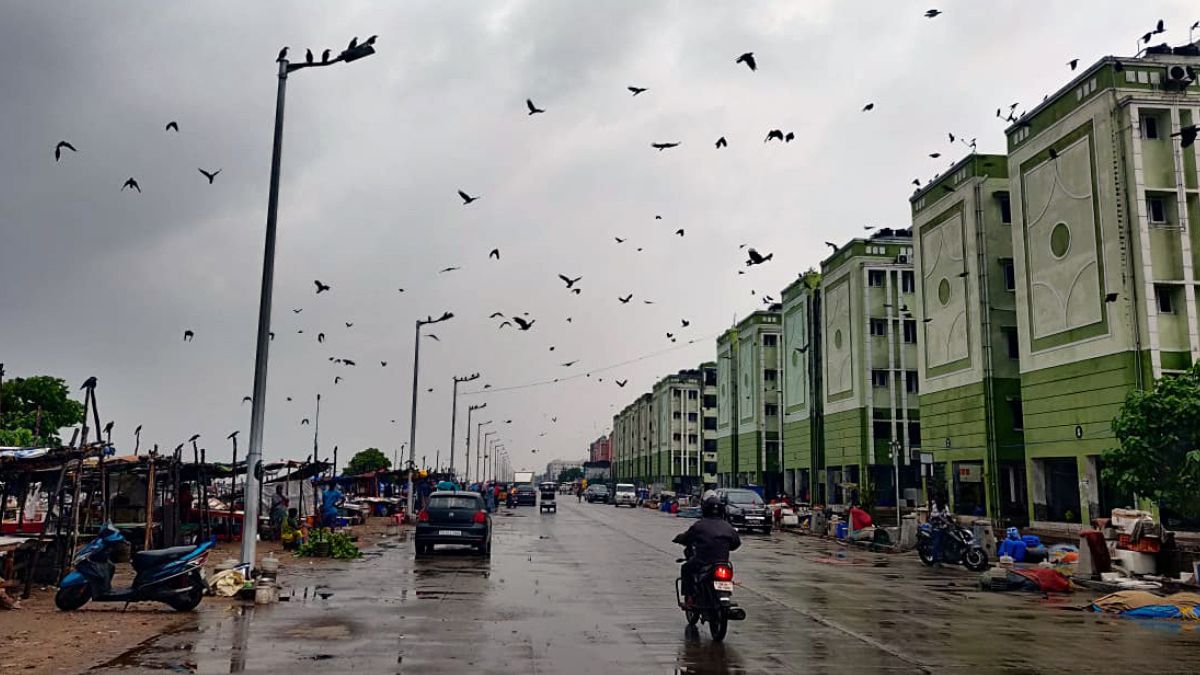
An unusual western disturbance has created a 1,000-km rain band, bringing widespread storms, rainfall and hail across parts of India and neighbouring countries.

India News
Mamata Banerjee slams poll body over officials’ transfer, calls move unprecedented
Mamata Banerjee has criticised the Election Commission for transferring senior officials ahead of West Bengal elections, alleging bias and procedural overreach.

India News
AIADMK-BJP seat-sharing talks to be finalised soon, says Edappadi K Palaniswami after Amit Shah meet
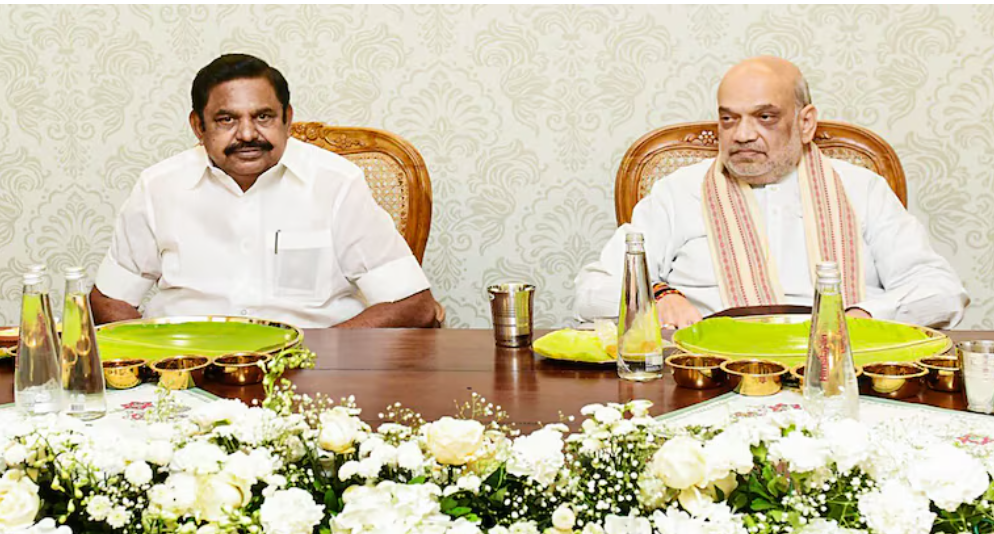
AIADMK chief Edappadi K Palaniswami says seat-sharing talks with BJP are in final stages and will conclude within days ahead of Tamil Nadu 2026 elections.

Mamata Banerjee slams poll body over officials’ transfer, calls move unprecedented

PM Modi speaks to Qatar, France, Jordan, Oman and Malaysia leaders on Middle East tensions

AIADMK-BJP seat-sharing talks to be finalised soon, says Edappadi K Palaniswami after Amit Shah meet

Oppo K14 5G launched in India with 7000mAh battery, starts at Rs 17,999

Late-March western disturbance brings 1,000-km rain band across India, Pakistan and Afghanistan

Eid Mubarak 2026 wishes and greetings highlight joy and togetherness

Bangladesh envoy meets S Jaishankar, Dhaka foreign minister may visit India in April
Late-March western disturbance brings 1,000-km rain band across India, Pakistan and Afghanistan
Oppo K14 5G launched in India with 7000mAh battery, starts at Rs 17,999
Mamata Banerjee slams poll body over officials’ transfer, calls move unprecedented

Afghan Men Try To Hang With The Jet Engine Of The Aircraft in Kabul- Afghanistan News – Kabul News
Trending Top 10 News: 10000 Crore Fine on Flipkart, Apple to Launch Unique Feature, Hdfc Bank Job Ad

Trending Top 10 News: Nokia 6310, Apple sales, Bachpan ka Pyar Video Kid, Dainik Bhaskar IT Raid

Trending Top 10 News: Canada bans Indian flights, Rain in Delhi NCR, AIMIM Twitter hacked, Raj Kundra case

Trending Top 10 News: Shein India, Apple New Service, Pocket Oxygen, Oppo Launched New Phone
-
 India News15 hours ago
Mamata Banerjee slams poll body over officials’ transfer, calls move unprecedented
-
 Latest world news15 hours ago
PM Modi speaks to Qatar, France, Jordan, Oman and Malaysia leaders on Middle East tensions
-
 India News15 hours ago
AIADMK-BJP seat-sharing talks to be finalised soon, says Edappadi K Palaniswami after Amit Shah meet
-
 Gadgets14 hours ago
Oppo K14 5G launched in India with 7000mAh battery, starts at Rs 17,999
-
 India News9 hours ago
Late-March western disturbance brings 1,000-km rain band across India, Pakistan and Afghanistan
-
 Latest world news5 hours ago
Bangladesh envoy meets S Jaishankar, Dhaka foreign minister may visit India in April
-
 Festivals5 hours ago
Eid Mubarak 2026 wishes and greetings highlight joy and togetherness
