
India News
Modi and Yogi

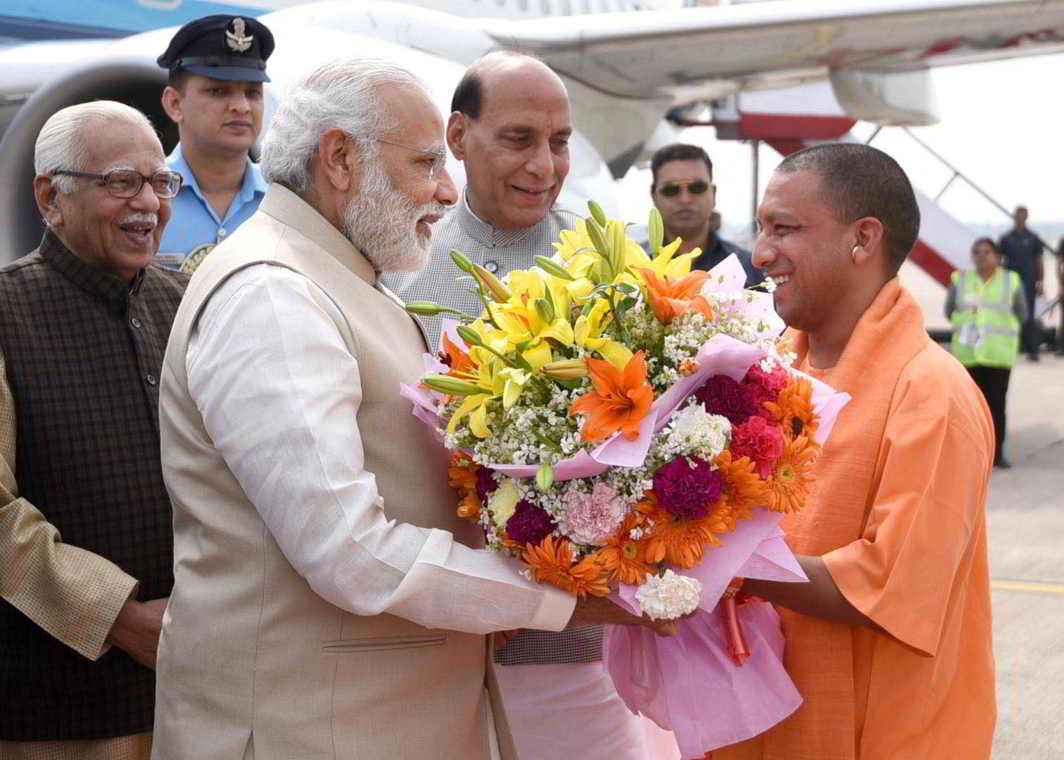
[vc_row][vc_column][vc_column_text]Why the BJP’s CM choice in UP is akin to riding a tiger into the jungle
By Sujit Bhar
Now that he is chief minister of Uttar Pradesh, will his past catch up with Adityanath Yogi, or will he be speeding far ahead of it? And if it does, what will he then be talking about? These are interesting questions, because the Yogi’s past is murky, to put it mildly.
Bright political futures, however, have always had this special Ganges water-like property. It cleanses one of past sins. It has the power to create “new” men out of spiritual filth. It has happened before and it will happen again.
How colourful is his past? He has hit against Shah Rukh Khan, even comparing him with Lashkar-e-Taiba terrorist Hafiz Muhammad Saeed. He asked King Khan to go to Pakistan if he was uncomfortable in India. He had said Mother Teresa’s primary aim was to conversion to Christianity. He had announced that if he ever gets a chance he would install statues of Goddess Gauri, Ganesh and Nandi in every mosque. He said if you don’t like yoga, leave the country.
The most horrible was his reaction during the Dadri lynching. To him, a possible case of having eaten beef does justify lynching. And then he went on to say that Muhammad Akhlaq’s (the poor man who was lynched, suspected of having beef) family should be hauled up for the crime of cow slaughter.
Does he have the wherewithal to carry out his dangerous threats? He certainly cannot touch King Khan, but he still has his rowdy brigade called the Hindu Yuva Vahini that he formed even before he became the chief priest of the Gorakhpur Mutt temple. This Vahini earned infamy in October 2005, through the Mau riots, where so-called Hindu forces attacked mafia don-turned-politician Mukhtar Ansari for the alleged murderer of BJP state legislature member Krishnanand Rai.
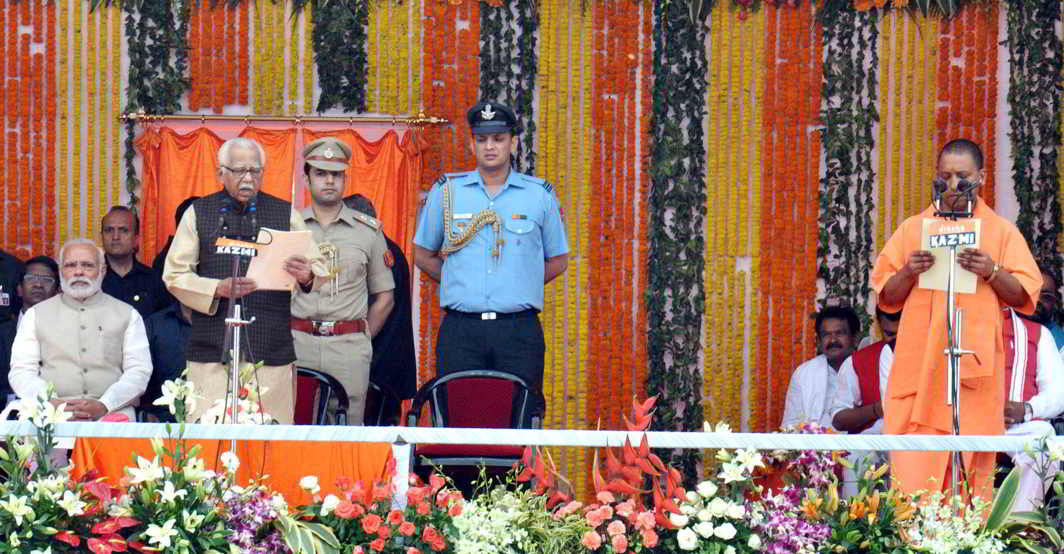
MP TO CM: Governor Ram Naik administers the oath of office and secrecy to the new chief minister
The police charged Yogi’s Vahini and its leaders Ajit Singh Chandel and Sujit Kumar Singh with inciting riots and arson. Ansari was also charged, but, then, Ansari is a known and established criminal. The situation had worsened to such an extent that Mau had to be placed under curfew for nearly a month.
That was not an isolated incident. Between January 26 and 31, 2007, when the Yogi was arrested, his Vahini went on the rampage and even set ablaze two coaches of the Mumbai bound Mumbai-Gorakhpur Godan Express.
The hate profile
The very growth of the Yogi’s profile has been through the propagation of hate. If he has said that he will borrow the motto of Prime Minster Narendra Modi—“sab ka saath, sab ka vikas”—it is only a clever move to ingratiate himself with the top BJP functionaries. His intention would be anything but that.
The issue is wider than this. Modi and his henchman and BJP president Amit Shah (as well as Rajnath Singh) are well aware of the Yogi’s past. There is no secret about it. If despite this the Yogi has been put in charge of a state that is the prime acquisition so far of Modi & Co in 2017, then “sab ka vikas” isn’t what even the Prime Minster is looking at. For all practical purposes, the 20 percent Muslim population of the state can go hang themselves if it serves the BJP’s and the Yogi’s purpose. With absolutely no administrative experience, even at the district level, the Yogi is definitely not the one who can carry forward Modi’s “development” agenda, whatever that is.
Amnesty International (AI) has just called for Yogi to withdraw all his hateful and inflammatory statements he has made, with Aakar Patel, executive director of AI in India, saying that “Adityanath has been one of Uttar Pradesh’s most polarising politicians”. Of course Yogi will not withdraw his comments. That will expose him further, with the wolf out of the sheep’s clothing.
The funding of terror
A big push towards development is what Modi has promised for UP. He had promised such a huge amount for Bihar as well, but when the state turned him down, he forgot about his promises. In UP, Modi has to make good his promises.
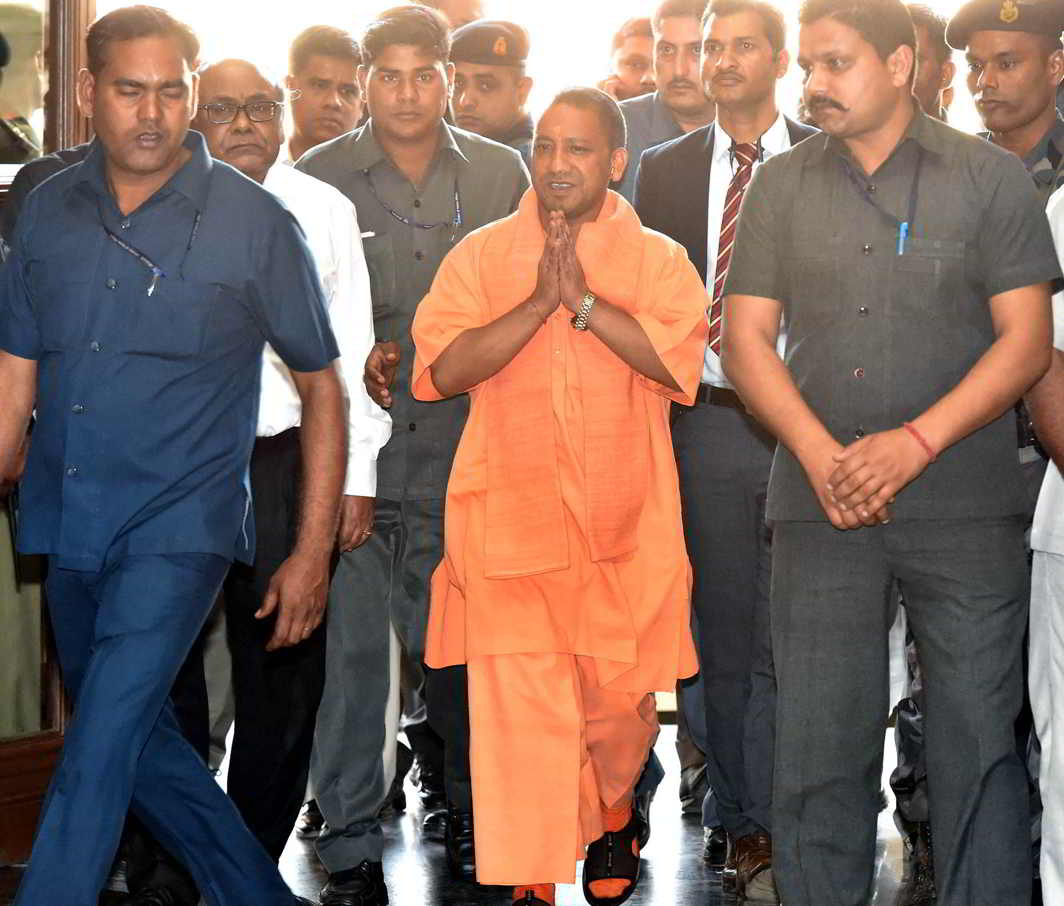
WILL HE WALK THE TALK? And will that be entirely beneficial for the state? CM Adityanath Yogi arrives for a meeting with police officers in Lucknow on March 20
Think about the billions that would go through central and state funding channels towards “development” and think of the scams that are waiting to happen in a country that cannot do without scams. More importantly, however, is the danger of such funds sourced out into terrorising sections of society in funding the growth and fattening of outfits such as the Vahini.
Seeds of self-destruction
Absolute power corrupts absolutely. But the story of Adityanath is possibly just beginning. Yogi is one man who will not be willing to rest on his early laurels. He will be incessant, and he will remain ambitious, highly so.
Reminds one of another highly ambitious chief minister, from Gujarat, who worked hard, played hard and also had the blessing of the RSS. He is now Adityanath’s guru, sitting right at the top of the food chain, in Delhi. Narendra Modi may just have planted the seed of a future banyan.
One day, just as Lal Krishna Advani is languishing in the Margdarshak Mandal, there could be one Modi walking into this old-age home. He is still a member of the Mandal, but his is a special position there, with the Mandal itself being ornamental.
We would watch Adityanath Yogi come visiting. That would be the day.[/vc_column_text][/vc_column][/vc_row]







India News
Delhi Police offers 11-person limit for CJP’s Connaught Place protest
Delhi Police has offered to facilitate a group of 11 people at Central Park in Connaught Place for the Cockroach Janata Party’s October 16 protest, while warning that violations of prohibitory orders could invite legal action.


India News
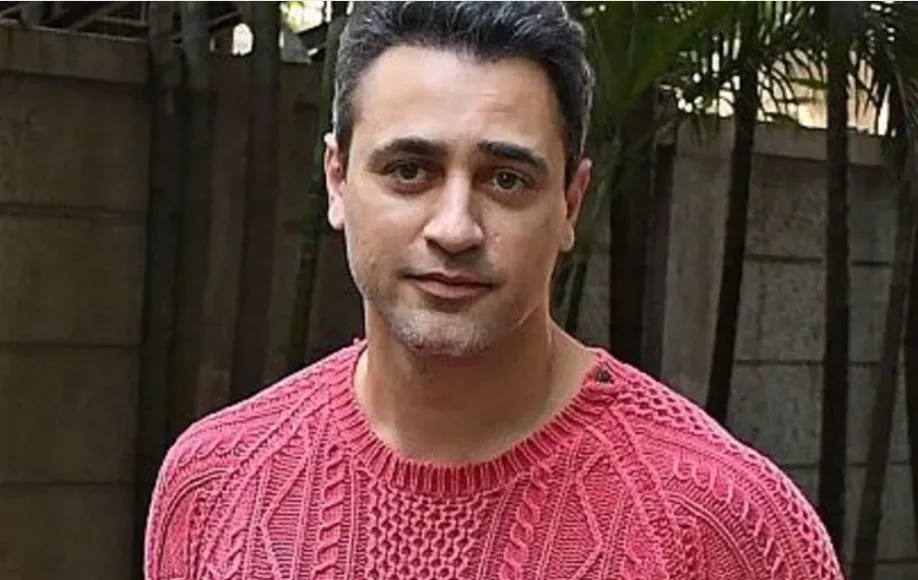
Actor Imran Khan asked to leave India after CJP protest
Actor Imran Khan has been asked to leave India by October 28, days after participating in a protest called by the Cockroach Janta Party (CJP) in Mumbai.
India News
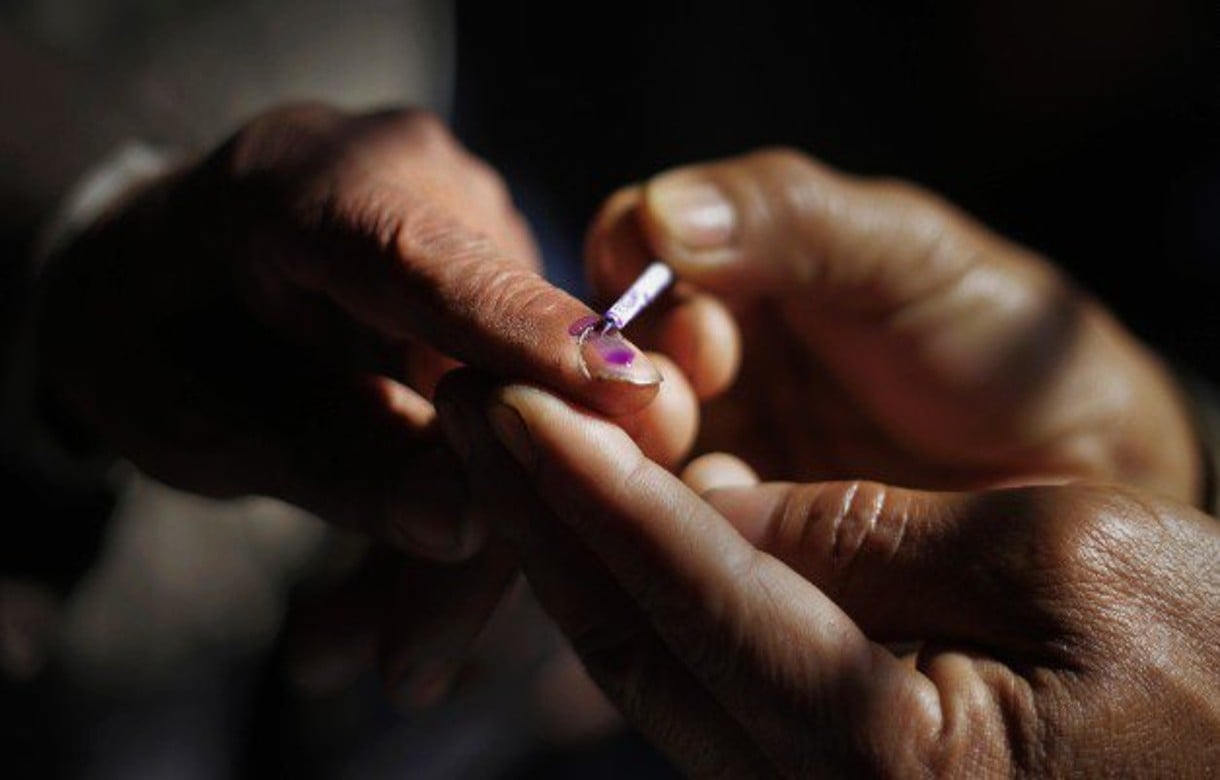
Election Commission orders voter roll revision in 17 states, UTs
The Election Commission has ordered a Special Summary Revision of electoral rolls in 17 states and Union Territories. Draft rolls are scheduled for November 12, with final rolls due on January 4, 2027.

Dhruv Rathee gets fresh summons in 2018 BJP IT cell video case

Nobody can browbeat judiciary, Chief Justice warns over Rahul Gandhi’s march

India-US trade deal first phase finalised, drafting underway

Election Commission orders voter roll revision in 17 states, UTs

Actor Imran Khan asked to leave India after CJP protest

Delhi Police offers 11-person limit for CJP’s Connaught Place protest
Actor Imran Khan asked to leave India after CJP protest
Election Commission orders voter roll revision in 17 states, UTs
India-US trade deal first phase finalised, drafting underway
Nobody can browbeat judiciary, Chief Justice warns over Rahul Gandhi’s march

Afghan Men Try To Hang With The Jet Engine Of The Aircraft in Kabul- Afghanistan News – Kabul News
Trending Top 10 News: 10000 Crore Fine on Flipkart, Apple to Launch Unique Feature, Hdfc Bank Job Ad

Trending Top 10 News: Nokia 6310, Apple sales, Bachpan ka Pyar Video Kid, Dainik Bhaskar IT Raid

Trending Top 10 News: Canada bans Indian flights, Rain in Delhi NCR, AIMIM Twitter hacked, Raj Kundra case

Trending Top 10 News: Shein India, Apple New Service, Pocket Oxygen, Oppo Launched New Phone
-
 India News17 hours ago
Dhruv Rathee gets fresh summons in 2018 BJP IT cell video case
-
 India News13 hours ago
Nobody can browbeat judiciary, Chief Justice warns over Rahul Gandhi’s march
-
 India News9 hours ago
India-US trade deal first phase finalised, drafting underway
-
 India News7 hours ago
Election Commission orders voter roll revision in 17 states, UTs
-
 India News6 hours ago
Actor Imran Khan asked to leave India after CJP protest
-
 India News5 hours ago
Delhi Police offers 11-person limit for CJP’s Connaught Place protest
