
India News
Mulayam echoes Modi on Akhilesh: ‘Jo baap ka nahi, woh kisi ka nahi’

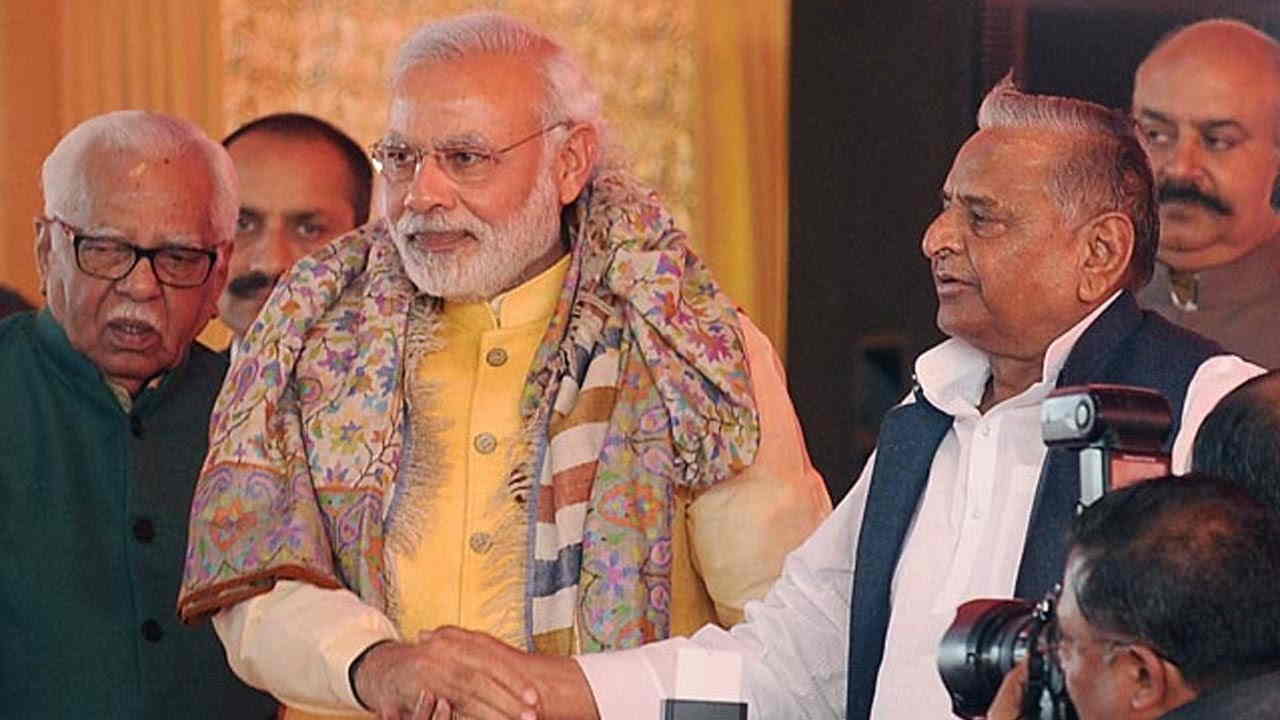
[vc_row][vc_column][vc_column_text]SP patriarch stopped shy of announcing new party but reiterated that he doesn’t endorse decisions taken by his son
A formal split within the Samajwadi Party (SP) looks imminent. Although contrary to expectations, the party’s patriarch – Mulayam Singh Yadav – did not announce a new political outfit while interacting with the media in Lucknow, on Monday, he gave ample indications that walking out of the party he founded was now a matter of “when” and not “if”.
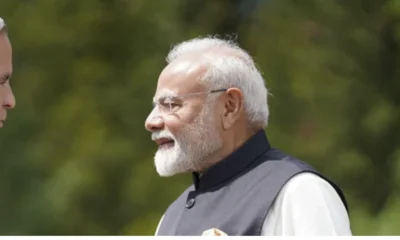
Echoing sentiments of Prime Minister Narendra Modi about SP chief Akhilesh Yadav, Mulayam said: “the man who occupies the highest political office of the country had said in Kannauj – jo baap ka nahi, woh kisi ka nahi (one who isn’t loyal to his father, can’t be loyal to anyone else) – need I say anything else now”.
Mulayam – the SP founder – was replying to a volley of questions on whether there was any possibility of a rapprochement between him and his son Akhilesh.
Though in the run up to his interaction with the media on Monday it was largely speculated that Netaji (as Mulayam is usually referred to) would formally announce a split in his party and possibly take over the Lok Dal as its national president – a rumour that was only strengthened further by Lok Dal chief Sunil Singh’s assertion to this effect – the political warhorse refrained from doing so.
“I am not forming a new party as of now”, Mulayam told reporters who pointedly asked him if he was finally moving away from the SP due to continuing differences with his son. Journalists even asked the SP founder why he was staying put in the party when he clearly didn’t approve of Akhilesh’s leadership and had been “betrayed” by his son who had earlier this year claimed that Mulayam would take over the party as its president after the UP assembly elections.
“I have been betrayed and everyone knows that,” Mulayam said. Asserting that as Akhilesh’s father, he will always “wish him well”, Mulayam said, “I don’t endorse the decisions being taken by him (as SP chief). The former three-term UP chief minister also said that he will “soon come before you all (the media) and give details” of the decision taken by Akhilesh that he doesn’t support.
Interestingly, Mulayam younger brother, Shivpal Yadav – the man because of whom differences between the father and son are said to have reached a point of no return – was conspicuous by his absence from Monday’s interaction. Mulayam said that Shivpal was “away on some important work in Etawah and Mainpuri (the political bastion of the SP clan)”.
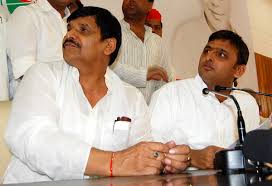
Differences between Mulayam and Akhilesh came out in the open in the run up to the UP Assembly elections that were held earlier. Sources in the party had claimed then that while Akhilesh wanted the party to shed its image of an outfit that functioned purely as a family enterprise and particularly hoped to check Shivpal’s growing influence and alleged bullying tactics, Mulayam was favourably inclined towards Shivpal, the man who holds significant clout over the party’s grassroots cadre.
The differences between the father-son duo have split the party down the middle – though formalization of this split has been deferred for reasons best known to the Yadav clan. While a large chunk of the party’s old guard and a significant cadre base remains loyal to Mulayam and Shivpal, the more aspirational new guard along with some veterans like Mulayam’s cousin Ramgopal Yadav and former minister Azam Khan have stuck with Akhilesh Yadav.
Sources said that while Mulayam is set to launch his breakaway faction – though on Monday he continued to insist that Akhilesh was out of the Samajwadi Party as “his decisions don’t adhere to the party’s wishes” – he wants to first comprehensively gauge the political repercussions of such a move. There is already a buzz that Shivpal is in talks with the BJP for an alliance between Mulayam’s faction and the ruling party.
However, sources close to Akhilesh claim that the SP chief is himself contemplating ways to pip his father in this race and could announce his own outfit – a remodelled version of the current party – in the next few weeks.[/vc_column_text][/vc_column][/vc_row]






India News
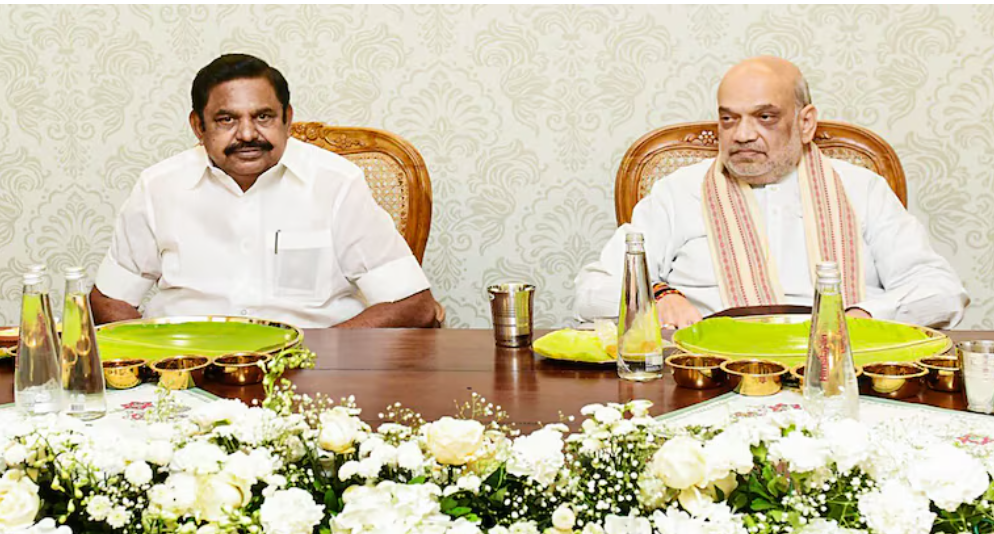
AIADMK-BJP seat-sharing talks to be finalised soon, says Edappadi K Palaniswami after Amit Shah meet
AIADMK chief Edappadi K Palaniswami says seat-sharing talks with BJP are in final stages and will conclude within days ahead of Tamil Nadu 2026 elections.

India News
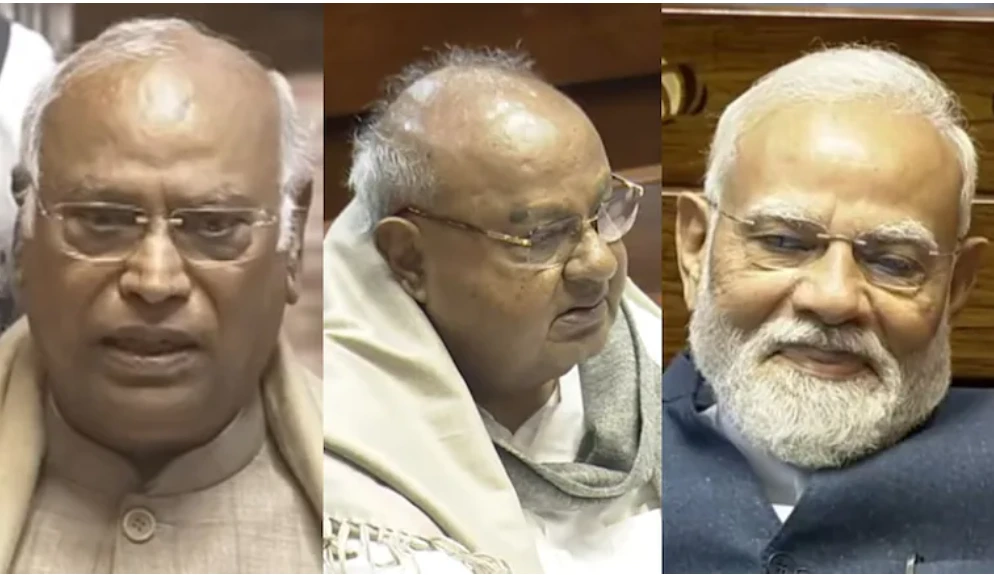
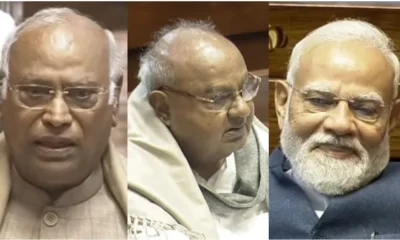
Deve Gowda hits back at Kharge’s married PM jibe, calls congress tie-up abusive relationship
HD Deve Gowda rebuts Mallikarjun Kharge’s remarks, saying JD(S) did not desert Congress and was forced to exit an “abusive” alliance.
India News
Markets tumble as oil crosses $110, sensex falls over 1,900 points
Markets opened sharply lower with Sensex plunging over 1,900 points as crude oil crossed $110 and global factors weighed on sentiment.

Deve Gowda hits back at Kharge’s married PM jibe, calls congress tie-up abusive relationship
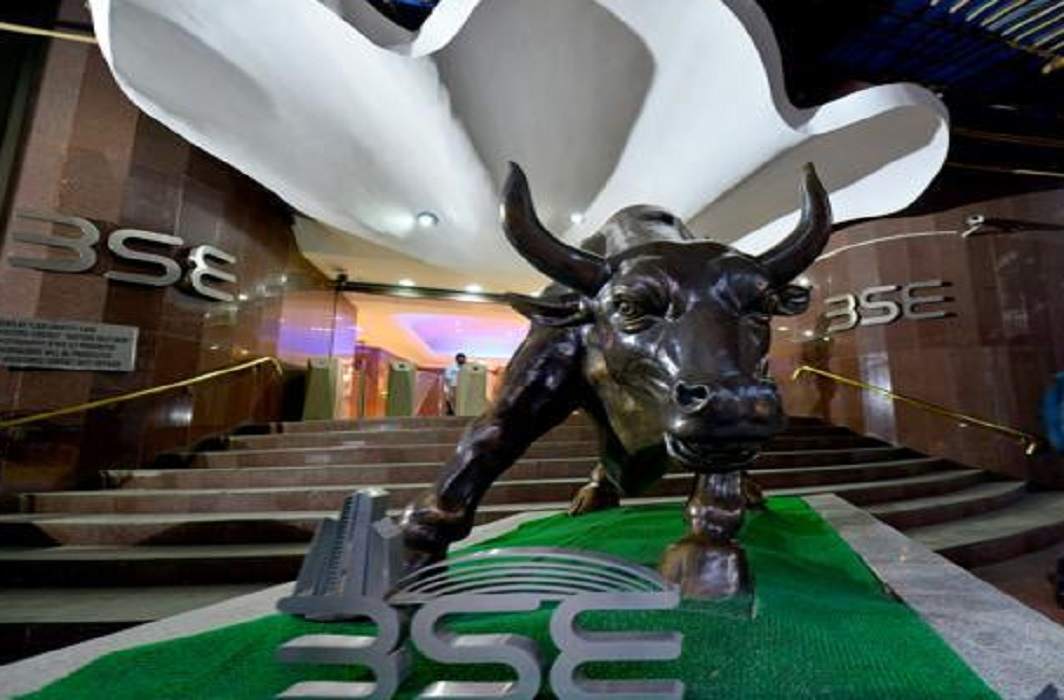
Markets tumble as oil crosses $110, sensex falls over 1,900 points

Iran strike on Qatar LNG hub raises concerns for India’s energy security

Trump warns of escalation after Iran hits Qatar LNG sites amid Gulf tensions

Russian oil tanker rerouted to India amid Middle East crisis, to reach Mangaluru on March 21

AIADMK-BJP seat-sharing talks to be finalised soon, says Edappadi K Palaniswami after Amit Shah meet

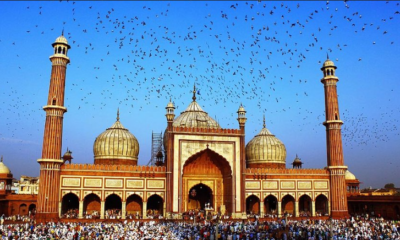
Eid 2026 in India may fall on March 20 or 21, moon sighting on March 19 to decide

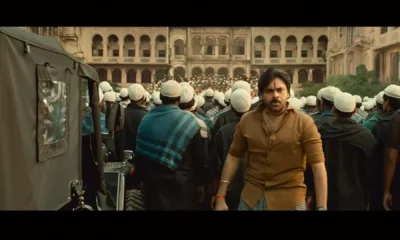
Ustaad Bhagat Singh review: Pawan Kalyan shines in high-action entertainer
Russian oil tanker rerouted to India amid Middle East crisis, to reach Mangaluru on March 21
Iran strike on Qatar LNG hub raises concerns for India’s energy security

Afghan Men Try To Hang With The Jet Engine Of The Aircraft in Kabul- Afghanistan News – Kabul News
Trending Top 10 News: 10000 Crore Fine on Flipkart, Apple to Launch Unique Feature, Hdfc Bank Job Ad

Trending Top 10 News: Nokia 6310, Apple sales, Bachpan ka Pyar Video Kid, Dainik Bhaskar IT Raid

Trending Top 10 News: Canada bans Indian flights, Rain in Delhi NCR, AIMIM Twitter hacked, Raj Kundra case

Trending Top 10 News: Shein India, Apple New Service, Pocket Oxygen, Oppo Launched New Phone
-
 India News24 hours ago
Deve Gowda hits back at Kharge’s married PM jibe, calls congress tie-up abusive relationship
-
India News24 hours ago
Markets tumble as oil crosses $110, sensex falls over 1,900 points
-
 Latest world news19 hours ago
Iran strike on Qatar LNG hub raises concerns for India’s energy security
-
 Latest world news24 hours ago
Trump warns of escalation after Iran hits Qatar LNG sites amid Gulf tensions
-
 Latest world news13 hours ago
Russian oil tanker rerouted to India amid Middle East crisis, to reach Mangaluru on March 21
-
 Entertainment13 hours ago
Ustaad Bhagat Singh review: Pawan Kalyan shines in high-action entertainer
-
 Festivals13 hours ago
Eid 2026 in India may fall on March 20 or 21, moon sighting on March 19 to decide
-
 India News6 mins ago
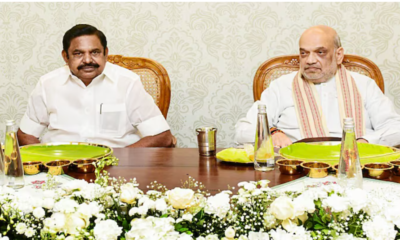
AIADMK-BJP seat-sharing talks to be finalised soon, says Edappadi K Palaniswami after Amit Shah meet
