English हिन्दी
Connect with us

India News

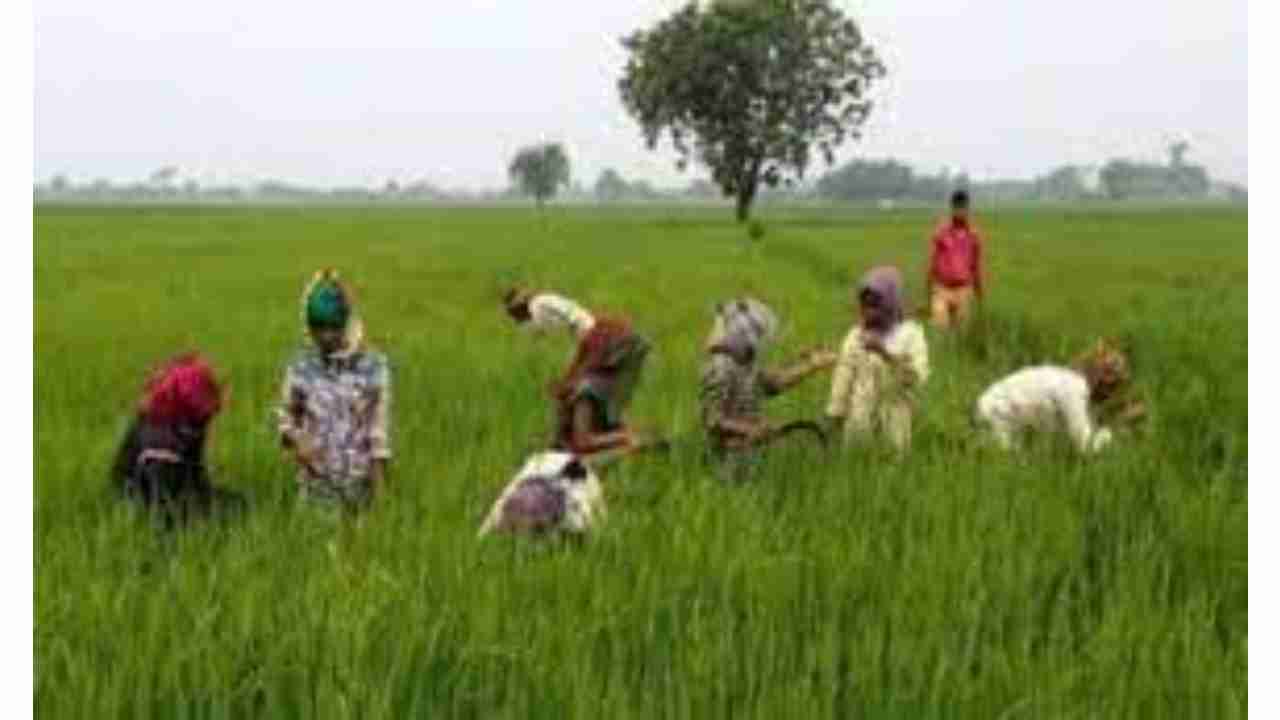
National Farmer’s Day: Honouring Chaudhary Charan Singh’s Legacy and the “Thank You Kisan” Trend

Published

on

national-farmers-day-2024-chaudhary-charan-singh-tribute

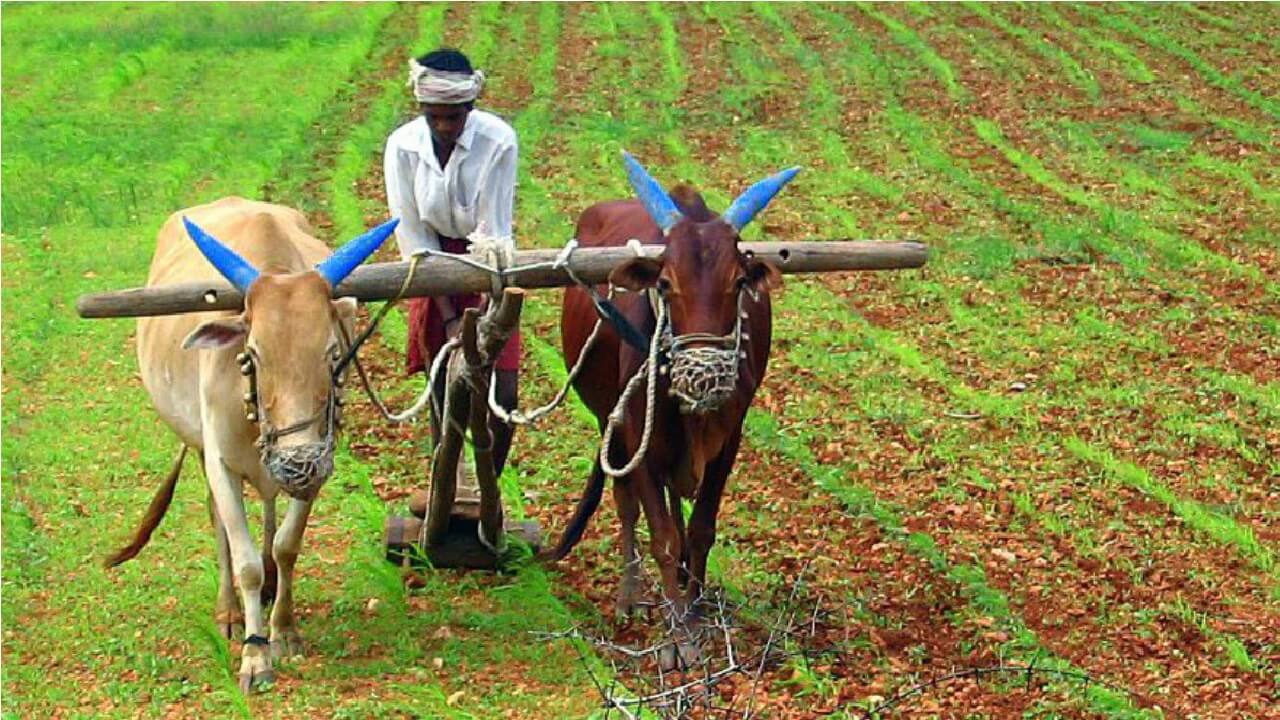
As the nation observes National Farmer’s Day, trending topics like Chaudhary Charan Singh, “Thank You Kisan,” and #NationalFarmersDay have captured widespread attention across social media platforms. The day is being celebrated with heartfelt tributes to the former Prime Minister, who is remembered for his transformative role in shaping India’s agricultural policies. The hashtag “Thank You Kisan” has gained momentum as people across the country express their gratitude for farmers, recognizing their critical contribution to food security and the nation’s economy. This surge in online discussions highlights the growing awareness and appreciation of the challenges faced by farmers, further underscoring the need for continued support and empowerment in the agricultural sector.

National Farmer’s Day, or Kisan Diwas, is observed on December 23 each year to commemorate the birth anniversary of Chaudhary Charan Singh, the fifth Prime Minister of India, who was a passionate advocate for the welfare of farmers. This day highlights his enduring contributions to improving the conditions of India’s farming community. The day serves as a reminder of the vital role farmers play in the country’s economic and social fabric, celebrating their hard work and contribution to the nation’s prosperity.

Chaudhary Charan Singh, devoted a significant part of his political life to advocating for the well-being of farmers. His efforts focused on implementing policies that aimed to improve their socio-economic conditions and address the challenges they faced in rural India. His tenure as Prime Minister from 1979 to 1980 was marked by significant reforms aimed at empowering India’s agricultural community. One of his landmark initiatives was the Debt Redemption Bill of 1939, which aimed to free farmers from the clutches of exploitative moneylenders. Singh also implemented transformative land reforms in Uttar Pradesh, helping to reshape the agricultural landscape and ensure greater equity for farmers.

In honour of his legacy, a memorial named Kishan Ghat was established in New Delhi, and in 2001, the Government of India officially declared December 23 as Kisan Diwas. The observance of this day highlights Chaudhary Charan Singh’s enduring vision for the upliftment of farmers and emphasizes the importance of their well-being for the overall development of the country.

The theme for National Farmer’s Day 2024 is “Empowering ‘Annadatas’ for a Prosperous Nation.” This year’s theme underscores the necessity of providing farmers with the tools, resources, and opportunities they need to ensure sustainable agricultural growth, while also fostering national prosperity. It reflects the growing recognition of farmers as the backbone of India’s economy, often referred to as the ‘Annadatas’ (providers of food).

Kisan Diwas is not only a day for honouring farmers but also an opportunity to address critical issues affecting the agricultural sector. Topics such as fair pricing, climate resilience, sustainable farming practices, and the integration of modern agricultural technologies are brought to the forefront. Additionally, the day provides a platform for discussing various government initiatives aimed at improving the livelihoods of farmers and boosting their contribution to the national economy.

As we observe this important day, it serves as a reminder of the ongoing need to support the agricultural community and ensure that the next generation of farmers is equipped to meet the challenges of a rapidly changing world.

India News

Karnataka cabinet clears 15% internal reservation for Scheduled Castes, recruitment to begin soon

Karnataka approves internal reservation within SC quota, paving way for jobs

Published

on

The Karnataka cabinet, led by Chief Minister Siddaramaiah, has approved an internal reservation framework for Scheduled Castes (SCs) within the existing 15% quota, a move expected to address long-standing demands and restart stalled government recruitment.

The decision was taken during a special cabinet meeting and introduces a revised formula to distribute the quota among different SC sub-groups.

How the quota will be divided

Under the new structure, the 15% reservation for Scheduled Castes will be split into three categories:

  • 5.25% for “left-hand” SC communities
  • 5.25% for “right-hand” SC communities
  • 4.5% for other SC groups, including nomadic communities

The formula is based on proportional representation and aims to ensure equitable distribution of benefits among various sub-castes.

Recruitment to resume after long delay

The cabinet’s approval is expected to immediately unlock recruitment for thousands of government positions that had been on hold due to the reservation issue.

Officials indicated that recruitment notifications will now be issued, potentially opening up more than 50,000 vacancies across departments.

Long-pending demand addressed

The move comes after decades of demands from different SC communities seeking internal classification within the quota system. The government described the decision as a step toward social justice and balanced representation.

The issue had remained unresolved for years due to legal and administrative complexities, including concerns over exceeding the Supreme Court-mandated 50% reservation cap.

Political and social significance

The decision carries both administrative and political importance, as it addresses a sensitive issue affecting multiple communities within the Scheduled Castes. It also comes at a time when reservation policies continue to be a major subject of debate across states.

While the government has presented the move as a corrective step, it is likely to trigger reactions from various stakeholders, including opposition parties and community groups.

Continue Reading

India News

Amit Shah claims Mamata leaving, BJP coming after high turnout in Bengal polls

Amit Shah says high turnout in Bengal polls signals shift from Mamata Banerjee’s rule, predicts BJP surge.

Published

on

Union Home Minister Amit Shah on Friday expressed strong confidence in the Bharatiya Janata Party’s prospects in the ongoing West Bengal Assembly elections, asserting that the political mood in the state signals a shift away from Chief Minister Mamata Banerjee.

Speaking after the first phase of polling, Shah claimed that the high voter turnout indicates a desire for change, stating that “Mamata is leaving and BJP is coming.”

The first phase of elections recorded a notably high turnout across several constituencies, which Shah said reflects growing public support for the BJP and dissatisfaction with the current administration.

BJP predicts strong performance

The senior BJP leader went a step further, projecting a significant electoral gain for his party. He suggested that feedback from party workers and internal assessments indicate that the BJP could secure a large share of the seats contested in the first phase.

Shah linked the voter turnout to what he described as a broader shift in public sentiment, claiming that people in the state are moving from “fear to trust” and are ready for political change.

Intensifying political battle

The remarks come amid a high-pitched political contest between the BJP and the ruling Trinamool Congress, led by Mamata Banerjee. The ongoing election has seen sharp exchanges between leaders from both sides, with each camp projecting confidence in forming the next government.

Shah’s comments also follow recent statements by Banerjee targeting the BJP at the national level, highlighting the broader political stakes surrounding the Bengal elections.

As polling progresses in multiple phases, the results are expected to play a crucial role in shaping the political landscape of the state.

Continue Reading

India News

Kejriwal calls MPs for meeting, sources say he was unaware of developments

Arvind Kejriwal met AAP MPs at his residence, with sources suggesting he was unaware of developments that emerged ahead of the meeting.

Published

on

In a key political development, Arvind Kejriwal called a meeting of Aam Aadmi Party (AAP) MPs at his residence, with sources indicating that the party chief was unaware of what was about to unfold.

According to sources, the meeting was convened amid signs of unease within the party. However, those familiar with the developments said Kejriwal did not have prior knowledge of the concerns or positions that some MPs were expected to raise during the interaction.

The discussions come at a time when AAP is navigating internal challenges, with indications of differing views within sections of its parliamentary leadership. While details of the meeting have not been officially disclosed, sources suggested that the interaction carried an element of surprise for the party leadership.

There has been no official statement from the party regarding the outcome of the meeting. The situation remains fluid, and it is not yet clear what impact these developments may have on the party’s parliamentary strategy going forward.

Continue Reading

Trending

© Copyright 2022 APNLIVE.com