English हिन्दी
Connect with us

India News

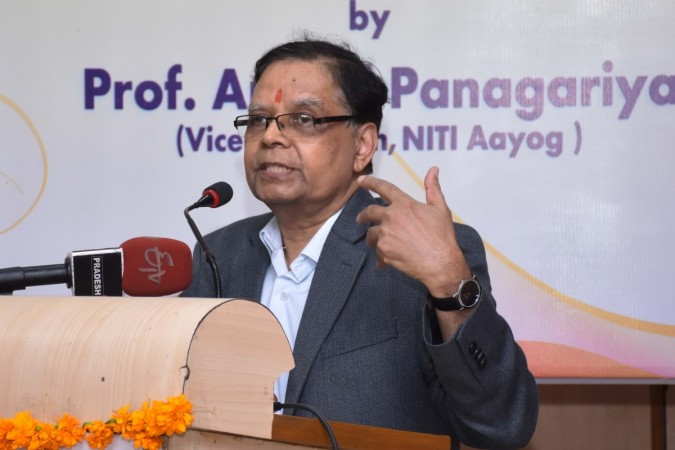
NITI Aayog vice-chairman Arvind Panagariya resigns

Published

on

NITI Aayog vice-chairman Arvind Panagariya

[vc_row][vc_column][vc_column_text]Handpicked by Prime Minister Narendra Modi in January 2015 to head the revamped version of the Planning Commission, Panagariya wants to return to academia, take up his teaching assignment at Columbia University in New York

In what would come as a major personal setback to Prime Minister Narendra Modi at a time when the Indian economy isn’t showing any great signs of resurgence, Arvind Panagariya has resigned from his role as vice-chairman of the National Institution for Transforming India (NITI) Aayog. An economist of repute, Panagariya will serve in the NITI Aayog till August 31, before returning to his previous teaching role at Columbia University in New York.

In January 2015 when the six decade old Planning Commission was scrapped by the Union government and replaced with the NITI Aayog, Prime Minister Narendra Modi had handpicked Panagariya for the post of its vice-chairman. The revamped think tank, although with powers that were far more curtailed than the ones enjoyed by the Planning Commission, was to act as a policy think tank for the Modi administration and guide it on key reforms in sectors like the economy, agriculture, federal responsibilities, et al.

However, at a time when the government continues to face tough questions on its two main reform measures – demonetisation and the GST regime – Panagariya’s exit could come as a personal setback for Modi.

Going by the convention followed by the erstwhile Planning Commission, the term of the NITI Aayog vice-chairman was to be co-terminus with that of the Prime Minister, who is the Chairperson of the body.

What triggered Panagariya to actually put in his papers is not known. The official reason being stated is his desire to return to academia but that does not seem entirely believable. “My leave in Columbia University is coming to an end on September 5 and I decided to join back,” was all that Panagariya said about his resignation on Tuesday.

Going by Panagariya’s record in office, he seemed perfectly in-sync with the Modi government’s actions on the economy and general policy legislation – something that previous heads of the Planning Commission didn’t always seem to care about while speaking on the initiatives of respective governments of their time.

Sources say Panagariya, despite the unwavering support of the Prime Minister, had several detractors within the Union government, and perhaps more importantly, in the Rashtriya Swayamsevak Sangh. His advice to the government to revamp labour laws and take an aggressive step on elimination of subsidies of all kinds was something that the RSS and some members of the BJP and its government did not find palatable.

At NITI Aayog, Panagariya oversaw several critical reforms that the Modi wanted to bring about, including the merger of the railway and general budgets, change of financial year from April-March to January-December and the elimination of the 5-year plan system of policy making.

Panagariya, a PhD from Princeton University, is a protégé of internationally renowned economist Jagdish Bhagwati and was Professor of Economics and of Indian Political Economy at the School of International and Public Affairs, Columbia University before he was persuaded by Modi to return to India and head the NITI Aayog.[/vc_column_text][/vc_column][/vc_row]

India News

Centre mandates 60% free seat allocation on flights, caps selection fees

Airlines must now offer 60% seats without extra charges and ensure better seating arrangements for passengers under new government rules.

Published

on

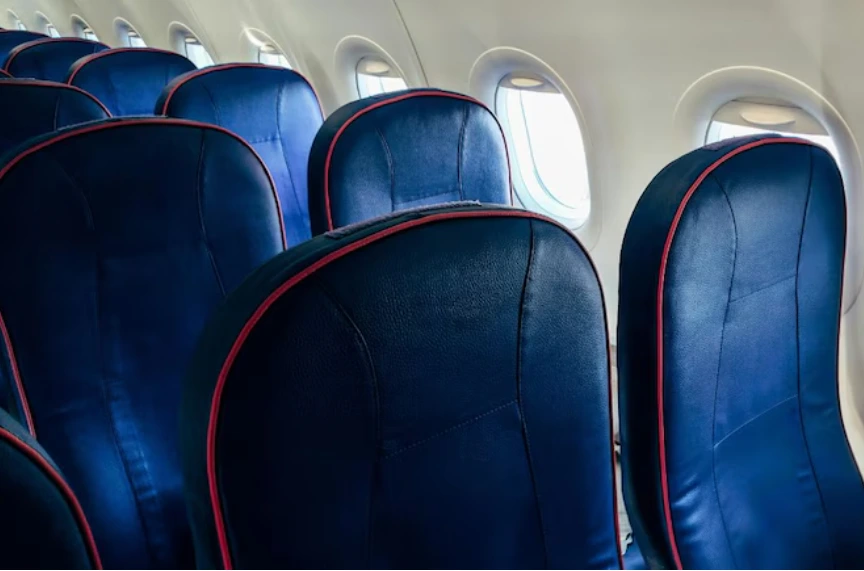
In a significant move aimed at protecting air travellers, the Union Ministry of Civil Aviation has directed airlines to ensure that at least 60 per cent of seats on every flight are offered without any additional selection fee. The decision follows widespread complaints from passengers about hidden charges, particularly for seat selection.

The directive has been issued through the Directorate General of Civil Aviation, which has introduced a series of passenger-friendly norms to enhance transparency and improve the overall flying experience.

Under the new guidelines, airlines have also been instructed to seat passengers travelling on the same PNR together, preferably in adjacent seats. This is expected to address long-standing concerns among families and group travellers, who often face inconvenience due to scattered seating arrangements.

The regulator has further emphasised the need to safeguard passenger rights in situations such as flight delays, cancellations, and denied boarding. Airlines have been asked to prominently display these rights across their websites, mobile applications, booking platforms, and airport counters to ensure better awareness.

In addition, carriers must establish clear and transparent policies regarding the carriage of sports equipment, musical instruments, and pets. The move comes in response to frequent complaints over inconsistent rules and high charges. Airlines have been directed to align such policies with safety and operational standards while ensuring they are communicated in a simple and passenger-friendly manner.

To improve accessibility, the regulator has also asked airlines to share passenger rights information in regional languages.

Continue Reading

India News

Mamata Banerjee warns BJP, EC over Bengal polls, says they will be accountable

Mamata Banerjee holds BJP and Election Commission responsible for any incidents during Bengal polls, raising concerns over officer transfers.
Published

on

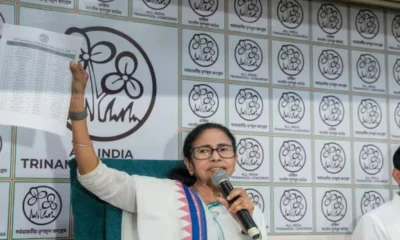
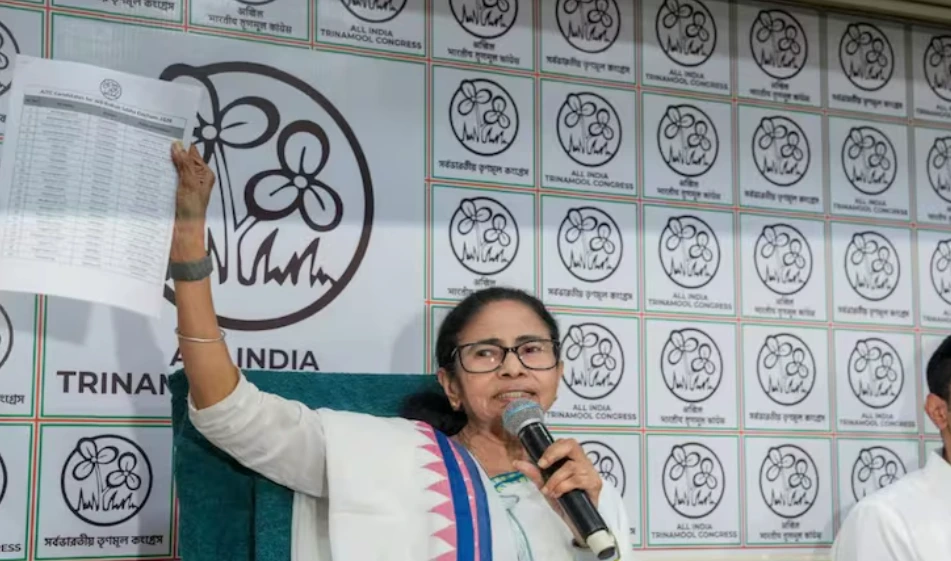
West Bengal Chief Minister Mamata Banerjee has held the Bharatiya Janata Party (BJP) and the Election Commission of India responsible for any untoward incidents in the state during the upcoming assembly elections, following the transfer of key officials.

Addressing concerns over administrative reshuffles, Banerjee said that changes involving senior bureaucrats, including the chief secretary and home secretary, could affect governance and law and order in the state during a crucial period.

The Trinamool Congress chief also announced candidates for 291 constituencies for the elections scheduled to be held in two phases on April 23 and 29.

Criticising the Election Commission, Banerjee alleged that the transfers were being carried out in a manner that benefits the BJP. She questioned the timing of the decisions and said such actions weaken the state administration at a sensitive time.

She further raised concerns about disaster management and essential services, stating that experienced officials familiar with the state’s situation have been replaced. According to her, this could impact administrative efficiency if any emergency arises before the new government is formed.

Protecting Bengal’s identity

Banerjee emphasised that the election is not merely about forming a government but about safeguarding Bengal’s identity and existence. She accused the BJP of misusing central agencies and attempting to influence the electoral process.

She urged that elections should be conducted peacefully, without external interference, and in line with democratic principles. The chief minister also expressed confidence that her party would return to power with a stronger mandate.

Appealing to voters, she called for support for the Trinamool Congress, asserting that the people of Bengal will ultimately decide the outcome and protect their democratic rights.

Continue Reading

India News

Centre assures action on LPG supply disruption, court closes distributors’ plea

The Bombay High Court closed a plea by LPG distributors after the Centre assured diplomatic efforts to stabilise supply amid global disruptions.
Published

on

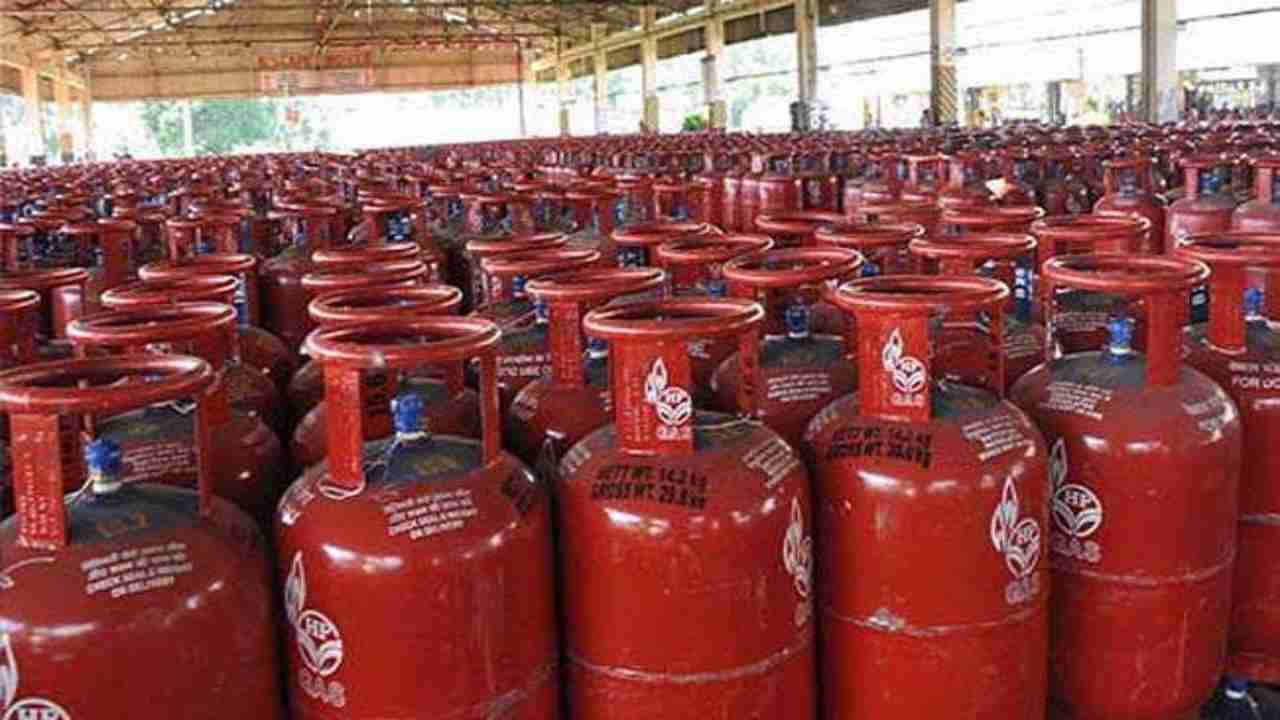
LPG cylinder

The Union government on Tuesday informed the Bombay High Court that it is taking diplomatic steps to address disruptions in Liquefied Petroleum Gas (LPG) supply linked to the ongoing Iran-Israel conflict, following which the court disposed of a petition filed by LPG distributors.

Appearing before the Nagpur bench, Solicitor General Tushar Mehta said the Centre was actively engaged in international-level negotiations to stabilise LPG supply. However, he noted that specific measures could not be disclosed due to their sensitive nature.

The matter was heard by a division bench comprising Justices Anil S Kilor and Raj D Wakode. The bench accepted the government’s assurances and closed the plea.

Distributors flagged supply disruption in Vidarbha

The petition was filed by six LPG distributors, including Omkar Sales, who raised concerns over disruptions in supply chains across Maharashtra’s Vidarbha region. They claimed the situation had led to a significant shortage of LPG for domestic consumers.

The distributors, dependent on Confidence Petroleum India Ltd (CPIL), alleged that despite directives prioritising domestic consumption, LPG was being diverted for export to capitalise on high international prices.

Government cites policy compliance, CPIL denies diversion

The petitioners referred to recent orders issued under the Essential Commodities Act and the Natural Gas (Supply Regulation) Order, 2026, which mandate prioritising household LPG supply during crises.

However, CPIL rejected the allegations, stating it was fulfilling pre-existing export commitments and had not violated any policy norms.

Court had earlier termed issue ‘serious’

During earlier hearings, the court had described the matter as “serious” and of “grave importance”, issuing notices to the Centre and the Ministry of Petroleum and Natural Gas.

On Tuesday, the Centre reiterated that macro-level supply challenges arising from global geopolitical tensions were being handled through diplomatic channels. It also said that any localised supply issues could be resolved by state authorities.

Taking note of these submissions, the bench disposed of the petition.

Continue Reading

Trending

© Copyright 2022 APNLIVE.com