
India News
Pakistan Quotes Arundhati Roy to Defuse Sushma Swaraj Attack


[vc_row][vc_column][vc_column_text]Whole populations of Dalits, Adivasis, Muslims, and Christians are being forced to live in terror, says Maleeha Lodhi
Pakistan’s permanent representative to UN Maleeha Lodhi on Saturday invoked acclaimed Indian novelist Arundhati Roy in her rebuttal to External Affairs Minister Sushma Swaraj’s speech at UN General Assembly denouncing Islamabad as the “world’s greatest exporter of havoc, death and inhumanity.”
“Much of what is in the air in India now is pure terror, in Kashmir, in other places,” Lodhi quoted from a statement of Roy.
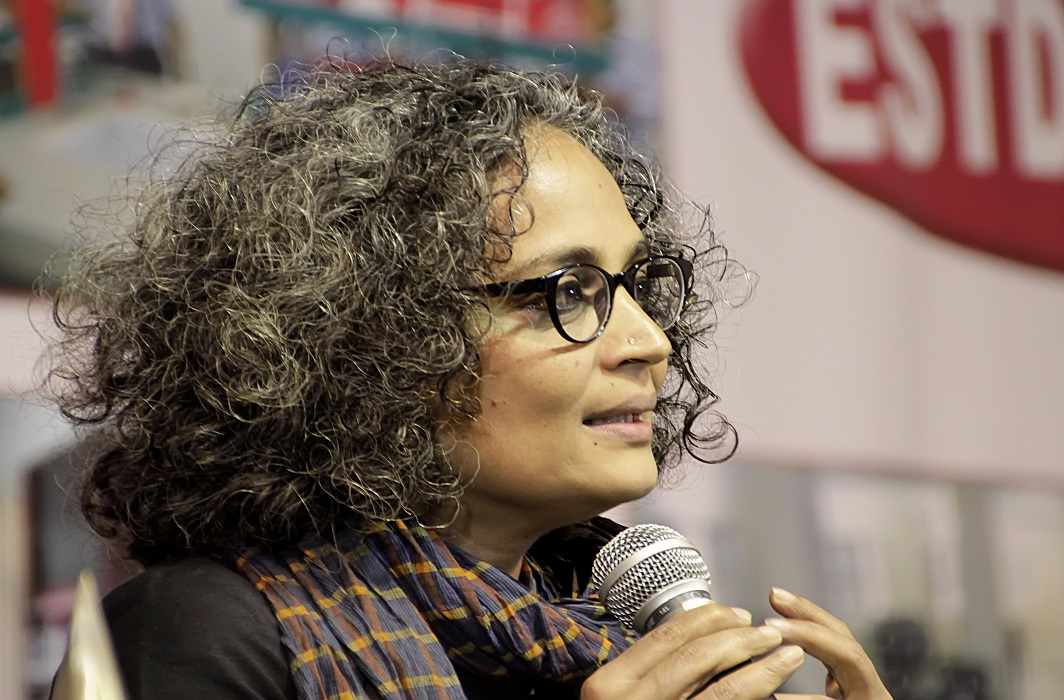 She also went to on quote from Roy’s November 2015 statement which she made a reference to lynching incidents against Muslims and Dalits in the country. “These horrific murders are only a symptom. Life is hell for the living too. Whole populations of Dalits, Adivasis, Muslims, and Christians are being forced to live in terror, unsure of when and from where the assault would come,” Lodhi quoted.
Pakistan’s response also delved into Indian politics and Kashmir issue. Lodhi said the state is not part of India and thus India’s military operation is illegal.
She borrowed standard lines of a section of Indian socialists to belittle BJP governments at the Centre and UP. She termed Prime Minister Narendra Modi and his government as a “fascist” and Uttar Pradesh Chief Minister Yogi Adityanath as a “fanatic”. She said that a racist and fascist ideology was firmly embedded in Modi’s government as its leadership was drawn from the RSS which is accused of assassinating Mahatma Gandhi.
Earlier, minister of external affairs Sushma Swaraj, while addressing UN General Assembly had tore into the neighbouring country calling Pakistan a “pre-eminent exporter of terror”.
“We (India) produced scholars, doctors, engineers. What have you produced? You have produced terrorists,” Swaraj said while adding that terrorism is an existentialist danger to humankind and that there is no justification for barbaric violence.[/vc_column_text][/vc_column][/vc_row]






India News
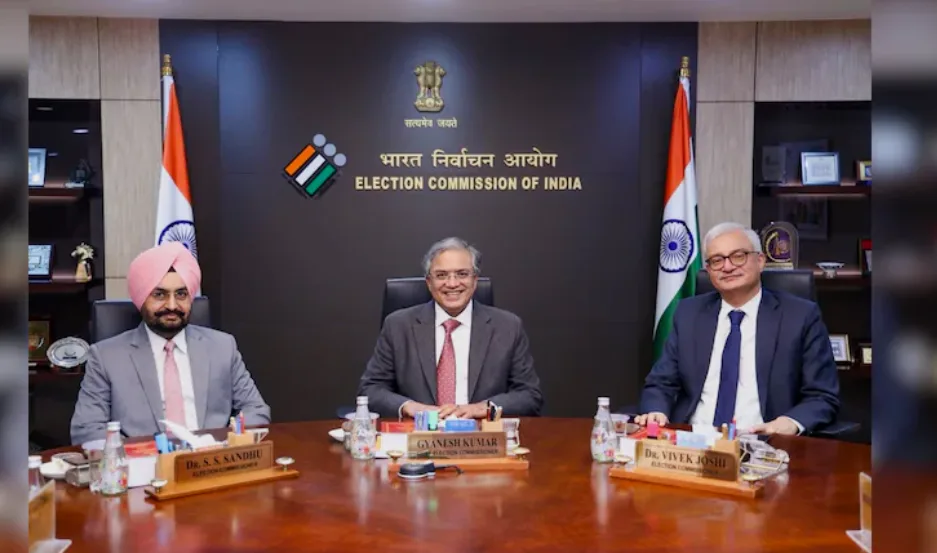
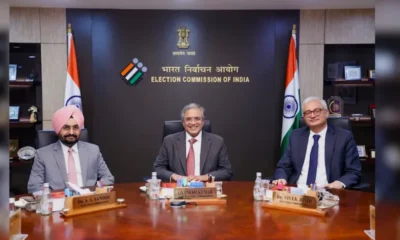
Two election commissioners complained against senior poll officer, RTI reveals
An RTI response has shed light on complaints by two Election Commissioners against a senior poll panel officer and the Cabinet Secretariat’s decision not to intervene directly.

India News
Punjab strike hits public services as 3 lakh employees and roadways workers protest
Punjab is facing disruption to government work and public transport as over three lakh government employees participate in a mass leave protest and roadways workers continue their strike over pending demands.
India News
Amit Shah says congress won’t return to power for 30 years
Union Home Minister Amit Shah took a swipe at Rahul Gandhi over the Opposition’s vote theft allegations, asserting that the Congress would not return to power for the next 30 years.


Magnitude 7 earthquake strikes Tibet after floods

Yogi Government cites Rs.15,233 crore seizures in UP gangster crackdown

PM Modi attacks Rahul Gandhi with failed product jibe

Amit Shah says congress won’t return to power for 30 years

Punjab strike hits public services as 3 lakh employees and roadways workers protest

Two election commissioners complained against senior poll officer, RTI reveals
Punjab strike hits public services as 3 lakh employees and roadways workers protest
Amit Shah says congress won’t return to power for 30 years
Magnitude 7 earthquake strikes Tibet after floods
PM Modi attacks Rahul Gandhi with failed product jibe

Afghan Men Try To Hang With The Jet Engine Of The Aircraft in Kabul- Afghanistan News – Kabul News
Trending Top 10 News: 10000 Crore Fine on Flipkart, Apple to Launch Unique Feature, Hdfc Bank Job Ad

Trending Top 10 News: Nokia 6310, Apple sales, Bachpan ka Pyar Video Kid, Dainik Bhaskar IT Raid

Trending Top 10 News: Canada bans Indian flights, Rain in Delhi NCR, AIMIM Twitter hacked, Raj Kundra case

Trending Top 10 News: Shein India, Apple New Service, Pocket Oxygen, Oppo Launched New Phone
-
 Latest world news13 hours ago
Magnitude 7 earthquake strikes Tibet after floods
-
 India News16 hours ago
Yogi Government cites Rs.15,233 crore seizures in UP gangster crackdown
-
 India News13 hours ago
PM Modi attacks Rahul Gandhi with failed product jibe
-
 India News12 hours ago
Amit Shah says congress won’t return to power for 30 years
-
 India News1 hour ago
Punjab strike hits public services as 3 lakh employees and roadways workers protest
-
 India News52 mins ago
Two election commissioners complained against senior poll officer, RTI reveals
