
India News
PM inaugurates Eastern Peripheral and Delhi-Meerut Expressways


Prime Minister Narendra Modi has inaugurated two major development projects benefiting residents of Delhi, Uttar Pradesh and Haryana on Sunday. Delhi-Meerut express way will ease travel between the two cities while Eastern Peripheral Expressway is expected to decongest Delhi’s traffic by diverting around two lakh vehicles daily.
The 8.36-km section, the first phase of the Delhi-Meerut Expressway is the first national highway with 14 lanes, including a six-lane expressway and eight service lanes. The highway connects Nizamuddin Bridge in Delhi to the national capital’s border with Uttar Pradesh.
Prime Minister travelled in an open jeep while people were lined up along the road. Urban Development Minister Nitin Gadkari was also seen in a separate open vehicle waving the crowd.
The entire project covers 82 km, and is likely to cost Rs 4,975.17 crore. The first phase was built in 18 months for Rs 841.5 crore.
 After inaugurating the first phase of the Delhi-Meerut Expressway, PM travelled to Baghpat, Uttar Pradesh, for inaugurating the Eastern Peripheral Expressway which connects Kundli to Palwal in Haryana via Ghaziabad in Uttar Pradesh.
Kundli is located in Haryana to the north of the Capital, and Palwal in the south. The other half of the project, the Western Peripheral Expressway, will connect Kundli to Palwal via Manesar, to the west of Delhi. This part of the project is under construction.
The Eastern Peripheral Expressway built at a cost of Rs 11,000 crore, has solar power lighting across its entire length. The road will have auto-challans for over speeding vehicles as cameras will monitor the speed. It will also have provisions of tolling only for the distance travelled, and “weigh-in-motion” equipment will help stop entry of over-loaded vehicles.
The 135-km expressway is a part of the 271-km Ring Road around the national capital. The inauguration of the Eastern Peripheral Expressway was held in Baghpat, a few kilometers away from Kairana, where BJP is facing unified opposition in Lok Sabha bye polls on Monday.
The Baghpat event was also attended by Uttar Pradesh Chief Minister Adityanath who called the Eastern Peripheral Expressway a lifeline for Delhi residents. He said the highway would help the development of towns like Baghpat and Ghaziabad. Haryana Chief Minister Manohar Lal Khattar was also present at the inauguration.
The expressway was supposed to be inaugurated by April 20. But it was delayed due to incompletion of the work and Prime Minister’s hectic campaign schedule in Karnataka assembly elections.
On May 10, the Supreme Court asked the National Highway Authority of India (NHAI) to inaugurate the Eastern Peripheral Expressway on or before May 31. “[We] can’t wait indefinitely for the prime minister [to inaugurate it],” the court had said.
It also said, “Eastern Expressway will be thrown open from June 1 even if the PM can’t inaugurate it by then,” the Supreme Court said. “[It] won’t be in public interest to delay it further.”









India News
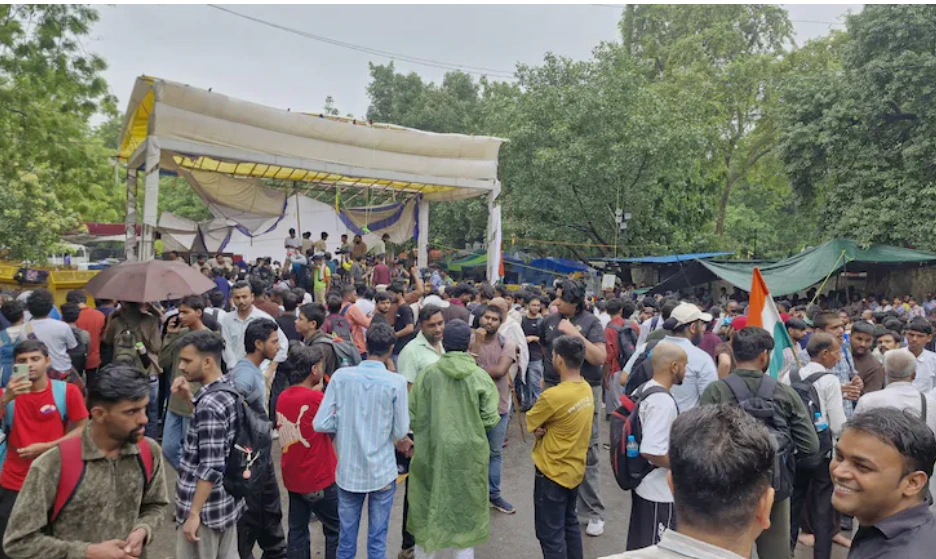
Delhi Police offers 11-person limit for CJP’s Connaught Place protest
Delhi Police has offered to facilitate a group of 11 people at Central Park in Connaught Place for the Cockroach Janata Party’s October 16 protest, while warning that violations of prohibitory orders could invite legal action.

India News
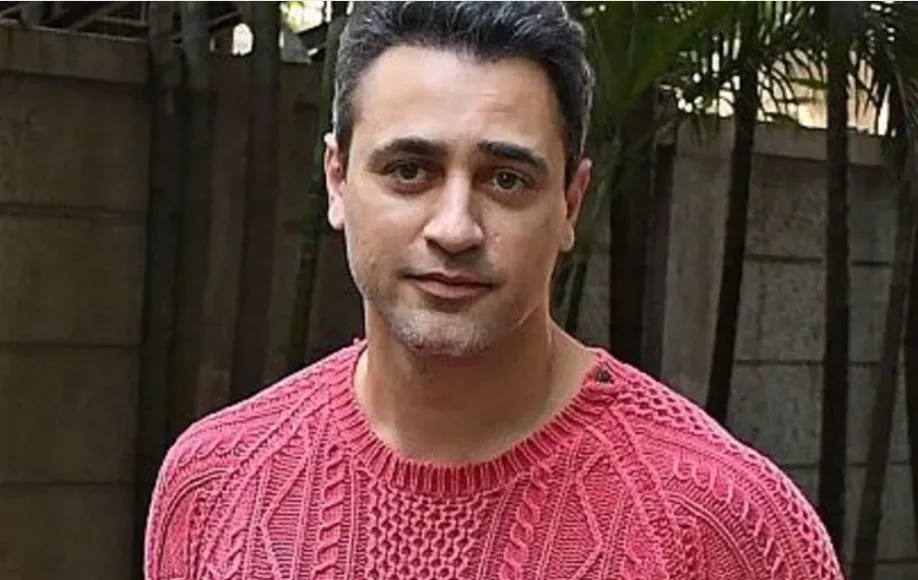
Actor Imran Khan asked to leave India after CJP protest
Actor Imran Khan has been asked to leave India by October 28, days after participating in a protest called by the Cockroach Janta Party (CJP) in Mumbai.
India News
Election Commission orders voter roll revision in 17 states, UTs
The Election Commission has ordered a Special Summary Revision of electoral rolls in 17 states and Union Territories. Draft rolls are scheduled for November 12, with final rolls due on January 4, 2027.

Dhruv Rathee gets fresh summons in 2018 BJP IT cell video case

Nobody can browbeat judiciary, Chief Justice warns over Rahul Gandhi’s march

India-US trade deal first phase finalised, drafting underway

Election Commission orders voter roll revision in 17 states, UTs

Actor Imran Khan asked to leave India after CJP protest

Delhi Police offers 11-person limit for CJP’s Connaught Place protest
Actor Imran Khan asked to leave India after CJP protest
Election Commission orders voter roll revision in 17 states, UTs
India-US trade deal first phase finalised, drafting underway
Nobody can browbeat judiciary, Chief Justice warns over Rahul Gandhi’s march

Afghan Men Try To Hang With The Jet Engine Of The Aircraft in Kabul- Afghanistan News – Kabul News
Trending Top 10 News: 10000 Crore Fine on Flipkart, Apple to Launch Unique Feature, Hdfc Bank Job Ad

Trending Top 10 News: Nokia 6310, Apple sales, Bachpan ka Pyar Video Kid, Dainik Bhaskar IT Raid

Trending Top 10 News: Canada bans Indian flights, Rain in Delhi NCR, AIMIM Twitter hacked, Raj Kundra case

Trending Top 10 News: Shein India, Apple New Service, Pocket Oxygen, Oppo Launched New Phone
-
 India News15 hours ago
Dhruv Rathee gets fresh summons in 2018 BJP IT cell video case
-
 India News12 hours ago
Nobody can browbeat judiciary, Chief Justice warns over Rahul Gandhi’s march
-
 India News8 hours ago
India-US trade deal first phase finalised, drafting underway
-
 India News5 hours ago
Election Commission orders voter roll revision in 17 states, UTs
-
 India News5 hours ago
Actor Imran Khan asked to leave India after CJP protest
-
 India News4 hours ago
Delhi Police offers 11-person limit for CJP’s Connaught Place protest
